Avocado and Cucumber Soup

Something Extra

Preparing a chilled soup is more than simply combining and blending a few ingredients; it needs something extra, something that will give the soup a push, simply because it’s chilled and the aromas are not as present as when a soup is warm. For instance Gazpacho is not just a mixture of tomatoes, cucumber, bell pepper and red onion; it absolutely needs Jerez vinegar.
Cold soups also benefit from adding excellent olive oil just before serving. The olive oil will give that velvety, rich feel in your mouth.
Chilled avocado and cucumber soup also needs something extra. We add soft blue cheese (for instance Gorgonzola Dolce) and Dill. Lemon will bring the required acidity and Greek Yoghurt will enhance the texture.

What You Need

  • One Ripe Avocado
  • One Small Cucumber
  • Stock (Chicken, Veal or Vegetable)
  • Soft Blue Cheese
  • Fresh Dill
  • Lemon
  • Black Pepper
  • Greek Yoghurt
  • Olive Oil

What You Do

Peel the cucumber and remove the seeds. Add the cucumber, avocado, stock, cheese and dill to your blender and mix. Now it’s a matter of tasting. Add a bit of lemon and black pepper. You may want to add more dill because it’s a fairly delicate herb. Once you’re happy with the taste, add some yoghurt and mix with a spoon. Transfer to the refrigerator and let cool and integrate for at least 4 hours. In this case ‘integrate’ also means making sure the cucumber is not too present. Just before serving taste again and add some olive oil. Stir with a spoon. Serve in a cold soup plate and decorate with a sprig of dill.

Flan with Tofu, Dashi and Ginger

An Asian Coddler

Serving food prepared in a coddler is always good fun. Turn of the lid and be surprised! In this case it’s a light and elegant starter; one that you can prepare the day before. The ginger and spring onion bring spiciness and freshness, the dashi brings umami and the flan a velvety, rich feeling. Making the dish comes with two challenges: the flan should be smooth and the gel not too firm.

Sake Pairing

Sake is best with this dish. The taste of the flan is subtle with a nice fresh touch because of the ginger and spring onion. The gel is a bit salty, given the dish a nice edge. The sake should be straight and crisp (and cold of course).

What You Need

  • For the Flan
    • 8 Small Coddlers (so-called standard size)
    • 100 gram of Silken Tofu (light and soft)
    • 1 Egg
    • 1 Egg Yolk
    • 50 ml Dashi (preferably home-made)
    • Touch of Soy Sauce
    • 1 Teaspoon of Mirin
    • Butter
    • Dill
  • For the Gel
    • 75 ml Dashi
    • Cornstarch
    • Fresh Ginger
    • Spring Onion

What You Do

In a bowl mix the egg and the egg yolk. Use a blender to smoothen the tofu. After blendering it should look like yoghurt. In a second bowl mix the tofu, 50 ml dashi, a touch of soy sauce and mirin. Now combine the content of the two bowls and mix gently. Pass through a sieve. It’s important that the mixture is very smooth, so no lumps or bits of white from the egg. And no bubbles. If not, pass through a finer sieve.
Apply a very thin layer of butter to the coddler, just enough to cover the inside. Pour the mixture in the coddlers, but nor more than 2/3. The mixture will set but not raise (or only a little bit). Close the coddlers, but not too tight. You want to test one during the cooking process and you don’t want to burn your fingers.
Set your oven to ‘classic’ and to 170° Celsius or 340° Fahrenheit. Put the coddlers in a large oven tray and add boiling water. The water should reach ¾ of the coddler, leaving ¼ free. Once in the oven reduce the temperature to 120° Celsius or 250° Fahrenheit and cook for 25 to 30 minutes. The coddlers are done when a metal pin comes out clean.
Remove the coddlers from the oven and allow to cool. You can do this by putting them in cold water, but you can also give it a bit of time. Make sure you dry the inside of the metal lid (condense).
Reduce the dashi. The taste should be relatively strong because the cornstarch will soften it. Better to use agar agar, but cornstarch is perfectly fine in this case. Thicken the sauce with the starch and let it cool. It should work as a gel on top of the flan.
Grate the ginger and very thinly slice both white and green of the spring onion.
Put a bit of ginger in the middle of the flan; sprinkle the onion over the top of the flan and finish by pouring a bit of the gel. Ideally this will cover the top (and the ginger and spring onion) and flow between the coddler and the flan.
Put the coddlers in the refrigerator and let cool. Half an hour before serving take them out of the refrigerator, remove the lid, dry it and put it back on again. Decorate with dill.

Skate with Sauce Vierge

Butter and Lemon

Once upon a time, there was a simple sauce called Sauce Vierge. It wasn’t difficult to prepare, just beat some butter until soft, then add some lemon juice, salt and pepper and continue beating until fluffy. Serve with asparagus, leeks or other boiled vegetables. It was not the most exciting sauce ever and we could easily have forgotten Sauce Vierge.

But then, lo and behold, things changed. Sauce Vierge became hot and happening, thanks to the Nouvelle Cuisine and chef Michel Guérard. He replaced the butter with extra virgin olive oil. A Sauce Was Born!

Nouvelle Cuisine ruled the world and in its slipstream Sauce Vierge became a star. A now warm sauce with additional ingredients such as garlic, tarragon, basil, parsley and chervil. Sauce Vierge became the ideal sauce to accompany fish. Preparing it was fairly straightforward: flavour the oil with garlic, then remove the garlic and add lemon juice and chopped herbs.

Coriander and Tomatoes

In 1976 Michel Guérard published a recipe of Sauce Vierge, including crushed coriander seeds and diced tomatoes. His suggestion is to serve it with sea bass, cooked over seaweed (bladder wrack?), and a purée of watercress.

Antiboise

Sauce Vierge was a star, but from a marketing perspective the name isn’t ideal. The term Antiboise became popular, especially outside of France. Antiboise is named after the city of Antibes in the south of France. The name is clever and so is skipping the word ‘sauce’. So you could call Michel Guérard’s dish Sea Bass with Antiboise and a purée of Watercress.

A Warm Dressing

Let’s go back to the original Sauce Vierge. A simple sauce that combined fluffy butter with lemon. So a modern version with olive oil is a great idea. We also like the idea of flavouring the oil with garlic and chopped herbs.
Depending on the food that comes with the Sauce Vierge you could add chopped tomatoes, crushed coriander seeds, black olives or capers. Don’t add too much: today’s Sauce Vierge is more like a warm dressing then a classic sauce.

Wine Pairing

Given the powerful flavours (capers, olives, herbs, skate) we suggest a fresh white wine with a lots of fruit and easy to drink. Our choice was a Verdejo produced by Mocen (Spain). The tasting notes are described in this video.

What You Need

  • Skate (or Sea Bass)
  • Butter
  • Olive Oil
  • Garlic
  • Lemon
  • Excellent Tomatoes
  • Basil
  • Parsley
  • Chives
  • Black Olives
  • Capers
  • Black Pepper

What You Do

Heat some olive oil and add the crushed garlic glove. Let it rest on low temperature until the oil is infused. Peel and seed the tomatoes. Chop in small cubes. Cut the olives lengthwise in 8. Cut the capers. Roughly cut all the herbs. Fry the skate in oil and/or butter until brown. Remove the garlic, add lemon juice and tomatoes; mix. Serve the skate on a plate, add the herbs, the olives, the capers and black pepper to the sauce, mix and serve the sauce on top of the fish.

Skate with Sauce Vierge © cadwu

Stuffed Eggs with Summer Truffle

Summer Truffle

One of the obvious benefits of the summer truffle is its price. We paid € 3,50 per 10 gram last week, which is a very reasonable price for a genuine truffle. And 10 gram is sufficient for these delicious stuffed eggs.
Summer truffles are harvested between May and August in France, Italy and Spain. They come with a few characteristics that you have to take into account. First of all, summer truffle loses most (if not all) of its flavour when heated. A better idea is to shave the truffle over a warm dish, for instance asparagus or pasta, just before serving. Second aspect to keep in mind: summer truffles are not as powerful in terms of aroma and flavour as other truffles.

Truffles love eggs, love potatoes, love foie gras, love Madeira, love morels. Tournedos Rossini, Antonio Carlucci’s pasta with Morel & Truffle Sauce (described in The Complete Mushroom Book) and the classic Pâté Périgueux: all delicious.

We combine our summer truffle with eggs and mayonnaise. We crush the truffle to add a crunch to the dish. Please prepare the dish a few hours before serving, allowing the truffle to become more present. You will be surprised about the richness of these stuffed eggs!

Wine Pairing

Best to combine with a not too oaky Chardonnay, for instance French Burgundy. An excellent choice would be Bourgogne Couvent des Jacobins, made by Louis Jadot.

What You Need

  • Three eggs
  • (Homemade) Mayonnaise
  • 1 Anchovy
  • 10 gram of Summer Truffle (more preferred)
  • Black Pepper
  • Fresh Lemon

What You Do

Boil or steam the eggs until just done. Peel and let cool. Slice the eggs in two. Mash up the three egg yolks with a fork. Add a small spoon of mayonnaise and mix. Mash 1 cm of anchovy and add to the mixture. Crush the summer truffle and add to the mixture. Add a few drops of lemon juice and a bit of black pepper. Taste but keep in mind that the truffle will become much more present. Stuff the eggs, cover with foil and let cool. You could decorate the eggs with a thin slice of summer truffle.

White Asparagus with Summer Truffle

Spring and Summer

Time to celebrate! Summer has just begun and the Asparagus season has come to a close. So let’s bring the two together in this slightly extravagant dish. It is earthy, slightly bitter and sweet, velvety and complete.
The Summer Truffle (Tuber Aestivum) is not as intense and overwhelming as the Winter Truffle. It should be used immediately and preferably grated. It loses its taste when heated, so don’t use it for your Tournedos Rossini. This dish should be luke warm, so an excellent environment for a Summer Truffle. Take your time to appreciate the delicate combination in your plate.

Wine Pairing

We drank a glass of Pinot Blanc made by Bott Frères (Ribeauvillé, France) with our Asparagus with Summer Truffle. This dry, fresh wine has a bouquet of well-ripened fruit. It comes with just a touch of sweetness.
A glass of Gewürztraminer is also a good choice with this dish, provided it has a touch of sweetness only.
Parsley is essential because it brings freshness to the dish; nicely balanced with the velvety taste of the egg and butter. And butter is the ideal bridge between egg, asparagus and truffle. So your wine needs to have a certain suppleness.

What You Need

  • 4 Asparagus
  • 2 Eggs
  • 25 grams of Butter
  • 20 grams of Summer Truffle
  • Parsley
  • Black Pepper

What You Do

Cook or steam the asparagus. Make sure they are just done. Cook the eggs for 8-9 minutes. The yolk should not be completely firm. Cool the eggs in cold water, peel and mash with a fork. Add the finely chopped parsley and some black pepper. Taste. Melt the butter.
Put two asparagus per person on the plate, pour the warm butter over the asparagus, making sure they are fully covered, add the egg and finish by sprinkling the grated truffle. Poor a glass of excellent Pinot Blanc and enjoy the start of summer by eating the very last of this years asparagus.

Asparagus with Basil and Olives

Al Fresco

Finally, summer is here (more or less) and the time is right for outdoor dining. You want to enjoy the evening so you’re looking for something you can prepare in advance. Given you’re eating al fresco you want something with powerful flavours and present aromas. A salad is nice, easy and too obvious. Tasty vegetables and ingredients that will make you think of summer. Of course! Olives, basil and asparagus.  Time to begin working on the mise en place.

Wine Pairing

Best to combine with a full bodied and elegant red wine. Flavour-wise you’re looking for red fruit and a touch of spiciness. We enjoyed our asparagus with a glass of La Tour Beaumont Cabernet Franc. This wine is from the Loire region and it is made by Pierre Morgeau, who was awarded the title of Wine Maker of the year 2019 by the renowned Guide Hachette. His focus is on the vineyards, the terroir and the environment in combination with a vinification as natural as possible.

What You Need

  • Asparagus
    • Equal Amount of White and Green Asparagus
    • Basil
    • Black Olives (preferably Cailletier or Taggiasca)
    • Olive oil
  • Meat Balls
    • 250 gram minced meat of Lamb
    • Cilantro
    • Mustard
    • 1 Egg
    • 1 Slice of Old Bread
    • Cumin
    • Pinch of Salt
    • Black Pepper

What You Do

Peel the white asparagus and cut of the end. Wash the green asparagus and cut of the end. Slice the asparagus in nice chunks (4 centimetres or so). Combine the asparagus with olive oil and a nice amount of black olives. Transfer to the refrigerator.
Toast the old slice of bread and let cool. Chop and transfer to the blender. You’ll now have home made chapelure. Beat the egg. Chop the cilantro. Combine all ingredients and create small meatballs. Store in the refrigerator. Mise en place done.
When ready for your al fresco dinner, heat your oven to 190˚ – 200˚ Celsius (or 375˚ – 390˚  Fahrenheit). Add a few basil leaves to the asparagus mixture and transfer to the oven. After 10 minutes mix and add more basil leaves. After again 10 minutes heat a heavy iron skillet and start frying the meatballs in olive oil. In parallel add more basil leaves to the asparagus and mix. After 10 minutes transfer the meatballs to a plate covered with kitchen paper. Add some basil leaves to the asparagus, mix and serve a generous amount of vegetables on a hot plate. Top with 5 meatballs.
PS Feel free to use green asparagus only. The dish will lose some of its bitterness and complexity but it’s still a great combination of flavours and aromas.

The Art of Sauces: Gribiche

This is a classic French sauce, made with boiled egg yolks, oil, various herbs (chives, chervil, parsley, tarragon), cornichons and capers. Sauce Gribiche is ideal with cold meat and fish. It’s a great combination of flavours and textures, also thanks to the chopped egg white.
As with mayonnaise the oil you use is an important ingredient. The range of flavours in Sauce Gribiche allows you to use a combination of oils, depending on the dish it should accompany. For instance olive oil when you’re looking for a more powerful sauce or arachis (peanut) oil when the sauce should be more delicate.
In this case we use chives only because especially tarragon would be too much for the asparagus. Chives give it a touch of onion, which is exactly what the sauce needs.

Wine Pairing

We enjoyed our Asparagus with sauce Gribiche with a glass of Macon (Louis Jadot Mâcon Villages Grange Magnien). The wine (100% chardonnay) comes with some gentle acidity and minerality, which is great with the acidity of the Sauce Gribiche. It’s fruity with a floral scent.

What You Need
  • Sauce Gribiche
    • Two Eggs
    • Dijon Mustard (1 teaspoon)
    • Olive Oil (100 ml)
    • (White Wine) Vinegar (1 tablespoon)
    • Black Pepper
    • Chives
    • Cornichon
    • Capers (in brine)
  • Asparagus
What You Do
  1. Boiling the eggs, making sure the yolk is completely set. Depending on the size add them to boiling water and leave them in simmering water for 12 minutes. We steamed them for 15 minutes
  2. Cool quickly, peel and separate the white from the yolk.
  3. Cut the white in very small bits and store
  4. Push the egg yolk through a sieve. It should be a powder-like substance
  5. Add the mustard and stir well until it’s a smooth paste
  6. Continue stirring and very slowly add the olive oil, as if making a mayonnaise. Which is basically what you’re doing anyway! Main difference is that cooked yolk is less powerful when it comes to emulsifying. So the amount of olive oil you can add is limited and the process is more challenging
  7. Once you’ve added the olive oil, add white wine vinegar, whisk, taste and decide if more mustard, vinegar or pepper is needed.
  8. Add the chopped egg white, the finely chopped chives, the drained and chopped capers and the thinly sliced cornichon
  9. The sauce should be ‘stable’ so feel free to store in the refrigerator.
  10. Steam or cook the white asparagus and enjoy!
PS

It’s actually a very tricky sauce, one that splits easily. If it does, no worries, just add a tea spoon of (home made) mayonnaise and the problem is solved.

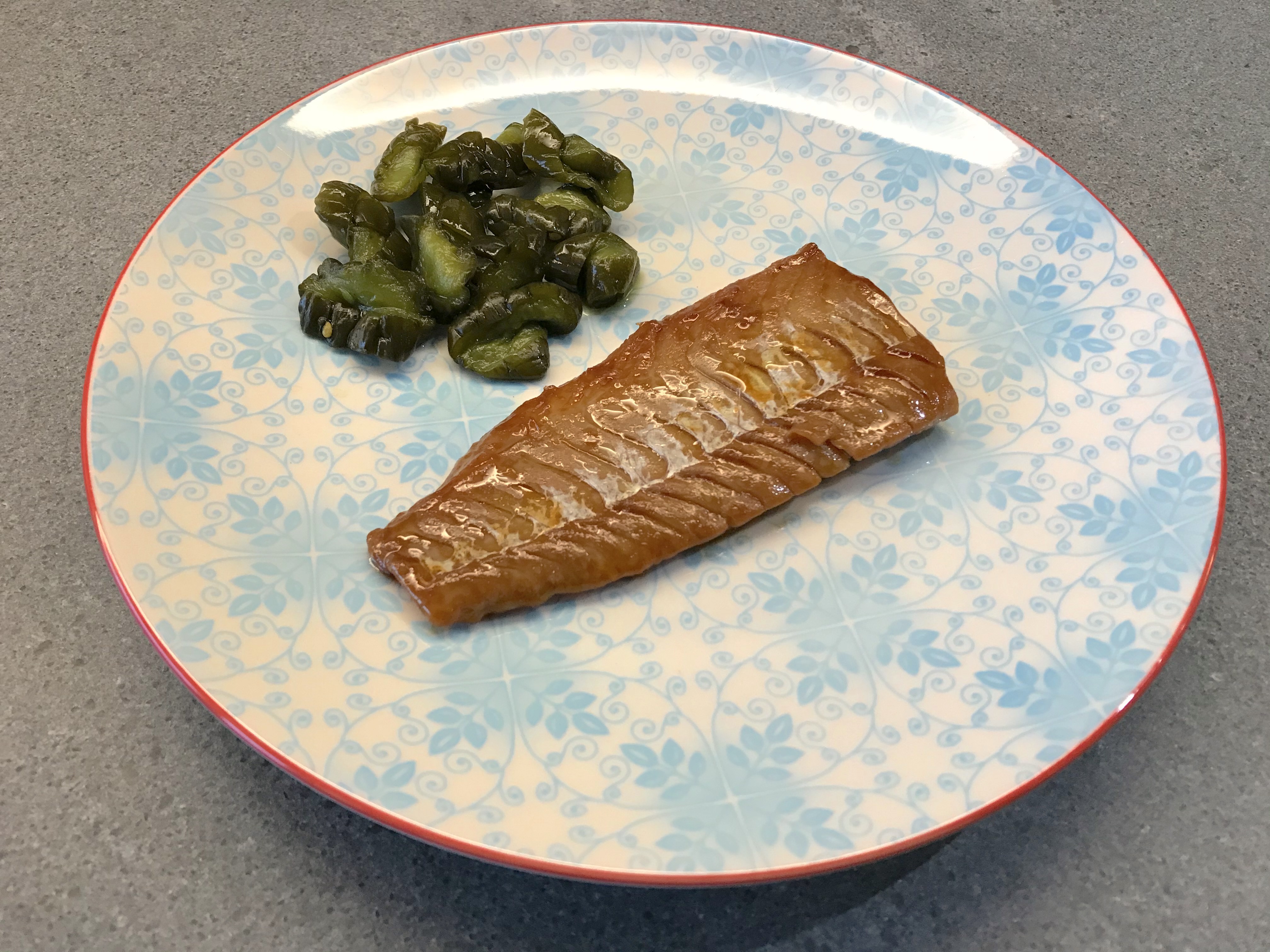
Halibut Marinated in White Miso

Saikyo Yaki

Grilling is an art in its own right in Japan. A simple way is Shioyaki: the fish is salted, left to chill overnight and grilled the next day. An essential element of a Japanese breakfast, together with pickled plums (Umeboshi),  sweet yet savoury omelet (Tamagoyaki), rice, a bowl of miso soup and green tea. As you can imagine a traditional Japanese breakfast is rather nutritious and packed with flavours.

A well known grilling method is Teriyaki: the fish is marinated in a combination of soy sauce, mirin and sake for a few hours and then grilled, with the fish dipped in the sauce several times during the grilling process.

Another way is Saikyo Yaki: the fish is marinated in Saikyo miso for 5 days and then grilled. Saikyo miso is a white, slightly sweet, low sodium miso from Kyoto. The marinated and grilled fish is served with pickled ginger. Originally a way to preserve the fish, it’s now much liked because of the umami and the intriguing combination of flavours and aromas.

Sake Pairing

Best served with dry sake. We prefer Junmai Taru Sake as produced by Kiku-Masamune. The sake is matured in barrels made of the finest Yoshino cedar. The aroma has indeed clear hints of cedar. The sake will clear your palate and allow for a more intense taste of the marinated halibut.

What You Need

  • Two slices of fresh halibut (thin is best)
  • White Miso (preferable with less salt)
  • Pickled Ginger or Cucumber
  • Karashi (Japanese mustard)

What You Do

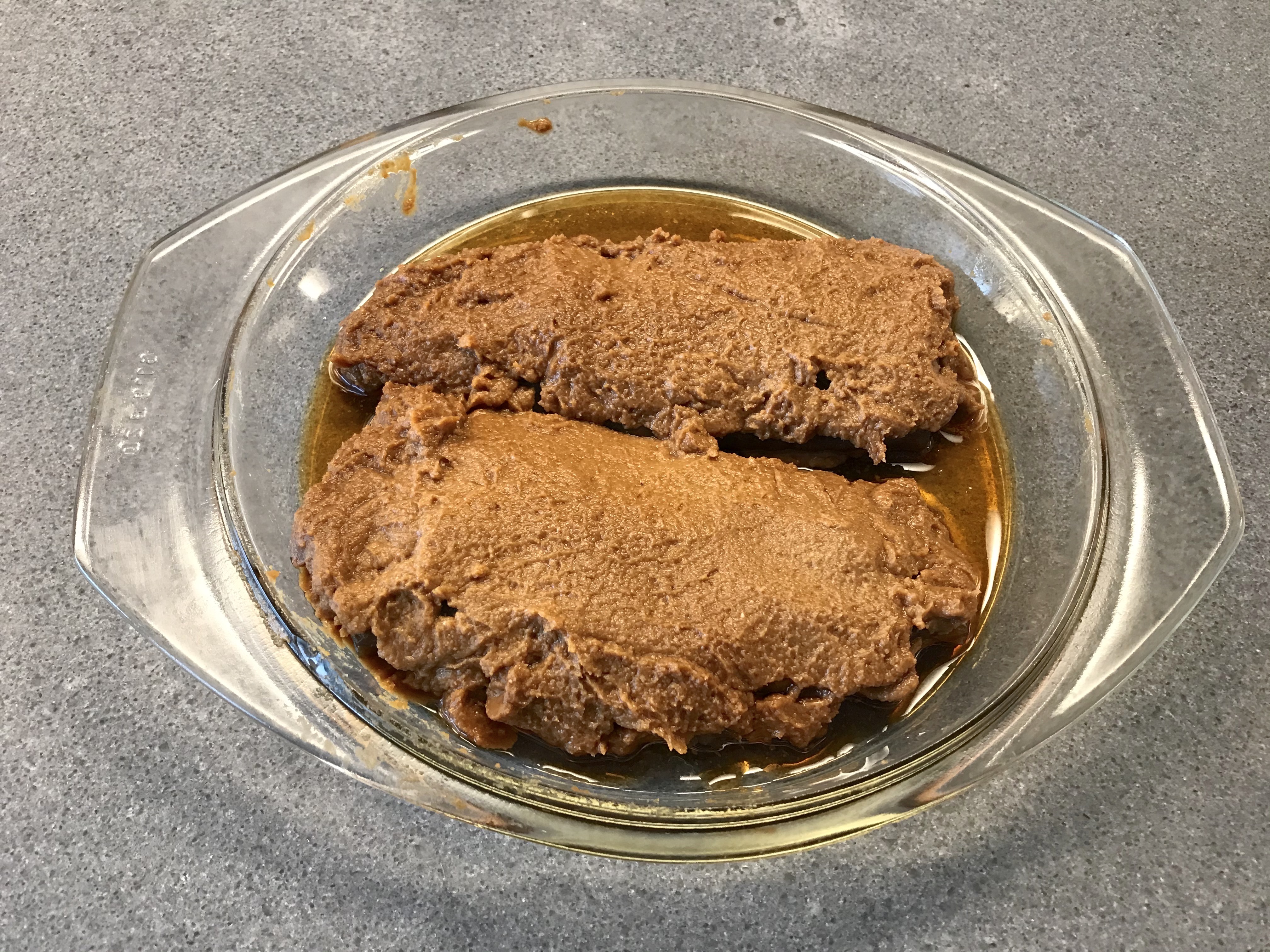
Start four or five days in advance. Coat the halibut with miso making sure the halibut is fully coated. Cover with foil and transfer to the fridge. Check on a daily basis if the fish is still covered.
Using a small spoon carefully remove most of the miso. Rinse the halibut with water and dry with kitchen paper. The white flesh should now be slightly orange. Heat a non sticky pan until warm, but not hot, through and through. If too hot, the fish will burn. We set our induction hob to 6 (where 9 is the maximum). Add a bit of olive oil and then fry the fish for 2*2 minutes. Serve on a warm plate with pickles and karashi.


Risotto with Beetroot and Gorgonzola

Contemporary Classic

Enrico Bartolini (Castelmartini, Italy, 1979) is an extremely talented chef with restaurants in Italy, Hong Kong and Dubai. He is the only chef to have been awarded four Michelin stars at the same time. In his restaurant Mudec in Milan he showcases his motto Contemporary Classic by exploring new worlds and new flavours, without forgetting origins and traditions. One of his many signature dishes is Risotto with Beetroot and Gorgonzola (Risotto alle rape rosse e salsa al gorgonzola). An intriguing combination because beetroot can be very sweet which could easily ruin the taste of the risotto. Which is exactly what happened the first time we prepared this dish. We did more research only to read recipes we didn’t like because the beetroot was added at the beginning of the preparation process (giving the risotto a gluey texture) or honey, mint, balsamic vinegar, oranges or salty goat cheese (to balance the sweetness of the risotto!) was added.

We decided to take a different approach and see this as a combination of two dishes with the gorgonzola as connection. Now we could focus on preparing a savoury beetroot puree that would be tasty in its own right and create a brilliant combination with the risotto.

Wine Pairing

We enjoyed our risotto with a glass of Bianco di Custoza 2018, made by Monte del Frà from Italy. It is a well-balanced, dry white wine, with a fruity nose. Its colour is straw yellow, with pale green highlights. In general you’re looking for a light, aromatic dry white wine.
You could also serve a glass of Chardonnay; one that has a touch of oak and vanilla plus a lightly buttery finish. Our choice would be the Chardonnay of La Cour des Dames

What You Need

  • For the Risotto
    • 70 gram Carnaroli Rice (for instance from Acquerello)
    • (Vegetable) Stock
    • 1 Bigger Shallot
    • Parmesan Cheese
    • Butter
  • For the Beetroot Puree
    • 1 Fresh Beetroot
    • 2 Tablespoons of White (Cider) Vinegar
    • 1 Tablespoon of White Wine
    • 3 Freshly Grated Cloves
    • Black Pepper
  • For the Sauce
    • Gorgonzola Dolce
    • Milk

What You Do

The day before wash the beetroot and wrap in aluminium foil. Leave in the oven on 180° Celsius (or 355° Fahrenheit) for 60+ minutes. Cool and store in the refrigerator.
Thinly chop the shallot and glaze in butter. In parallel peel the beetroot and chop. Combine a third of the shallots with the beetroot, the white wine, the vinegar and finely grated clove. Blend until smooth. Taste and adjust. In the mean time prepare the risotto. With a fork combine the soft Gorgonzola Dolce with the milk until it’s smooth and has the consistency of custard. Depending on the ‘blue’ in the cheese you may want to use a blender. Warm both the beetroot puree and the Gorgonzola sauce in the microwave or Au Bain Marie.
Time to start assembling the dish. Add butter and Parmesan to the risotto. Add more Parmesan than usual to create the right balance. Now start adding the beetroot puree, spoon for spoon. You’re looking for a balanced taste and a bright red colour. Perhaps add a drop of lemon and some black pepper. Transfer to the plate and using a spoon or a small sauce bottle add the sauce (drop-wise).

Risotto with Beetroot and Gorgonzola © cadwu

Haddock Marinated in Miso

The original recipe is from Kyoto and combines fresh fish with Saikyo miso. This is a white, slightly sweet, low sodium miso. The fish is marinated in miso and then grilled and served with pickled ginger. Lots of umami of course and the intriguing combination of miso and fish. Nowadays salmon is often used when preparing this popular dish.

Our approach is slightly different. We use white fish (haddock preferred, but rouget, halibut or cod are also fine) and marinate it in red miso for four or five days. The flesh will become beautiful deep red and the miso will gently flavour the fish, without overwhelming it. It’s not a subtle starter but the taste is great especially when combined with pickled cucumber and karashi (Japanese mustard). 

Sake Pairing

Best served with a dry sake. We prefer Junmai Taru Sake as produced by Kiku-Masamune. This fine sake is matured in barrels made of the finest Yoshino cedar. The aroma has indeed clear hints of cedar. The sake will clear your palate and allow for a more intense taste of the marinated haddock.

What You Need
  • Two slices of Haddock (thin is best)
  • Red Miso (preferable with less salt)
  • Cucumber Pickles
  • Karashi
What You Do
  1. Start four or five days in advance
  2. (optional) Combine miso with some sake
  3. Fully coat the haddock with the mixture
  4. Cover the dish with foil and transfer to the fridge
  5. Check on a daily basis if the fish is still fully coated
  6. Use a small spoon to carefully remove most of the miso
  7. Rinse the haddock with water and dry it with kitchen paper
  8. The white flesh should now be red
  9. Heat a non sticky pan until warm, but not hot, through and through. If too hot, the fish will burn. We set our induction hob to 6 (where 9 is the maximum)
  10. Add a bit of olive oil and then fry the fish for 2*2 minutes
  11. Serve on a warm plate with pickles and karashi.