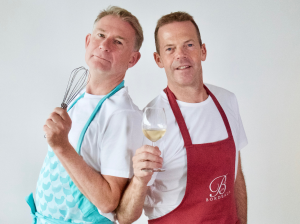
Your Favourites in 2025

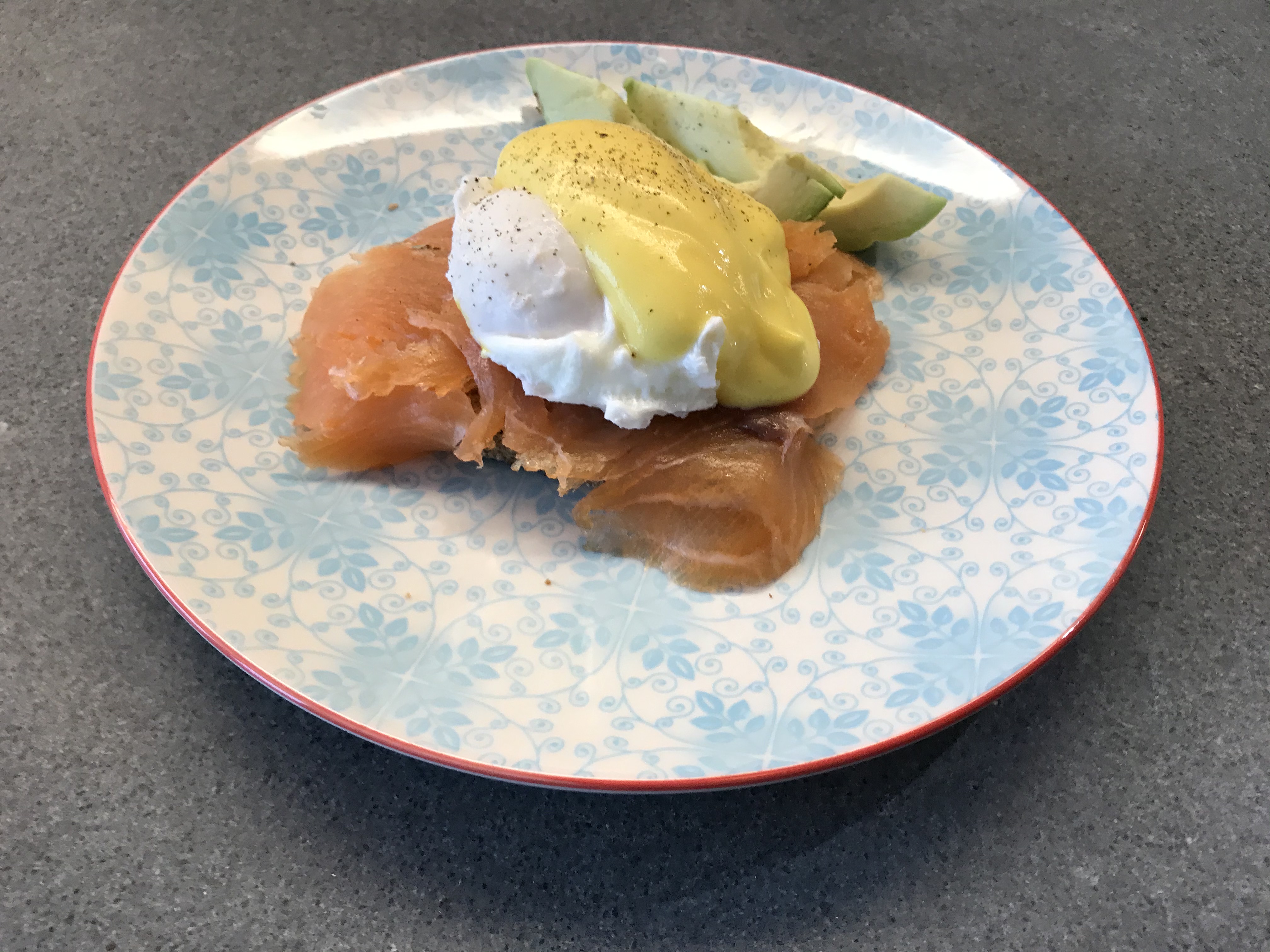
In 2025 the most popular recipe was Scallops with Roe. We were inspired by the great quality of the scallops on the market in Nice and we were not disappointed. The combination of scallops, roe and mashed potatoes is simple and delicious.

This year’s runner up is an all time favorite: Kimizu. This classic, golden sauce from Japan, is made with egg yolks, rice vinegar, water and mirin. We also made a version with tarragon, let’s say the Béarnaise version of Kimizu. Although it is a classic sauce, we use a microwave to prepare Kimizu and Kimizu with Tarragon. An easy and very effective way of controlling temperature and consistency.

Number three was another classic sauce: Ravigote. We served it with Pâté de Tête Persillé and crusted bread. The recipe we posted goes back to the more or less original version. The Ravigote is light, uplifting and flavorful.

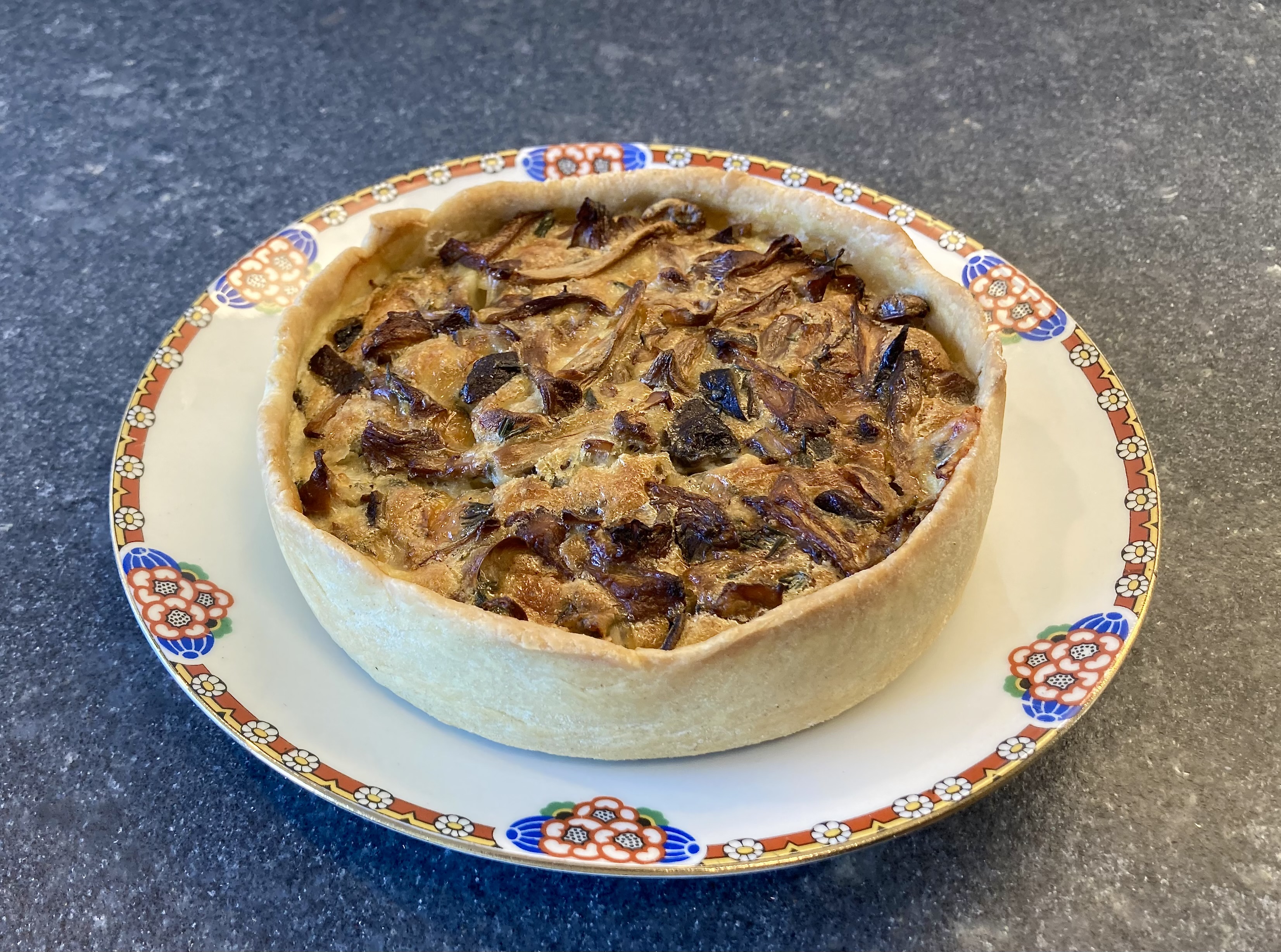
You’ve probably noticed we love mushrooms. Cultivated ones, like shiitake and oyster mushrooms and seasonal ones, such as morels and Caesar’s mushroom. This year we introduced a page with mushroom recipes in Dutch. It turned our to be a great success!

A few years ago we started exploring forgotten vegetables such as mashua and oca. We’re very pleased to see the popularity of this page. Clearly you’re as interested in these vegetables and their flavours as we are!

This year we will continue our series of sauces and of mushroom recipes, we will prepare dishes from illustrious Parisien restaurants and discuss wine pairing. We also plan to review cookbooks, with the help of our much loved tasting panel. In the meantime we look forward to your feedback, suggestions, likes and comments.

Let’s start cooking!

Your Favourites in 2024

Happy New Year!
Let’s begin the new year with the 2024 highlights. For the past two years your favorite post was No-Knead Bread, This year’s most popular post was an all time favorite: Kimizu. This classic, golden sauce from Japan, is made with Egg Yolks, Rice Vinegar, Water and Mirin. We also have a version with Tarragon, let’s say the Béarnaise version of Kimizu. Although it is a classic sauce, we use a microwave to prepare Kimizu and Kimizu with Tarragon. An easy and very effective way of controlling temperature and consistency.

This year’s runner up is Scallops with Roe, a recipe we published in January 2023. We were inspired by the great quality of the scallops on the market in Nice and we were not disappointed. The combination of scallops, roe and mashed potatoes is simple and delicious.

On August 19th 2024 Michel Guérard passed away. He was a French chef, author, one of the founders of the Nouvelle Cuisine and the inventor of La Cuisine Minceur. We wrote about his version of sauce vierge and combined it with sea bass and with skate. Very happy to see so many people interested in this post.

You’ve probably noticed we love mushrooms. Cultivated ones, like Shiitake, Oyster Mushrooms, Enoki and Champignons de Paris and seasonal ones, such as Morels, St. George’s mushroom and Caesar’s Mushroom. One of the most popular posts is Cèpes à la Bordelaise. Also very tasty when prepared with button mushrooms. Always a pleasure to serve, for instance with eggs, with meat, with more present fish. Last year we created a special page with an overview of our mushroom recipes.

We were very impressed by the exhibition Food For Thought by Kadir van Loohuizen in the Maritime Museum in Amsterdam. Let’s summarize it by quoting Ralph Dahlhaus, Chef of the National Maritime Museum: “Your choice of food does not need to be perfect, but it must be responsible.”

We continued our series of Sauces. One of your favorites is another classic sauce: Ravigote. We served the sauce with Pâté de Tête Persillé and crusted bread. The recipe we posted goes back to the more or less original version: the Ravigote is light, uplifting and flavorful.

This year we are looking forward to the Amsterdam Symposium on the History of Food on June 5th and 6th. This year’s topic is Food and the City. The symposium takes place in the 750th anniversary year of the city of Amsterdam. The symposium will be organized during an exhibition on the history of food culture in Amsterdam, from April 11th until September 7th 2025 in the Allard Pierson.

Let’s start cooking!

Hazelnut & Raisin Bread

Two or three times per week we enjoy the taste of fresh home-made no-knead bread. The crust, the flavours, the aromas! And how about the singing of the bread when it’s just out of the oven? Baking your own bread is such a pleasure.

Our recipe for no-knead bread is based on a recipe published by Jim Lahey, owner of Sullivan Street Bakery, New York. It was published in the New York Times in 2006 and can also be found in his excellent book My Bread. The process is time consuming (it’s 24 hours from start to finish) but not labour intensive. The recipe is based on slow-rise fermentation. With only 1 gram of instant yeast in combination with 18+3 hours of rest the yeast will do a wonderful job. The dough will be perfect. And kneading, as you would expect, is not required.

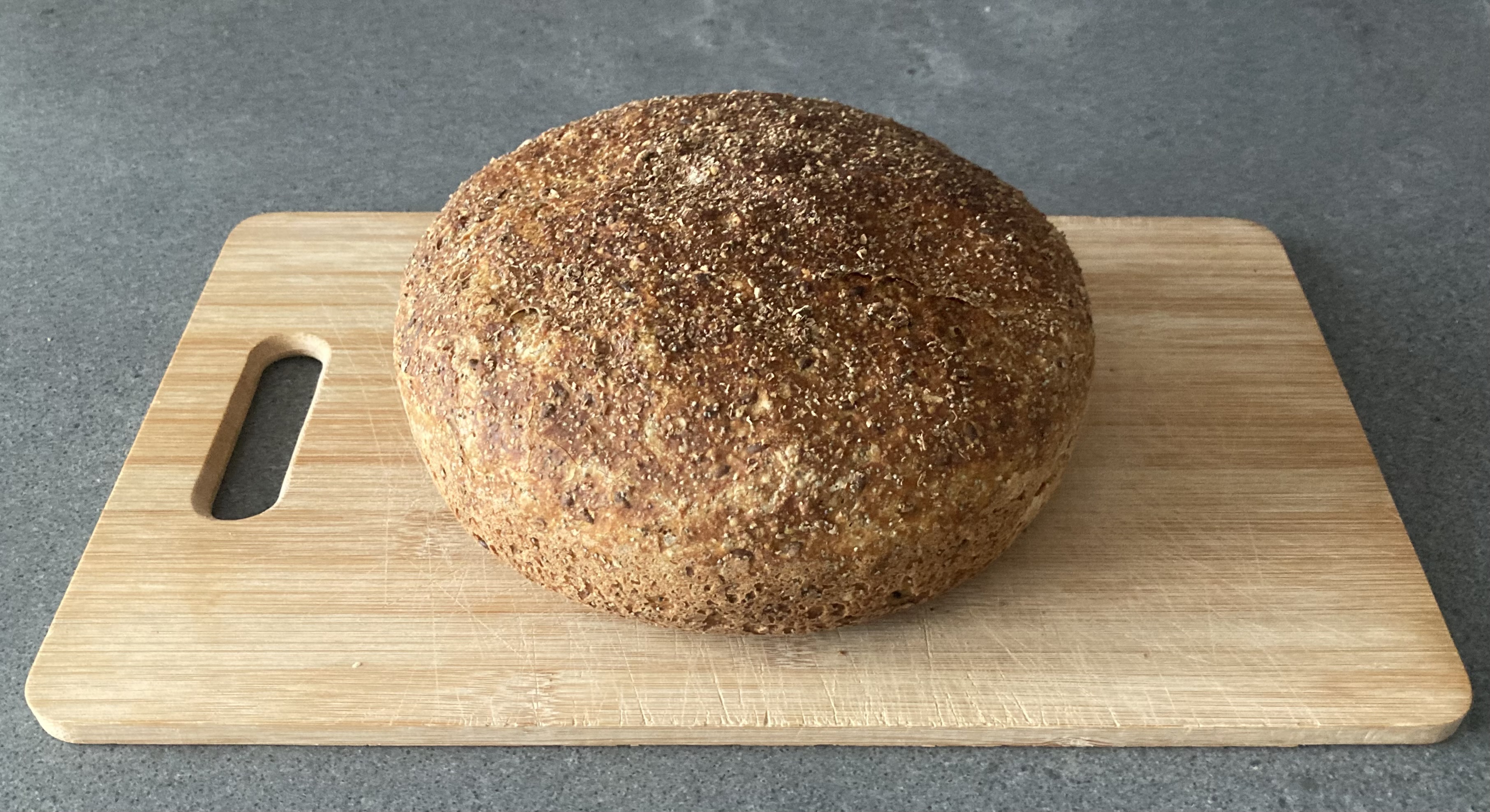
Normally we bake our bread with blue poppy seed and brown linseed. Today we bake a luxurious bread with hazelnuts, raisins and cinnamon.

What You Need
  • 200 grams of Whole Grain Flour
  • 230 grams of Plain White Flour
  • 1 gram Instant Yeast
  • 70 grams Hazelnuts (peeled and roasted)
  • 130 grams Raisins
  • 2,5 grams Cinnamon
  • 4 grams Salt (this is less than usual, most recipes for bread would suggest 8 grams)
  • 345 grams Water
  • Additional Flour
  • Bran
What You Do

Mix flour, yeast, cinnamon and salt. Add water and create one mixture. Let rest in a covered bowl for 18 hours.
Soak the raisins for 10 minutes in warm water. Remove excess water. Cover your worktop with a generous amount of flour. Remove the dough from bowl and flatten somewhat. Cover the middle third with one quarter of the raisins and hazelnuts. Fold the lower third on top of the middle third. Cover with the second quarter. Fold the top third on top the the middle third. Cover the centre with a quarter of the raisins and hazelnuts. Fold the right part on top of the centre. Ad the last quarter of raisins and hazelnuts on top of the centre and fold the fold the left part on top of it. Dust with additional flour and let rest on a towel dusted with flour and bran for 3 hours. Check that the pot (and the handles!) can be used in a really hot oven. Transfer the pot to the oven and heat your oven to 235˚ Celsius or 450˚ Fahrenheit. Put the dough, seam side up, in the pot, close it and bake for 30 minutes. Remove the lid and bake for 15 minutes or until it is nicely browned. Let cool on a wire rack for at least an hour before slicing it. Enjoy with a generous amount of butter.

Hazelnut & Raisin Bread ©cadwu

Your Favourites in 2023

Happy New Year! Let’s begin the new year with the 2023 highlights. Your favorite post was No-Knead Bread, We have been baking our own bread for several years, based on the method of no-knead bread (see Jim Lahey’s book My Bread for more detail) and using the ingredients (Blue Poppy Seeds, Linseed) of the French Talmière. The result is delicious!

Another very popular post is the one showing you how to make Kimizu. This is a classic, golden sauce from Japan, made with Egg Yolks, Rice Vinegar, Water and Mirin. We also have a version with Tarragon, let’s say the Béarnaise version of Kimizu. The recipes for Kimizu and Kimizu with Tarragon continue to be very popular. Although this is a classic sauce, we use a microwave to prepare it. An easy and very effective way of managing temperature and consistency.

We love mushrooms. Cultivated ones, like Shiitake, Oyster Mushrooms, Enoki and Champignons de Paris and seasonal ones, such as Morels, St. George’s mushroom, and Caesar’s Mushroom. One of the most popular posts is about Cèpes à la Bordelaise. You can also use more available mushrooms for this great combination. Always a pleasure to serve, with eggs, with meat, with more present fish.
Last year we had lots of Bay Boletes, which was such a pleasure. It’s a fairly common mushroom, as tasty as Cèpes, but much more affordable.

And finally The Queen’s Soup. We didn’t expect too much of this post, but the soup turns out to be very popular.

We were of course very pleased and honored to receive an award for our Pear and Almond pie in the Great Bloggers’ Bake Off.

Let’s start cooking!
Your Favourites in 2023 ©cadwu

Your Favourites in 2022

We have been baking our own bread for several years, based on the method of no-knead bread (see Jim Lahey’s book My Bread for more detail) and using the ingredients of the French Talmière. The technique is a bit challenging, so we were very pleased to test the simplified method described by Le Creuset. You were also pleased to learn about this easier method for No-Knead Bread, because it’s our number one post this year!

Kimizu is the classic, golden sauce from Japan, made from Egg Yolks, Rice Vinegar, Water and Mirin. The recipes for Kimizu and Kimizu with Tarragon continue to be very popular. Although this is a classic sauce, we use a microwave to prepare it. A great tool to be in control of temperature and consistency.

If you’ve been following this blog for a few months, perhaps years, then you’ll know we love mushrooms. We are especially interested in the seasonal ones, such as Morels, St. George’s mushroom, and Caesar’s Mushroom. We combine these with Japanese Udon, creating a very tasty starter, full of flavours and texture. Also one of our personal favourites.
Another favorite is the Bay Bolete. Actually a fairly common mushroom, as tasty as Cèpes, but much more affordable.
During the season we saw lots of interests in Bay Boletes and Caeser’s Mushroom, so next season we will publish new recipes with these two delicious mushrooms.

The classic Cèpes à la Bordelaise was also amongst your favourites. You can also use more available mushrooms for this great combination. Always a pleasure to serve, with eggs, with meat, with more present fish.

Ajerkoniak was a dish we looked into when we were exploring dishes/drinks based on egg yolks, such as caudle, eggnog and advocaat. Perhaps not our personal favourite, but why nog give it a try?

We wish you a happy and inspiring 2023!

Your Favourites in 2022 ©cadwu

No-Knead Bread – Easier Method

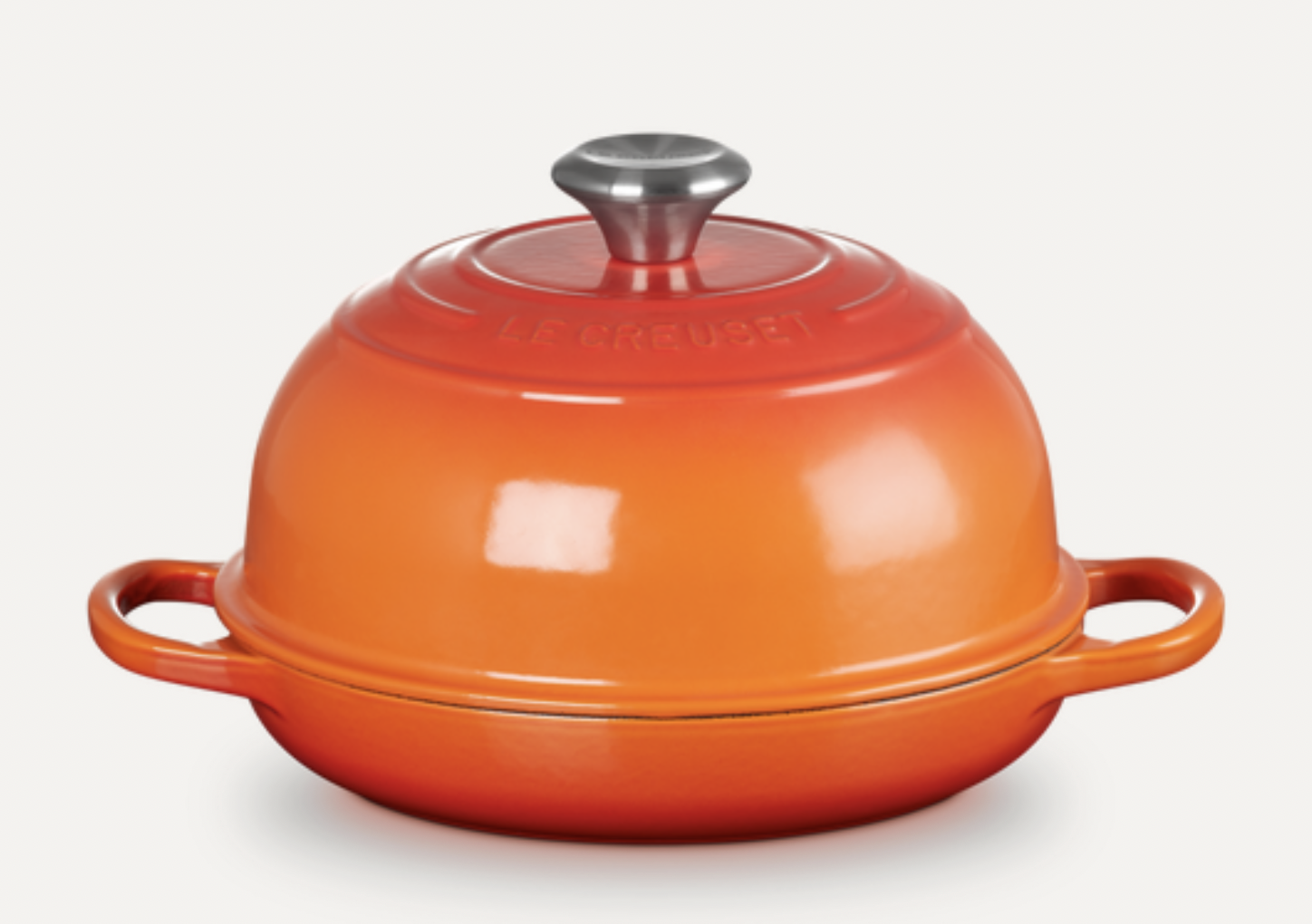
Recently Le Creuset introduced a Cast Iron Bread Oven. A great way to make bread at home. The oven is well designed, making it easy to transfer the dough to the pan. It has a domed lid, ergonomic handles and looks amazing. Typical Le Creuset quality.

On their website you’ll find several recipes, including one for sesame bread. It is made with 600 grams of wheat flour, 14 grams of salt (wow!) and 400 grams of water. The recipe is based on slow-rise fermentation. With only 1 gram of yeast in combination with 19+3 hours of rest, the yeast does a wonderful job. And kneading, as you would expect, is not required.

Le Creuset’s approach is slightly different from Jim Lahey’s, owner of Sullivan Street Bakery, New York, promotor of no-knead bread since 2006 and author of the excellent book My Bread.
After the first rise, Jim Lahey folds the dough four times, dusts it with flour and bran, transfers it to a cloth for 3 hours before transferring it to a hot pan, a step that requires some practice and skills.
Le Creuset folds the dough twice and then transfers it to a cold pan. Wait for 3 hours and then transfer the cold pan to the oven. This approach is clearly quicker and easier.
And the result? A beautiful, tasty bread with a crispy crust.

What You Need

  • 430 gram of Flour (we use 200 gram of Whole Grain Flour and 230 gram of All Purpose Flour)
  • 25 grams Blue Poppy Seed
  • 30 grams Brown Linseed
  • 1 gram of Instant Yeast
  • 4 grams of Salt
  • 355 grams of Water
  • Additional Flour
  • Bran

What You Do

We use a 20cm Le Creuset Casserole with a heat resistant knob. Make sure the pan is well coated. If not, coat with oil and kitchen paper before using.
Mix flour, yeast, seeds and salt. Add water and create one mixture. Let rest in a covered bowl for 19 hours. Dust your kitchen worktop with flour, remove the dough from the bowl, fold 4 times, dust the pan with a touch of flour and bran, transfer the dough to the pan, sprinkle some bran on the top of the dough and close the lid. Let rest in the pan for 3 hours. Heat your oven to 235˚ Celsius or 450˚ Fahrenheit. Transfer the pan to the oven and bake for 35 minutes. Remove the lid and bake for 10 to 15 minutes until it is nicely browned. Remove the bread from the pan and let cool on a wire rack for at least an hour before slicing it.

No-Knead Bread

Two or three times per week we enjoy the taste of fresh home-made bread. The crust, the flavours, the aromas! And how about the singing of the bread when it’s just out of the oven? Baking your own bread is such a pleasure.

Our recipe is based on a recipe published by Jim Lahey, owner of Sullivan Street Bakery, New York. It was published in the New York Times in 2006 and can also be found in his excellent book My Bread. The process is time consuming (it’s 24 hours from start to finish) but not labour intensive. It’s simple and straightforward with a great result. We truly love it.

The recipe is based on slow-rise fermentation. With only 1 gram of instant yeast in combination with 19+3 hours of rest the yeast will do a wonderful job. The dough will be perfect. And kneading, as you would expect, is not required.

Origin

In 1764 Elizabeth Moxon describes a no kneading bread recipe as shown in this nice instructive video.
Her recipe: To half a peck of flour, put a full jill of new yeast, and a little salt, make it with new milk (warmer than from the cow) first put the flour and barm together, then pour in the milk, make it a little stiffer than a seed-cake, dust it and your hands well with flour, pull it in little pieces, and mould it with flour very quick; put it in the dishes, and cover them with a warm cloth (if the weather requires it) and let them rise till they are half up, then set them in the oven, (not in the dishes, but turn them with tops down upon the peel;) when baked rasp them.
Interesting that she rasps the bread: she is not interested in the crust!

Jim Lahey

My Bread is such a wonderful book. The first chapters describe the background, the process and the basic recipe. In the next chapters you will find recipes for special bread, such as Fresh Corn Bread and Banana Leaf Rolls plus inspired recipes for Pizza Fungi and Focaccia.

My Bread is available via your local bookshop and the usual channels for something between 20 and 30 euro or US dollar.

What You Need

  • 200 grams of Whole Grain Flour
  • 230 grams of Plain White Flour
  • 1 gram Instant Yeast
  • 25 grams Blue Poppy Seed
  • 30 grams Brown Linseed
  • 4 grams Salt (this is less than usual, most recipes for bread would say 8 grams)
  • 350 grams Water
  • Additional Flour
  • Bran

What You Do

Simplest is to buy My Bread or look at the recipe and movie as provided by the New York Times.

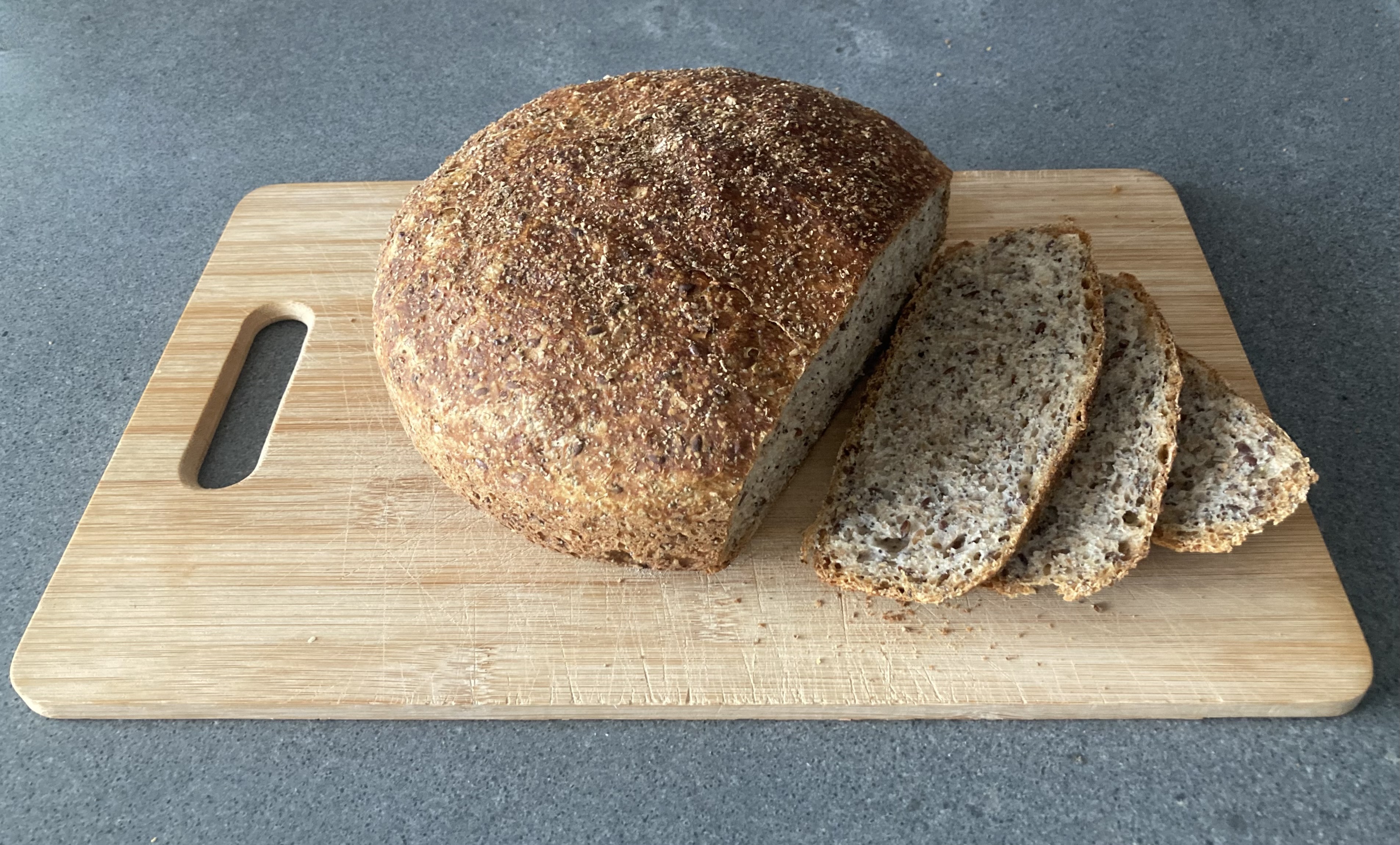
Mix flour, yeast, seeds and salt. Add water and create one mixture. Let rest in a covered bowl for 18 hours. Remove from bowl, fold 4 times, dust with additional flour and let rest on a towel dusted with flour and bran for 3 hours. Check that the pot (and the handles!) can be used in a really hot oven. Transfer the pot to the oven and heat your oven to 235˚ Celsius or 450˚ Fahrenheit. Put the dough, seam side up, in the pot, close it and bake for 30 minutes. Remove the lid and bake for 15 minutes or until it is nicely browned. Let cool on a wire rack for at least an hour before slicing it. Listen to your bread signing!

No-Knead Bread – UPDATE

Slow Rise Fermentation

A few months ago we shared a recipe of no-knead bread, based on the recipe courtesy of Jim Lahey, owner of Sullivan Street Bakery, New York. It was published in the New York Times in 2006 and can also be found in his book My Bread. It takes a bit of planning but preparing no-knead bread is simple and straightforward with a great result. We truly love it.
The recipe is based on slow rise fermentation. With only one gram of yeast in combination with 18+2 hours of rest, the yeast will do a wonderful job. The dough will be perfect. And kneading, as you would expect, is not required.

UPDATE – Talmière

Recently when enjoying the luxury of having a classic French bakery around the corner of our holiday apartment, we explored a range of beautiful French bread. One of these was the Talmière. It is enriched with various seeds, such as poppy seed, linseed, sunflower seeds and sesame seeds. Sometimes honey is added. The Talmière came with a beautiful crust and a rich taste. The bread is a bit compact compared to the usual Baguette or Tradition, probably as a result of the seeds in the dough.
We combined our ingredients with blue poppy seed and brown linseed.
Our best bread ever?

What You Need

  • 430 gram of Flour (we use 200 gram of Whole Grain Flour and 230 gram of Plain White Flour of French T65 Flour)
  • 25 gram Blue Poppy Seed
  • 30 gram Brown Linseed
  • 1 gram Instant Yeast
  • 4 gram Salt
  • 355 grams Water
  • Additional All Purpose Flour
  • Bran

What You Do

The easiest way is to read and follow the recipe and video as provided by the New York Times.
Or if you feel confident: mix flour, seeds, yeast and salt. Add water and create one mixture. Let rest in a bowl covered with foil for 18 hours. Dust your worktop with a generous amount of additional flour. Remove dough from bowl and fold 4 times. Let rest on a towel also generously dusted with flour and bran for 2 hours. Heat your oven to 230˚ Celsius or 450˚ Fahrenheit. Make sure the pot is also hot. We used a 20 cm Le Creuset Cast Iron Round Casserole. Put the dough, seam side up, in the pot, close it and bake for 30 minutes. Remove the lid and bake for 15 minutes until it is nicely browned. Let cool on a wire rack for at least an hour before slicing you no-knead with blue poppy seeds and brown linseed.