Beaujolais Primeur 2021

Beaujolais Primeur or Nouveau is made from the Gamay grape, using a technique called macération carbonique. The result is a fruity, light red wine, with little or no tannins. One that can’t be stored for too long. It was (and is) a very popular wine in many a French Bistro, served and enjoyed with lunch.

Over the years we became used to the idea of drinking the first French wine of the year and we started to pay more attention to the quality, only to notice that actually most of the primeur wines were thin, with a bit of acidity but without depth or length.

Today we will open a bottle of Jean-Paul Brun Terres Dorées Beaujolais L’Ancien Primeur 2021. Jean-Paul Brun is a serious and excellent producer of beautiful, tasty Beaujolais wines. We’re sure this primeur will be pure pleasure and a true indication of the quality of the Beaujolais wines this year.

Food Pairing

We will enjoy our Beaujolais Primeur with Confit the Canard and Roasted Seasonal Vegetables.

Beaujolais Primeur at The Art of Wines, Amsterdam ©cadwu

The Art of Sauces: Modern Tomato Sauce

We love a good sauce: it supports the flavours, it adds complexity to the dish and it brings components together. Orange sauce with duck, Béarnaise with beef, Sauce Mornay on a Croque Monsieur: the sauce is the key to the dish.

Marie-Antoine Carême (1784 – 1833) was the first chef to analyse sauces and create a classification. He identified four leading (mother) sauces and described how other sauces could be derived from these four. His four leading sauces are Espagnole (made with brown roux, roasted bones and brown stock), Velouté (white roux and light (veal) stock), Béchamel and Allemande (light roux with veal stock and thickened with egg yolks and cream). If for instance you want to make a Pepper Sauce, then you start by making a Sauce Espagnole.

Auguste Escoffier (1846 – 1935) refined the classification and replaced Sauce Allemande with Sauce Tomate as leading sauce. Later Hollandaise and Mayonnaise were added to the list of main sauces.

Sauce Tomate as prepared by Carême and Escoffier is very different from the sauce we use on pizza’s and pasta’s. It’s made with salted pork, veal stock, bones, various aromatic vegetables and of course tomatoes. Among the derived sauces are Sauce Portuguese and Sauce Provençal.
Next week we will share the Classic way of cooking Sauce Tomate in detail; today we share our modern (vegetarian) recipe.
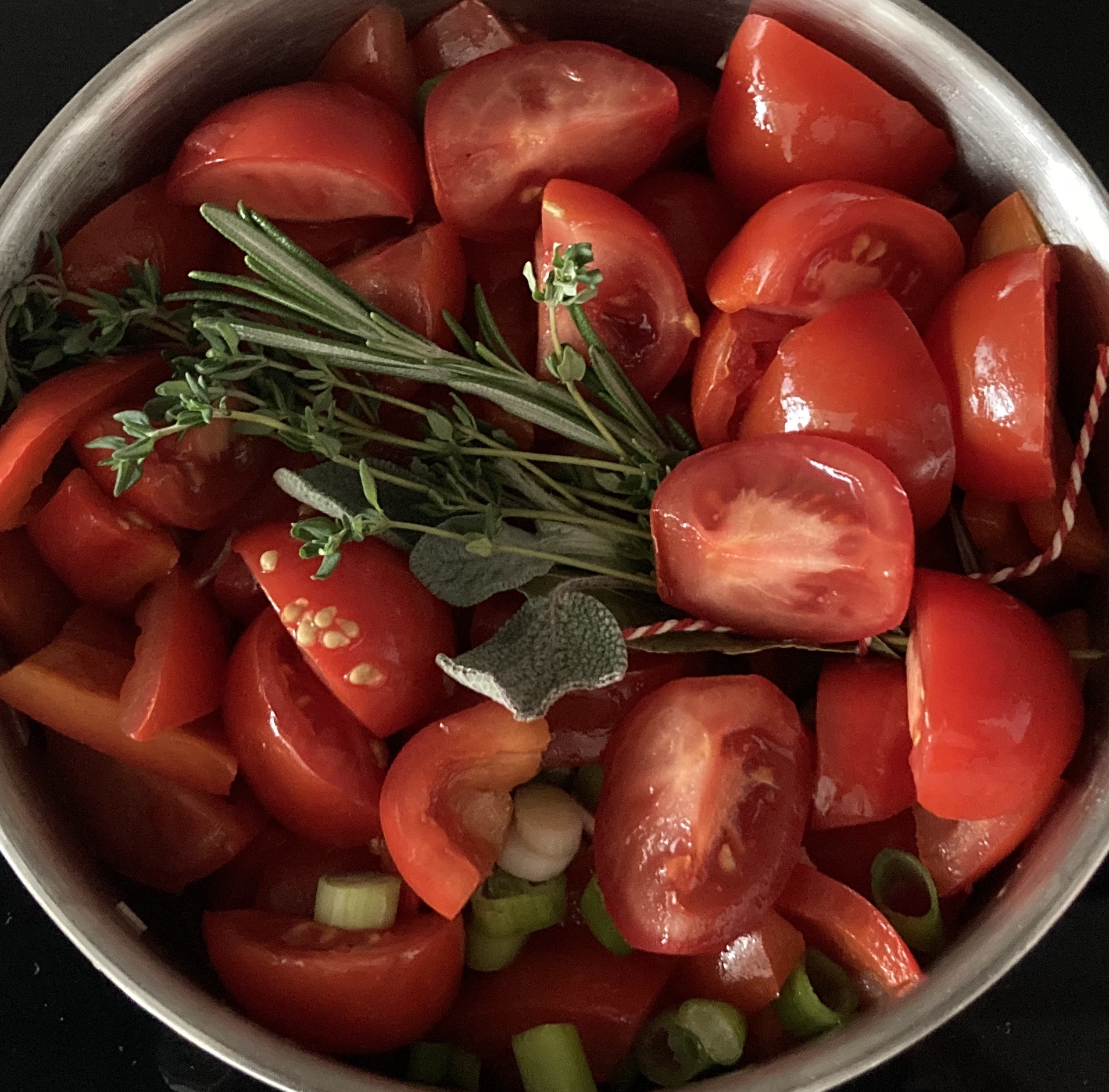
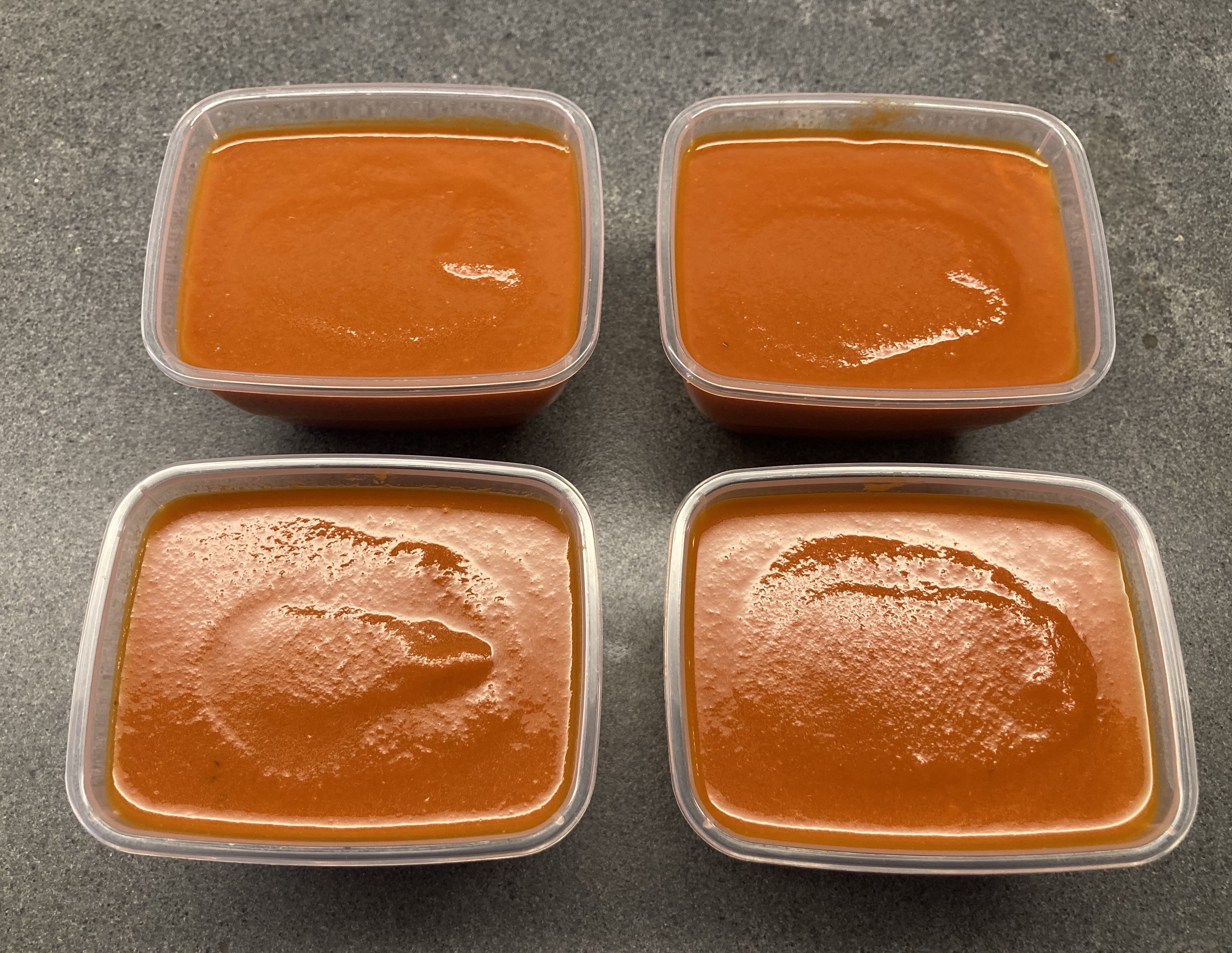
The sauce freezes very well, so ideal to make a nice quantity.

What You Need
  • 4 – 6 Excellent Ripe Tomatoes (depending on the size)
  • 1 Red Bell Pepper (preferably grilled and peeled)
  • ½ Chilli
  • 1 Onion
  • 1 Garlic Clove
  • Olive oil
  • 1 Glass of Red Wine
  • Bouquet Garni (Parsley, Thyme, Rosemary, Bay Leaf)
What You Do
  1. Wash the tomatoes and slice in chunks
  2. Peel the onion and chop
  3. Add olive oil to the pan and glaze the onion for 10 minutes or so
  4. Stir and add the sliced bell pepper and the sliced and seeded chilli
  5. Let cook on medium heat for 5 minutes or so
  6. Reduce heat
  7. Add the chopped garlic clove
  8. After 5 minutes or so add the sliced tomatoes, the red wine and the bouquet garni
  9. Leave for 2 hours minimum to simmer
  10. Remove the bouquet garni and blender the mixture
  11. Pass through a sieve and leave to simmer for another 2 hours
  12. Cool and transfer to the refrigerator or freezer.
PS Grilling a Bell Pepper
  1. slice the pepper in large slices
  2. Set your oven to grill or broil, put a sheet of aluminium foil on the baking tray, put the slices on the foil, skin up and transfer to the oven, as close to the grill as possible
  3. Wait for 10 minutes or until the skin is seriously burned
  4. Transfer the slices to a plastic container and close the lid.
  5. Wait for an hour
  6. Use your fingers and perhaps a knife to peel of the skin
  7. Store the bell pepper and the juices in the refrigerator
  8. The taste is deeper and sweeter compared to raw bell pepper.

Pâté with Mushrooms

Let’s celebrate the season by preparing a Pâté! The combination of a crispy crust, a structured, colourful filling and various flavours is always a pleasure. Making a pâté (or better: a Pâté en Croûte) can be a bit intimidating (especially if you look at the pâté’s prepared during the World Championship!) but that should not stop you from giving it a try. It’s a pleasure to think about the ingredients, work on the construction and enjoy the wonderful aromas from your oven while baking the pâté. And the joy when slicing it: is the pâté as beautiful as you expected it to be?
Feel free to make your own puff pastry, but if you buy ready-made pastry, please check it’s made with butter, flower, salt and water only and not with rapeseed oil, palm oil, yeast etcetera.

Wine Pairing

A red, medium bodied wine will be a great accompaniment of this Pâté en Croûte. In general you’re looking for a red wine with aromas of black fruit, floral notes and delicate wood. The tannins should be soft or well-integrated. We enjoyed a glass of Pinot Noir from La Cour Des Dames

What You Need

  • 150 grams of Cèpes
  • 250 grams of Champignon de Paris
  • 1 small Shallot
  • Handful of Spinach
  • Half a cup of Rice
  • Parmesan Cheese
  • Parsley
  • One Egg
  • Puff Pastry
  • Black Pepper

What You Do

Start by cooking some rice, you will probably need a tablespoon of cooked rice. Clean the cèpes and see how they best fit in the pâté baking mould. Perhaps you need to trim the stems or the caps to have the best result when it’s ready. Set the cèpes aside.
Clean the champignons and wash the spinach. Peel and finely chop the shallot. Warm a heavy iron skillet, glaze the shallot, add the cleaned and lengthwise halved mushrooms (and the leftovers of the cèpes) and cook them on medium heat for 10 minutes or so. In parallel blanch the spinach, drain and squeeze. Also in parallel, coat the mould first with baking paper and then with puff pastry. Make sure you have some extra pastry to create the lids for the chimneys. Chop the cooked mushrooms. Chop the spinach. Add the egg to a large bowl and whisk. Add the cooked mushrooms to the bowl, add some black pepper, chopped parsley and finely grated Parmesan Cheese. Add some spinach, just to have some extra colour. Add the rice. The rice will help absorb additional juices from the cèpes, so how much rice you need is a matter of looking at the mixture and the cèpes.

Now it’s time to build the pâté: start by creating a bottom with the mixture, position the cèpes and add the remainder of the mixture. Make sure the mixture envelops the mushrooms. Close the pâté with the pastry. Make two holes in the roof of the pâté and use baking paper to create 2 chimneys. Transfer to the oven (180 °C or 355 °F) for 45 minutes. Use the remainder of the puff pastry to make 4 mini cookies that will function as lid on the chimney (of course, you only need 2, but baking 4 allows you to choose the best). After 45 minutes add the 4 cookies, bake for another 10 minutes. Mix some egg yolk and coat the pâté and the cookies. Cook for another 5 to 10 minutes. The duration and temperatures very much depend on the shape of the mould and the pastry.

Transfer from the oven, remove the chimneys, glue the lids on the chimneys using some egg yolk and let cool. Once cool, remove from the mould, transfer to the refrigerator and wait until the next day. 

Japanese Pumpkin with Shrimps

The traditional Japanese way of preparing Kabocha (Japanese Pumpkin) requires a bit of work but is not overly complex. The result is a combination of delicate, fresh pumpkin flavours with clear umami as a result of simmering the pumpkin in a dashi-based stock. You could replace the Japanese Pumpkin with a more common winter squash or with a red Hokkaido pumpkin.

Combining shrimps and pumpkin seems a bit odd, but it’s actually very nice. The combination is colourful and the various flavours come together nicely, also thanks to the dashi.
The first time we enjoyed this combination was when we prepared Takiawase, following the recipe from author and Michelin Award winning chef Akira Oshima. The recipe is included in his book Yamazato, Kaiseki Recipes: Secrets of the Japanese Cuisine. It’s a mouth-watering dish but unfortunately fairly difficult to prepare. Typically, Takiawase is a combination of vegetables and fish. Every ingredient requires its own preparation and is simmered in its own dashi-based stock. Indeed: four different kinds of homemade stock. The recipe of Akira Oshima combines kabocha, eggplant, okra and shrimp.

Drink Pairing

We prefer a glass of sake with our Kabocha with Shrimps, for instance a Junmai sake with fresh aromas and good acidity. The sake must be dry and well-balanced with a clean finish. You could enjoy a glass of white wine with the dish, provided it’s dry and mineral. Or a more adventurous choice: a glass of Manzanilla or Fino sherry. Manzanilla is a dry sherry with a flowery bouquet, a delicate palate and subtle acidity. It works beautifully with the dashi and the sweetness of both the kabocha and the shrimps.

What You Need                                                                         

  • For the Dashi
    • 10 grams of Kelp
    • 10 grams of Katsuobushi
  • For the Kabocha
    • Mirin
    • Light Soy Sauce (Usukuchi)
    • Sake
  • For the Shrimps
    • Sake
    • (Olive) Oil
    • Mirin
    • Light Soy Sauce (Usukuchi)
  • Pickled Cucumber

What You Do

Start by preparing 500 ml of dashi.
Peel and devein the six shrimps. We prefer to leave the tail on. Transfer the shrimps to a bowl, add some sake and transfer to the refrigerator for a few hours.
Peel the Kabocha, remove the seeds. Halve and then slice in 6 equal parts. Combine 400 ml of dashi with 25 ml of mirin, 25 ml of light soy sauce and a tablespoon of sake. Add the slices of kabocha and let is simmer for some 10 minutes or until nearly done.
In parallel heat a heavy iron skillet, add oil, dry the shrimps with kitchen paper and then fry them quickly, let’s say 4 minutes. Transfer to a warm oven. Remove the oil from the pan with kitchen paper. Reduce the heat to low. Mix 50 ml of dashi with 25 ml of mirin and a small spoon of light soy sauce. Deglaze the pan and let the mixture reduce. Transfer the shrimps back the pan and coat them quickly with the mixture. Serve the slices of kabocha with the fried, coated shrimps and the pickled cucumber.

Salad of Cèpes and Smoked Duck

Both Salade Landaise and Salade Périgourdine combine cold ingredients (salad, tomatoes, green beans) and warm ingredients (lardons, confit of duck gizzards) with a dressing made of oil, mustard and (red wine) vinegar. Serve the salad with excellent bread and a glass of rosé and you will have a perfect lunch.
Our salad is perhaps a bit too subtle for a hearty lunch, but it does work very well as an additional starter.

Wine Pairing

Combining wine and salad is never obvious. In this case we need to consider the raspberry flavour, the umami from the cèpes and the duck plus the acidity of the dressing. We choose Domaine de Rimauresq Côtes de Provence Cru Classé rosé. A classic wine from the French Provence with grapes such as grenache noirmourvèdreugni blanc and rolle. The wine comes with delicate fruity, fresh flavours and aromas. It is very well balanced, dry and mouth filling and it combines beautifully with all aspects of the salad.
In general you’re looking for a rosé that has complexity and length, without being overpowering.

What You Need

  • Cèpes (Porcini, Penny Bun)
  • Corn Salad (Lamb Lettuce, Mâche)
  • Olive Oil
  • Raspberry Vinegar
  • White Wine Vinegar
  • Black Pepper
  • Smoked Duck Breast

What You Do

An hour before serving, transfer the slices of smoked duck breast from the refrigerator to a plate. The duck must be at room temperature. Clean the mushrooms and slice. Heat a large iron skillet and add olive oil. Fry the mushrooms and when coloured reduce the heat somewhat. In parallel make a dressing by combining excellent olive oil, white wine vinegar and raspberry vinegar. Taste and adjust. Perhaps some black pepper. Add the salad and toss. Add some of the smaller bits of mushroom and toss again. Quickly serve the salad, adding 2 or 3 slices of smoked duck per person plus the fried cèpes. 

Raspberry Vinegar

Many years ago, we had the pleasure of being regular guests at the Auberge des Seigneurs in Vence, France. In those days the restaurant offered a wide range of beautiful dishes from the days of King François I, such as blue trout, roasted chicken, quail with Pruneaux d’Agen and tender lamb cooked on a spit before an open fire in the dining room.
Ah, Madame Rodi, we treasure these evenings, the beautiful food, the local wine, your dog (known to regular guests as monsieur Tim) and your infinite hospitality. We also remember your wonderful Coca Cola Light, which you would serve after dinner. It came in a huge Biot bottle and to the surprise, astonishment, shock of most of your new guests it was everything but light. It was a strong grappa with Boutons de Fleur d’Oranger (orange blossom buds). We can still see the broad smile on your face when yet another guest would take too big a sip of your powerful concoction.

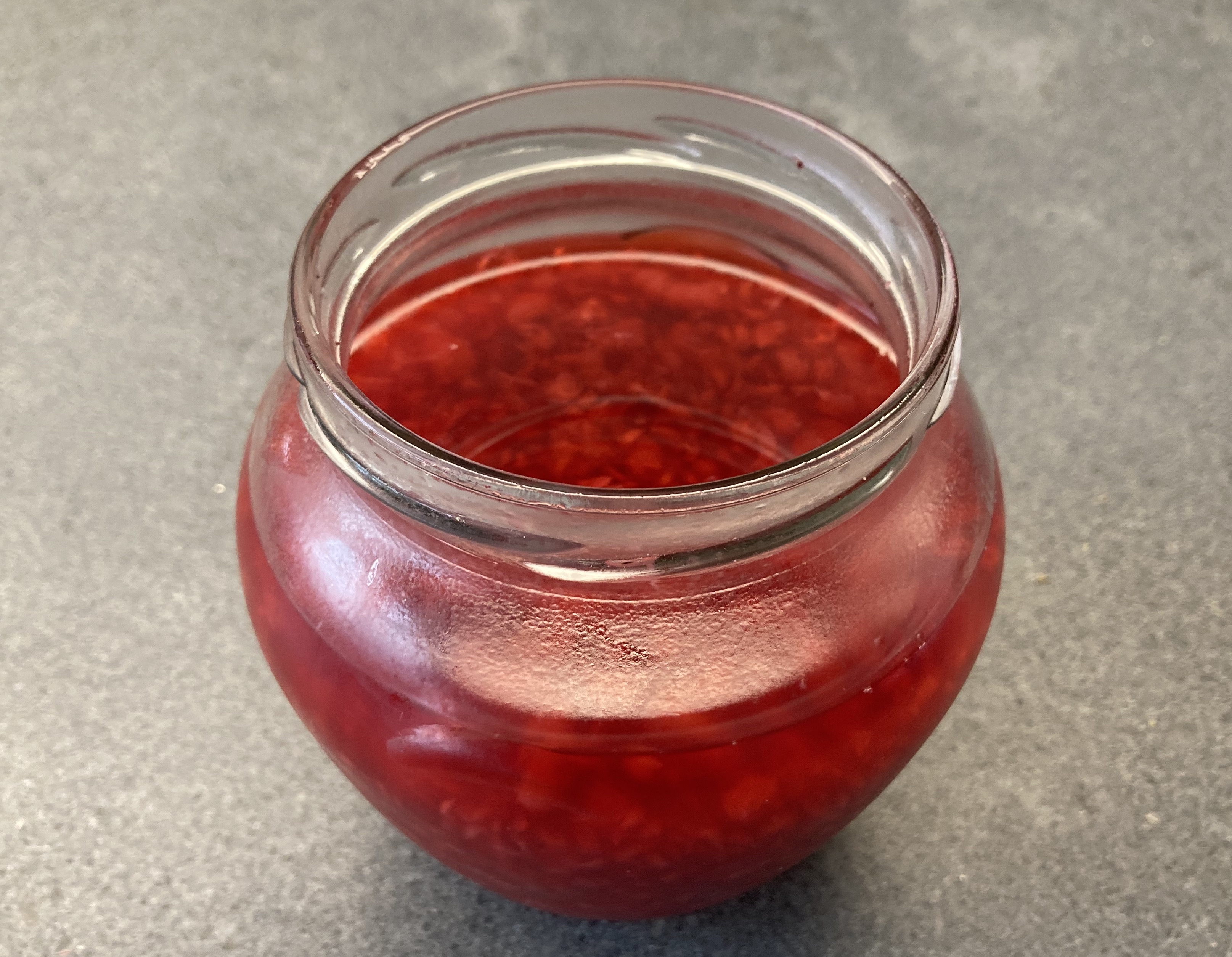
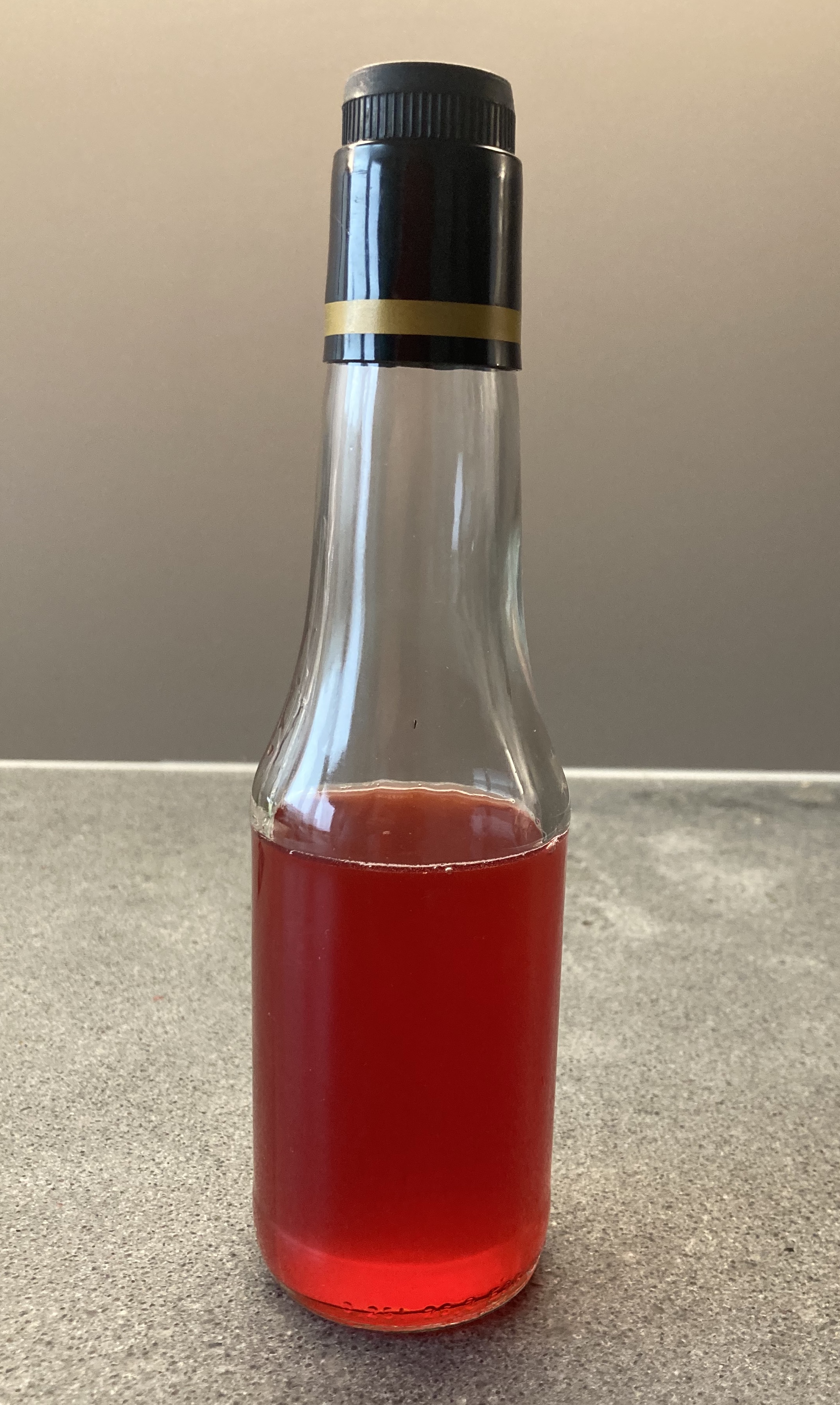
Adding fruit can be a disastrous idea (just think about strawberry tea or sole Picasso) but the touch of acidity of raspberries makes them ideal to combine with vinegar. We follow Madame Rodi’s approach when making raspberry vinegar: simply combine the two and enjoy.

Use the raspberry vinegar wisely, for instance combine it with strong flavours, preferably umami. We use it in our favourite autumn salad with Porcini and Smoked Duck. The colour, the aromas, the taste: the vinegar and the raspberries integrate perfectly.

What You Need

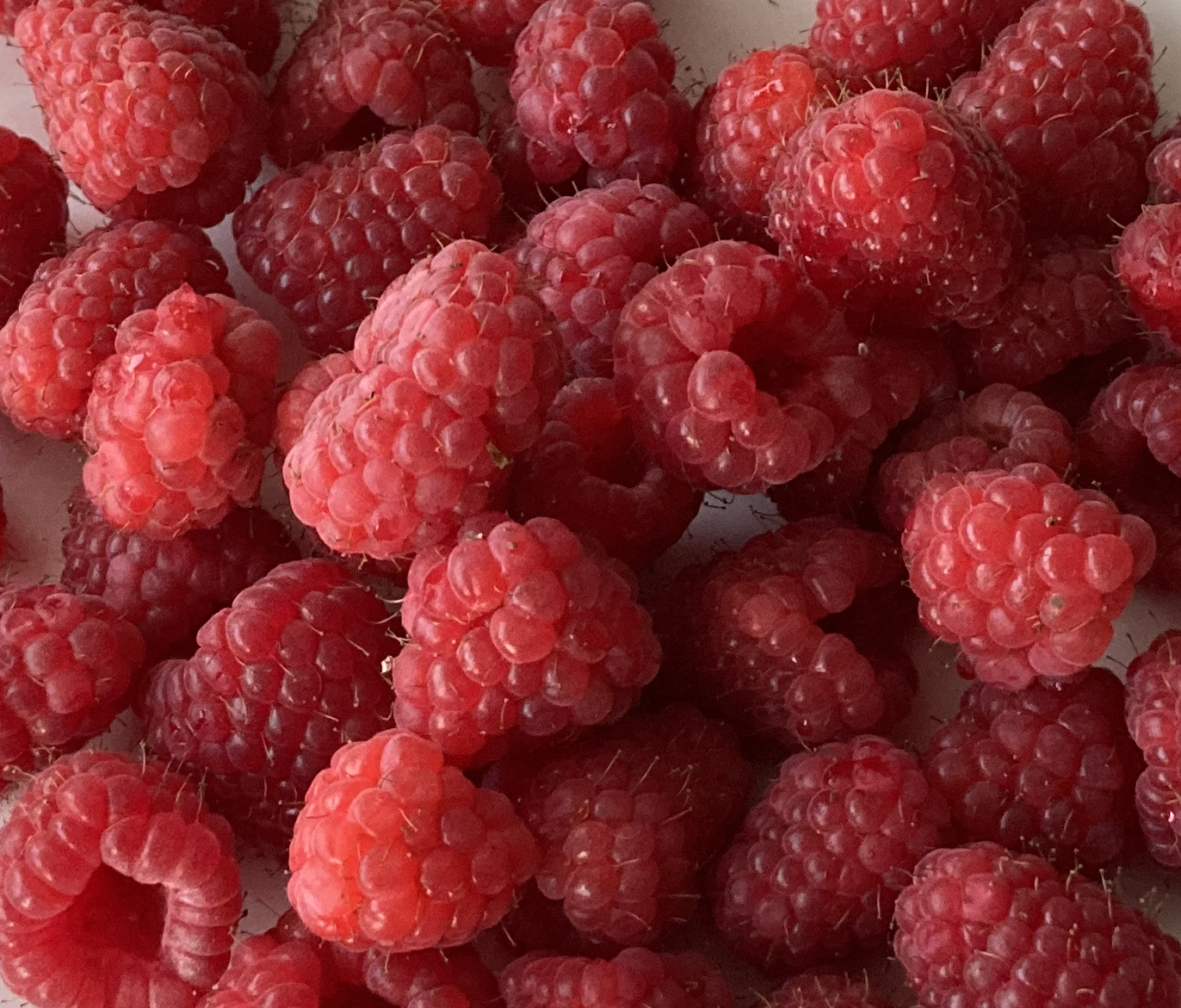
  • 250 grams of Excellent Organic Raspberries
  • 250 ml White Vinegar

What You Do

Clean the raspberries, crush them with a fork and combine with the vinegar. Put in a jar and transfer to the refrigerator for one week, making sure to stir at least once a day.
Pass the mixture through a sieve, applying light pressure only. Pass the vinegar through a white cloth, squeeze very gentle. The result is probably a bit cloudy, so leave for a few days before using.

Tomato Confit

A few years ago it was the obvious garnish to nearly every dish: oven roasted cherry tomatoes, preferably on the vine. It looks and tastes nice plus it is easy to make. Just heat your oven to 180 °C or 350 °F, add the tomatoes to a baking dish, sprinkle with salt, olive oil and 30 minutes later they’re ready to serve. When cold you can add them to a salad or a sandwich with soft cheese (mozzarella, burrata, ricotta). An alternative is to halve the tomatoes, sprinkle with salt and quickly roast and dry them in the oven. Another tasty result.

We prefer a slow alternative: Tomato Confit. The idea is that the skin doesn’t crack, so the tomatoes remain intact, and at the same time they absorb the flavours of the oil, herbs and garlic. The result is not just a great sweet and juicy tomato, it’s a taste explosion!

We use Tomato Confit to brighten up a simple pasta or salad, or a more complex dish like Lobster Mushroom with Udon.

What You Need

  • Excellent Cherry Tomatoes
  • Olive Oil
  • Rosemary
  • Thyme
  • 2 Garlic Gloves

What You Do

Wash and dry the tomatoes and add these to a baking dish. Chop the garlic. Add herbs, garlic and a generous amount of olive oil to the dish. No salt, honey or sugar required. Put in the oven for something like 2 hours on 90 °C or 200 °F. You could baste the tomatoes once or twice. Don’t forget to use the cooking liquid as well, it’s another pack of flavours!

  • Tomato Confit ©cadwu
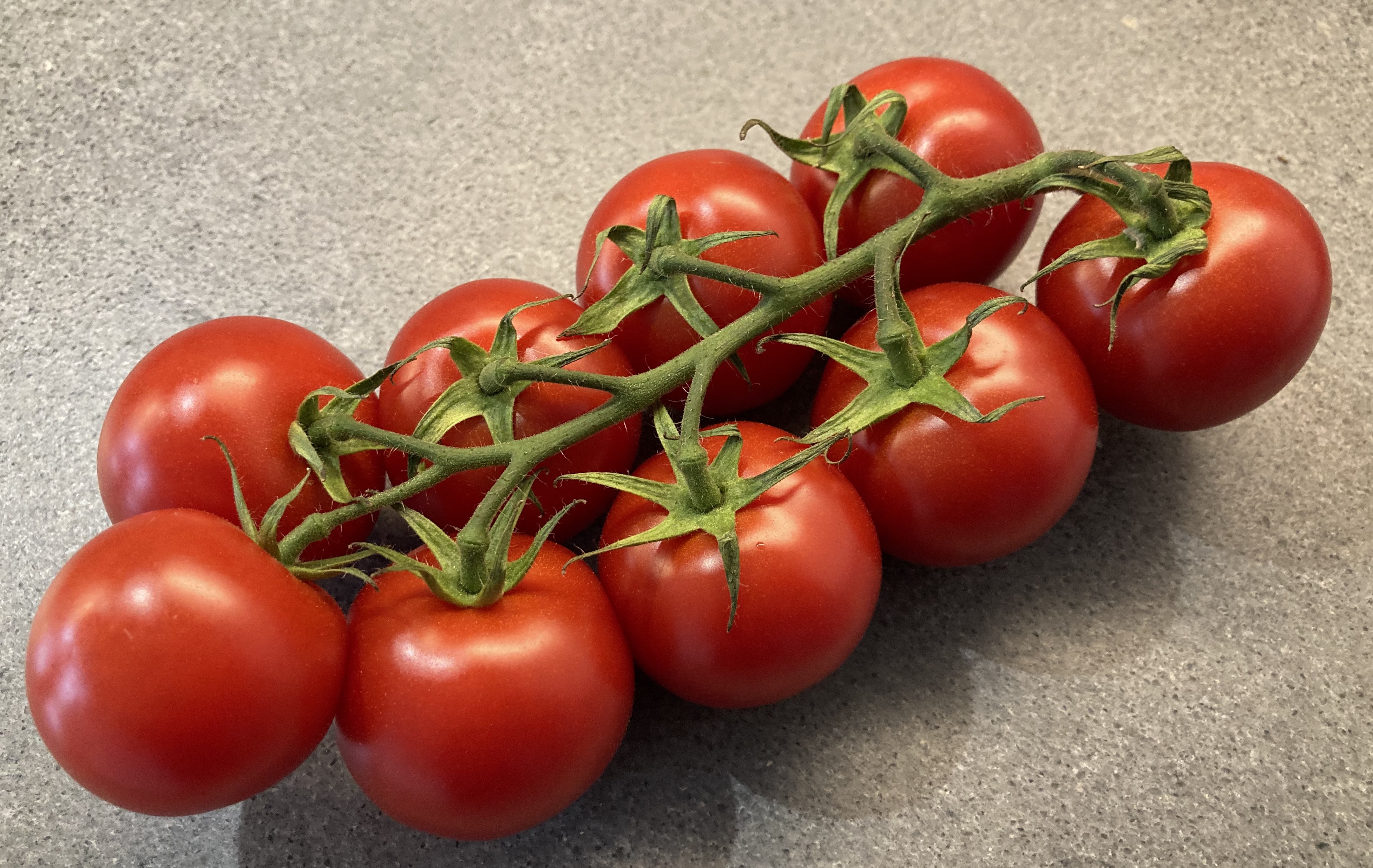
  • Fresh Tomatoes ©cadwu

Lobster Mushroom with Pasta

The Lobster Mushroom is, obviously, bright reddish orange like the shell of cooked lobster. Not obvious is the fact that it’s actually a parasite that grows on certain mushrooms, making the host completely invisible and even changing its structure and taste. If you slice a lobster mushroom, you’ll see a beautiful red skin, as if the host mushroom is sprayed.
The taste of the Lobster Mushroom depends on the host. The ones we bought tasted fairly bland, but nevertheless the pasta turned out to be very tasteful and uplifting, partly due to the homemade tomato confit.

Wine Pairing

Enjoy a glass of white wine with your Lobster Mushrooms. We drank a Portuguese Vinho Verde, made by Cazas Novas. It comes with floral and fruit notes, has some acidity and a medium body with a good texture and a fresh aftertaste. In general you’re looking for a wine with freshness, minerality and some acidity. A wine that will go well with the intense flavors of the tomato confit and the creamy mushroom pasta.

What You Need

  • 100 grams of Lobster Mushroom
  • Shallot
  • Garlic
  • Thyme
  • 1 Bunch of Udon
  • 10 Small Tomatoes (confit or roasted)
  • Stock (Chicken, Veal or Vegetable)
  • Parmesan Cheese
  • Olive Oil
  • Black Pepper

What You Do

Clean the Lobster Mushroom. This is a bit time consuming due to the structure of the mushroom. Slice the shallot and the garlic. Strip the leaves of the thyme. In a large iron skillet gently fry the shallot in olive oil until soft. Add the garlic. After a few minutes add the sliced lobster mushroom (chunks). Add the thyme. Leave on low heat. In parallel cook the udon for 10 minutes or until ready. Drain the udon but keep some of the cooking liquid. Add stock, just to have more liquid in the pan. Add the tomatoes, mix gently. Now add the udon to the pan, mix, making sure the tomatoes remain intact. Add cooking liquid to get the right consistency. Finish with a splash of excellent olive oil, black pepper and finely grated Parmesan Cheese.

  • Lobster Mushroom with Pasta ©cadwu
  • Lobster Mushroom ©cadwu

Cod and Horn of Plenty

The magic of a great combination: only two ingredients supported by butter, olive oil and white pepper. It made us think of James Tanner’s inspiring Take 5 Ingredients. Sometimes you need various cooking techniques and lots of ingredients. Sometimes the combination of only 5 ingredients is all you need to make a perfect dish.

Why perfect? Both the fish and the mushroom are clearly present and nicely balanced. As if the combination brings out the best of both. The butter supports the richness of the fish and the aromas are delicate. The texture of the cod is soft and a touch flaky; the Trompettes de la Mort have a more fibrous and chewy texture. Excellent mouthfeel!

Wine Pairing

You’re looking for a wine that has minerality, a touch of oak and has sufficient body and length, for instance a Chardonnay.
We enjoyed our Cod and Horn of Plenty with a glass of Chablis, Antonin Rodet, Premier Cru, Montmains. It has a clear and pale gold colour. It comes with mineral notes and a touch of lemon. The taste is delicate and persistent with aromas of fresh citrus. It goes very well with the ‘long’ taste of the dish and the citrus is ideal with the cod and butter.

What You Need

  • 150 grams of Cod
  • 100 grams of Horn of Plenty
  • Butter
  • Olive Oil
  • White Pepper

What You Do

Make sure the mushrooms are fresh and dry. They become soggy and smelly easily. Clean the mushrooms thoroughly with a piece of kitchen paper. This can be time consuming. You may want to cut the cod in two. Fry the cod in olive oil with some butter in a non-stick pan. In a second pan fry the mushrooms in olive oil. This may take 5 minutes or so. Transfer the mushrooms from the pan to a warm plate with kitchen paper. When the cod is ready, serve immediately on a warm plate with some white pepper and sprinkle the mushrooms on top.

  • Cod and Horn of Plenty ©cadwu
  • Horn of Plenty ©cadwu

Fleurs de Courgettes Farcie

Such a pleasure to see courgette flowers in your garden or at the greengrocers. The young courgette is firm and tasty; the flowers a beautiful yellow. Simply stuff the flowers, fry in a pan or cook in the oven and you have a great side dish or starter. And then you start wondering: ‘Stuff with what? Cheese? Salmon? Mushrooms? Tomatoes? Ricotta? Vegetable Mousse?’
Earlier we described a simple, tasty vegetarian version. This recipe requires a bit more work, but the result is delicious and beautiful. Crab and courgette go together very well; it’s a well balanced combination with surprisingly delicate flavors.

Wine Pairing

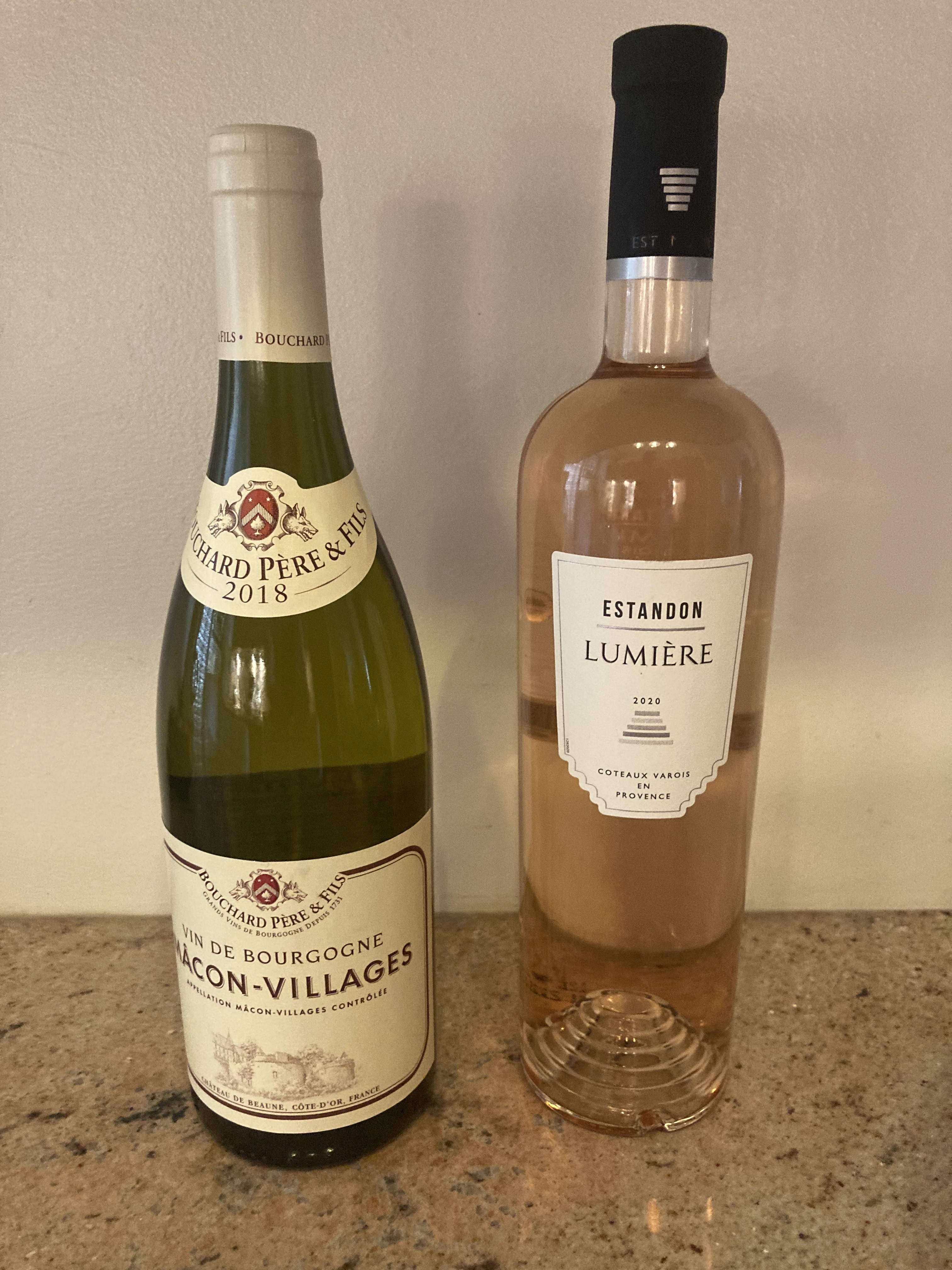
Obviously a nice glass of Côtes de Provence Rosé is an excellent choice. But you could also go for a white wine, for instance a Macon-Villages as produced by Bouchard Père & Fils. In general a subtle wine that goes well with the gentle flavors of both the crab and the courgette.

What You Need
  • One Courgette (small and firm)
  • One Garlic Clove
  • Olive Oil
  • Six Small Courgettes with their flower
  • Crab
  • Black Pepper
What You Do
  1. Wash the courgette, dry and grate coarsely
  2. Warm a small cooking pan, add olive oil and the grated courgette
  3. Fineley grate the garlic and mix with the courgette
  4. Leave for 20 minutes minimum on low heat
  5. When ready, set aside and let cool.
  6. Best is to use a leg of a fresh (littoral) crab, but you could also buy a can of most excellent crab
  7. If using fresh crab, heat a pan with water, bay leaf and crushed black pepper corns; cook the crab for 10 minutes, remove from the water, set aside until cooler and then remove the meat from the shell. Be sure to remove all shards of shell. Set aside and let cool.
  8. Remove the stamens from the flowers
  9. Remove the end of the small courgette
  10. Use a very sharp knife to slice the courgettes lengthwise in 3, making it look like a fan
  11. Heat water in a pan and poach the small courgettes (not the flowers!) for 60-90 seconds depending on the size
  12. Add some crab meat to the courgette mixture and taste
  13. Keep adding crab until you’ve reached the perfect combination (or the end of the crab)
  14. Add some black pepper
  15. Stuff the flowers
  16. Close them by slightly twisting the leaves of the flower
  17. Sprinkle with olive oil, making sure they are completely coated with oil
  18. Heat your oven to 200° C or 390° F
  19. Using the broiler is a good idea
  20. Transfer to the oven and cook for 10 minutes
  21. The flowers should be crisp and perhaps a touch golden
  22. Allow to cool for a few minutes before serving.