Mushroom Balls

We were asked to prepare a vegetarian main dish for a buffet style dinner. We immediately knew what we wanted to cook: mushroom balls and oven baked vegetables. Tasty and colourful. Could we make it gluten free? Which in this case means not adding breadcrumbs to the mushroom mixture, so we needed to think about an alternative. We tried well cooked rice, but that didn’t do the trick. Next idea was to blender the rice and make a very sticky paste. It did what we hoped it would do: the mushrooms balls are firm, but not dense. Great! Plus, they go very well with the vegetables!

Wine Pairing

We enjoyed a glass of French Malbec with the Mushroom Balls. In general you’re looking for a long, full bodied red wine, smooth, with hints of berries and ripe dark fruit.

What You Need
  • 25 grams of dried Porcini
  • 150 grams of fresh Mushrooms (Button Mushrooms, Shiitake)
  • 1 Shallot
  • 2 cloves of Garlic
  • 1 sprig of fresh Oregano
  • 2 sprigs of Thyme
  • 1 sprig of Rosemary
  • 1 sprig of Sage
  • 40 grams of Rice
  • ½ beaten Egg
  • Parmesan Cheese
  • Black Pepper
What You Do
  1. Boil the rice in water (with a pinch of salt) or in vegetable stock for 40 minutes. The rice should be thoroughly cooked.
  2. Soak the dried mushrooms in hot water for 30 minutes. Drain and check for sand.
  3. Chop the shallot and fry in oil until translucent.
  4. Clean the fresh mushrooms, chop, add to the pan and fry on a higher heat.
  5. When the mushrooms are somewhat fried, add the chopped garlic for five minutes. Be careful not to colour the garlic.
  6. Transfer the mixture to a bowl and allow to cool.
  7. Chop the soaked mushrooms. Add to the mixture.
  8. Use a kitchen knife to chop all herbs and then add these to the mixture.
  9. Blender half of the rice until it’s a sticky paste.
  10. Add remaining rice, paste and a relatively large amount of pepper to the mixture.
  11. Beat ½ egg and grate a generous amount of Parmesan Cheese.
  12. Add cheese and egg to the mixture.
  13. Pulse with a blender. The mixture should have granularity.
  14. Taste and add pepper and/or Parmesan if necessary.
  15. Allow the mixture to cool and transfer to the refrigerator.
  16. Preheat the oven to 180 °C or 355 °F.
  17. Use your hands to make balls, line a rack with baking paper and place the balls on the paper.
  18. Bake for 15-25 minutes until the balls are slightly coloured and firm.
  19. Allow to cool and leave for a few hours at room temperature.
  20. Preheat oven to 160 °C or 320 °F.
  21. Bake mixed, chopped vegetables (beetroot, parsnips, sweet potato, potato, butternut squash, parsley root, kohlrabi) by placing them in a large oven dish with plenty of olive oil and sprigs of rosemary, thyme, sage, marjoram in the oven for 20 minutes under aluminium foil at 160 °C or 320 °F and then 15-20 minutes at 180 °C or 355 °F without foil.
  22. Warm the mushroom balls in the oven in a separate oven dish.
  23. Combine just before serving.
  24. If gluten are okay, use half the rice (no need to make the sticky paste) and add breadcrumbs. The mixture will firmer and drier, so perhaps use 1 egg.
PS

This recipe is for two. The picture shows the result of the recipe times 2.

 
Mushroom Balls ©cadwu

Mushroom Season

So far this year’s mushroom season has been great with lots of delicious Cèpes, Bay Boletes, Birch Boletes and Chanterelles. This Saturday we bought a very tasty autumn Truffle and a day earlier we treated ourselves to Matsu Take. Such a special mushroom. We’re waiting for the Saffron Milk Cap, Spain’s favourite mushroom, and the Caesar’s mushroom, a mushroom much appreciated in Italy. 

Since it’s a great year for the Bay Bolete, we thought it would be nice to share some recipes with this mushroom. Its taste is similar to that of the Cèpes or Penny Bun. Perhaps more intense?

Pâté with Mushrooms ©cadwu

Pâté en Croûte

A few years ago we celebrated the mushroom season by preparing a Pâté with bay boletes. The combination of a crispy crust, a structured, colourful filling and various flavours is always a pleasure. It’s good fun to think about the ingredients, work on the construction and enjoy the wonderful aromas from your oven while baking the pâté. And the joy when slicing it: is the pâté as beautiful as you expected it to be?

A red, medium bodied wine will be a great accompaniment of this Pâté en Croûte. In general you’re looking for a red wine with aromas of black fruit, floral notes and delicate wood. The tannins should be soft or well-integrated. We enjoyed a glass of Pinot Noir from La Cour Des Dames

Bay Boletes with Veal and Sage ©cadwu

Sauce

Earlier this year we prepared a rich sauce with bay boletes, sage, mustard en crème fraîche. We served the sauce with excelltn veal rib eye and turnip cabbage. The turnip brings frsshness and lightness to the dish, creating a lovely balance.
A fruity, slightly chilled red wine will be great with the dish. We opened a bottle of German Spätburgunder from the Pfalz area. Some dark fruit, strawberries, touch of earthiness, not too complex. One that supported the flavours and aromas of the dish very well.

Guineafowl and Bay Bolete ©cadwu

Guineafowl

Bay boletes combine very well with guineafowl. The meat is leaner, somewhat darker and more flavourful compared to chicken. It is not difficult to prepare, but due to the low-fat content you must be careful not to overcook. In this recipe we use guineafowl supreme (the breast fillet with the skin on plus the wing bone), rosemary, thyme, pancetta and garlic.
Enjoy with a glass of Chiroubles, a cru from the Beaujolais, produced by Domaine Montangeron. The wine has floral notes, aromas of cherries and strawberries. Its colour is pale ruby. Rich, elegant and long. It brings freshness and fruitiness to the dish and is sufficiently complex to remain present when enjoying the guineafowl and the bay bolete.
In general you’re looking for a red wine with freshness, fruity aromas and complexity. Perhaps a Pinot Noir?

More recipes on our website dedicated to mushrooms.

Guineafowl and Bay Bolete

It seems to be a great year for the Bay Bolete! Earlier we wrote about this delicious mushroom and its name. The Bay Bolete is a fairly common mushroom and its flavour can be compared to that of the more expensive Cèpes or Porcini. It’s a bit more intense and especially when served with meat it is a culinary treat. We combined the Bay Bolete with guineafowl, rosemary, thyme, garlic and pancetta. Lots of flavours and aromas. An intense and great way to celebrate autumn.

Guineafowl meat is leaner, somewhat darker and more flavourful compared to chicken. It is not difficult to prepare, but due to the low-fat content you must be careful not to overcook. In this recipe we use guineafowl supreme (the breast fillet with the skin on plus the wing bone) which is perhaps the tastiest part of the guineafowl. 

Wine Pairing

We opened a bottle of Chiroubles, a cru from the Beaujolais, produced by Domaine Montangeron. The wine has floral notes and aromas of cherries and strawberries. Its colour is pale ruby. Rich, elegant and long. It brings freshness and fruitiness to the dish and is sufficiently complex to remain present when enjoying the guineafowl and the Bay Bolete.
In general you’re looking for a red wine with freshness, fruity aromas and complexity. Perhaps a Pinot Noir?

What You Need

  • 2 Guineafowl Supremes
  • Pancetta
  • Rosemary
  • Thyme
  • Olive Oil
  • 150 grams of Bay Bolete
  • One Garlic Clove

What You Do

Pre-heat your oven to 180 °C or 355 °F. Clean the mushrooms with kitchen paper. Put a sprig of thyme and rosemary on the meat side of the fillet and close it with two strings of red/white kitchen twine. Add some olive oil to an iron oven dish, add the guineafowl, meat side up, and cover with strips of pancetta (or bacon). Leave in the oven for 10-15 minutes depending on the size. Transfer the pancetta to the side of the pan, turn the meat and leave for another 10-15 minutes until done (and golden). The temperature of the meat should be minimum 70 °C or 160 °F. When the guineafowl is done, transfer from the oven, remove the kitchen twine and allow to rest for 10 minutes. Halve or quarter the mushrooms, chop the garlic very fine, fry the mushrooms in olive oil and add the garlic seconds before the mushrooms are ready. Add the mushroom mixture to the sizzling guineafowl juices in the pan and stir. Serve the guineafowl with the bay bolete on a warm plate.

History on Our Plate

A few years ago, we had the pleasure of attending a lecture by food historian and award winning author Peter G. Rose. She talked about America’s Dutch past and the influence of the Dutch settlers on today’s American food. She explained how the founders of New Netherland (currently the states of New York, Delaware, Connecticut and New Jersey) brought Dutch recipes, tools, herbs and fruit to the US. And she showed how the Dutch influence is still present in today’s food in the USA.

Recipes

In her book History on Our Plate (2019) she writes in more detail about this topic, also by providing various food and drink recipes from New Netherland (1609 – 1664). The recipes are based on publications like Een Notabel Boecxken van Cokeryen (a Notable Little Book of Cookery, 1514) and the 13th century publication Le Viandier de Taillevent. The recipes include both the original and a modern version, allowing you to recreate food from the 17th century. Fried cod with mace, waffles, mushroom fricassee, artichokes with a bread, cinnamon and wine sauce: they all sound amazing.

In her introduction she describes the joy of baking bread in a hearth, the fun (and challenges) of preparing food in her home fireplace and the candlelight dinners that follow. When reading the well written recipes, you sense that she (and her husband who is in charge of the fire) aims to let her readers enjoy the cooking and eating as much as they did.

Quiche or Clafoutis?

We were intrigued by a recipe for Mushroom Quiche without a Crust. It made us think of clafoutis. Replace the cherries by mushrooms, change the seasoning and you have a delicious vegetarian starter or main course. The recipe was first published in 1668 by Franciscus van Sterbeeck  in his book Tractaet van de Kampernoeljes, Genaamd Duivelsbrood (or Treatise of Mushrooms, named Devils’s Bread).
You’ll find a detailed recipe in History on Our Plate.

We enjoyed our Mushroom Quiche without a Crust (or should we say, Flaugnarde with Mushrooms?) with a glass of Rioja d’Oliva Gran Reserva, Altos d’Oliva, 2013. A full bodied, red wine with lots of character that worked really well with the mushrooms, the oregano, and the Gouda cheese.

Buy the Book!

History on Our Plate is available via the well-known channels and your local bookstore for approximately 15 euro or 10 US$.

Classic Cèpes

What better way to start the mushroom season than serving Classic Cèpes? The recipe is very simple and the result is about cèpes and cèpes alone. The stems a bit firm, the caps moist, the flavours intense and the taste rich and earthy, with a touch of freshness from the parsley. It’s a classic in Germany (Steinpilze auf klassische Art), France (similar to Cèpes a la Bordelaise), Italy and many other countries. 

Wine Pairing

If you want to enjoy the cèpes with a glass of white wine, then we suggest drinking one that is fresh, fruity, round and balanced, for instance of a glass of Bodegas Mocén Selección Especial made from verdejo grapes. A glass of rosé with similar flavours is also a good idea. The idea is to support the cèpes by adding fruitiness and freshness to the dish.

When you decide to drink a glass of red wine, then we suggest a full-bodied red wine with gently fruit and present tannins. 

What You Need

  • 200 gram Cèpes
  • Butter
  • One small Shallot
  • Parsley
  • Black Pepper

What You Do

Clean the mushrooms and slice lengthwise. Finely chop the shallot and the parsley. Add butter to a relatively hot heavy iron skillet. Reduce the heat and fry the cèpes for a few minutes. Add the shallot. Cook on medium heat for 2 minutes. Add chopped parsley, add more butter, black pepper and stir. Serve on a warm plate.

Mushroom Season

Hurray! The mushroom season has started! Last Saturday we bought delicious cèpes and chanterelles. Such a treat. It does of course mean that summer is over, which makes us a bit sad, but it also means the joy of eating wonderful dishes such as Cèpes à la Bordelaise or Salad with Mushrooms and smoked Duck (see below). Last year we prepared a Pâté with bay boletes, which was both beautiful and delicious. Will we be able to buy them this year? Or perhaps the intriguing Japanese Matsutake? It’s been some time since we last saw them on the market, and we would really love to make Matsutake with Spinach and Ginger again. How about Caesar’s mushroom with Udon?

Books

If you’re looking for useful mushroom recipes, then we suggest Antonio Carluccio’s The Quiet Hunt or Mushroom by Johnny Acton and Nick Sadler. Or look at our list of mushroom recipes.

Wine Pairing

Combining wine and salad is never obvious. In the case of a salad with mushrooms and duck we need to consider umami (mushrooms, duck), a touch of sweetness (smoked or cured meat) and the acidity of the dressing. We choose Domaine de Rimauresq Côtes de Provence Cru Classé rosé. A classic wine from the French Provence with grapes such as grenache noirmourvèdreugni blanc and rolle. The wine comes with delicate fruity, fresh flavours and aromas. It is very well balanced, dry and mouth filling and it combines beautifully with all aspects of the salad.
In general you’re looking for a white or rosé wine that has complexity and length, without being overpowering.

What You Need

  • 150 grams of Mushrooms (Cèpes preferred but also great with Oyster Mushrooms or a mix of Champignon de Paris, Shiitake and others)
  • Mesclun
  • Dried or Smoked Breast of Duck
  • Olive Oil
  • Vinegar (Red Wine, Jerez or Raspberry)

What You Do

Clean and slice the mushrooms. Heat a heavy iron skillet and fry the mushrooms in olive oil. Make a dressing of oil and vinegar. Toss the mesclun and the dressing. Transfer the salad to a plate, add mushrooms and finish with 3 or 5 slices of duck.

Earthly Delights

The Mushroom Book by Michael McLaughlin and Dorothy Reinhardt (Illustrator) is a lovely, small book with some 35 recipes and 60 very delightful full-colour wood-cut illustrations. Just look at the cover! It’s the kind of book that we bought because it looks good. A book you simply want to have.

Only later did we find out that it discusses the history and other interesting back ground information of various mushrooms, including information on choosing, storing and preparing them. The book offers an introduction to the joy of cooking with mushrooms such as button mushrooms, morels, oyster mushroom, truffle, trompette de la mort, chanterelle, shiitake, cèpes and huitlacoche, a Mexican mushroom that grows on corn.
Michael McLaughlin is also known as co-author of The Silver Palate Cookbook with recipes from Manhattan’s celebrated gourmet food shop.

Amongst our favourite recipes are Mushroom Tapenade and Raw Mushroom, Fennel and Provolone Salad.

The Mushroom Book was published in 1994. It’s available (in most cases second hand) via channels such as Amazon and e-Bay for something like 15 euro. Ii is an ideal and friendly introduction to the world of earthly delights. 

The Mushroom Book
The Mushroom Book

Salad of Cèpes and Smoked Duck

Both Salade Landaise and Salade Périgourdine combine cold ingredients (salad, tomatoes, green beans) and warm ingredients (lardons, confit of duck gizzards) with a dressing made of oil, mustard and (red wine) vinegar. Serve the salad with excellent bread and a glass of rosé and you will have a perfect lunch.
Our salad is perhaps a bit too subtle for a hearty lunch, but it does work very well as an additional starter.

Wine Pairing

Combining wine and salad is never obvious. In this case we need to consider the raspberry flavour, the umami from the cèpes and the duck plus the acidity of the dressing. We choose Domaine de Rimauresq Côtes de Provence Cru Classé rosé. A classic wine from the French Provence with grapes such as grenache noirmourvèdreugni blanc and rolle. The wine comes with delicate fruity, fresh flavours and aromas. It is very well balanced, dry and mouth filling and it combines beautifully with all aspects of the salad.
In general you’re looking for a rosé that has complexity and length, without being overpowering.

What You Need

  • Cèpes (Porcini, Penny Bun)
  • Corn Salad (Lamb Lettuce, Mâche)
  • Olive Oil
  • Raspberry Vinegar
  • White Wine Vinegar
  • Black Pepper
  • Smoked Duck Breast

What You Do

An hour before serving, transfer the slices of smoked duck breast from the refrigerator to a plate. The duck must be at room temperature. Clean the mushrooms and slice. Heat a large iron skillet and add olive oil. Fry the mushrooms and when coloured reduce the heat somewhat. In parallel make a dressing by combining excellent olive oil, white wine vinegar and raspberry vinegar. Taste and adjust. Perhaps some black pepper. Add the salad and toss. Add some of the smaller bits of mushroom and toss again. Quickly serve the salad, adding 2 or 3 slices of smoked duck per person plus the fried cèpes. 

Raspberry Vinegar

Many years ago, we had the pleasure of being regular guests at the Auberge des Seigneurs in Vence, France. In those days the restaurant offered a wide range of beautiful dishes from the days of King François I, such as blue trout, roasted chicken, quail with Pruneaux d’Agen and tender lamb cooked on a spit before an open fire in the dining room.
Ah, Madame Rodi, we treasure these evenings, the beautiful food, the local wine, your dog (known to regular guests as monsieur Tim) and your infinite hospitality. We also remember your wonderful Coca Cola Light, which you would serve after dinner. It came in a huge Biot bottle and to the surprise, astonishment, shock of most of your new guests it was everything but light. It was a strong grappa with Boutons de Fleur d’Oranger (orange blossom buds). We can still see the broad smile on your face when yet another guest would take too big a sip of your powerful concoction.

Adding fruit can be a disastrous idea (just think about strawberry tea or sole Picasso) but the touch of acidity of raspberries makes them ideal to combine with vinegar. We follow Madame Rodi’s approach when making raspberry vinegar: simply combine the two and enjoy.

Use the raspberry vinegar wisely, for instance combine it with strong flavours, preferably umami. We use it in our favourite autumn salad with Porcini and Smoked Duck. The colour, the aromas, the taste: the vinegar and the raspberries integrate perfectly.

What You Need

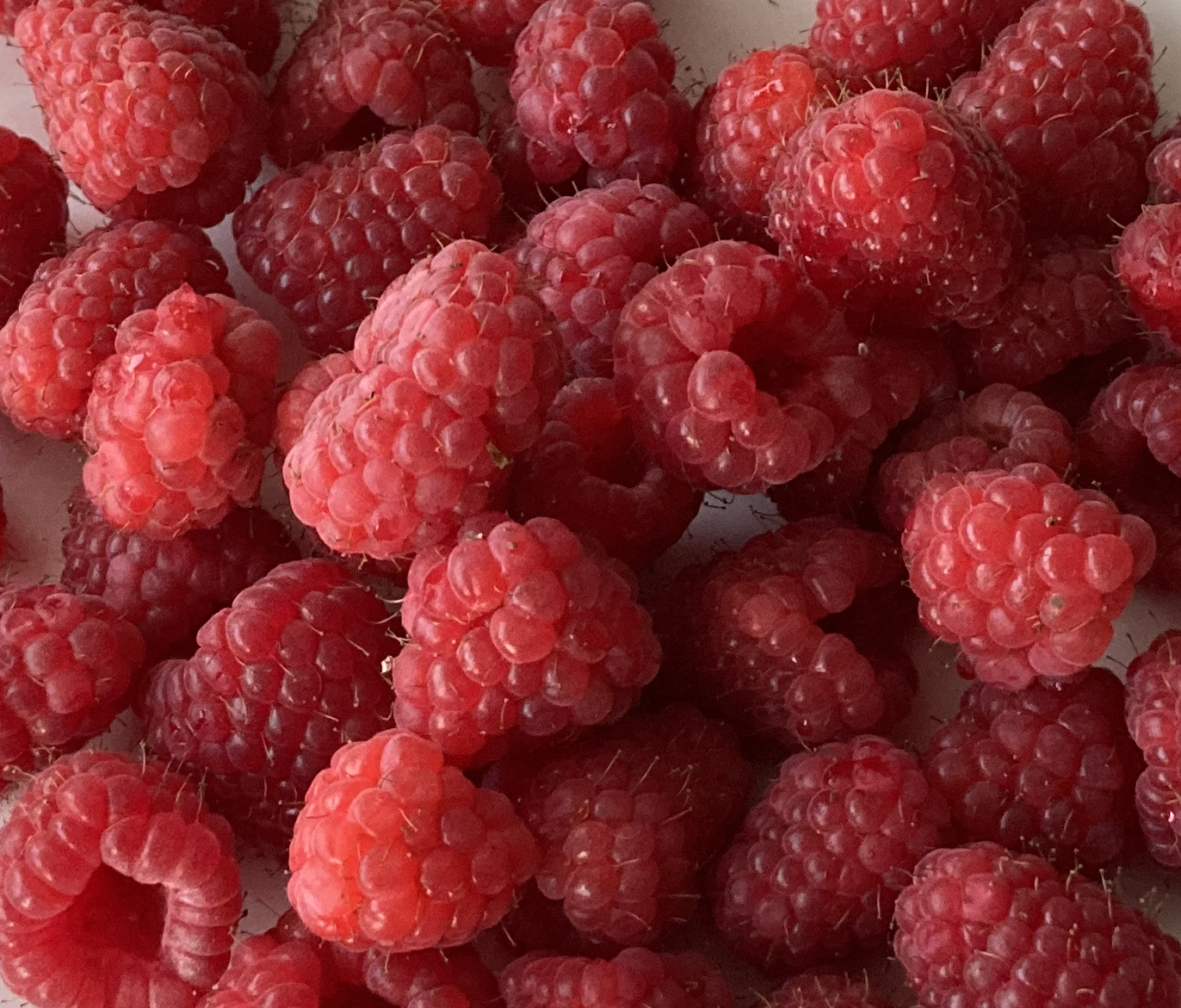
  • 250 grams of Excellent Organic Raspberries
  • 250 ml White Vinegar

What You Do

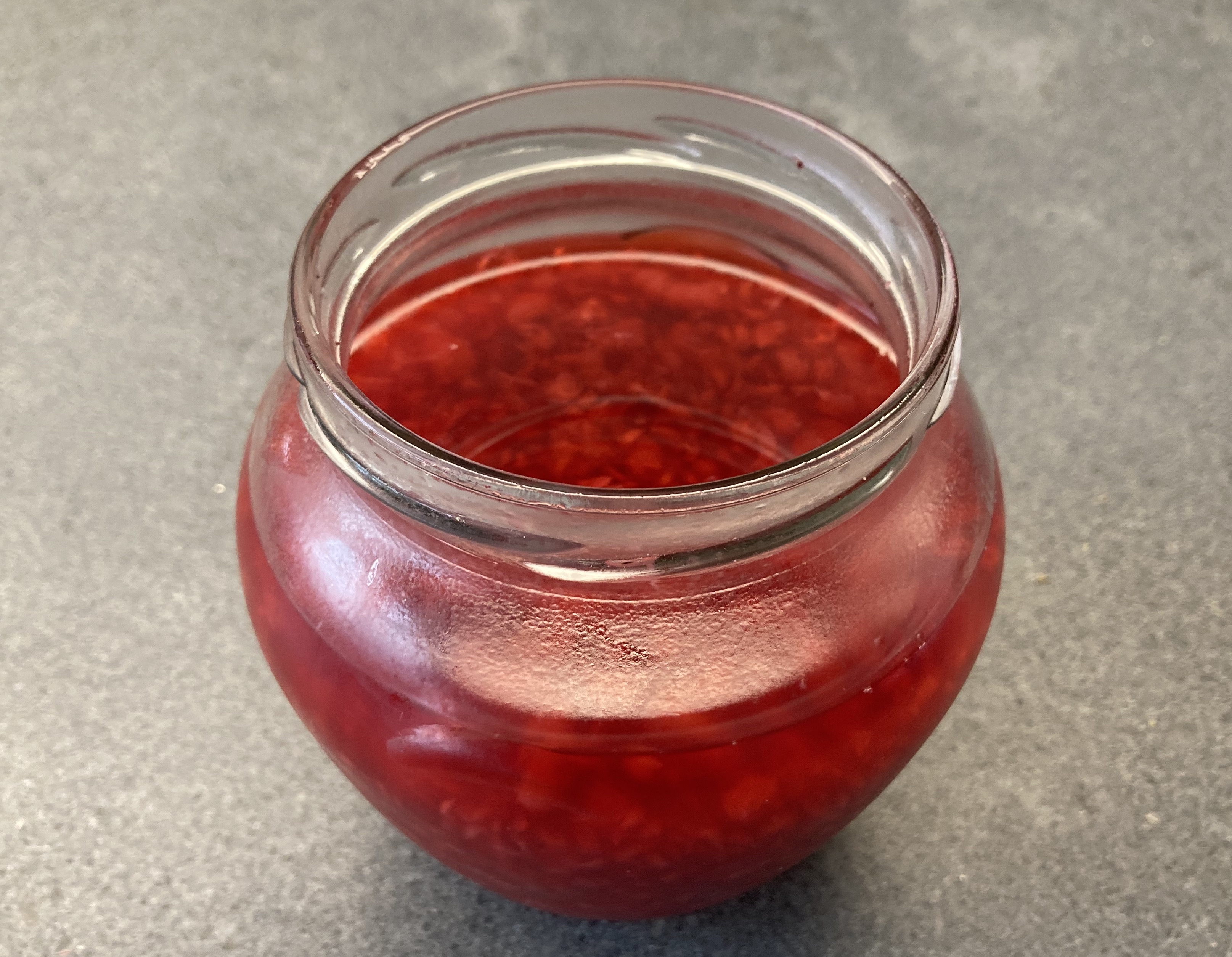
Clean the raspberries, crush them with a fork and combine with the vinegar. Put in a jar and transfer to the refrigerator for one week, making sure to stir at least once a day.
Pass the mixture through a sieve, applying light pressure only. Pass the vinegar through a white cloth, squeeze very gentle. The result is probably a bit cloudy, so leave for a few days before using.

Cèpes à la Bordelaise

Porcino, Steinpilz, Eekhoorntjesbrood, Cèpe de Bordeaux, Penny Bun, Seta (de) Calabaza, Herrenpilz: a diverse range of beautiful names referring to one of the tastiest and most common mushrooms (in Europe): the Boletus Edulis.

The French name refers to the city of Bordeaux and is linked to the classic dish Cèpes à la Bordelaise. It brings out the texture and the flavours perfectly. The standard ingredients of the dish are cèpes, (fresh of course, the dried version can’t be compared to the real, fresh mushroom), olive oil, pepper, shallot and parsley. Some people add breadcrumbs (which doesn’t add any flavour so forget about it).

The interesting aspect of the Bordelaise is that the caps and stalks are separated. The caps are cooked for some 15 minutes; the chopped stalks for 5 minutes. This is a really clever approach because the caps become very tasteful and moist, while the chopped stalks add volume and texture. The downside (we think) is that the shape of the mushroom is gone. That’s why we prefer to slice the mushroom vertically in six parts. Two slices of the side of the cap, two centres (stalk with cap) and two slices of stalk (to make the stalk-with-cap slices more even). We chop the last two slices.

Originally Cèpes à la Bordelaise is a starter, but we prefer to combine it, for instance with an omelet as a starter or with beef or fillet of deer as a main course.

Wine Pairing

This very much depends on how you serve your Cèpes à la Bordelaise. If served as a starter we could imagine a glass of Bordeaux (quelle surprise!). In general a full bodied red wine with gently fruit and present tannins will be a great choice.
With our omelet we drank a glass of Bodegas Mocén Selección Especial made from verdejo grapes. This Spanish wine has big aromas, for instance ripe tropical fruit. In the mouth it is fresh, fruity, round and balanced. Not too complex.
With our beef we enjoyed a classic Medoc: Château Moulin de Taffard with aromas and flavours of red fruit. It is well balanced, with rich, smooth tannins.

What You Need

  • For the Cèpes à la Bordelaise
    • 200 gram Cèpes (or 300 gram if you serve it as a starter)
    • Olive Oil
    • One Shallot
    • Parsley
    • Black Pepper
  • For the omelet
    • Two eggs
    • Parmesan Cheese
    • Butter
  • For the Beef
    • 150 gram of excellent Beef (we served Rib Eye)
    • Olive Oil

What You Do (Cèpes à la Bordelaise)

Clean the mushrooms and slice. Chop the remainder of the stalks. Chop the shallot and the parsley. Add olive oil to a relatively hot heavy iron skillet. Reduce the heat and fry the caps and centre slices of the mushrooms for 5 minutes. Turn and fry for another 5 minutes. Add the chopped stalks and the shallot. Cook on medium heat for 5 minutes. Stir gently, making sure the chopped stalks are nicely coloured. Add chopped parsley, stir and add fresh black pepper. Serve on a warm plate.

What You Do (Omelet)

Whisk the two eggs and add a bit of fresh Parmesan Cheese. Warm a very small heavy iron pan (or a non stick pan if that’s what you prefer) add the mixture and let it set on low heat. This could easily take 10-15 minutes. The omelet must be moist (baveuse) and the bottom may not be colored.
Quarter the omelet and serve with the Cèpes à la Bordelaise.

What You Do (Beef)

Transfer the beef from the refrigerator a few hours (not 30 minutes, that’s too short) before you start cooking. It’s important that the meat is at room temperature. Heat a heavy iron skillet, add olive oil and fry quickly. Let rest. Slice the beef and serve on top of the Cèpes à la Bordelaise.