Cod with Miso

Marinating is such an interesting way of preparing food. It can be used to make food (meat) softer, to add flavour or colour, it can be acidic, it can be enzymatic, sometimes it requires only a few minutes, sometimes it takes days.

One of our favourite recipes by Antonio Carlucci is a salad made with maitake, fresh scallops, crab and shrimps. It’s an amazing result, with lots of pleasant flavours, also thanks to the cilantro, dill and parsley. Part of the fun is that the scallops are not seared but prepared with a marinade of lemon, a process that takes a few minutes only.

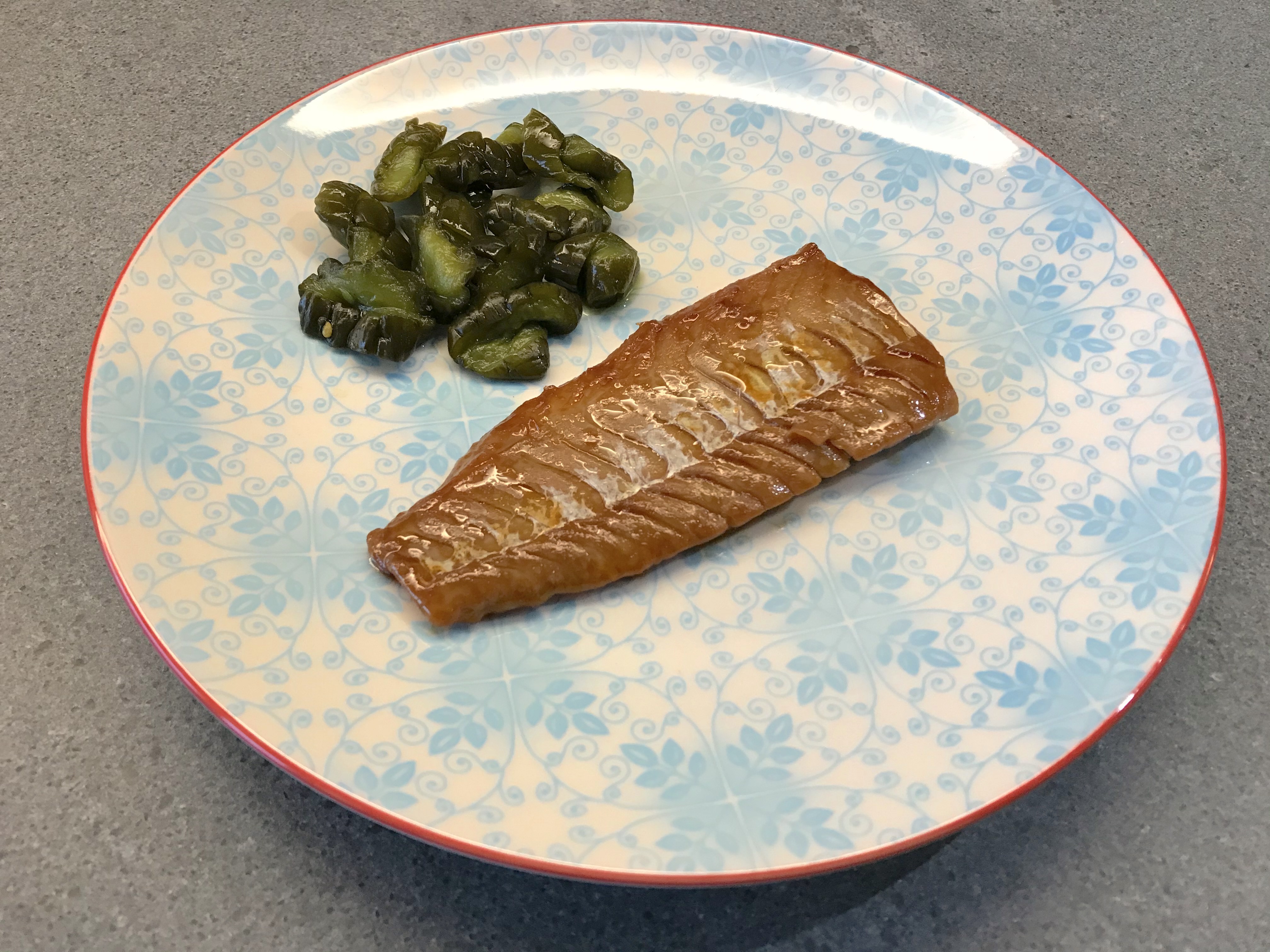
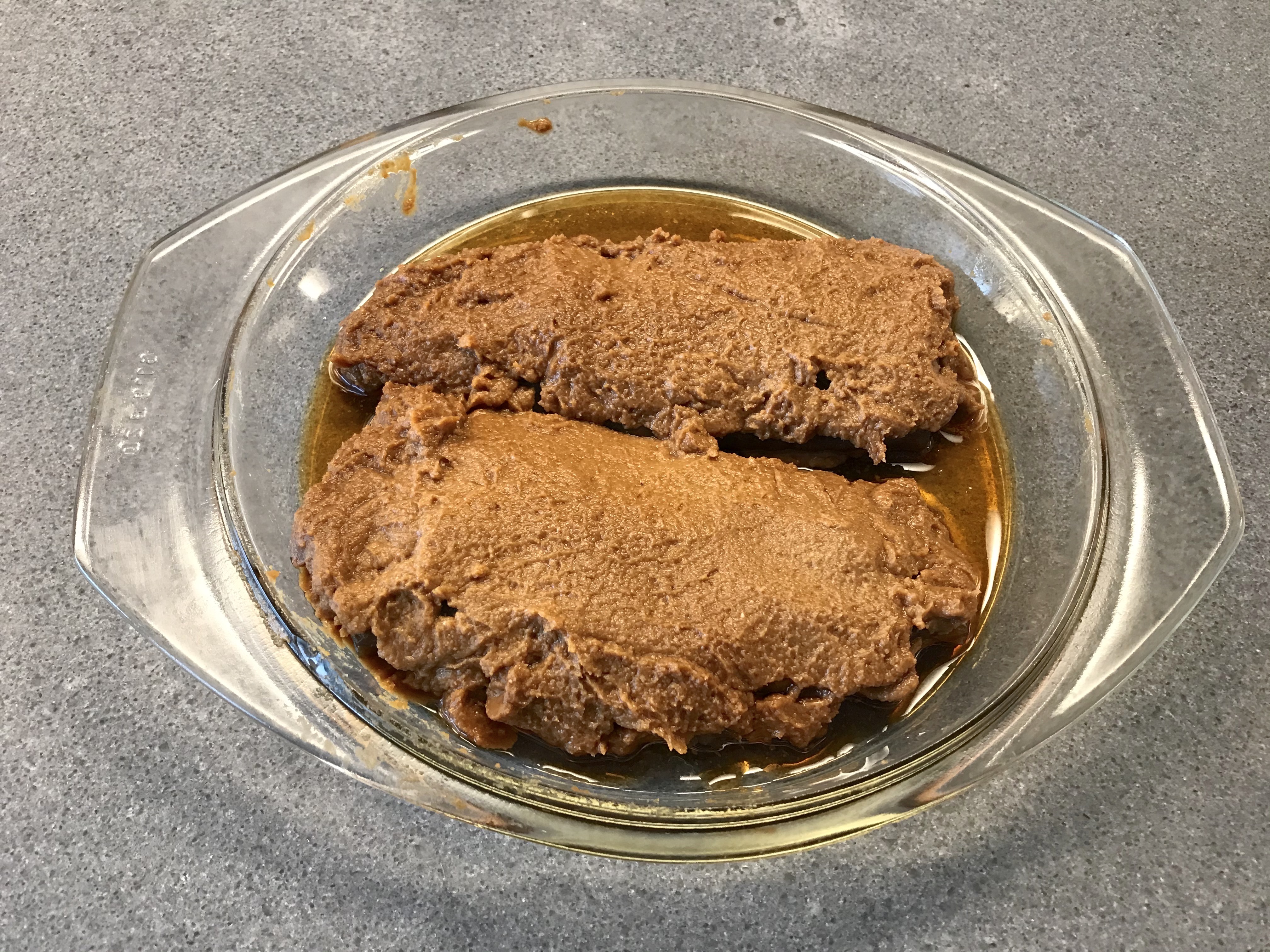
In this case we want to add flavour (and a bit of colour) to already very tasty cod. The duration depends on the shape of the fillet, in our case it was 30 minutes. You will taste delicious cod with a touch of umami and sweetness and you will smell the aromas of the marinade. The pickles will give the dish a crunchy and briny touch.

Wine Pairing

We enjoyed a glass of our favourite sake: Junmai Taru Sake as produced by Kiku-Masamune. The sake is matured in barrels made of the finest Yoshino cedar, which is reflected in its aroma and flavor. The sake will clear your palate and allow for the more intense taste of the marinated cod.

If you decide to pair the dish with a white wine, then we suggest an aromatic, fresh and fruity wine, with aromas of citrus and apple. The wine should be uplifting and juicy with a light character.

What You Need
  • Fillet of Cod
  • 1 tablespoon of Miso
  • 1 tablespoon of Mirin
  • ¼ tablespoon Soy Sauce (preferably with less salt)
  • ½ tablespoon of Rice Vinegar
  • 1 teaspoon of Mustard
  • 1 teaspoon of Sesame Oil
  • Pickled Cucumber
What You Do
  1. Combine miso, mirin, soy sauce, rice vinegar, sesame oil and mustard. Be careful with the soy sauce, you’re looking for a balanced mixture.
  2. Dry the cod and leave to marinate in the mixture for 30 minutes.
  3. Transfer the cod without excess marinade and fry in a warm pan until done.
    • The fish should be opaque and flaky. Its internal temperature 60 – 63 °C or 140 – 145 °F
    • The sugars in the marinade burn easily, so the pan shouldn’t be too warm.
  4. Serve on a warm plate with the pickles.
Variations

You can also prepare this dish with haddock (although it’s perhaps too delicate), ling or pollack.
If you want a spicier marinade, then add grated fresh ginger. Crushed cilantro seeds will add more depth to the taste.

Cod with Miso ©cadwu

Mushrooms and Miso

Shiitake is becoming more and more available. It has a unique flavour, savoury, meaty, earthy and it is rich in umami. The name is a combination of shii (a tree native to Japan and Korea, also known as the Japanese Chinquapin) and take (meaning mushroom, as in matsutake and maitake). The mushroom grows on decaying wood, not only on shii but also on other trees such as oaks and chestnuts. It’s fun to buy a shiitake log and grow your own mushrooms. 
In this dish we combine shiitake and oyster mushrooms. These two have very different structures, which adds value to the dish.

Wine Pairing

Enjoy your Mushrooms with Miso with a lightly oaked chardonnay. The oakiness of the wine will match well with the umami and miso flavours. The richness of the chardonnay will be very nice with the mushrooms.

What You Need
  • 100 grams Shiitake
  • 100 grams Oyster Mushrooms
  • Fresh Ginger
  • One Garlic Clove
  • One Scallion
  • Miso
  • Mirin
  • Soy Sauce (light)
  • Olive Oil
  • Black pepper
What You Do

Remove the stem of the shiitake, slice the caps and tear the oyster mushrooms. Fry in olive oil. Add thinly sliced white of the scallion. Add chopped garlic. Combine a teaspoon of miso with one tablespoon of mirin and one tablespoon of light soy sauce. If using thicker soy sauce, add some water. Mix and taste. It should be both salty and umami. Add some of the mixture to the mushroom. Coat the mushrooms with the miso mixture. Add more mixture if required. Be careful, you don’t want a sauce. When ready to serve add some black pepper, freshly grated ginger, the thinly sliced green of the scallion. Combine and serve. 

PS

Don’t throw the stems away! Simply add them to a pan with water, bring to a boil and leave to simmer for 30-60 minutes. Strain and store the broth. It freezes well.

Miso Sauce and Asparagus

Miso is made by combining soybeans, salt and koji, a fungus that is cultivated on rice. The fermentation process may take months. Additional ingredients include (brown) rice, barley or wheat. Originally from Japan, it is now used in many other countries. In general miso is intense, salty and deep. Expect lots of umami!
In this recipe we use white miso, because of its mildness, its delicacy and because it has some sweetness. Ideal for a sauce, marinade or dressing. Red miso combines well with oily fish and hearty vegetables.
More information about miso, the manufacturing process and how to use it (including recipes by chef Nobu Matsuhisa) on the website of Hikari Miso.
When buying miso we suggest to focus on organic miso and if possible a miso with less salt. Normally miso contains 12% salt.
A starter with miso and asparagus was not on our radar until we saw the menu of Restaurant Green in Amsterdam. One of their dishes combines white asparagus with miso, wild garlic, hazelnuts and yuzu. We planned to enjoy the very last white asparagus of the season in a classic way, but why not end the season with something completely new? Unfortunately, the season for wild garlic finished a few weeks ago, so we replaced this flavourful component with chives.

Wine Pairing

A Pinot Grigio will be perfect with this dish. Light, crisp, citrus and apple. We opened a bottle of Pinot grigio produced by Zenato. An affordable wine that combined very well with both the asparagus and the sauce.

What You Need
  • White Asparagus
  • Crushed Hazelnuts
  • Chives
  • For the Sauce
    • White Miso
    • Yuzu
    • Mirin
    • Light Soy Sauce (we used Tsuyu)
    • (optional) Rice Vinegar
    • (optional) Water
    • Potato Starch
What You Do

Clean and peel the asparagus. Steam them for 10-20 minutes, depending on the size. We use our Russel and Hobbs food steamer. An essential kitchen aid for only 50 euro or US dollar. Combine 2 teaspoons of white miso with a tablespoon of mirin, a tablespoon of tsuyu and a teaspoon of Yuzu. Gently warm the sauce and thicken with some potato starch until it is silky. Now it’s a matter of tasting and adjusting. Probably add more tsuyu; perhaps add some water and/or rice vinegar. Also taste the combination with the asparagus before serving. The asparagus make the sauce milder. Serve the asparagus with the sauce. Add crushed hazelnuts. Add chopped chives.

Miso Sauce and Asparagus ©cadwu

Red Mullet in Miso

It’s Tuesday morning and we are on our way to our favourite fish monger. No doubt we will be inspired by the fresh fish and seafood on offer. It all looks delicious and yummy, especially the red mullet looks wonderful. It’s such a beautiful fish; red, nearly crimson, with a lovely taste and a very delicate skin. There are actually two very similar kinds, the striped red mullet (rouget de roche) and the red mullet or goatfish (rouget de vase). Don’t worry too much, just go for it.

We will marinate the fillets in miso and then enjoy on Sunday evening as a starter. This technique is called Saikyo Yaki. Best to use is Saikyo miso which is a white, slightly sweet, low sodium miso from Kyoto. The marinated fish is grilled and served with pickled ginger. Originally a way to preserve the fish, it’s now much liked because of the umami and the intriguing combination of flavours and aromas.
We use a standard low sodium white miso and add a bit of sake. This makes the mixture easier to use and supports the flavour.

Sake Pairing

Best served with dry sake. We bought a bottle of  traditional Gekkeikan sake. This is a medium bodied, fresh sake with light floral aromas. In general you’re looking for a touch of acidity, freshness and not too much alcohol.

What You Need

  • Two Fillets of Red Mullet
  • White Miso (preferable with less salt)
  • Sake
  • Pickled Cucumber
  • Karashi (Japanese mustard, optional)

What You Do

Start five days in advance. Mix the white miso with sake, creating a thinner mixture. It must coat the fish for a few days, so don’t make it too thin. Put the fillets in a shallow plate and cover the fillets with the mixture making sure the fish is fully coated. Cover the plate with foil and transfer to the fridge. Check on a daily basis if the fish is still covered.
Using a small spoon carefully remove most of the miso. Rinse the fish with water and dry with kitchen paper. The white flesh should now be slightly orange. Heat a non-stick frying pan until warm, but not hot, through and through. If too hot, the fish will burn. We set our induction hob to 6 (where 9 is the maximum). Add a generous amount of olive oil. Fry the fillets on the skin side and try to keep the fish moving. This way the delicate skin will remain in tact. Turn and fry the meat side, also for 1 or 2 minutes. Serve on a warm plate with pickles and perhaps karashi.

Halibut Marinated in White Miso

Saikyo Yaki

Grilling is an art in its own right in Japan. A simple way is Shioyaki: the fish is salted, left to chill overnight and grilled the next day. An essential element of a Japanese breakfast, together with pickled plums (Umeboshi),  sweet yet savoury omelet (Tamagoyaki), rice, a bowl of miso soup and green tea. As you can imagine a traditional Japanese breakfast is rather nutritious and packed with flavours.

A well known grilling method is Teriyaki: the fish is marinated in a combination of soy sauce, mirin and sake for a few hours and then grilled, with the fish dipped in the sauce several times during the grilling process.

Another way is Saikyo Yaki: the fish is marinated in Saikyo miso for 5 days and then grilled. Saikyo miso is a white, slightly sweet, low sodium miso from Kyoto. The marinated and grilled fish is served with pickled ginger. Originally a way to preserve the fish, it’s now much liked because of the umami and the intriguing combination of flavours and aromas.

Sake Pairing

Best served with dry sake. We prefer Junmai Taru Sake as produced by Kiku-Masamune. The sake is matured in barrels made of the finest Yoshino cedar. The aroma has indeed clear hints of cedar. The sake will clear your palate and allow for a more intense taste of the marinated halibut.

What You Need

  • Two slices of fresh halibut (thin is best)
  • White Miso (preferable with less salt)
  • Pickled Ginger or Cucumber
  • Karashi (Japanese mustard)

What You Do

Start four or five days in advance. Coat the halibut with miso making sure the halibut is fully coated. Cover with foil and transfer to the fridge. Check on a daily basis if the fish is still covered.
Using a small spoon carefully remove most of the miso. Rinse the halibut with water and dry with kitchen paper. The white flesh should now be slightly orange. Heat a non sticky pan until warm, but not hot, through and through. If too hot, the fish will burn. We set our induction hob to 6 (where 9 is the maximum). Add a bit of olive oil and then fry the fish for 2*2 minutes. Serve on a warm plate with pickles and karashi.


Haddock Marinated in Miso

Saikyo Yaki

The original recipe is from Kyoto and combines fresh fish with Saikyo miso. This is a white, slightly sweet, low sodium miso. The fish is marinated in miso and then grilled and served with pickled ginger. Lots of umami of course and the intriguing combination of miso and fish. Nowadays salmon is often used when preparing this popular dish.

Our approach is slightly different. We use white fish (haddock preferred, but rouget, halibut or cod are also fine) and marinate it in red miso for four or five days. The flesh will become beautiful deep red and the miso will gently flavour the fish, without overwhelming it. It’s not a subtle starter but the taste is great especially when combined with pickled cucumber and karashi (Japanese mustard). 

Sake Pairing

Best served with a dry sake. We prefer Junmai Taru Sake as produced by Kiku-Masamune. This fine sake is matured in barrels made of the finest Yoshino cedar. The aroma has indeed clear hints of cedar. The sake will clear your palate and allow for a more intense taste of the marinated haddock.

What You Need

  • Two slices of Haddock (thin is best)
  • Red Miso (preferable with less salt)
  • Cucumber Pickles
  • Karashi

What You Do

Start four or five days in advance. Fully coat the haddock with miso. Cover the dish with foil and transfer to the fridge. Check on a daily basis if the fish is still fully coated.
Using a small spoon carefully remove most of the miso. Rinse the haddock with water and dry it with kitchen paper. The white flesh should now be red. Heat a non sticky pan until warm, but not hot, through and through. If too hot, the fish will burn. We set our induction hob to 6 (where 9 is the maximum). Add a bit of olive oil and then fry the fish for 2*2 minutes. Serve on a warm plate with pickles and karashi.

Kimchi Soup

Kimchi Soup

A very tasty soup, nice as a starter to your Korean evening or as a quick and nourishing lunch. Kimchi soup can be made with pork belly or with tofu. We prefer the vegetarian option.
It’s not difficult to prepare kimchi from scratch (see below) but you can also buy kimchi from your local Korean shop.

Here is what you need (soup)

  • Kimchi
  • Onion
  • Garlic clove
  • Spring onion
  • Soybean paste (Korean Doenjang or Japanese Miso)
  • Red chili paste (Korean Gochujang)
  • Fish sauce
  • Tofu

Start by chopping the onion, the garlic and the spring onion. Keep some spring onion for decoration. Fry the garlic and onions in some oil. Add the soybean paste, the red chili paste and the chopped kimchi. Stir fry the mixture because this will enhance the flavours. Add water and leave for 15 minutes. Taste the soup and add fish sauce, soybean paste or red chili paste to your taste. Leave to simmer for another 15 minutes. Then add chunks of tofu and allow to simmer for another 5 minutes. Decorate with spring onion.

Kimchi background

Hipster food or the traditional Korean way of preserving cabbage? The latter of course. But we must admit, all the foodie-talk about Kimchi inspired us to join a workshop at Mediamatic in Amsterdam. Marrit Kuyng Ok Schakel ran an excellent workshop and not only did she share her passion for Korean food and Kimchi, she also showed us how to make our own Kimchi using white cabbage.

Making Kimchi is all about fermentation: a controlled biological process to change ingredients into food that can be preserved. Fermentation is at the heart of our food production. Beer, cheese, wine, bread, yoghurt, tea, coffee, classic Dutch haring et cetera: fermentation is an essential aspect.


Here is what you need (kimchi)

  • Chinese Cabbage
  • Salt
  • Garlic
  • Ginger
  • Red chili paste (Korean Gochujang)
  • Fish sauce
  • Spring Onion

The quickest way to make kimchi is by thinly slicing the cabbage, add salt, grated ginger, sliced garlic, red chili paste and fish sauce. The preparation is simple: just mix with your hands (do so for 5 minutes) store in a jar and wait for 5 – 10 days. The fermentation will produce some carbon dioxide so make sure to open the jar on a daily basis. The smell could be rather powerful in the beginning. In this case the amount of salt required depends on how much fish sauce was used. We suggest tasting the mixture and expect between 1% and 2%.

The better way to make kimchi? Slice the cabbage, starting at the bottom, but not completely. Tear the halves apart. Leave the cabbage in water with salt (5% is recommended) for 1-2 hours. Remove the cabbage, wash with cold water and taste if not too salty. If so, wah a bit more. Make a mixture of red chili paste, fish sauce, garlic and ginger. Using your hands, gently work the paste into the cabbage until all leaves are thoroughly coated. Move to a jar and leave to ferment

Also try making kimchi with Daikon, White Cabbage or Pak Choi. We will continue the experiment by using chicory.