Your Favourites in 2025

In 2025 the most popular recipe was Scallops with Roe. We were inspired by the great quality of the scallops on the market in Nice and we were not disappointed. The combination of scallops, roe and mashed potatoes is simple and delicious.

This year’s runner up is an all time favorite: Kimizu. This classic, golden sauce from Japan, is made with egg yolks, rice vinegar, water and mirin. We also made a version with tarragon, let’s say the Béarnaise version of Kimizu. Although it is a classic sauce, we use a microwave to prepare Kimizu and Kimizu with Tarragon. An easy and very effective way of controlling temperature and consistency.

Number three was another classic sauce: Ravigote. We served it with Pâté de Tête Persillé and crusted bread. The recipe we posted goes back to the more or less original version. The Ravigote is light, uplifting and flavorful.

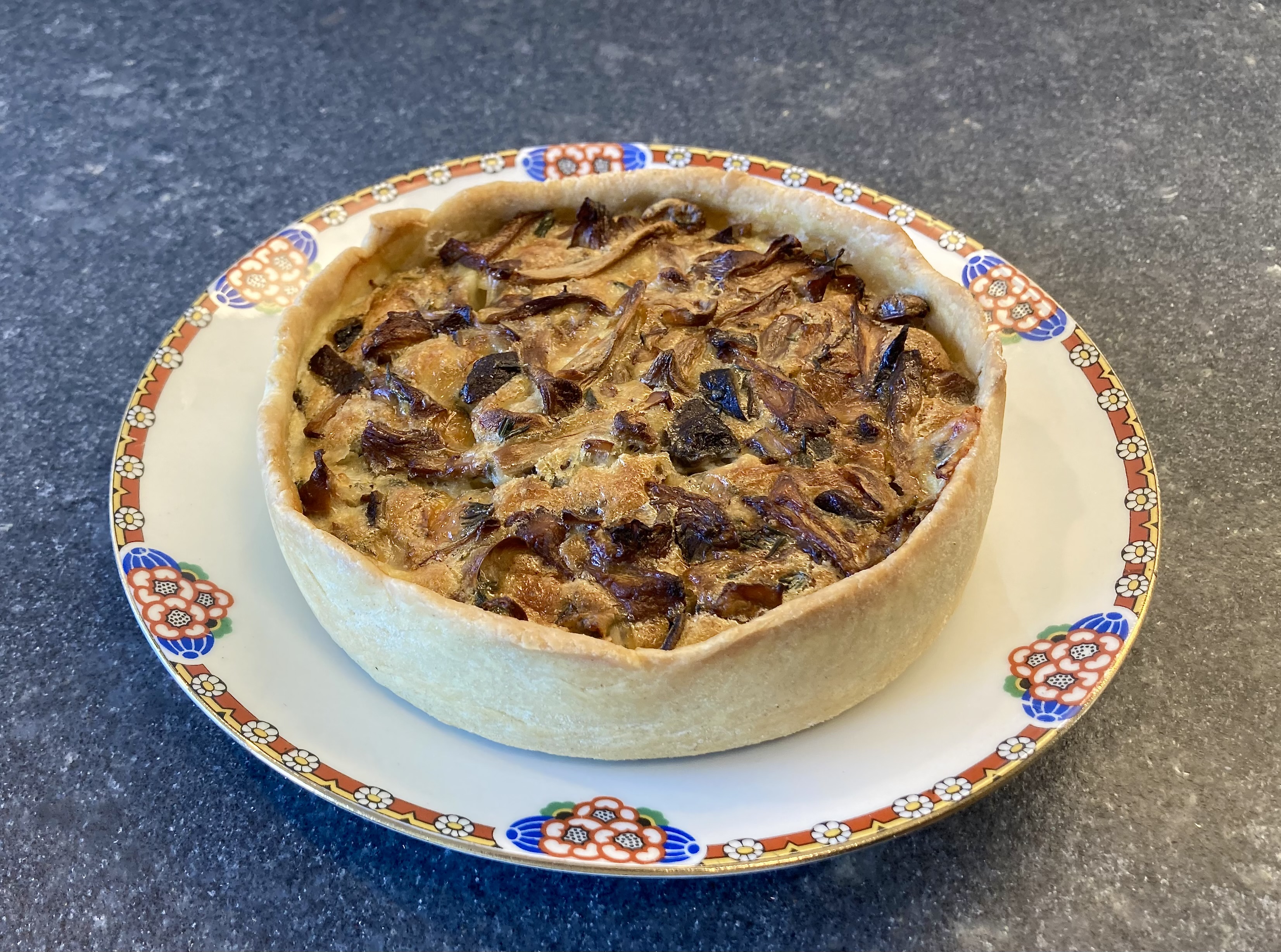
You’ve probably noticed we love mushrooms. Cultivated ones, like shiitake and oyster mushrooms and seasonal ones, such as morels and Caesar’s mushroom. This year we introduced a page with mushroom recipes in Dutch. It turned our to be a great success!

A few years ago we started exploring forgotten vegetables such as mashua and oca. We’re very pleased to see the popularity of this page. Clearly you’re as interested in these vegetables and their flavours as we are!

This year we will continue our series of sauces and of mushroom recipes, we will prepare dishes from illustrious Parisien restaurants and discuss wine pairing. We also plan to review cookbooks, with the help of our much loved tasting panel. In the meantime we look forward to your feedback, suggestions, likes and comments.

Let’s start cooking!

Field Peas

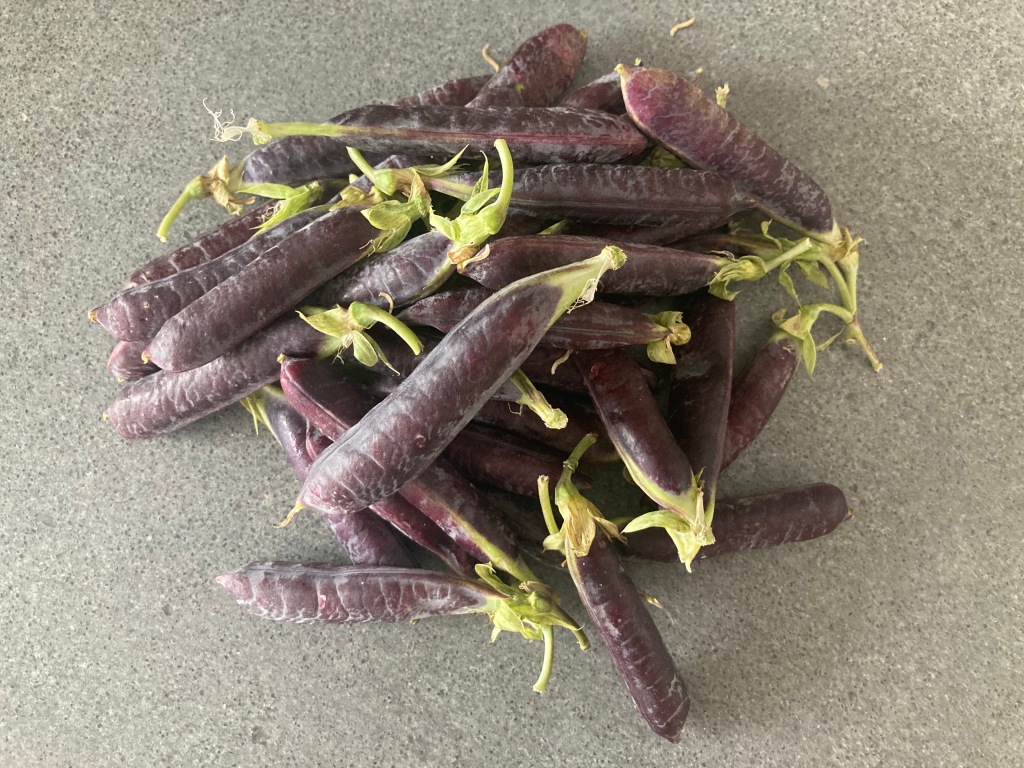
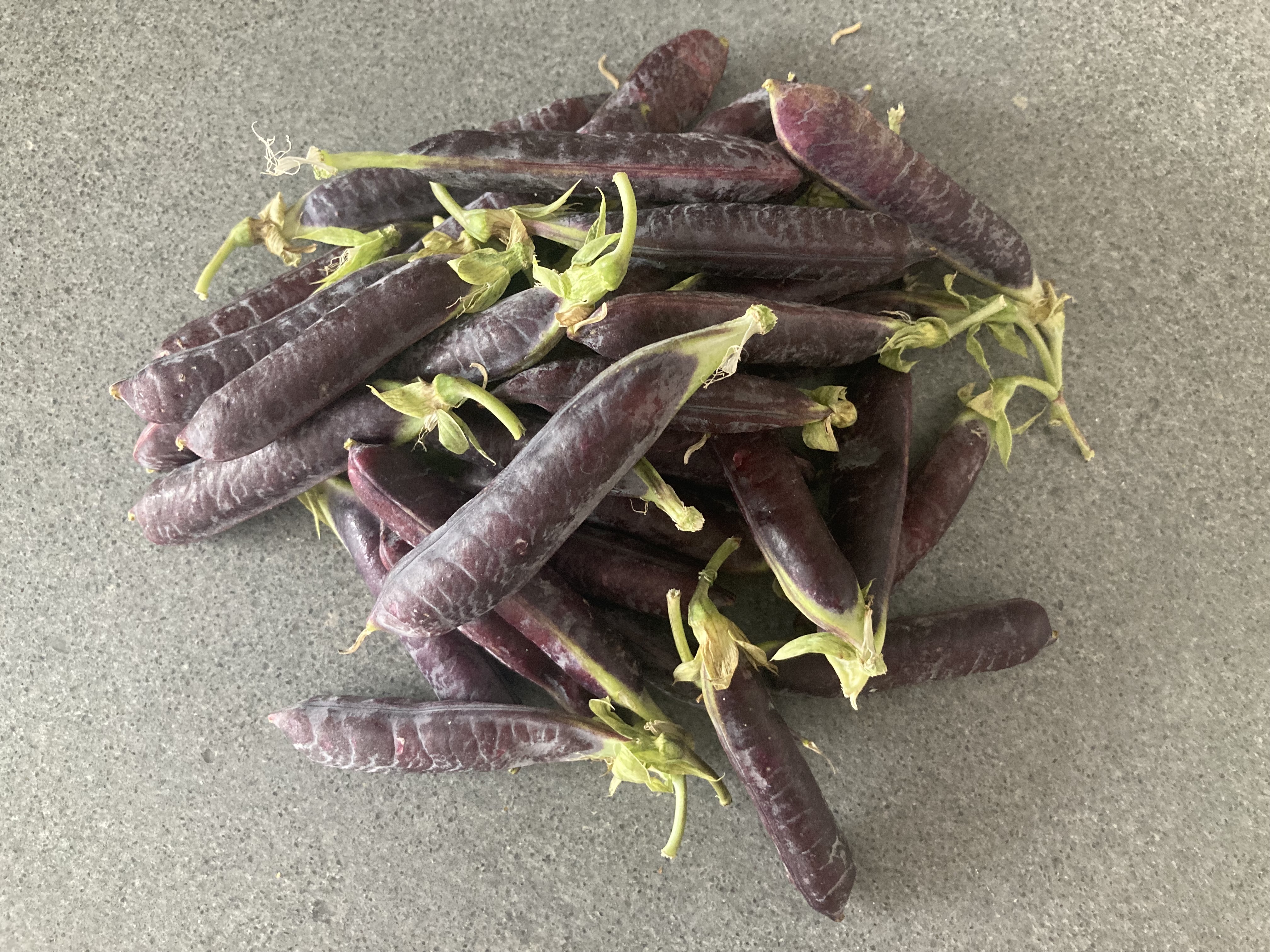
Field Peas (Pisum sativum subsp. Arvense, Austrian winter pea, Kapucijner in Dutch or Blaue Speiseerbse in German) are well known as dried or canned peas. Typical winter-food. The season for fresh Field Peas is relatively short (6 weeks in June and July) so we were happy to buy them earlier this week, for a reasonable price. Last year they were incredibly expensive because of a very poor harvest. Ask your greengrocer for Field Peas and explore another forgotten vegetable. One that has been around for over 7000 years!

Fresh Field Peas are tasty, sometimes a bit dry and should be eaten young. Best is to combine them with rich flavours and butter or oil. We could imagine adding Satureja to a dish with Field Peas. We combined the peas with bacon and served them with Boudin Blanc and mustard.

Wine Pairing

A not too complex red wine will be great with the rich flavours of this dish. We enjoyed a glass of Rioja made by Campo Viejo. The wine is made with tempranillo grapes. It’s an aromatic, fairly bold, dry red wine with pleasant tannins. 

What You Need
  • 500 grams of fresh Field Peas
  • Olive Oil
  • 100 grams of Bacon
  • Black Pepper
  • (optional) Boudin Blanc and French mustard
What You Do
  1. Shell the peas
  2. Cook or steam the peas 5 minutes or until al dente
  3. Drain and let cool
  4. Add olive oil to a warm heavy iron skillet
  5. Add peas and bacon to the pan and fry on medium heat for 10 minutes
  6. Stir to combine the flavours
  7. In parallel fry the boudin blanc
  8. Add black pepper and serve with French mustard
A dish with fresh Field Peas, Bacon and Boudin Blanc ©cadwu
Fresh Field Peas ©cadwu

Helianthus with Blue Cheese

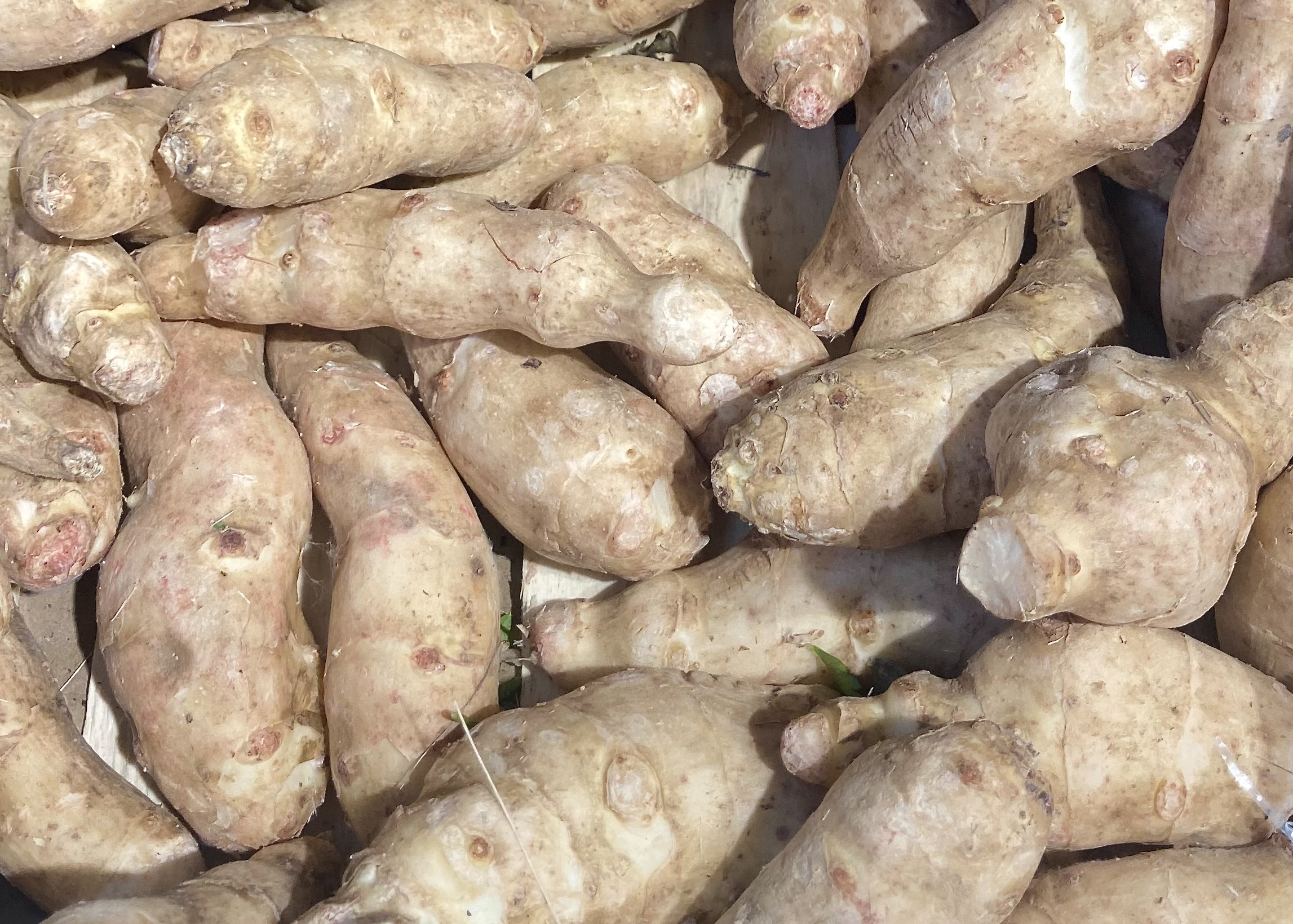
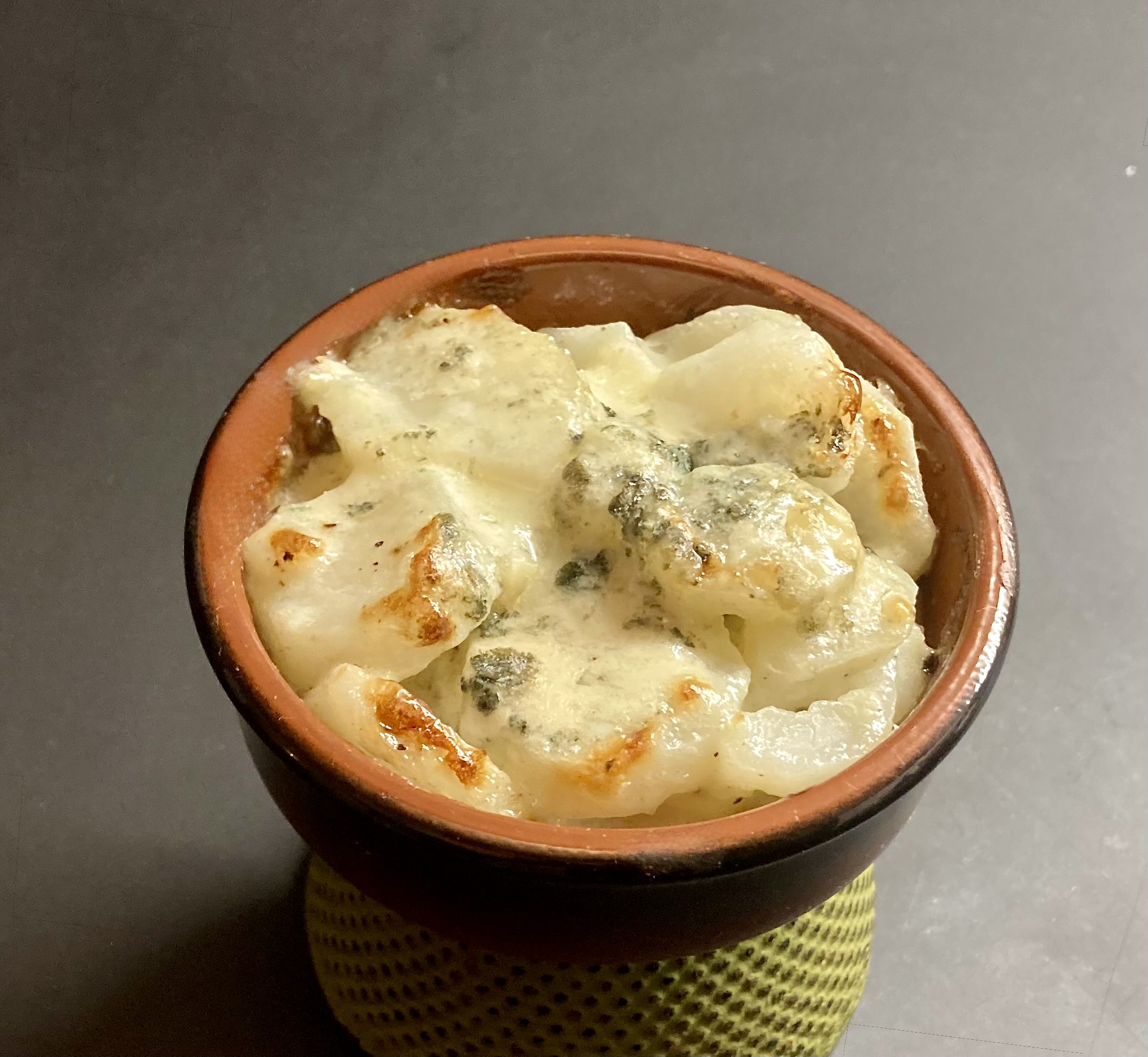
Always fun to shop at our organic supermarket and see what forgotten vegetables they have. This week they offered oca, Jerusalem artichoke (Helianthus Tuberoses), parsnip, black radish and helianthus, which was new to us. We bought a few of the helianthus roots and when at home we started thinking about ways to prepare them. Both Jerusalem artichoke and the helianthus roots are a touch sweet and nutty. A purée perhaps? We then noticed a recipe for a tartelette with blue cheese. Great idea, but not so sure about the combination with pastry. After a few minutes we came up with the recipe below. The helianthus roots are creamier than the Jerusalem artichokes and this worked very well in the combination with blue cheese and crème fraîche.The dish is rich with a touch of freshness.

Wine Pairing

In general, we suggest a full bodied, well balanced red wine, with aromas of black fruit, perhaps liquorice and with supple tannins. 

What You Need
  • Roots of the Helianthus Strumosus
  • Crème Fraîche
  • Roquefort
What You Do

Clean the roots and cook in boiling water for perhaps 5 minutes. They become soft very quickly. Drain and let cool. In parallel use a fork to combine equal parts of crème fraîche and Roquefort. Slice the roots and combine with the mixture. Place in ramekins and transfer to the oven at 200 °C or 390 °F for a few minutes, until hot and golden. You can also place them under the grill for a few minutes.

PS

Interested? Find out more about forgotten vegetables!

More PS

As Dorothy suggested (see below) it’s a great idea to fry or roast them with onions. We also added some garlic. Delicious!

Tuberous Chervil

Earlier we wrote about mashua and oca, two forgotten vegetables. This week we enjoyed tuberous chervil, another forgotten vegetable, also known as turnip chervil and bulbous chervil. Popular throughout continental Europe in the 19th century, but now hard to find. The tubers we bought had a length of approximately 4 cm and a thickness of 2 cm. They are white on the inside. The tuberous chervil is very tasty, easy to prepare, and its flavour will make you think of chestnuts, without a hint of bitterness.
As more often, these winter vegetables were replaced by potatoes: cheaper, easier to handle and easier to grow.
The ‘chervil’ in the name does not mean it’s the tuber of the chervil plant (like parsley and parsley root are related). It’s included because the leaves of tuberous chervil (see picture below) look like the leaves of chervil. The two are not at all related.
According to some sources tuberous chervil can be eaten raw. We tried it, of course, and yes, edible, but not great. We prefer to turn the tubers into a purée, with cream, butter and nutmeg. We combined the purée with lamb chops and with scallops. The second combination didn’t work, as if bringing the two together diminished the individual flavours. The first combination was delicious, the sweetness of the meat with the chestnut flavour, the freshness of the puree with the fatty lamb.

Wine Pairing

We enjoyed a glass of red wine from the Bordeaux region with our purée and lamb, produced by Château Picon. A very nice, affordable wine, with some dark fruit and acidity. In general, we suggest a not too complex red wine, made with for instance cabernet sauvignon and/or merlot grapes.

What You Need
  • 250 grams of Tuberous Chervil
  • Butter
  • Cream
  • Nutmeg
  • Black Pepper
What You Do

If the tuberous chervil are young and fresh, you don’t need to peel them. The ones we bought were a bit older, so we peeled them. Wash and cook for 5-10 minutes until soft. Drain. Mash using a fork, add butter and cream. Use a spoon to make the purée. The tubers love both, so you will probably need to add a bit more than expected. Keep warm on low heat, add black pepper and freshly grated nutmeg to taste. Quickly fry the lamb chops, add lots of herbes de Provence or a combination of thyme and oregano and serve with the purée.

Field Peas with Summer Savory

Seasonal products, we simply love them! Fresh field peas are available for a few weeks in June and July only. They are easy to recognise by their purple pod. An old and forgotten vegetable, perhaps because the (older) peas tend to be starchy and not very tasteful.
Young field peas, however, are sweet and moist with a good texture. Combining them with summer savory is a great idea, but if you want to give your field peas a more modern twist, then replace the savory with fresh oregano.
Field peas, different from fresh green peas, require some fat or oil. The combination with for instance crispy fried pork belly works really well. Simple, a bit old fashioned and delicious.

Wine Pairing

We combined our field peas with pork fillet. The dish is robust, so we decided to drink a red wine from the Dão region in Portugal, to be more precise we enjoyed a glass of Prunus as produced by Gotawine. One of our favourites! It has lots of dark fruit (plums, blackberries, cherries), it is lightly oaked and its taste is fruity, long and well balanced. Grapes include Jaen (also known as Menci), Tempranillo and Touriga Nacional. In general you’re looking for a medium bodied, not too complex, yet elegant red wine.

What You Need

  • Fresh Field Peas
  • Sprigs of Summer Savory
  • Olive Oil

What You Do

Shell the peas and steam them for 4 minutes maximum. Let cool and set aside. Heat a small skillet, add olive oil, reduce heat and very gently fry the peas. Add some finely chopped summer savory. Mix. Just before serving add the remaining chopped savory, mix and serve.

If you combine the field peas with pork fillet, then use excellent organic fillet only. Fry the fillet in a heavy iron skillet until nearly done. Wrap in foil and leave to rest for 10 minutes. Add the meat juices to the pan, add some mustard and (vegetable, veal or chicken) stock. Reduce. Add some cold water to help the emulsification. Slice the fillet. It should be a touch pink. Serve with some black pepper and the jus.

  • Field Peas with Summer Savory ©cadwu
  • Fresh Field Peas ©cadwu
  • Prunus Label ©cadwu

Jerusalem Artichokes

So much to tell about this plant! It originates from North America (so nothing to do with Jerusalem), its flowers are beautiful and resemble sunflowers, its tuber contains inuline (hence the sweetness) and the taste does make you think of artichokes. Other names include earth apple, topinambour (such a mysterious name!) and sunroot. Once a popular, cheap, nutritious vegetable, now nearly forgotten.
Most people cook or steam the tuber and turn it into a mash. Works well, especially when you add some excellent olive oil or some crème fraiche. Jerusalem Artichokes only contain a very limited amount of starch, so you could use a blender, but we prefer using a fork and passing it through a sieve because the mash becomes glue easily. A better idea is to quarter the Jerusalem Artichokes and cook them gently in olive oil with nutmeg, onion and garlic. When nearly ready add a glass of white wine and some stock, reduce the liquid and serve as a stew.
Jerusalem Artichokes can be used in many ways, you can eat them raw, use them as a basis for a soup, combine them with other seasonal vegetables in the oven, et cetera. We treated them as potatoes and served them with excellent beef and Brussels sprouts.

Wine Pairing

Your choice of wine is of course much influenced by the way you prepare the tubers and what you serve with them. In our case we suggest a Valpolicella Ripasso: red fruit, cherries, not too much tannins, fresh and zesty. Works very well with the sweetness of the Jerusalem Artichokes and the slightly nutty taste of the Brussels sprouts. Or should we say the slightly nutty taste of the Jerusalem Artichokes and the sweetness of the Brussels sprouts?

What You Need

  • Jerusalem Artichokes
  • Olive Oil
  • Butter

What You do

Wash the tubers and steam them for 20 minutes or so, depending on the size. You could also cook them, but be careful since they overcook easily. Another option is to put them in the oven for an hour or so on 80° Celsius or 175° Fahrenheit (for instance when you are preparing Choucroute). Let cool. Peel and slice the tubers. Warm a non-stick pan, add olive oil and perhaps some butter. Fry the slices gently. Take your time and watch carefully, the fructose in the Jerusalem artichokes burns easily.

Jerusalem Artichokes ©cadwu