Shiitake Salad

We love mushrooms and are always keen to explore new recipes and ideas. This recipe for a salad is very much about the nutty flavour and the moist texture of the shiitake. An easy to make and delicious, aromatic salad with lots of umami and citrus.
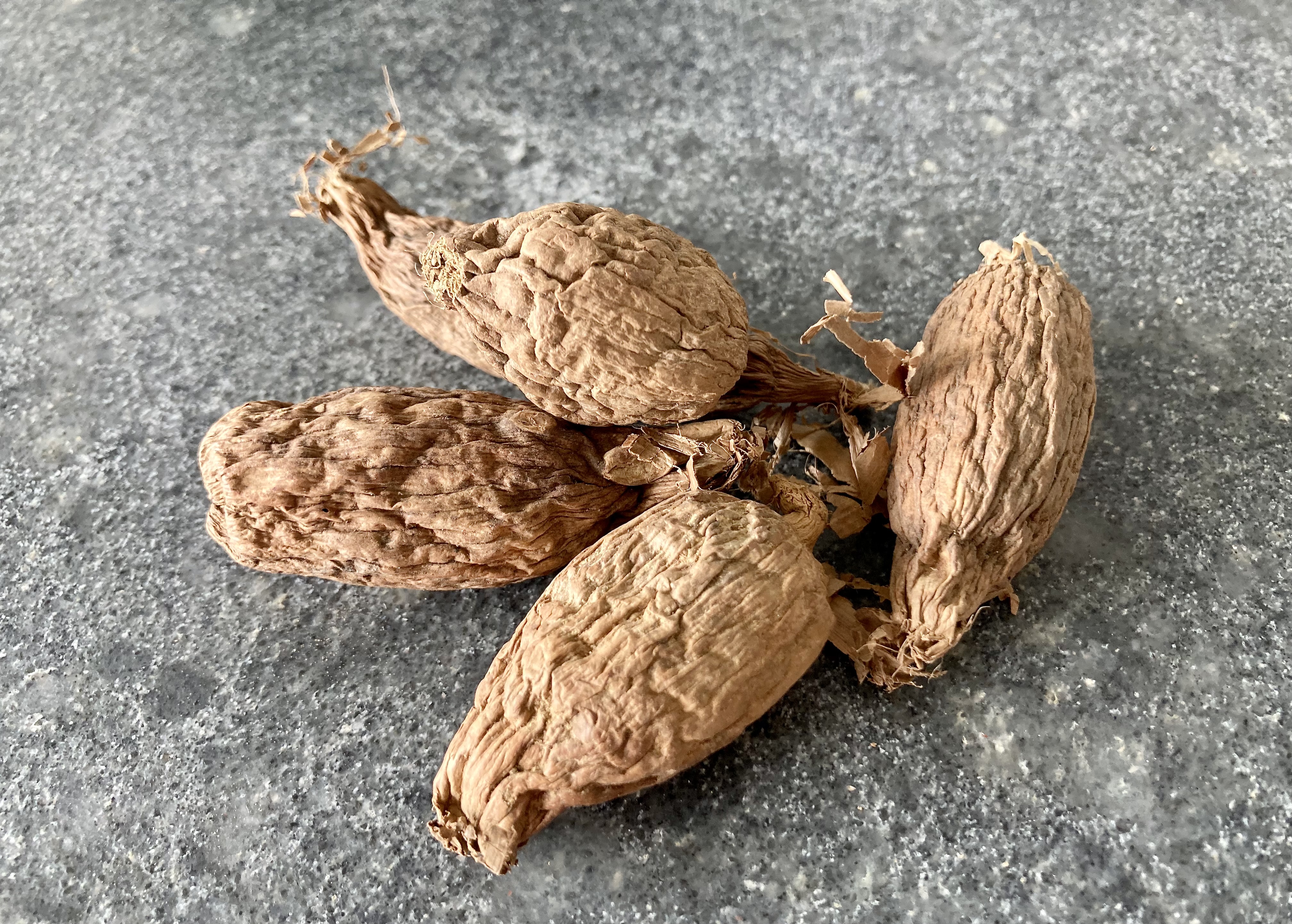
We used Grains of Paradise (also known as Maniguette or Awisa). This West African spice was introduced in Europe in the 14th or 15th century as a substitute for black pepper. We like its peppery, citrusy flavour.

Wine Pairing

The fish sauce brings briny, caramel-like flavours with obviously some fishiness. The cilantro is very present with notes of citrus and pepper. The result is an aromatic, umami rich salad, best enjoyed with a glass of Pinot Blanc. We decided to open a bottle produced by Dr. Loosen. The winery was founded over 200 years ago and is well known for its Riesling and other excellent wines from the German Mosel region. In general, you’re looking for a white wine that is fruity and easy to drink, with gently acidity and some minerality.

What You Need
  • 150 grams of Shiitake
  • 2 cloves of Garlic
  • Olive Oil
  • Rice Vinegar
  • Thai Fish Sauce
  • Grains Of Paradise (Maniguette) or Black Pepper and Lemon Juice
  • Cilantro (Coriander)
  • Smoked Breast of Duck
What You Do

Remove the stems of the shiitake (they are chewy and fibrous). If necessary, clean the caps with kitchen paper. Slice. Finely chop the garlic. Warm a heave iron skillet, add olive oil and gently fry the shiitake. After a few minutes add the garlic. Keep on medium/low heat for a few minutes. Combine olive oil, rice vinegar and fish sauce. Ground grains of paradise and add to the dressing. The grains of paradise can be replaced with freshly grounded black pepper and a few drops of lemon juice. Taste the dressing and adjust. Add the shiitake to the dressing and mix. Allow to cool somewhat. Add a generous amount of chopped cilantro. Mix again. Garnish with slices of smoked duck breast.

PS

More mushroom recipes on our mushroom page.

Horn of Plenty with Cumin and Pork Fillet

The name Horn of Plenty refers to the shape (very much like a funnel without a stem) of the mushroom and to the mythical goat Amaltheia, whose horn would be filled with everything you whished for. It’s also called Black Chantarelle, which is very appropriate because it’s a chantarelle and truly black when cooked. The more morbid name is Trompette de la Mort, as if the buried use the mushrooms to play the Marche Funèbre.

More importantly to us: they are very edible with a pleasant fibrous and chewy texture. The only downside is that they quickly become soggy and smelly, so make sure you buy (or harvest) dry ones and use them the same day or the next.

For some reason Horn of Plenty simply loves cumin. We also added coriander and fennel seed to give some additional lightness and freshness to the combination.
And as always, only use the very best organic pork.

Wine Pairing

A medium bodied, not too complex, red wine will be perfect. Think Merlot, Tempranillo, Grenache, Cabernet Franc, Carménère.

What You Need

  • 150 grams Horn of Plenty
  • One Red Onion
  • Cumin, Coriander and Fennel (seeds)
  • Black pepper
  • Olive Oil
  • Pork Fillet

What You Do

Clean the mushrooms thoroughly. This can be time consuming. Slice the pork fillet to create 6 medallions. Heat a heavy iron skillet and fry the medallions in olive oil until just underdone. Wrap in aluminium foil and leave to rest. Slice the red onion, add some olive oil to the pan and fry the onion. Grind cumin, coriander and fennel seeds and fry the spices. Lower the heat, perhaps add some more olive oil and fry the mushrooms for 5-10 minutes. Taste, adjust and add some black pepper. Add the juices from the pork to the pan, deglaze and serve.

  • Horn of Plenty with Cumin and Pork Fillet ©cadwu
  • Horn of Plenty ©cadwu

Curry with Shrimps, Cardamom, Coriander and Ginger

A simple but very tasty main dish. Serve it with some rice and you will have a lovely and rich dish.

We enjoyed our curry with a glass of Spanish gewürztraminer. The white wine needs to be aromatic and herbal. The gewürztraminer should come with a touch of sweetness which links nicely to the coconut and the cardamom.

What You Need
  • 1 small Red Onion or a bigger Shallot
  • 1 Chilly Pepper (a quarter or a half, depending on the spiciness)
  • 1 Garlic Clove (both fresh and prepared)
  • 1 Cardamom
  • Coriander (seeds and fresh leaves)
  • Ginger (fresh, 5 centimetres)
  • Nutmeg
  • 1 or 2 Djeroek Poeroet leaves (these are the leaves of the Makrut or Thai Lime (Citrus Hystrix); if fresh use 1 leave
  • Curry Powder
  • 6 – 10 fresh Shrimps
  • Coconut Milk (150 ml)
  • Olive Oil
  • Black Pepper
What You Do
  1. Clean the shrimps and remove the parts you don’t want to eat, especially the dark vein. This is actually the shrimp’s gastrointestinal tract, so not something you want to eat
  2. Once cleaned, set aside
  3. Cut the onion in four and then slice
  4. Remove the seeds from the chilly pepper and cut the pepper in small bits
  5. Fry the onion gently in a skillet with olive oil
  6. Use a mortar to crush the coriander and cardamom seeds
  7. Add the curry powder, the cardamom, the coriander, the grated nutmeg and the chilly pepper to the pan
  8. Fry a bit more, making sure you get all the tastes
  9. Add one clove of fresh garlic, one prepared and the grated ginger
  10. Fry and stir
  11. Start adding the coconut milk and keep stirring
  12. Add the djeroek poeroet
  13. When the sauce starts to thicken, check if you have sufficient sauce for the shrimps.
  14. f not, add some more coconut milk
  15. When thickened, add the shrimps and let cook for 4 minutes, maximum, depending on size
  16. Chop the fresh coriander leaves
  17. Just before serving add three quarters of the fresh coriander leaves to the curry and mix
  18. Check if some black pepper is required
  19. Sprinkle some more fresh coriander just before serving the dish.
  20. Serve with rice, preferably Camargue red rice because it offers such a wealth of taste. Indian Basmati will also do the trick of course.