Happy New Year! Let’s begin the new year with the 2023 highlights. Your favorite post wasNo-Knead Bread, We have been baking our own bread for several years, based on the method of no-knead bread (see Jim Lahey’s book My Bread for more detail) and using the ingredients (Blue Poppy Seeds, Linseed) of the French Talmière. The result is delicious!
Another very popular post is the one showing you how to make Kimizu. This is a classic, golden sauce from Japan, made with Egg Yolks, Rice Vinegar, Water and Mirin. We also have a version with Tarragon, let’s say the Béarnaise version of Kimizu. The recipes for Kimizu and Kimizu with Tarragon continue to be very popular. Although this is a classic sauce, we use a microwave to prepare it. An easy and very effective way of managing temperature and consistency.
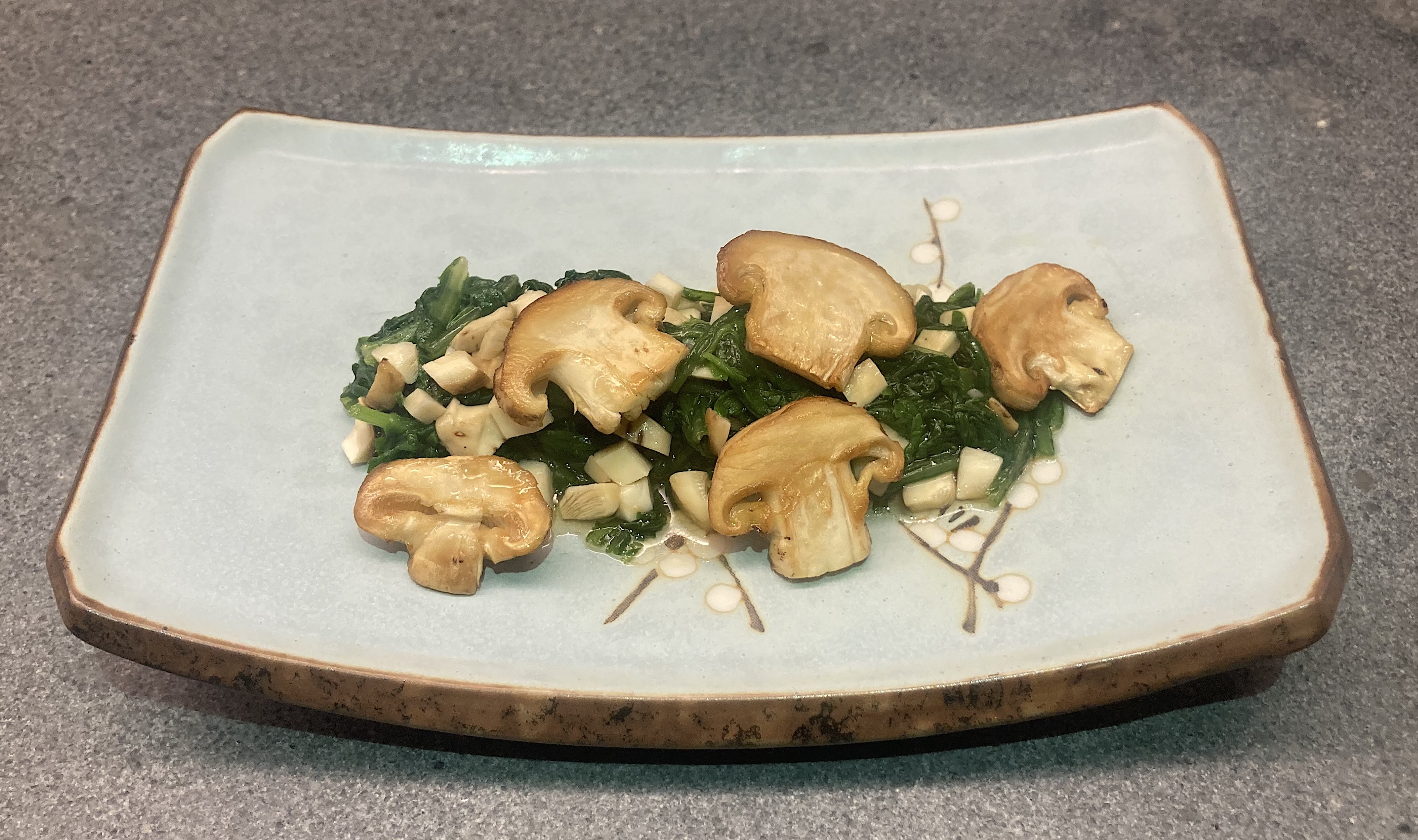
We love mushrooms. Cultivated ones, like Shiitake, Oyster Mushrooms, Enoki and Champignons de Paris and seasonal ones, such as Morels, St. George’s mushroom, and Caesar’s Mushroom. One of the most popular posts is about Cèpes à la Bordelaise. You can also use more available mushrooms for this great combination. Always a pleasure to serve, with eggs, with meat, with more present fish. Last year we had lots of Bay Boletes, which was such a pleasure. It’s a fairly common mushroom, as tasty as Cèpes, but much more affordable.
And finally The Queen’s Soup. We didn’t expect too much of this post, but the soup turns out to be very popular.
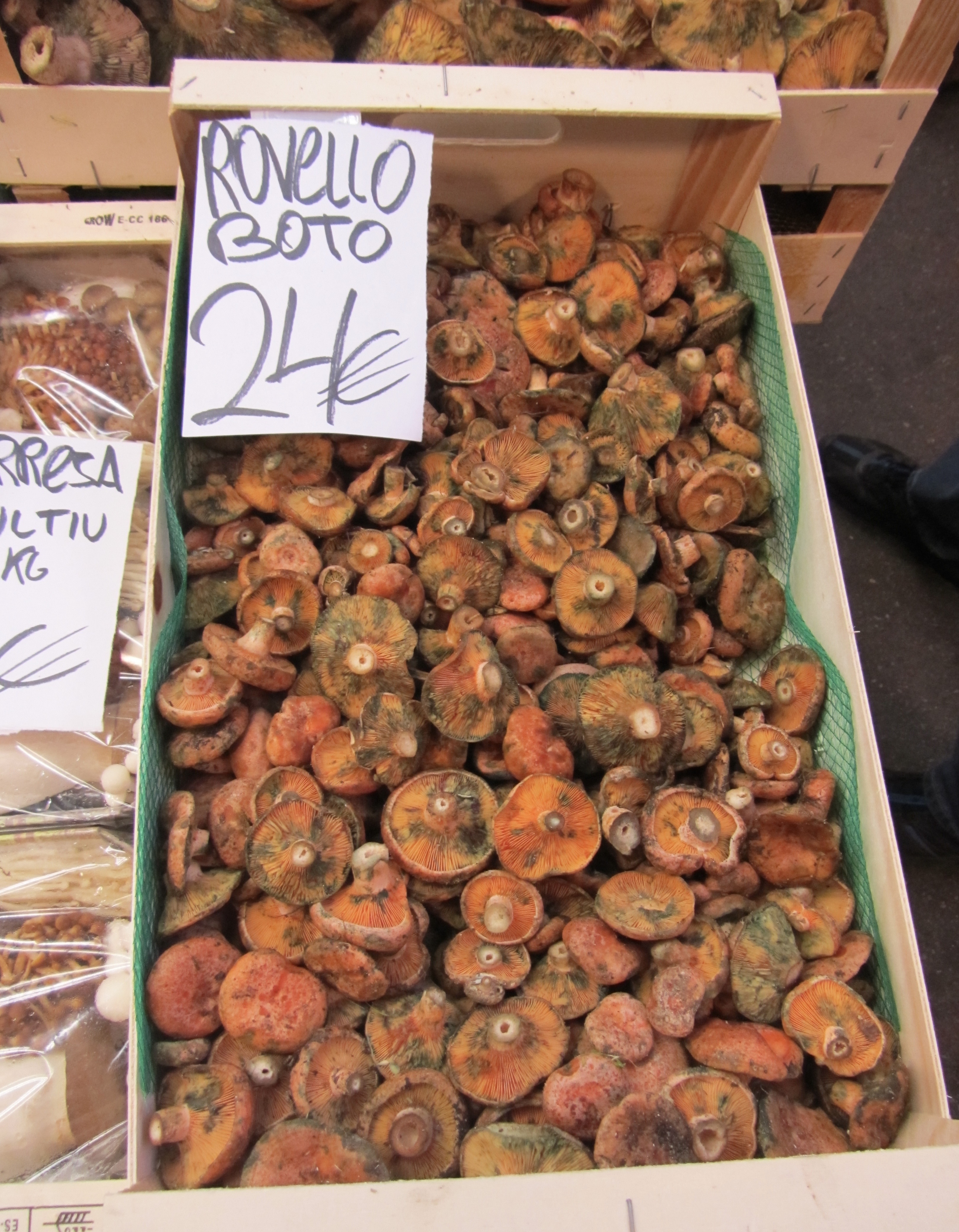
So far this year’s mushroom season has been great with lots of delicious Cèpes, Bay Boletes, Birch Boletes and Chanterelles. This Saturday we bought a very tasty autumn Truffle and a day earlier we treated ourselves to Matsu Take. Such a special mushroom. We’re waiting for the Saffron Milk Cap, Spain’s favourite mushroom, and the Caesar’s mushroom, a mushroom much appreciated in Italy.
Since it’s a great year for the Bay Bolete, we thought it would be nice to share some recipes with this mushroom. Its taste is similar to that of the Cèpes or Penny Bun. Perhaps more intense?
A few years ago we celebrated the mushroom season by preparing a Pâté with bay boletes. The combination of a crispy crust, a structured, colourful filling and various flavours is always a pleasure. It’s good fun to think about the ingredients, work on the construction and enjoy the wonderful aromas from your oven while baking the pâté. And the joy when slicing it: is the pâté as beautiful as you expected it to be?
A red, medium bodied wine will be a great accompaniment of this Pâté en Croûte. In general you’re looking for a red wine with aromas of black fruit, floral notes and delicate wood. The tannins should be soft or well-integrated. We enjoyed a glass of Pinot Noir from La Cour Des Dames.
Earlier this year we prepared a rich sauce with bay boletes, sage, mustard en crème fraîche. We served the sauce with excelltn veal rib eye and turnip cabbage. The turnip brings frsshness and lightness to the dish, creating a lovely balance. A fruity, slightly chilled red wine will be great with the dish. We opened a bottle of German Spätburgunder from the Pfalz area. Some dark fruit, strawberries, touch of earthiness, not too complex. One that supported the flavours and aromas of the dish very well.
Bay boletes combine very well with guineafowl. The meat is leaner, somewhat darker and more flavourful compared to chicken. It is not difficult to prepare, but due to the low-fat content you must be careful not to overcook. In this recipe we use guineafowl supreme (the breast fillet with the skin on plus the wing bone), rosemary, thyme, pancetta and garlic. Enjoy with a glass of Chiroubles, a cru from the Beaujolais, produced by Domaine Montangeron. The wine has floral notes, aromas of cherries and strawberries. Its colour is pale ruby. Rich, elegant and long. It brings freshness and fruitiness to the dish and is sufficiently complex to remain present when enjoying the guineafowl and the bay bolete. In general you’re looking for a red wine with freshness, fruity aromas and complexity. Perhaps a Pinot Noir?
More recipes on our website dedicated to mushrooms.
We have been baking our own bread for several years, based on the method of no-knead bread (see Jim Lahey’s book My Bread for more detail) and using the ingredients of the French Talmière. The technique is a bit challenging, so we were very pleased to test the simplified method described by Le Creuset. You were also pleased to learn about this easier method for No-Knead Bread, because it’s our number one post this year!
Kimizu is the classic, golden sauce from Japan, made from Egg Yolks, Rice Vinegar, Water and Mirin. The recipes for Kimizu and Kimizu with Tarragon continue to be very popular. Although this is a classic sauce, we use a microwave to prepare it. A great tool to be in control of temperature and consistency.
If you’ve been following this blog for a few months, perhaps years, then you’ll know we love mushrooms. We are especially interested in the seasonal ones, such as Morels, St. George’s mushroom, and Caesar’s Mushroom. We combine these with Japanese Udon, creating a very tasty starter, full of flavours and texture. Also one of our personal favourites. Another favorite is the Bay Bolete. Actually a fairly common mushroom, as tasty as Cèpes, but much more affordable. During the season we saw lots of interests in Bay Boletes and Caeser’s Mushroom, so next season we will publish new recipes with these two delicious mushrooms.
The classic Cèpes à la Bordelaise was also amongst your favourites. You can also use more available mushrooms for this great combination. Always a pleasure to serve, with eggs, with meat, with more present fish.
Ajerkoniak was a dish we looked into when we were exploring dishes/drinks based on egg yolks, such as caudle, eggnog and advocaat. Perhaps not our personal favourite, but why nog give it a try?
Caesar’s mushroom (or Amanita Caesarea) is a true delicacy, especially when eaten very young. And raw. Since the young ones have the shape of an egg, they are called ovoli in Italian. It is not recommended to pick these young ones yourself, unless you’re an expert. The young Caesar’s mushroom looks very similar to young Fly Agaric, Death Cap or Destroying Angels. Ones we would not like to see on (y)our plate. The mature Caesar’s mushroom looks very distinct from these very dangerous mushrooms, so fewer risks involved. When you’re in North America, you will probably be able to buy Amanita Jacksonii or Amanita Arkansana, which seem to be very similar, but not completely. As far as we know eating cooked Amanita Caesarea and Arkansana is not a problem; eating them raw could be.
The classic recipe for ovoli is to include them in a salad, with shaved white truffle, parsley, olive oil and parmesan cheese. Another option is to add them to your risotto.
In this recipe we combine the delicate flavour of the Caesar’s mushroom with lots of thyme, rosemary, bay leaf, a touch of garlic, Parmesan cheese and olive oil. Best would be to use Calamintha Nepeta, but using thyme will also do the trick. A garlic glove must be added because the garlic will turn black if your mushrooms are poisonous (not a story to rely on).
Ideally served with Japanese udon because the noodles will be nicely coated with the cooking juices, but feel free to use good pasta as an alternative. One of the benefits of udon is that it is really white, allowing for the yellow of the mushroom to be more present.
We enjoyed our Caesar’s mushrooms with a glass of traditional Burgundy wine from France (100% pinot noir). The wine should have delicate fruit aromas (black cherries, plum) and some earthiness. The wine should be medium bodied and have a crisp acidity. Not too much oak, because oak will overpower the mushrooms. The pinot noir should also be relatively light, allowing for herbal and floral tones. Pinot Noir wines from the new world are in general rounder and higher in alcohol, making these wines more like Syrah or Malbec. We don’t recommend these wines, however tasty, in combination with the dish. A glass of Chardonnay is also an option provided it’s fresh with just a touch of oak and butter.
Clean the Caesar’s mushrooms and remove the white veil (or volva). Make a bouquet garni with lots of thyme, rosemary and a bay leaf. Start by making flavoured olive oil by warming the olive oil in a large skillet and adding the herbs and the garlic glove. Not too hot, you only want the flavours and essential oils to be added to the olive oil. After 15 minutes or so remove the garlic and the bouquet. Now add the sliced Ceasar’s mushrooms and very gently fry them. Just cooked is perfect. In parallel cook the udon. When ready (12 minutes in our case, you don’t want the udon to be al dente), drain the udon but keep some of the cooking liquid. If there is too much starch on the pasta, then think Japan and wash your pasta with cold water. This will remove the starch and allow for a better result. Remove the Caesar’s mushrooms from the pan and keep warm. Add the pasta to the pan, stir and make sure the pasta is fully coated. Add a spoonful or two of the cooking liquid to the pan. Add some grated Parmesan cheese and black pepper. Transfer the Caesar’s mushroom back to the pan and stir very gently, making it into one yellow, tasty mixture. Just before serving sprinkle with extra Parmesan cheese.





 Cook and Drink