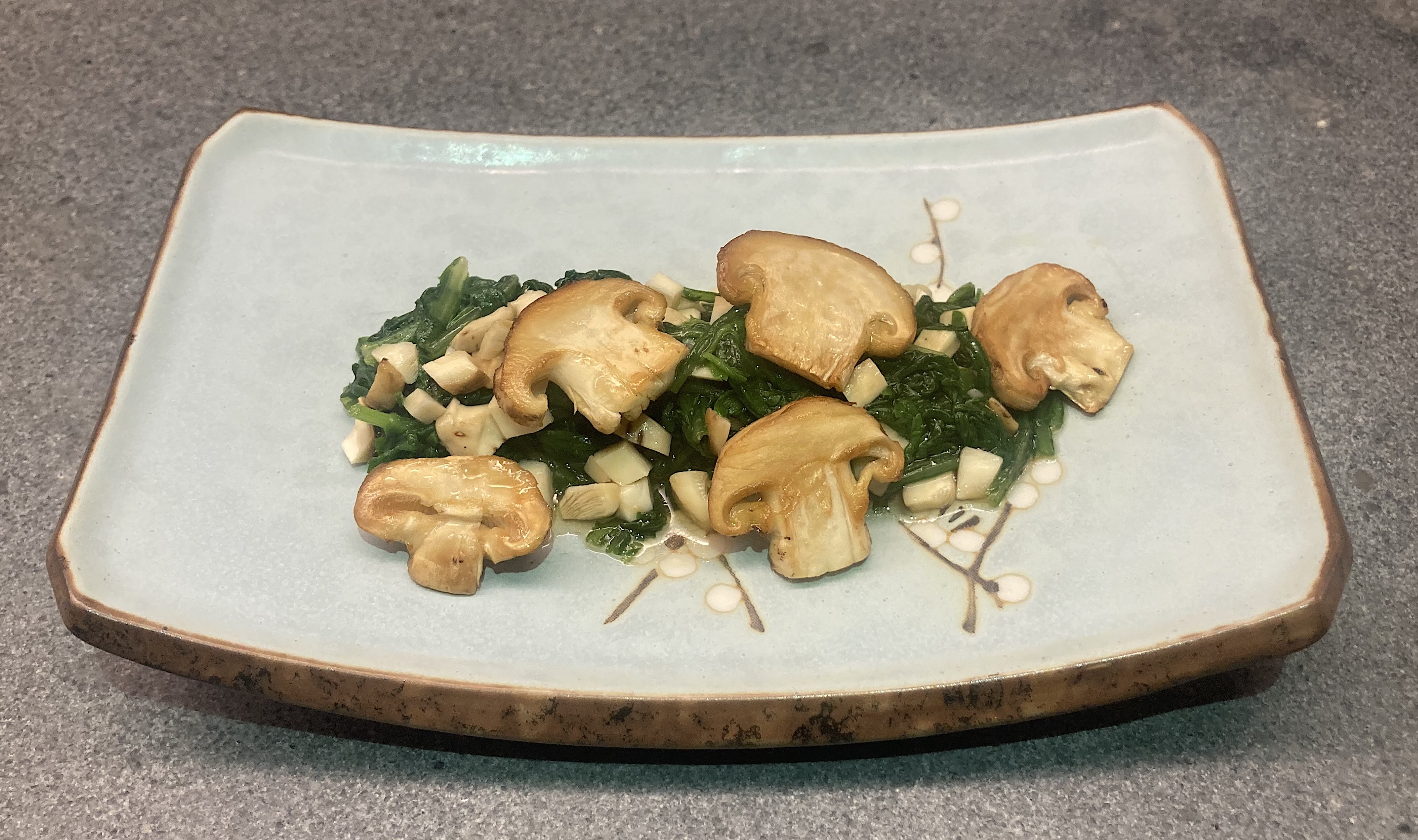
Oca

There are so many interesting vegetables and fruits. We’re always keen to try something new, so last year when we found mashua we simply had to try it. And how about sand carrots?
This week we spotted oca at our bio-supermarket. Small red tubers from Peru. Hopefully not imported, but we bought them anyway.
Oca (Oxalis tuberosa, known as yams in New Zealand) originates from the Andes. It is grown in the highlands of several countries (Ecuador, Peru, Chile, Argentina). Oca’s are also cultivated in various other countries, including the UK, Mexico, New Zealand and France.
Oca is a member of the family of wood sorrels and the plant has clover-like leaves. The leaves and the stems are also edible. Nutrient wise oca tubers and potatoes are very similar. The oca tubers contain a high amount of vitamin C, calcium and iron. Oca tubers can be acidic, thanks to the presence of oxalic acid. The tubers have a lovely soft, red colour. 

Oca tubers can be eaten raw, boiled and baked. We tasted a few slices of raw oca, only to find the texture not great and the taste a bit tangy, radish like. We decided to bake them in olive oil. The result was a pleasant surprise and some of the colour is still visible. The tubers tasted like a really, really good potatoes: soft and nutty.

What You Need
  • 250 grams of Oca
  • Olive Oil
  • Black Pepper
What You Do

Preheat your oven to 180 °C or 355 °F. Wash the oca’s. Don’t be tempted to peel them because the peel is very tasty. Remove small bits of dirt with a sharp knife. Wash again and dry. Add olive oil to a baking dish, add the tubers and make sure they are nicely coated. Transfer to the oven and fry for 15-25 minutes, depending on the size. Allow to cool for a few minutes before adding black pepper.

Flammkuchen

We continue our series of very simple, tasty dishes by preparing Flammkuchen (Tarte Flambée in France, Feuerfleck in Austria). The dish originates from the Alsace. The first part of the name refers to fire and flames. The story is that bakers baked bread in wood fired ovens. The oven would initially become too hot, and the bakers had to wait for the oven to cool and reach the right temperature. The Flammkuchen would be the indicator. If it was ready within two minutes or so, then the temperature was right. If it would burn, the oven was too hot, but nothing was wasted. 

The dough of Flammkuchen is extremely simple, but also a bit puzzling. In all cases it’s flour, salt, olive oil and water. Some suggest adding egg yolks, others yeast. Adding yeast makes it into a bread dough. Doesn’t it seem obvious that the bakers would use the already prepared dough? Adding egg yolks seems odd too us. Why make a more expensive dough for a product that was to be used as an indicator only?

Back to yeast or no yeast. Which brings us to the question: isn’t Flammkuchen a kind of pizza? They do look very similar, and both are baked in a hot oven, but there are differences. Traditionally Flammkuchen are covered with crème fraîche, lardons and thinly sliced onions. The Flammkuchen should be very thin and very crispy. We think the bakers didn’t use their bread dough but made a quick, simple dough with the sole aim to test the temperature of the oven. Perhaps only water and flour?

Another difference is that Flammkuchen were not on the menu of restaurants until the 1960’s. Probably you would buy them at the local bakery or make them at home. Thanks to the global popularity of pizza, Flammkuchen have gained some visibility.

Drink Pairing

Flammkuchen are tasty, crispy, flavourful and not complex. Enjoy with a glass of white wine, with a beer, or your favourite drink.

What You Need
  • For the Dough
    • 250 grams of Flour
    • 2 tablespoons of Olive Oil
    • 125 ml Water
    • Pinch of Salt
  • Crème Fraîche
  • Black Pepper
  • Mushrooms (we used Trompettes de la Mort)
  • Red Onion
What You Do

Pass the flour through a sieve. Add a pinch of salt and mix. Add water and olive oil and quickly turn the mixture into a dough using your hands. Don’t kneed too long. Leave on room temperature for an hour. Pre-heat your oven to 220 °C or 430 °F. Roll out until very thin, 2 millimetre is perfect. Add black pepper to the crème fraiche and mix. Place the dough on baking or parchment paper in a baking tray, cover with a layer of crème fraiche, add mushrooms and sliced onion. Bake for 10-12 minutes or so and serve immediately.

Baking Flammkuchen on a higher temperature is preferred, but then you can’t use baking or parchment paper. Best is to use a pizza stone. The baking time will be 3 to 5 minutes on 300 °C or 570 °F.

Flammkuchen ©cadwu
Flammkuchen ©cadwu

An invitation to Indian Cooking

Recently we reviewed An invitation to Indian Cooking (published in 1973) by Madhur Jaffrey as part of the ongoing cookbook review project by Bernadette. When we leaved through the book we were looking for something special, something new and exciting to prepare. Dal soup (the classic Indian soup made with red lentils, onion, various spices and perhaps ginger or orange) was not on our radar, until we read her recipe. Interesting! Yellow Split Peas? Cloves? Croutons? Let’s start cooking!
The soup was very tasty and uplifting. The split peas brought structure to the soup, making this soup different compared to lentil-based dal soup. The combination of peas and cloves is one to remember. 

Dal Soup ©cadwu
Dal Soup ©cadwu

Asafoetida

We’re always interested in new ways to prepare mushrooms, so when we spotted a recipe with cumin and asafoetida (asafetida) we immediately knew we wanted to prepare this dish. But what is actually asafoetida and where to buy it?
The first thing to know about asafoetida is that it has an extremely powerful aroma. Its taste and smell are a combination of onion and garlic. We bought 25 grams at Jacob Hooy which is Amsterdam’s premium shop for spices. The Dutch name is Duivels Drek and the German name Stinkasant. Both names are a clear indication of its pungent smell.
Mushrooms, tomatoes, various spices and asafoetida: we didn’t know what to expect of the dish. The result was delicious, aromatic (in a subtle way) and a tribute to the tomatoes and mushrooms, with a long-lasting taste. We loved it. Mrs. Jaffrey suggest serving the mushrooms with chapatis or pooris. Recipes are included in her book, obviously!

Mushrooms with Cumin and Asafetida ©cadwu

The Book

An invitation to Indian Cooking by Madhur Jaffrey is a comprehensive introduction to the Indian kitchen, one with reliable, easy to follow, tasty recipes and useful background information. The book includes chapters on meat, chicken, fish, dal, soups, vegetables, chutneys, breads and desserts. Which reminds us of our plan to make Kulfi (ice cream with milk and cardamon pods).
An invitation to Indian Cooking by Madhur Jaffrey is available via your local bookstore or the usual channels for 15 euro or 18 US$.

Recipes can be found on Bernadette’s website.

Orecchiette alla Barese

A traditional dish from the city of Bari in Puglia, Italy. The main ingredients are orecchiette and rapini.
Orecchiette is an ear shaped pasta, typical for this region. Its surface is a bit rough, and the centre (the dent) is thinner than the edge. Its shape makes it ideal for a sauce with structure.
Rapini (Cime di rapa) will no doubt make you think of broccoli, which is not our favourite vegetable. Rapini has more bitterness and character. It is completely edible, including the stem and the leaves. If broccoli is about the florets, rapini is about the stem. If your greengrocer doesn’t sell rapini, then feel free to go for bimi or broccoli and make sure to add bitterness (we added one anchovy to the sauce).
As more often with traditional dishes, it’s not completely clear what the other ingredients are. Anchovies? Italian Sausage? Breadcrumbs? Peccorini? Tomatoes? Garlic?

Wine Pairing

A wine from Puglia will of course combine very well with this dish. Red wines in this region are made from the primitivo grape (also known as zinfandel). In general the wines are fuller bodied, with some acidity, good structure and lots of sunny flavours (blackberries, perhaps chocolate).

What You Need
  • 200 grams of Rapini
  • 150 grams of Italian Sausage
  • ¼ teaspoon Chilli Flakes
  • Orecchiette
  • One Anchovy
  • Parmesan Cheese
  • Olive Oil
What You Do
  1. Steam or blanch the rapini
  2. Drain and chop (1 centimeter or inch pieces is fine)
  3. Heat a pan, add some olive oil and the sausage meat
  4. Fry until nicely brown
  5. Remove the meat from the pan
  6. Add some oil and the anchovy
  7. Cook on low heat until the anchovy dissolves (a fork may be useful)
  8. Add the orecchiette to a pan with boiling water and cook until al dente
  9. In parallel prepare the sauce by adding the meat, the chilli flakes, and the vegetables to the pan with the anchovy. Mix
  10. Happy with the sauce?
  11. Remove the pasta from the water and transfer to the sauce. Combine. You may need to add some cooking liquid to the pan.
  12. We served our orecchiette with some freshly grated Parmesan cheese (optional) on warm plates.
Orecchiette alla Barese ©cadwu

Mushroom Season

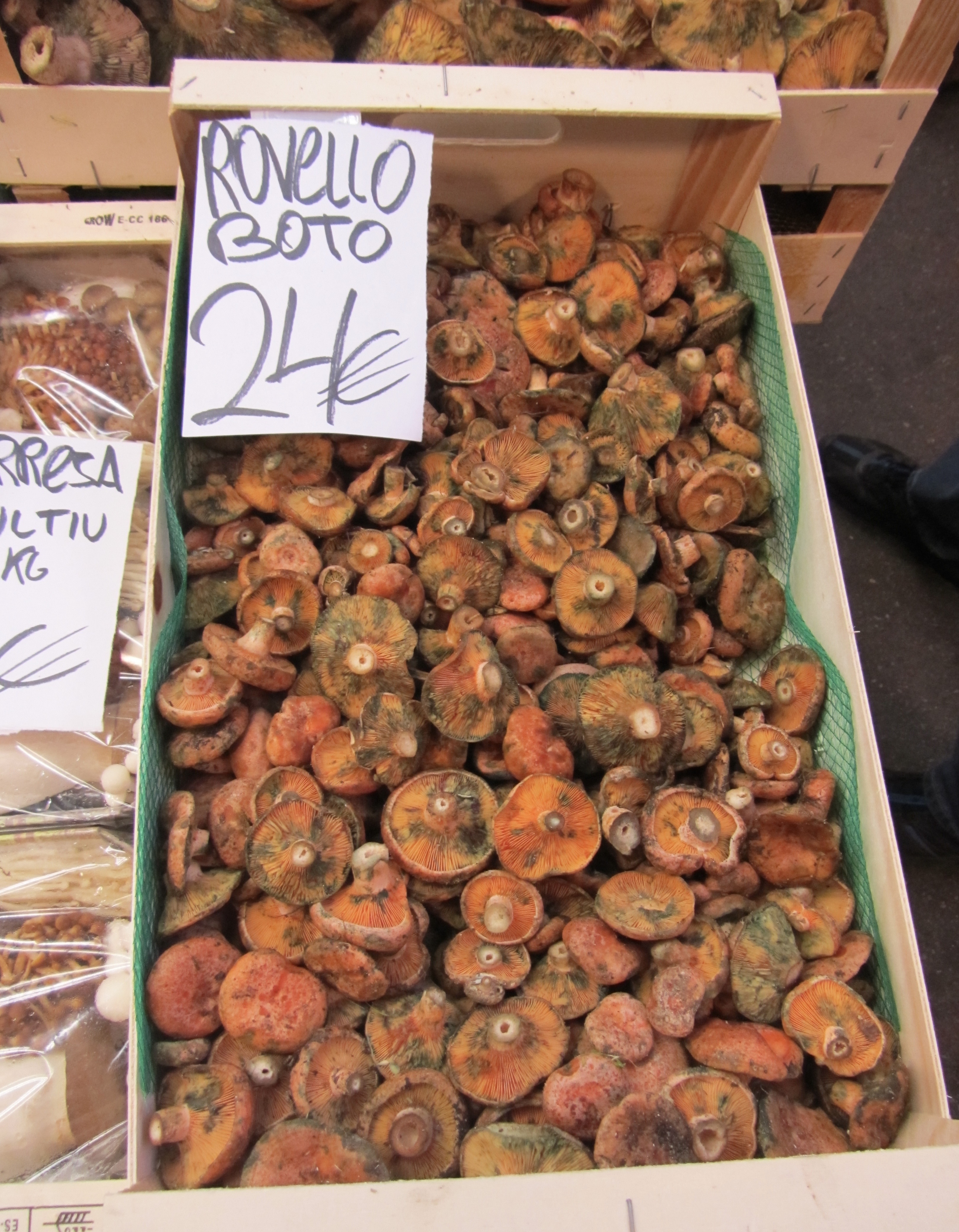
So far this year’s mushroom season has been great with lots of delicious Cèpes, Bay Boletes, Birch Boletes and Chanterelles. This Saturday we bought a very tasty autumn Truffle and a day earlier we treated ourselves to Matsu Take. Such a special mushroom. We’re waiting for the Saffron Milk Cap, Spain’s favourite mushroom, and the Caesar’s mushroom, a mushroom much appreciated in Italy. 

Since it’s a great year for the Bay Bolete, we thought it would be nice to share some recipes with this mushroom. Its taste is similar to that of the Cèpes or Penny Bun. Perhaps more intense?

Pâté with Mushrooms ©cadwu

Pâté en Croûte

A few years ago we celebrated the mushroom season by preparing a Pâté with bay boletes. The combination of a crispy crust, a structured, colourful filling and various flavours is always a pleasure. It’s good fun to think about the ingredients, work on the construction and enjoy the wonderful aromas from your oven while baking the pâté. And the joy when slicing it: is the pâté as beautiful as you expected it to be?

A red, medium bodied wine will be a great accompaniment of this Pâté en Croûte. In general you’re looking for a red wine with aromas of black fruit, floral notes and delicate wood. The tannins should be soft or well-integrated. We enjoyed a glass of Pinot Noir from La Cour Des Dames

Bay Boletes with Veal and Sage ©cadwu

Sauce

Earlier this year we prepared a rich sauce with bay boletes, sage, mustard en crème fraîche. We served the sauce with excelltn veal rib eye and turnip cabbage. The turnip brings frsshness and lightness to the dish, creating a lovely balance.
A fruity, slightly chilled red wine will be great with the dish. We opened a bottle of German Spätburgunder from the Pfalz area. Some dark fruit, strawberries, touch of earthiness, not too complex. One that supported the flavours and aromas of the dish very well.

Guineafowl and Bay Bolete ©cadwu

Guineafowl

Bay boletes combine very well with guineafowl. The meat is leaner, somewhat darker and more flavourful compared to chicken. It is not difficult to prepare, but due to the low-fat content you must be careful not to overcook. In this recipe we use guineafowl supreme (the breast fillet with the skin on plus the wing bone), rosemary, thyme, pancetta and garlic.
Enjoy with a glass of Chiroubles, a cru from the Beaujolais, produced by Domaine Montangeron. The wine has floral notes, aromas of cherries and strawberries. Its colour is pale ruby. Rich, elegant and long. It brings freshness and fruitiness to the dish and is sufficiently complex to remain present when enjoying the guineafowl and the bay bolete.
In general you’re looking for a red wine with freshness, fruity aromas and complexity. Perhaps a Pinot Noir?

More recipes on our website dedicated to mushrooms.

Summer Truffle and Egg

Only a few weeks to go before the end of the summer truffle season. A truffle with mild flavours and aromas but nevertheless great when used in cold dishes, such as truffle mayonnaise or a salad with chicory. We decided to go for a luxurious appetizer with an excellent glass of white wine. We bought 25 grams of truffle (and paid € 12,50) and enjoyed every minute of it.

Wine Pairing

A lightly oaked chardonnay with lots of character will be great with the summer truffle and egg. We opened a bottle of Casa da Passarella Dão A Descoberta Branco. An elegant Portuguese wine with lots of character. Fresh, aromatic, lasting. 

What You Need

  • 3 Eggs
  • Mayonnaise
  • 25 grams of Summer Truffle
  • (optional) White Pepper

What You Do

Boil the eggs until nearly hard. Peel and allow to cool. Slice in halve, remove the egg yolk and use a fork to create mimosa. Grate half of the summer truffle, combine this with the mimosa and add some mayonnaise, just to get the right consistency. Perhaps some white pepper. Stuff the eggs, cover with cling foil and transfer to the refrigerator. After 2 hours decorate the eggs with thinly sliced summer truffle. Time to sit back, relax and enjoy summer.

Fairy Ring Mushrooms with Tarragon and Fennel

July was sunny and very warm in some parts of Europe, but not in the Netherlands. Moderate temperatures, a bit of sunshine, sometimes, and lots of rain. Not ideal for sunseekers but very promising for mushroom lovers.
Let’s enjoy one of our favourites, the Fairy Ring Mushroom, a very common mushroom in many countries. It’s a small, very edible mushroom, available from early spring until late autumn. Its taste is a bit sweet (the mushrooms contain a sugar called trehalose) and perhaps that’s why some people suggest using them to make sweet mushroom cookies.

In this recipe we enhance their specific sweetness by combining them with tarragon and fennel. Both come with their own sweetness plus a hint of liquorice and anise. Flavours that go very well with fish, veal and mushrooms. A delicious, aromatic and surprisingly light dish. We served the mushrooms and vegetables with veal rib eye.

Wine Pairing

A glass of Sauvignon Blanc or Chardonnay could be nice, but we prefer an unoaked Merlot. A fruity red wine with an intense colour and flavours of strawberries and raspberries. For instance a glass of Merlot as produced by Di Lenardo in Italy.

What You Need

  • What You Need
  • Mushrooms
    • 150 grams of Fairy Ring Mushrooms
    • Tarragon
    • Vegetable Stock
    • Black Pepper
    • Olive Oil
  • Fennel
    • One Fennel
    • Fennel sprigs
    • Olive Oil
  • Veal Rib Eye

What You Do

Chop the fennel and add it to a pan with some olive oil. Allow to simmer. This may take 20 minutes.
Meanwhile clean the mushrooms with kitchen paper. Remove the stems. Chop the tarragon. Add olive oil to a heavy iron skillet and gently fry the mushrooms. No rush. Add the tarragon. Add one or two cubes of homemade vegetable stock. Reduce.
Happy with the firmness (or softness) of the fennel? Add some fresh tarragon and black pepper to the mushrooms. Taste and adjust. Add some fennel sprigs to the fennel, mix. Serve the fairy ring mushrooms and the fennel with gently fried veal rib eye (with some extra tarragon, obviously!).

Tartelette aux Myrtilles

We love seasonal products and although blueberries seem to be available all year round, however, we think they are best during summer. We use them to make a tartelette. Works very well as dessert, but also nice with a cup of afternoon tea.
Earlier we baked the tartelette shell ourselves, based on a recipe of Dutch patissier Cees Holtkamp. You could of course also rely on a French classic, for instance Tarte Tatin by Ginette Mathiot. You could also buy the shell and focus on the filling.

What You Need (Filling)

  • 500 grams of Blueberries
  • Gelatine
  • Sugar
  • Lemon Juice
  • Cream Cheese
  • Double Cream

What You Do (Filling)

Wash the blueberries. Keep a handful apart (to be used as decoration). Cook the blueberries with a touch of water and sugar for let’s say 5 minutes. Blender and keep on low heat. Add lemon juice to taste. Follow the instruction on the package of the gelatine. The idea is to thicken the blueberry mixture somewhat, but not to create a gummy layer. Add the gelatine, stir, transfer to the refrigerator and allow to set.
Whip the double cream and the add some cream cheese. We used Philadelphia Original Soft Cheese but you could also use Mascarpone for a fresher result. Taste and perhaps add more cream cheese or some lemon juice.

What You Need (Pâte Sucrée)

  • 50 grams of Butter
  • 125 grams of All Purpose Flour
  • 40 grams of Sugar
  • 1 Egg
  • Pinch of Salt

What You Do (Crust)

We use tartelette moulds with a diameter of approximately 7 centimetres (2,75 inches). The butter must be soft but not warm (18 °C or 65 °F). Beat the egg. Combine flour, sugar and salt. Dice the butter and knead with the mixture. You could use a hand mixer with kneading hooks. When well mixed, add the egg and knead until you have a nice dough. Leave to rest in the refrigerator for at least two hours.
Coat the moulds with butter. Remove the pastry from the refrigerator. Place it on a floured surface and roll it out with a rolling pin. Perhaps dust the dough with flour. Divide the dough into 6 portions and make small circles. Press the pastry onto the bottom and to the sides. Cut of overhanging dough. Transfer to the refrigerator for at least 30 minutes.
Preheat the oven to 175 °C or 350 °F.
Line with parchment paper and use dry beans to fill the moulds. Blind bake for 10 minutes. Remove the paper and the beans. Bake for another 10 minutes. When golden brown, remove the tartelette from the mould and let cool on a grid.

Assemble

When cool and ready to serve, add the blueberry jam, the cream cheese mixture and decorate with remaining blueberries. The tartelette keeps well in the refrigerator for an hour or two. If you store them longer, then the blue of the berries will blur the cream cheese mixture.

Tartelette aux Myrtilles ©cadwu

Cauliflower with Mint and Cilantro

Dutch cuisine and cauliflower? Nice, but not sensational. Normally the cauliflower will be broken into florets, cooked in water (and in the old days this meant cooking until the cauliflower was more than well done), drained and served with a béchamel sauce and nutmeg. That is, if you’re lucky, it can also be a thin sauce made with the cooking liquid and corn starch.
A pity because cauliflower is such a delicious and versatile vegetable. As curry, korma, gratin, casserole (with potatoes, thyme and garlic), in a pickled sauce, as vada (a snack from South-India), steamed or fried, all very yummy!
We combine our cauliflower with grilled lamb chops and a mint and cilantro sauce. Lots of flavours, colours and aromas!

Wine Pairing

Given the various spices we would suggest a white wine or a rosé. A glass of Verdejo will be a great choice if you decide to drink a glass of white wine. We opened a bottle of Monteabellón Rueda. The wine comes with the right acidity, bringing freshness to the dish. It has floral aromas typical for the Verdejo grape. You may recognize the aromas of banana and exotic fruit. A glass of Provence rosé will also be nice. Or our favorite rosé: Chiaretto di Bardolino, produced by Monte del Frà from Italy.

What You Need (Cauliflower)

  • One small Cauliflower
  • Turmeric
  • Fresh ginger
  • Garam Marsala
  • Red Onion
  • One clove of Garlic
  • Fresh Cilantro (optional)
  • Olive Oil

What You Do (Cauliflower)

Clean the cauliflower and break into florets. Peel and slice the fresh ginger, match size. Peel and slice the onion (rings). Chop the garlic. Add olive oil to the pan and fry the turmeric (curcuma) and the garam marsala on medium heat. After a few minutes add the florets. Make sure the florets are nicely coated with the spices. Now add the fresh ginger and the garlic. Reduce the heat somewhat. A few minutes begore serving add the sliced onion. You could add some cilantro, to bring the cauliflower and the sauce together.

What You Need (Sauce)

  • Three Mint Leaves
  • Lots of Cilantro
  • Teaspoon Cumin Seeds
  • One clove of Garlic
  • Ginger
  • ½ Green Chili Pepper (depending on the taste)
  • Olive Oil
  • Lemon Juice
  • Black Pepper

What You Do (Sauce)

Crush the cumin seeds in a mortar. Chop the garlic, some ginger and the green chili pepper. Combine everything and use a blender to make a smooth paste. Add lemon juice to taste. Transfer to a bowl. Drizzle some olive oil into the mixture and stir using a spoon. Happy with the consistency? Add black pepper and perhaps some extra lemon juice.

Cauliflower with Mint and Cilantro ©cadwu

Classic Dutch Apple Pie

Let’s enjoy some real Dutch comfort food, let’s make a classic Dutch Apple Pie, one that is rich and full of flavours. Could be eaten warm, could be served with whipped cream, as long as you use lots of apples, just the right amount of cinnamon and don’t forget to add some lemon zest to the dough.

Apple-wise you’re looking for a tart apple, one that will keep its structure when cooked. If the apple is very high in acid content (for instance the Belle de Boskoop, another Dutch classic, also known as Goudrenet) then you risk having compote in your pie. We prefer using Jonagold. Widely available, tasty, just the right firmness and not expensive.

Making a classic Dutch apple pie is a bit of work, especially when everything is homemade: the dough (shortcrust), the almond paste and the pie itself. Just keep thinking of the delicious result!

What You Need (Dough)

  • 50 grams of White Caster Sugar
  • 100 grams of soft Unsalted Butter
  • ½ Egg (beaten)
  • ½ teaspoon of Lemon Zest
  • 1 gram of Salt
  • 3 grams of Baking Powder
  • 150 grams of All Purpose Flour

What You Do

Adding an egg to the dough makes its flavour richer and the dough will be easier to handle when lining the baking tin. The lemon in the crust will work very well in combination with the cinnamon and the sweetness of the filling. Start by combining the sugar and the butter. Use a hand mixer with kneading hooks. When mixed, add halve of the beaten egg, then add the lemon zest. Combine salt, baking powder and flour. Pass through a sieve and add to the mixture. Use the kneading hooks to mix. When done, remove from the bowl and wrap in foil. Store in the refrigerator for at least two hours. The dough freezes well, so it’s a great idea to make a bit extra.

What You Need (Almond Paste)

  • 250 grams of Almond Flour
  • 225 grams of Sugar
  • 1 beaten Egg
  • (optional) Lemon Zest

What You Do

You could also use 250 grams of White Almonds. Grind these and continue as if Almond Flour.
Combine the flour and the sugar. Add the beaten egg and lemon zest. Mix until you have a paste. Keeps well in the refrigerator for a week and in the freezer for months.

What You Need (Classic Dutch Apple Pie)

  • 300 grams of Shortcrust Dough
  • 60 grams of Almond Paste
  • 700 grams of Jonagold
  • 30 grams of Sugar
  • Cinnamon
  • 30 grams of Raisins
  • 30 grams of Currents
  • Butter
  • 1 beaten Egg

What You Do

Start by soaking the raisins and currents for 10 minutes in hot water. Drain and squeeze gently. This way the raisins will be tasty and moist. Preheat your oven to 200 °C or 390 °F. Peel the apples, remove the core and chop coarsely. Combine with the raisins, currents, sugar and cinnamon. Roll out the dough, it should be 4-5 mm (0,15-0,20 inch). Coat your pie tin with butter (we used a 15 cm, 6 inch tin). Line the tin with the dough. Don’t worry if the dough breaks; it’s easy to repair. Remove the excess dough. Roll out the almond paste and cover the bottom of the pie with it. Now add the apple mixture, make sure it’s a bit compact. Make strips from the remaining dough and use them to make a criss cross pattern (lattice) on top of the pie.

Transfer to the oven for in total 40-50 minutes. After 20 minutes reduce the heat to 160 °C or 320 °F and brush the strips with beaten egg. Allow to cool and then remove from the tin.