Oca

There are so many interesting vegetables and fruits. We’re always keen to try something new, so last year when we found mashua we simply had to try it. And how about sand carrots?
This week we spotted oca at our bio-supermarket. Small red tubers from Peru. Hopefully not imported, but we bought them anyway.
Oca (Oxalis tuberosa, known as yams in New Zealand) originates from the Andes. It is grown in the highlands of several countries (Ecuador, Peru, Chile, Argentina). Oca’s are also cultivated in various other countries, including the UK, Mexico, New Zealand and France.
Oca is a member of the family of wood sorrels and the plant has clover-like leaves. The leaves and the stems are also edible. Nutrient wise oca tubers and potatoes are very similar. The oca tubers contain a high amount of vitamin C, calcium and iron. Oca tubers can be acidic, thanks to the presence of oxalic acid. The tubers have a lovely soft, red colour. 

Oca tubers can be eaten raw, boiled and baked. We tasted a few slices of raw oca, only to find the texture not great and the taste a bit tangy, radish like. We decided to bake them in olive oil. The result was a pleasant surprise and some of the colour is still visible. The tubers tasted like a really, really good potatoes: soft and nutty.

What You Need
  • 250 grams of Oca
  • Olive Oil
  • Black Pepper
What You Do

Preheat your oven to 180 °C or 355 °F. Wash the oca’s. Don’t be tempted to peel them because the peel is very tasty. Remove small bits of dirt with a sharp knife. Wash again and dry. Add olive oil to a baking dish, add the tubers and make sure they are nicely coated. Transfer to the oven and fry for 15-25 minutes, depending on the size. Allow to cool for a few minutes before adding black pepper.

Field Peas with Summer Savory

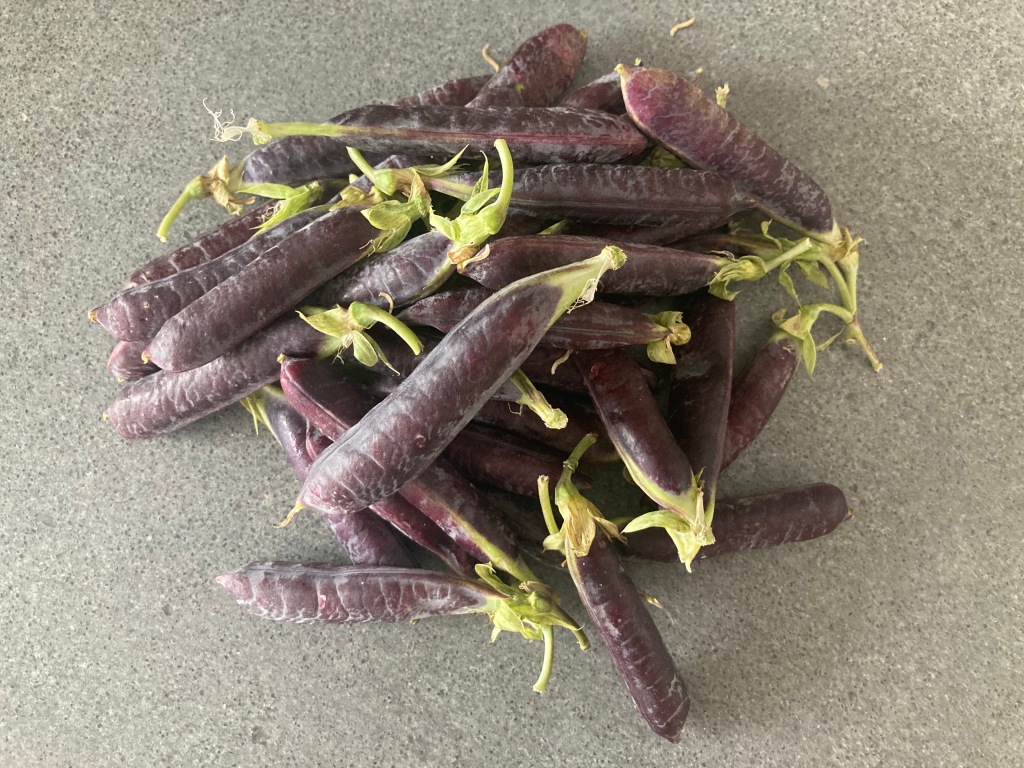
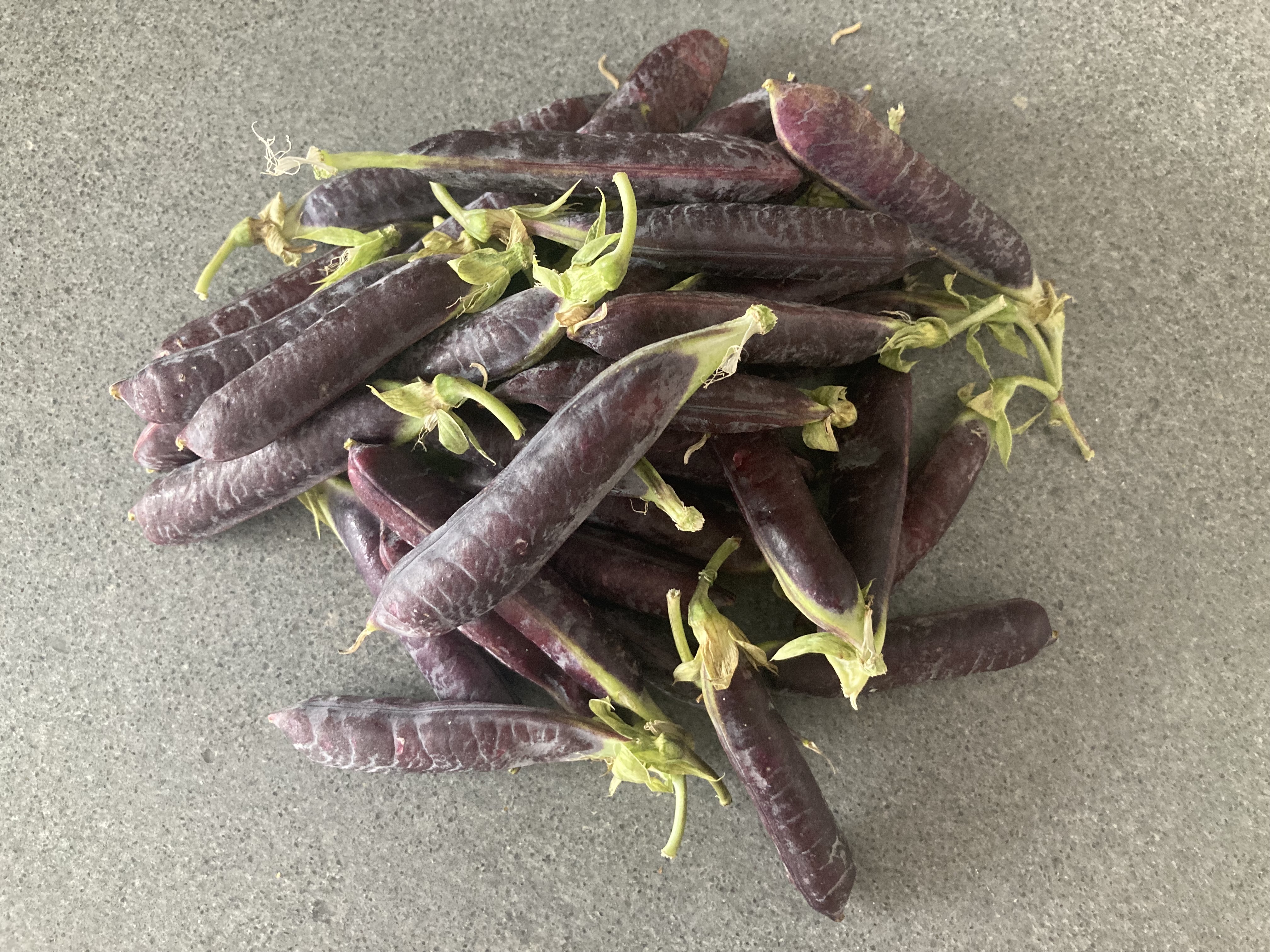
Seasonal products, we simply love them! Fresh field peas are available for a few weeks in June and July only. They are easy to recognise by their purple pod. An old and forgotten vegetable, perhaps because the (older) peas tend to be starchy and not very tasteful.
Young field peas, however, are sweet and moist with a good texture. Combining them with summer savory is a great idea, but if you want to give your field peas a more modern twist, then replace the savory with fresh oregano.
Field peas, different from fresh green peas, require some fat or oil. The combination with for instance crispy fried pork belly works really well. Simple, a bit old fashioned and delicious.

Wine Pairing

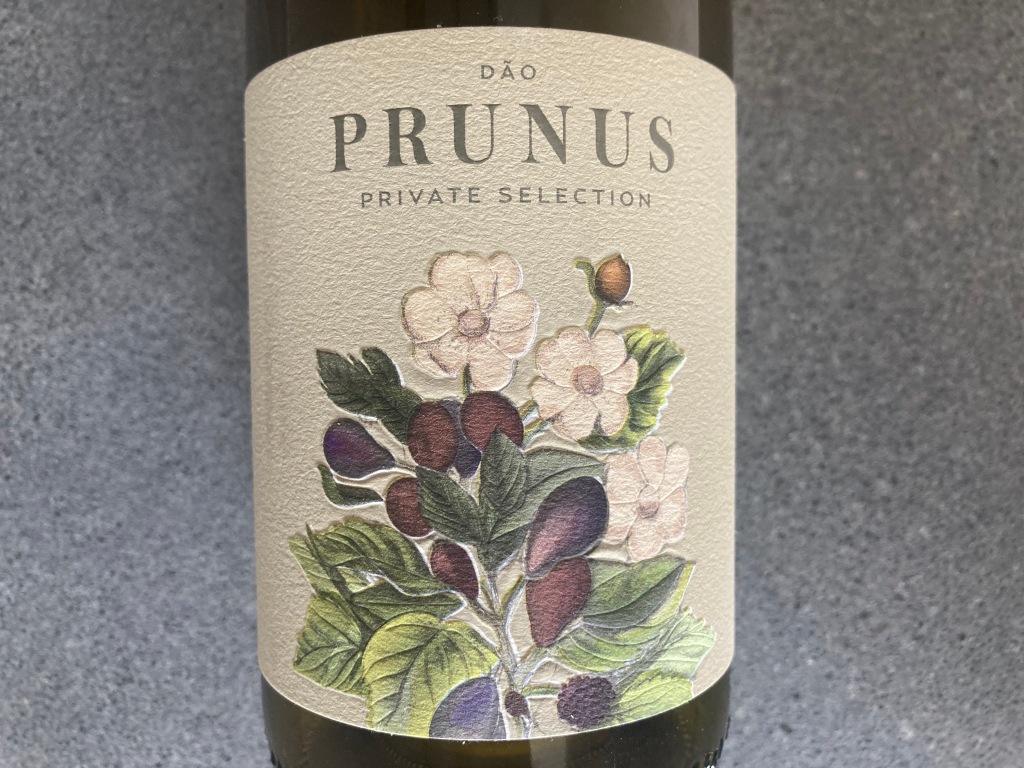
We combined our field peas with pork fillet. The dish is robust, so we decided to drink a red wine from the Dão region in Portugal, to be more precise we enjoyed a glass of Prunus as produced by Gotawine. One of our favourites! It has lots of dark fruit (plums, blackberries, cherries), it is lightly oaked and its taste is fruity, long and well balanced. Grapes include Jaen (also known as Menci), Tempranillo and Touriga Nacional. In general you’re looking for a medium bodied, not too complex, yet elegant red wine.

What You Need

  • Fresh Field Peas
  • Sprigs of Summer Savory
  • Olive Oil

What You Do

Shell the peas and steam them for 4 minutes maximum. Let cool and set aside. Heat a small skillet, add olive oil, reduce heat and very gently fry the peas. Add some finely chopped summer savory. Mix. Just before serving add the remaining chopped savory, mix and serve.

If you combine the field peas with pork fillet, then use excellent organic fillet only. Fry the fillet in a heavy iron skillet until nearly done. Wrap in foil and leave to rest for 10 minutes. Add the meat juices to the pan, add some mustard and (vegetable, veal or chicken) stock. Reduce. Add some cold water to help the emulsification. Slice the fillet. It should be a touch pink. Serve with some black pepper and the jus.

  • Field Peas with Summer Savory ©cadwu
  • Fresh Field Peas ©cadwu
  • Prunus Label ©cadwu