Tourtes de Blettes Sucrée

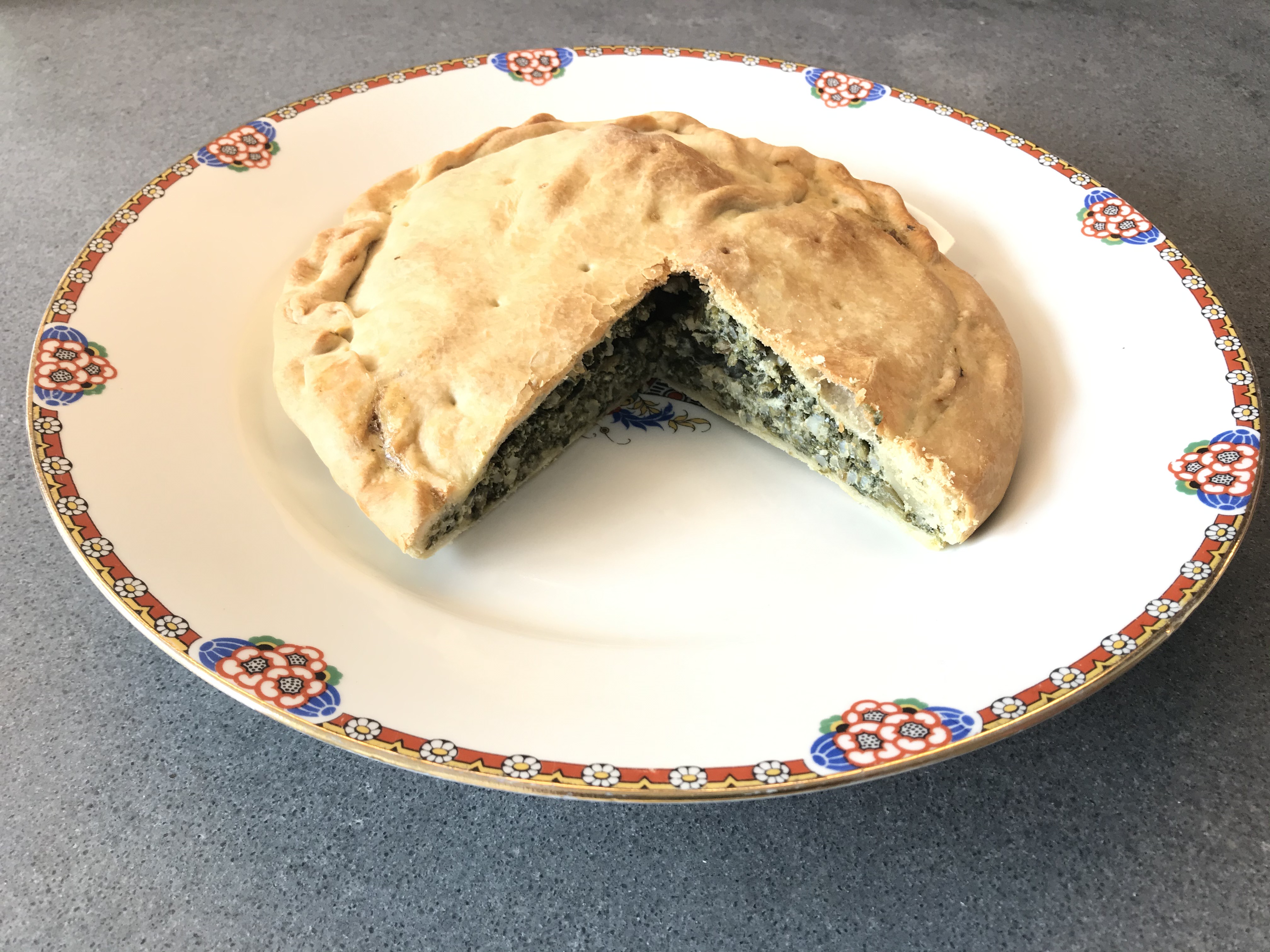
A sweet pie with vegetables, Parmesan cheese and black pepper? It does sound a bit odd but actually the pie is very tasty and the savoury ingredients support the sweet character of the pie.
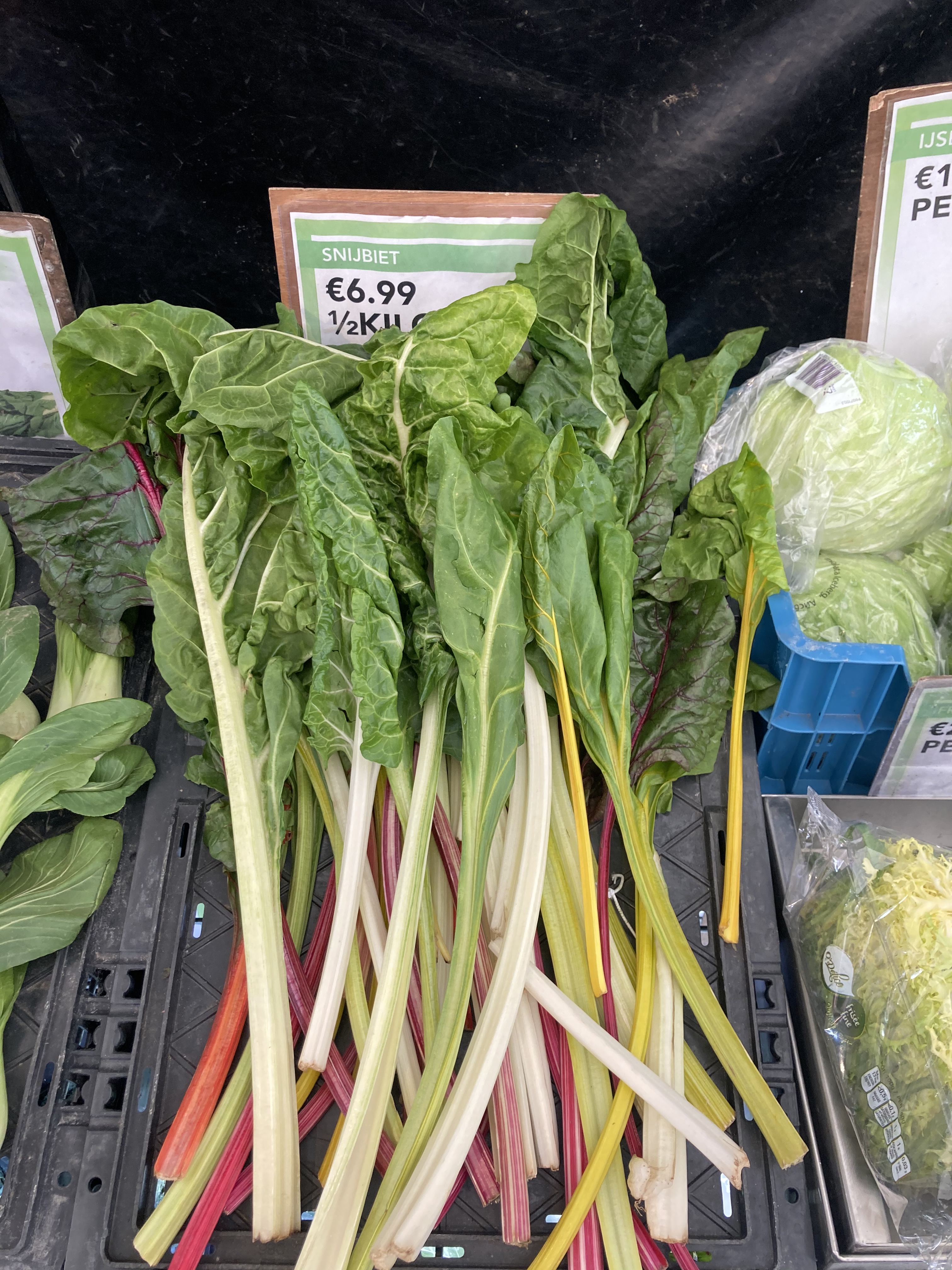
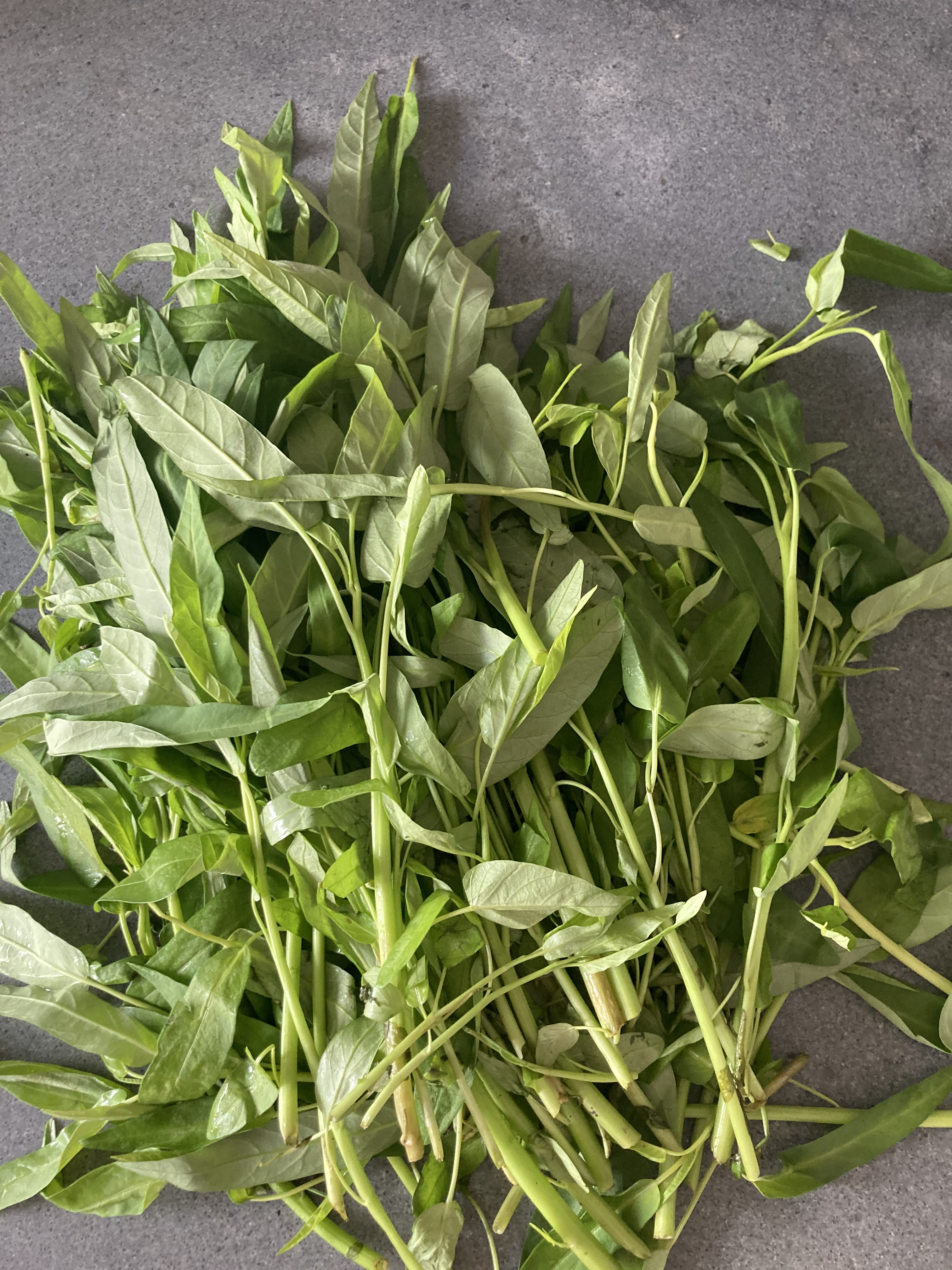
The pie is made with Blette, also known as Swiss ChardLeaf BeetSilver BeetSpinach BeetBietola (Italy), Bléa (France), Acelga (Spain), Krautsteil (Germany, Switzerland) and Snijbiet (the Netherlands). Once a popular vegetable, it can be hard to find or expensive. When preparing a savoury Tourte de Blettes we used Water Spinach (also known as Kang Koen or Ong Choy) which is a very popular vegetable in Asia. The leaves have lots of structure and the (hollow) stems are tasty and crunchy. 

As you would expect with a classic pie like this, recipes vary, Very often the tourte is made with sweet shortcrust pastry (butter, eggs, sugar and sometimes orange blossom water). The filling contains chard, Parmesan cheese, sugar, eau de vie, raisins, eggs, apples and pine nuts. We’re not keen on using pine nuts, so we didn’t add these to our filling. We thought it would be nice to add the orange blossom aroma to the filling, not to the pastry.

What You Need (Pastry)
  • 50 grams of White Caster Sugar
  • 100 grams of soft Unsalted Butter
  • ½ Egg (beaten)
  • 1 gram of Salt
  • 150 grams of All Purpose Flour
  • Cold Water (if the pastry is dry)
What You Do

Adding egg to the dough makes its flavour richer and easier to handle when lining the baking tin. Start by combining the sugar and the butter. Use a hand mixer with kneading hooks. When mixed, add halve of the beaten egg. Combine salt and flour. Pass through a sieve and add to the mixture. Use the kneading hooks to mix. When done, remove from the bowl and wrap in foil. Store in the refrigerator for at least two hours. The dough freezes well, so it’s a great idea to make a bit extra.

What You Need (Filling)
  • 500 grams of Chard
  • Handful of Raisins
  • 25 grams of Parmesan Cheese
  • 50 grams of Sugar
  • 1 or 2 teaspoons of Orange Blossom Water
  • Black Pepper
  • 1 Egg
  • Olive Oil
  • ½ Sour Apple (Bramley, Goudrenet)
What You Do
  1. Wash the chard, remove and discard the stems.
  2. Coarsely slice the leaves.
  3. Whisk the egg.
  4. Soak the raisins for 15 minutes in water (or rum). Pat dry.
  5. Peel and slice the apple into small cubes.
  6. Combine chard, raisins, grated cheese, sugar, orange blossom water, black pepper and a splash of olive oil. Be generous with the black pepper and the cheese. Mix.
  7. Add the beaten egg and mix.
  8. Divide the pastry in two.
  9. Line a baking tin with the pastry, prick holes in the pastry using a fork (docking).
  10. Add the filling, sprinkle with apple cubes, top with the remaining pastry and close.
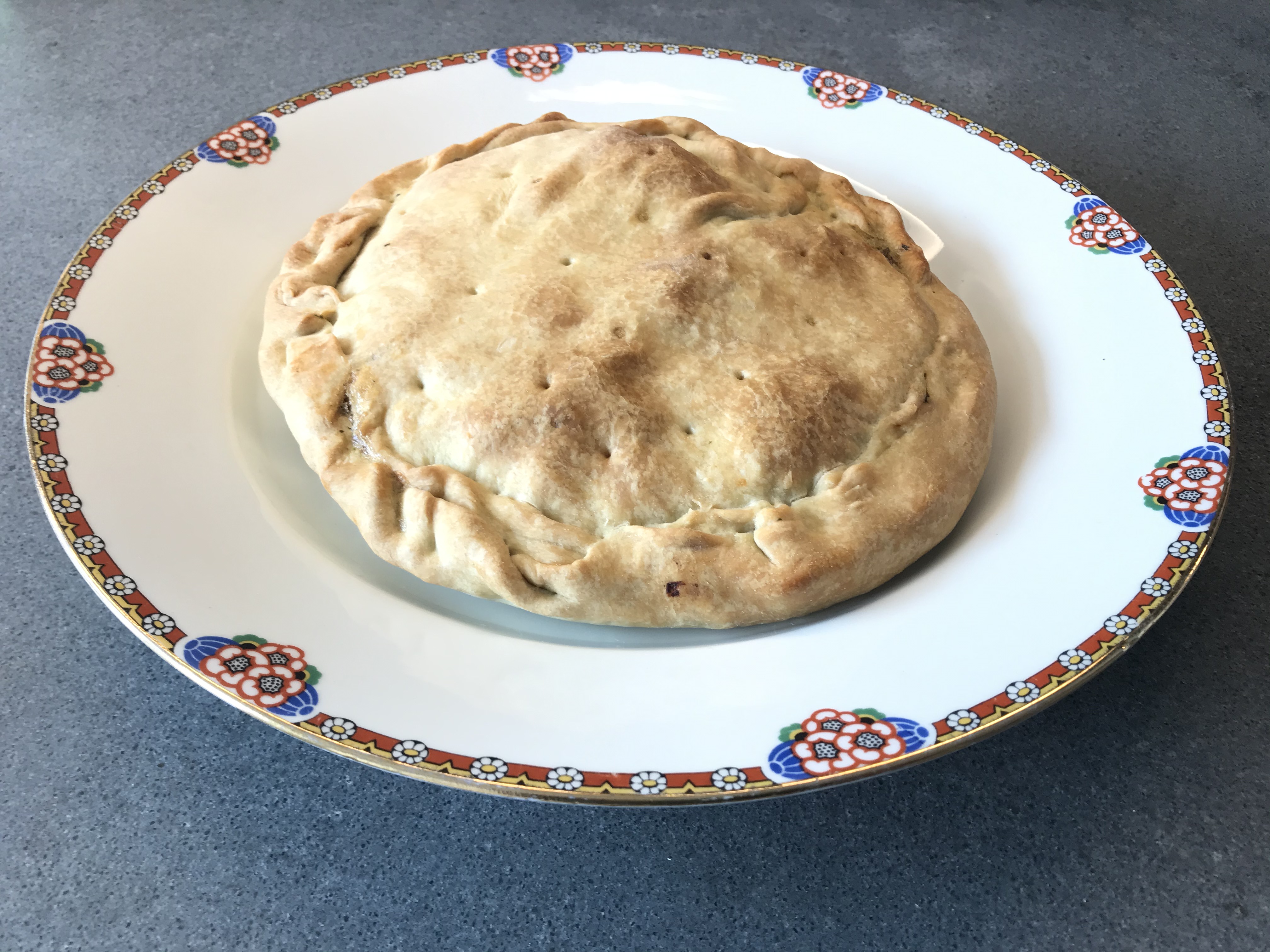
  11. Prick holes in the pastry. Or apply the method of Cornish pasty, as we did.
  12. Bake in the oven at 180 °C or 355 °F for 30 minutes.
  13. Allow to rest on an oven rack.
  14. Best to be enjoyed the next day, so you must be a little patient.
  15. Dust with icing sugar.
PS

We must admit we took a short cut by using readymade Pâte Brisée. This is shortcrust pastry, without sugar. Perhaps it’s a good idea to reduce the amount of sugar in the pastry or skip it all together!

Beet Greens Pie

Such a cheap and delicious vegetable: beets! Grilled, cooked, braised, combined with other vegetables or on its own, as a salad or straight from the oven. And so many varieties! Deep red, orange (chiogga), purple, golden and even white. All these beets have one thing in common: they come with leafs, with greens. Most retailers (and their customers) are not interested in the greens and therefore the leaves are discarded before the beets reach the shop. Which is a pity because they are as tasty as the beets. Use the greens in a salad, prepare them like you would prepare spinach or, even tastier, use the leaves as main ingredient of a pie.

Tourte de Blette

Some time ago we published the recipe for Tourte de Blette. When preparing it we were inspired by a dear friend who bases her Tourte on the Italian Torta Verde del Ponente Ligure. This is a very similar dish with zucchini, chard, basil, sage, rise, onion, Grana Padano or Parmesan and eggs. The dough of the Torta Verde is easy to work with and the result is both tasty and crunchy. It works really well for our Tourte de Blette so we decided to use it for this pie as well.

Wine Pairing

A not too complex white wine will be a great idea. You could also drink a glass of rosé with it, for instance a Côtes de Provence. Drinking a beer with your pie is also an excellent idea.

What You Need

  • For the Dough
    • 100 gram of Flour
    • 50 gram of Water
    • 10 gram of Olive Oil
    • 1 gram of Salt
  • For the Mixture
    • Greens of 3 or 4 Beets
    • One Shallot
    • Olive Oil
    • 50 grams of Cooked Rice
    • 1 or 2 Eggs
    • 50 gram Freshly Grated Parmesan Cheese
    • Black Pepper

What You Do

Cook the rice and leave to rest.  Combine flour, salt, water and olive oil. Make the dough, kneed for a minute or so and store in the refrigerator for at least 30 minutes.
Remove the leaves from the stem and chop the stems. Slice the leaves coarsely. Best is to have the stem slices the size of the cooked rice. Same for the shallot. Warm a large heavy skillet, gently fry the shallot. After 10 minutes add the chopped stems. Leave for 10 minutes and then add the leaves. Cook for a few minutes until done. Transfer to a plate and let cool.
Slice the mixture using a kitchen knife. Whisk the two eggs. Combine the vegetables, the egg, the rice and the freshly grated Parmesan cheese. Add black pepper.
Cut the dough in two, one part slightly bigger than the other. The bigger part will be the bottom, the smaller part the top. Roll out the bigger one with a rolling pin on a lightly floured surface. Coat a 15 cm or 6 inch round baking form with oil (or use a sheet of baking paper). Place the first disk in the baking form, add filling and close with the second disk of dough. Fold the edge of the top piece of dough over and under the edge of the bottom piece of dough, pressing together. Make holes in the top, allowing for the steam to escape. Transfer to the oven for 40 – 50 minutes on 180˚ – 200˚ Celsius or 355˚ – 390˚ Fahrenheit. Immediately after having removed the pie from the oven, brush the top with olive oil. This will intensify the colour of the crust. Let cool and enjoy luke warm.

Tourte de Blette

For many years Chard was a popular and cheap vegetable. It has many names, including Bietola (Italy), Blette, Bléa (France), Acelga (Spain), Krautstiel, Stielmangold, Mangold (Germany, Switzerland), Snijbiet (the Netherlands) and also Swiss Chard, Leaf Beet, Silver Beet, Spinach Beet and Seakale Beet.
Many names equals many recipes and easy to buy? Not at all. Nowadays it’s hard to find chard and the number of recipes is limited. According to Dutch Food Critic and Culinary Legend Johannes van Dam the chard leaves wither quickly, making it a difficult product for supermarkets. The image of chard is not positive: ‘Poor Man’s Asparagus’ for the stems for instance. Another reason is probably the fact that the leaves require a different preparation than the stems.
Johannes van Dam gives a number of recipes, including what he refers to as the primal recipe from Italy for Tourte de Blette and the recipe for Bledes amb panses I pinyons from Menorca.

Tourte de Blette

When in Nice we very much enjoyed our Tourte de Blette, locally known as Tourta de Bléa. It comes in two varieties: sweet and savoury. If you want to prepare the sweet one, please visit the inspiring Variations Gourmandes.

The crust of the Tourte de Blette is not straightforward. In most cases it’s a combination of flour, water, butter (or olive oil) and eggs. We were inspired by a dear friend who bases her Tourte on the Italian Torta Verde del Ponente Ligure. This is a very similar dish with zucchini, chard, basil, sage, rise, onion, Grana Padano or Parmesan and eggs. The dough of the Torta Verde is easy to work with and the result is both tasty and crunchy.

Back to the main ingredient of the Tourte de Blette: the chard. We found it on the Amsterdam Albert Cuyp market but were shocked by the price, so we had to look for an alternative. We decided not to use normal spinach because it doesn’t have the right structure. We choose water spinach (also know as Kang Koen or Ong Choy): a very popular vegetable in Asia. The leaves have lots of structure and the (hollow) stems are tasty and crunchy.

Wine Pairing

Obviously a wine from the region, for instance a Côtes de Provence (preferably rosé) or a more expensive Bellet Blanc.

What You Need

  • For the Dough
    • 200 gram of Flour
    • 100 gram of Water
    • 20 gram of Olive Oil
    • 2,5 gram of Salt
  • For the Mixture
    • 500 gram of Water Spinach
    • One Shallot
    • Olive Oil
    • 50 grams of Rice
    • 2 Eggs
    • Fresh Nutmeg
    • 75 gram Freshly Grated Parmesan Cheese

What You Do

  1. Cook the rice and leave to rest
  2. Combine flour, salt, water and olive oil
  3. Make the dough, kneed for a minute or so and store in the refrigerator for at least 30 minutes
  4. Remove the leaves from the stem and chop half of the stems. Best is to have the stem slices the size of cooked rice
  5. Same for the shallot
  6. Warm a large heavy skillet
  7. Gently fry the shallot
  8. After 10 minutes add the chopped stems
  9. Leave for 5 minutes and then add the leaves
  10. Cook for a few minutes until done
  11. Transfer to a plate and let cool
  12. Slice the leaves using a kitchen knife
  13. Whisk the two eggs
  14. Combine the vegetables, the egg, the rice and the freshly grated Parmesan cheese
  15. Generously add freshly grated nutmeg
  16. Cut the dough in two, one part slightly bigger than the other. The bigger part will be the bottom, the smaller part the top
  17. Roll out the bigger one with a rolling pin on a lightly floured surface
  18. Coat a 22 cm or 9 inch round baking form with oil (or use a sheet of baking paper)
  19. Place the first disk in the baking form, add filling and close with the second disk of dough
  20. Fold the edge of the top piece of dough over and under the edge of the bottom piece of dough, pressing together
  21. Make holes in the top, allowing for the steam to escape
  22. Transfer to the oven for 40 – 50 minutes on 180˚ – 200˚ Celsius or 355˚ – 390˚ Fahrenheit
  23. Immediately after having removed the tourte from the oven, brush the top with olive oil. This will intensify the colour of the crust
  24. Let cool and enjoy luke warm.