Roasted Bell Peppers

The recipe of Peperoni alla Piemontese goes back to 1954 when Elizabeth David published it in her (third) book Italian Food. The dish is a true classic. Super simple, tasty, uplifting and a tribute to summer.  The recipe as published by Elizabeth David was popularised by Delia Smith in her TV series and her book Summer Collection, published in 1993. A helpful video is available via her website.
Bell peppers are popular in Piemonte and it seems they were originally prepared with anchovies and parsley only. It was probably Elizabeth David who came up with the idea to add tomatoes. Later others added tuna, which we think takes away the lightness of the dish. Another option is to replace the anchovies with black olives, making it a vegetarian dish.
We prefer using sweet long bell peppers. They combine very well with the flavour of the tomatoes and the juices. Delia Smith uses quartered, peeled tomatoes which helps to brings the flavours and textures together. Our alternative is a bit more work: we use tomato confit. The tomatoes are very tasty with hints of garlic, rosemary and thyme.

Wine Pairing

Enjoy the roasted peppers with a crisp white wine or rosé. If you want to spend some money, then buy a bottle of white Piemonte wine, made with the arneis grape. The wine is made in the Roero area close to the village of Canale. A wine with a bright, intense yellow colour, present aromas of ripe fruit (especially apples), very fragrant. The taste is delicate and fruity with good acidity and a long finish.

What You Need
  • 2 Sweet Bell Peppers
  • 8 Tomato Confit
  • 4 Anchovies
  • 1 Clove of Garlic
  • Black Pepper (optional)
  • Olive Oil
What You Do

Preheat your oven to 180 °C or 350 °F. Halve the bell peppers lengthwise. Slice the garlic. Chop the anchovies. Use a shallow baking dish. Add 2 tomatoes, some garlic, some anchovies and a generous amount of olive oil (and/or cooking juices of the confit) to each halved bell pepper. Transfer to the oven. The peppers will be ready in 30+ minutes. Enjoy with crusted bread. No need to serve with basil!

Claudia Roden – The Book of Jewish Food, part 1

The cookbook review project by Bernadette is a great way to explore cookbooks. The book of Jewish Food by Claudia Roden was not yet on our bookshelf, so we bought a copy of the 25th edition for 40 euro.  Its subtitle is An Odyssey from Samarkand and Vilna to the present day. The book combines more than 800 recipes with the stories and histories that have shaped Jewish cooking over the centuries. The book showcases the diversity of Jewish food. 

The first time we saw Claudia Roden was during the 2016 Amsterdam Symposium on the History of Food. In 1999 she received the Prince Claus Award in recognition of her exceptional initiatives and achievements in the field of culture. She is author of the classic comprehensive book Food of Italy and member of the jury of the prestigious Johannes van Dam prize, awarded in 2016 to Yotam Ottolenghi. We were far too impressed to actually talk to her. A bit silly, agreed, and we will make up for it in April 2025 during the next Symposium.

The Netherlands

The Dutch Jewish community plays an important role in the Netherlands, and more specifically in Amsterdam. The community was formed in the seventeenth century by people who came from Portugal (Sephardi Jews) and from Germany and Eastern Europe (Ashkenazi Jews). In general the first group was worldly, cultured and well connected to the Dutch upper classes. The second group was poor and unskilled. They worked as market traders, food sellers (for instance pickled vegetables and salted herring with chopped onions, which is still a Dutch treat) and pedlars.

Over the years both groups influenced Dutch cuisine. According to food author and publisher Jonah Freud dishes such as Haringsalade met Bietjes (see here for our version) and Broodje Halfom (a bun with beef liver and salted beef (somewhat similar to pastrami) with white pepper) are typical examples of the Jewish influence on Dutch cuisine. Gemberbolussen (a sweet cake with ginger) and Kugel (a cake with almonds and pears) are still widely available in Amsterdam.

Two Recipes

We decided to make two recipes from the book. Boterkoek is very typical for the Netherlands. A rich combination of lots of butter, sugar, flour and a pinch of salt. Classic and easy to make. We slightly adjusted Claudia Roden’s recipe, inspired by Dutch Pâtissier Cees Holtkamp. Early on during his career he learned how to bake Boterkoek when he worked for a Jewish Bakery. 

The second recipe is for Aliyah, stewed chicken with tomatoes, tamarind, cilantro and basil. An intriguing combination and one we simply had to try. The recipe originates from the Georgian town of Kulashi. This small town was once the home of one of the largest Georgian Jewish communities.

Obviously we decided to enjoy a kosher wine with the Aliyah. We bought a bottle of Barkan Classic Merlot-Argaman 2021. The Argaman grape (an Israeli creation) is combined with Merlot. The result is an intensely coloured red wine with dark fruit, supple tannins and depth. In general, we would suggest a medium to full-bodied red wine with sufficient depth and length.

Your Bookshelf

We think this book should be on your bookshelf. It’s about (Jewish) culture, about how food is part of our shared culture, how we are all connected and how food can help us understand history. It took Claudia Roden 16 years to write it. We can only thank her for this impressive and relevant achievement.

The book of Jewish Food by Claudia Roden is available via your local bookstore or the usual channels for approximately 50 US$ or 40 euro.

Recipes for Joodse Boterkoek and Aliyah on Bernadette’s website.

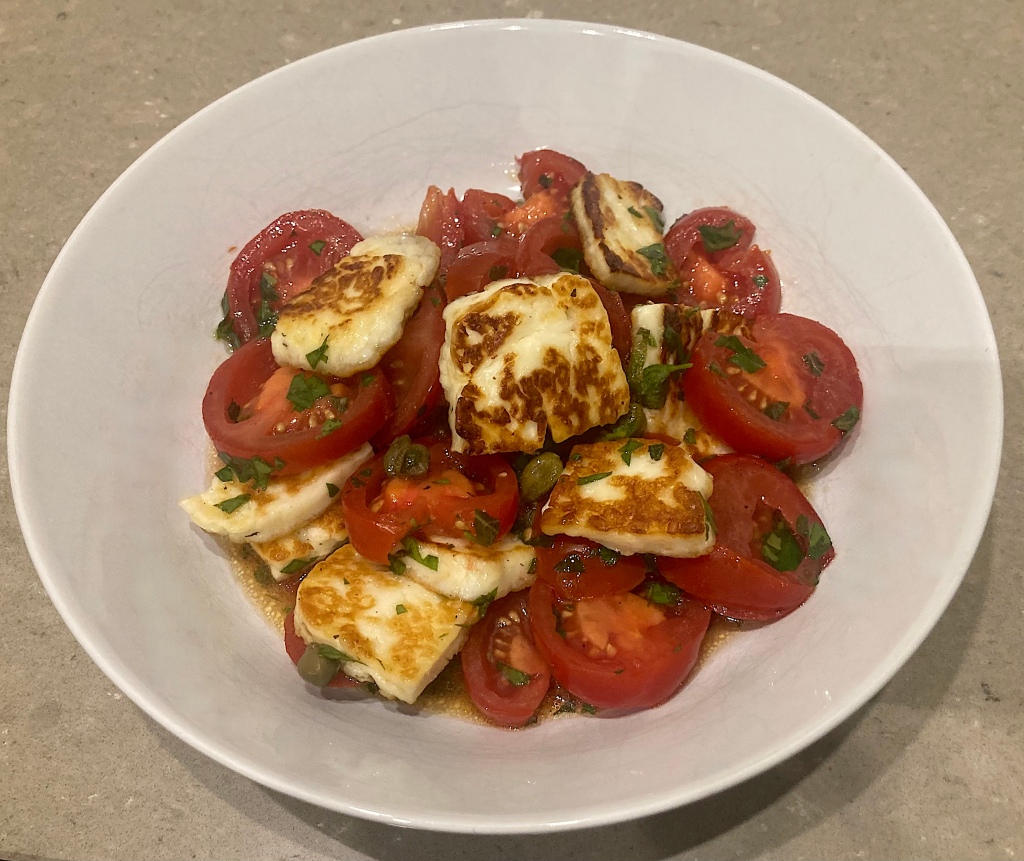
Tomato and Halloumi Salad

A simple and lovely salad, one that works very well as a starter with some crusted bread. Tomatoes, a touch of mint, parsley and warm halloumi. One of the first times we made this we used homegrown, ripe and tasty tomatoes. We also prepared the dish using tomatoes that were rather bland. That wasn’t much of a success.
The history of halloumi goes back centuries. Nowadays it’s a cheese made of goat’s and sheep’s milk. Sometimes cow’s milk is added to the mixture. In the EU it’s a protected product and must be produced in Cyprus. Because of its high melting point it’s ideal to grill or fry, although it can remain a bit firm and chewy. During the final phase of the production process the cheese is salted and sprinkled with chopped spearmint leaves.
Mint is also an essential ingredient of the salad. We tend to use it only occasionally because mint can be overpowering. It works very well in combination with the cheese and the tomatoes. It gives a boost to the flavours without being overly present.

Wine Pairing

A glass of rosé, a simple unoaked white wine or a beer will be great with the salad. When looking for a wine to go with a salad, make sure to think about the acidity. In general a more acidic salad requires a more acidic wine. The combination will make the wine fruiter and the salad softer. In this case the tomatoes, the dressing and the capers bring acidity. However, marinating the tomatoes makes the salad softer and emphasises the sweetness of the tomatoes. 

What You Need

  • Six excellent, tasty, ripe Tomatoes
  • 6 leaves of Mint
  • Parsley
  • Olive Oil
  • Vinegar
  • Teaspoon of Capers (in brine)
  • Black Pepper
  • Halloumi

What you Do

Core and slice the tomatoes. Chop the parsley and the mint. Combine oil and vinegar, add tomatoes, mix and add the herbs. Transfer to the refrigerator for a few hours. Mix every hour.
Slice the halloumi and fry on medium heat in olive oil. Turn regularly. Add the capers to the salad, mix, top with the fried halloumi and serve immediately with crusted bread.

Tomato and Halloumi Salad ©cadwu

Pasta with Tomato Balls

Recently we reviewed Oh She Glows for Dinner by Angela Liddon as part of the great cookbook review project by Bernadette. Angela Liddons aim is to create tasty, colourful, nutritious, vegan, simple, healthy, easy to make food that you can prepare in just a few minutes. Unfortunately, her book shows that this is nearly impossible. Nevertheless, we liked her idea for a burger with tomato-based patties. We changed the recipe and turned the dish into Pasta with Tomato Balls. It’s certainly a tasty, healthy and colourful dish, but not one you can make in a few minutes.

Wine Pairing

Tomatoes come with acidity, an aspect to keep in mind when choosing your wine. Cooking the tomatoes reduces the acidity and enhances the sweetness and depth of the tomatoes. In this case you could go for a non-oaky white wine (Pinot Grigio, Soave Classico) or for a red wine with soft tannins (Chianti, Sangiovese). A glass of crisp rosé will also be fine, so the choice is yours, as long it’s not an oaky chardonnay or a tannic red wine.

What You Need

  • Tomato Balls
    • 30 grams Brown Lentils
    • Vegetarian Stock
    • Bouquet Garni (Thyme, Parsley, Bay Leaf, Chives)
    • 1 small Red Onion
    • 1 Garlic Clove
    • 40 grams of roasted Cashews
    • 40 grams of roasted Hazelnuts
    • 5 grams (or more) of dried Oregano
    • 25 grams Sun Dried Tomatoes
    • Teaspoon Tomato Paste 
    • Teaspoon Lemon Juice
    • Red Pepper Flakes (to taste)
    • Salt
    • Black Pepper
    • Breadcrumbs
    • Olive Oil
  • Tomato Sauce
  • Orecchiette or Farfalle
  • Parmesan Cheese
  • Basil Leaves

What You Do

Start by washing the lentils. Cook in vegetarian stock with a bouquet garni. Set aside and let cool. Prepare the dried tomatoes: if they are salted, then wash them thoroughly. If they are oil-packed, drain them. Chop the red onion, the garlic clove and the dried tomatoes coarsely. Glaze the onion and the garlic in olive oil. Use a food processor to make a coarse mixture of the cashews, hazelnuts and oregano. Add the chopped tomatoes, the onion, the garlic, the tomato paste, the lentils, the lemon juice and the red pepper flakes (if using). Pulse a few times. Taste and decide if you want to add salt, pepper or lemon juice. Now it’s time to check the consistency. Is it possible to turn the mixture into balls? A bit soggy probably? Add breadcrumbs. Leave the mixture for 15 minutes. Divide the mixture in smaller portions and make balls, using your hands. Bake for a few minutes in a non-stick pan with some olive oil.
In parallel cook the orecchiette or farfalle according to the instruction on the package. Warm a tomato sauce. When all components are ready, add the pasta straight from the pan to the sauce. Add the balls and mix gently.  Finish by adding some freshly grated Parmesan cheese and basil.

Pasta with Tomato Balls ©cadwu

Tomato Burger

Recently we reviewed Oh She Glows for Dinner by Angela Liddon as part of the Cookbook project by Bernadette. A well designed book with lots of colourful pictures of tempting plant based food. Unfortunately we think the food is not always as tasty as Angela Liddon claims it to be, which is unfortunate if you want to enjoy vegan cooking. We made Vegetarian Pasta with Black Beans (not a dish we would recommend) and Bruschetta Veggie Burgers topped with avocado and Perfect Basil Pesto.
The Veggie Burger was colourful and absolutely nutritious, perhaps a bit too sweet for our taste. The original recipe suggests using basil and canned lentils for the patties. The basil didn’t add much flavour and canned lentils are a no-go for us. Based on our experience we changed the recipe, focussing on the tomatoes.

Oh She Glows for Dinner by Angela Liddon is available via your bookstore or the usual channels for € 35,00 or US$20.00.

What You Need

  • 30 grams Green or Brown Lentils
  • Vegetarian Stock
  • Bouquet Garni (optional)
  • 25 grams Sun Dried Tomatoes
  • 1 small Red Onion
  • 1 Garlic Clove
  • 60 grams Roasted Cashews
  • Fresh of Dried Oregano
  • Teaspoon Lemon Juice
  • Black Pepper
  • Breadcrumbs
  • Olive Oil

What You Do

Start by washing and cooking the lentils in vegetarian stock, perhaps with a bouquet garni. Set aside and let cool. Prepare the dried tomatoes: if they are salted, then wash them thoroughly. If they are oil-packed, drain them. Chop the red onion, the garlic clove and the dried tomatoes coarsely. Glaze the onion and the garlic in olive oil. Use a food processor to make a coarse mixture of the cashews and oregano. Add the chopped tomatoes, the onion, the garlic, the lentils and the lemon juice. Pulse a few times. Taste and decide if you want to add pepper or lemon juice. Now it’s time to check the consistency. Is it possible to turn the mixture into patties? A bit soggy probably? Add breadcrumbs. Leave the mixture for 10 minutes. Divide the mixture in 4 (or 2) portions and make patties, using your hands. Bake the patties in a non-stick pan with some olive oil until they are ready and golden.Serve with a nice bun, some salad, sliced tomato, avocado and pesto.

Petits Farcis

Not only do they look delicious, but they also taste delicious: Légumes Farcis or Petits Farcis. Easy to make and always a pleasure to serve. You could buy them ready made from your delicatessen or butcher, but why would you? Prepare them at home the way you personally prefer them, perhaps with some extra shallot, herbs or garlic.

Let’s talk a bit about the farce, the stuffing of the vegetables. It should fill the vegetable, obviously, and remain connected to the vegetable, also when cooked. Its texture must be loosely. This is where most recipes go wrong when they tell you to add panko or breadcrumbs to the farce. Follow this instruction and you will notice that during the cooking process the filling will become smaller and firmer. There you are: a meatball in a tomato. That’s not what you want. Not at all! Lesson learned, no panko, no breadcrumbs.

The meat should be nicely fat, not too finely minced and preferably a combination of porc and veal. Tasty, sufficiently fat and elegant. You could also use sausage meat. When in doubt, ask your butcher.

Wine Pairing

Keep it simple! A dry white wine, a rosé or a nice beer will be perfect. Serve what you think is best with this tasty, juicy and heart-warming food.

What You Need

  • Vegetables such as Tomatoes, Courgette, Red Bell Pepper
  • Minced Meat or Sausage Meat
  • Shallot
  • Parsley
  • Garlic
  • Black Pepper

What You Do

Finely chop the shallot, the garlic and the parsley. Additionally you could use thyme, rosemary or oregano. Combine the meat with the shallot, the garlic, the herbs and black pepper. Cut off the top of the tomato and use a knife and a teaspoon to hollow out the tomato. Keep the pulp and the seeds. Slice the bell pepper lengthwise and remove the seeds and the ribs. Discard. Cut off the top of the courgette and use a teaspoon to hollow out the courgette. Keep the pulp. Add the farce to the vegetables. Close the tomatoes and the courgettes with the caps. Transfer to a baking dish, add some olive oil, the pulp and the seeds of the tomatoes and the courgette to the dish. You could add some extra shallot. Cook in the oven for 45 minutes (depending on the size) on 180 °C or 355 °F.
Enjoy hot or lukewarm (with some of the cooking liquid), perhaps with a simple green salad or rice.

Petits Farcis ©cadwu

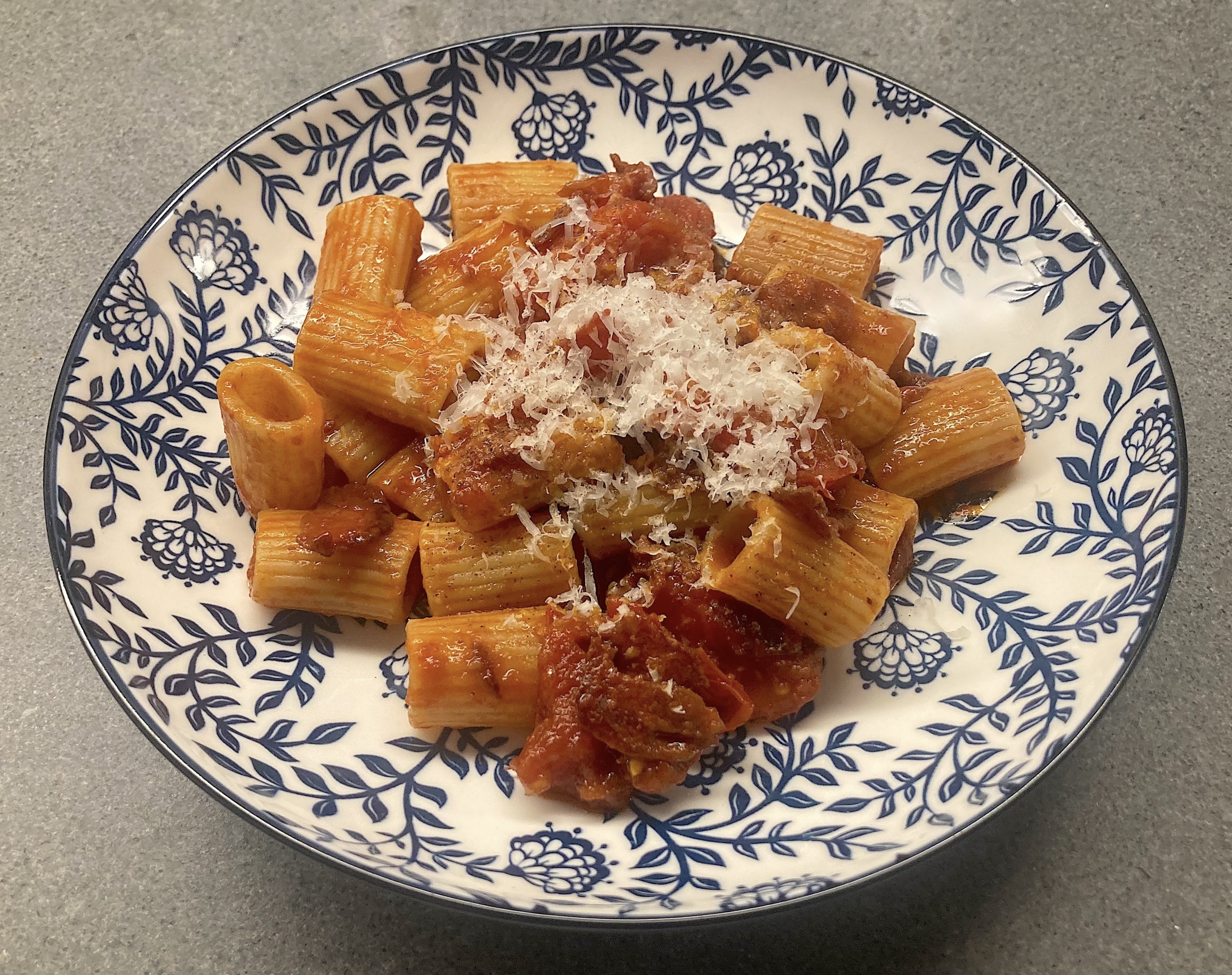
Bucatini All’Amatriciana

Let’s prepare a delicious and simple Italian dish, packed with flavours. The challenge when making Bucatini All’Amatriciana is with getting the right ingredients. You must have Guanciale, Bucatini, San Marzano tomatoes, dried Spanish pepper and Pecorino Romano. Five challenges actually…

Bucatini is an interesting pasta. It looks like thick spaghetti but has a hole running though the centre. Indeed, a dried tube. When cooked it’s different from spaghetti, thicker of course and you need to chew longer, making the dish more filling and the taste longer lasting, without the paste itself being chewy. Could you replace bucatini with spaghetti? Probably yes, although the dish will become simpler.

How about Guanciale (cured pork cheek)? It is the key ingredient of Spaghetti Carbonara. Could you replace it with Pancetta? Probably yes, even Antonio Carluccio uses pancetta when preparing Bucatini All’Amatriciana with Gennaro Contaldo in this video.

Parmesan Cheese? That’s a no-go. We tried the dish with both Parmesan and Pecorino. The version with Parmesan cheese (made from cow milk) was okay, the one made with Pecorino (made from sheep milk) was delicious. The cheese combined very well with the spiciness and sweetness of the sauce.

San Marzano tomatoes have lots of flesh, just a few seeds and the taste is sweet and not very acidic. They are often used for canned tomatoes. If you can’t find San Marzano, then ask your greengrocer for similar tomatoes.

Shopping for the ingredients of Bucatini All’Amatriciana may be a challenge, preparing it is simple. Just keep an eye on the pan and the pasta. Within 30 minutes you can enjoy a classic Italian dish.

Wine Pairing

A red Italian wine is the obvious choice. We opened a bottle of Villa Castello Terre di Chieti Sangiovese 2022. The wine is made with 100% Sangiovese grapes. A touch of oak, not too much alcohol, full bodied, smooth, and with aromas of dark fruit. We loved it with our Bucatini All’Amatriciana. In general, an (Italian) wine made with Sangiovese grapes will be a great choice.

What You Need

  • 150 grams of Guanciale
  • 300 grams San Marzano tomatoes
  • 1 small Yellow Onion
  • 1 dried Spanish Pepper
  • White Wine
  • Bucatini
  • Pecorino Romano

What You Do

Remove the outer layer of the guanciale and dice. Coarsely chop the onion. Wash and dry the tomatoes. Chop, also coarsely. Finely chop the Spanish pepper. Depending on your taste you could use the seeds. Heat a large pan, add the guanciale and fry gently, making sure you get some nice fat without frying the meat crispy. Add the onion, add some of the Spanish pepper and glaze the onion. Add some white wine and reduce the heat. Add the chopped tomatoes and leave to simmer. Taste and perhaps add some more pepper. In parallel cook the bucatini al dente, this will probably take some 10 minutes. When ready transfer the bucatini straight from the water to the sauce, combine and leave for a minute or two. Taste and if necessary, adjust by adding pepper. Serve the Bucatini All’Amatriciana with some freshly grated Pecorino Romano.

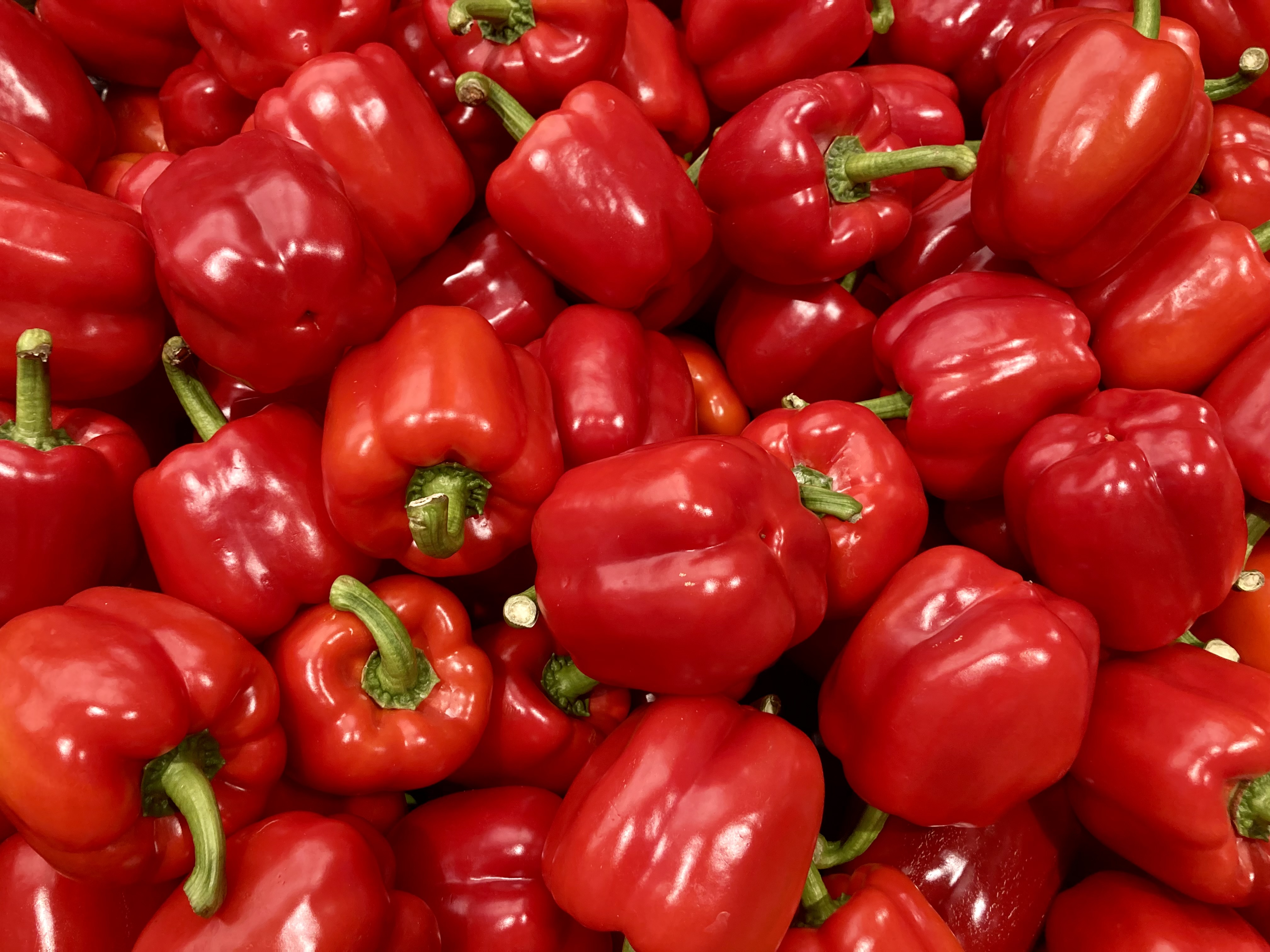
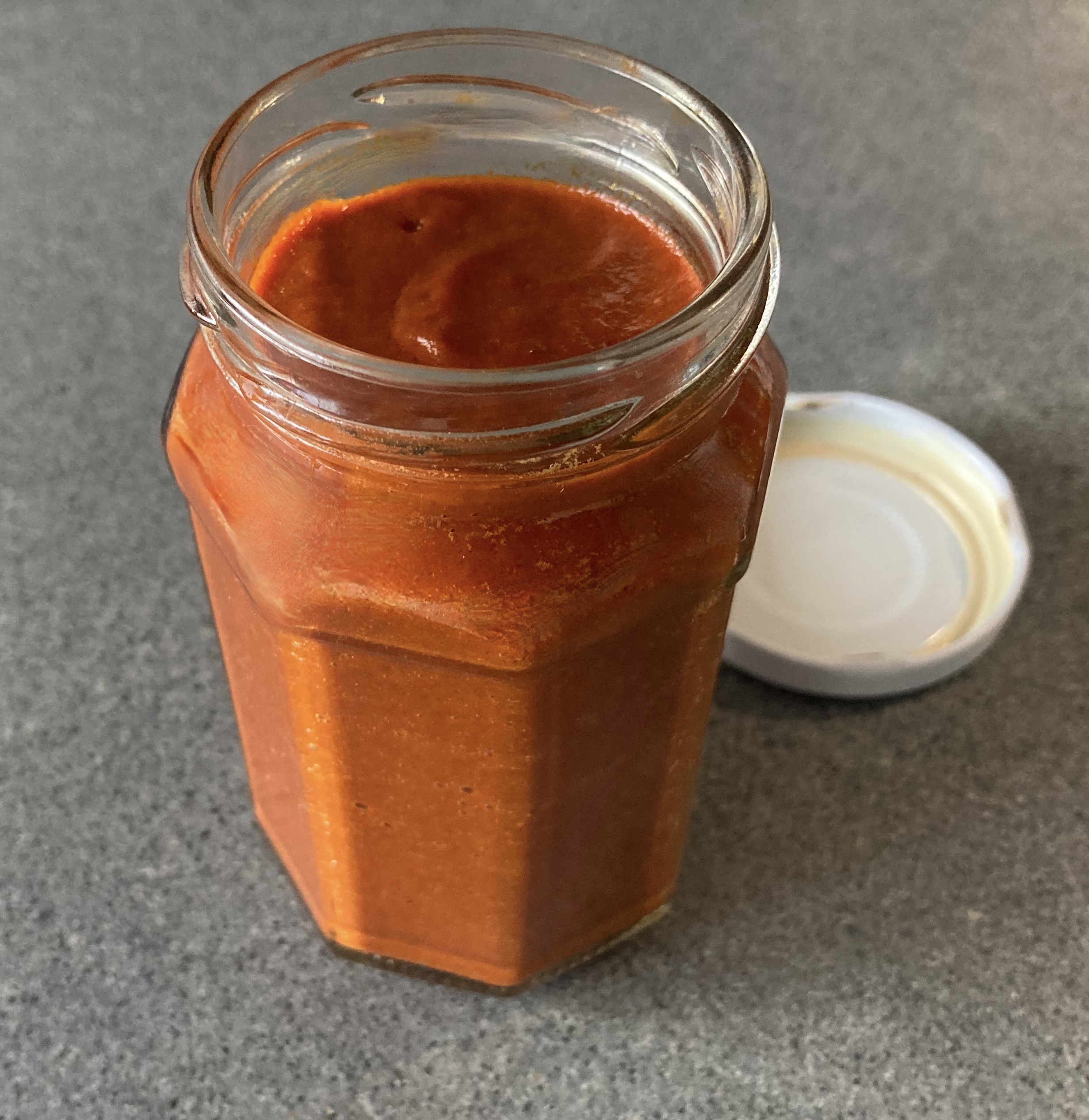
Red Bell Pepper Paste

Sweet, smokey, mild, umami: red bell pepper paste is a great condiment when you’re making a pasta sauce with tomatoes, marinating pork or chicken for a stew or looking for a basis for a spread or dip. Very popular in the Portuguese kitchen (Pasta de Pimiento Rojo).

You could make the paste with red bell peppers only; you could add a pinch of salt or perhaps some garlic. Our alternative has a deeper colour and more intense flavours, thanks to the shallot, garlic and red wine. 

Red Bell Pepper Paste keeps very well in the refrigerator, especially when you store it in a jar under olive oil.

What You Need

  • Red Bell Peppers
  • Optional: Salt, Garlic

What You Do

Clean the bell peppers, remove the seeds and the veins; cut in 4. Transfer to the oven and grill or roast for 10 minutes or until well charred. When still hot, put the bell peppers in a plastic container and close it. After one hour it’s easy to remove the skin of the bell pepper. Chop and blender until smooth and thick. You could add a pinch of salt or some grated garlic.

What You Need (Alternative)

  • Red Bell Peppers
  • Shallot
  • Garlic
  • Red wine
  • Olive Oil

What You Do

Clean the bell peppers, remove the seeds and the veins; cut in 4. Transfer to the oven and grill or roast for 10 minutes or until well charred. When still hot, put the bell peppers in a plastic container and close it. After one hour it’s easy to remove the skin of the bell pepper. Chop the shallot, the bell pepper and the garlic. Add olive oil to a pan, glaze the shallot. Add the garlic. After a few minutes add the chopped red bell pepper and any remaining liquid. Add some red wine and reduce. Repeat this step two or three times. Transfer the content to the food processor and blend until smooth and thick.

PS

We used our red bell pepper paste for a pasta dish with tomato confit.

Tomate aux Crevettes

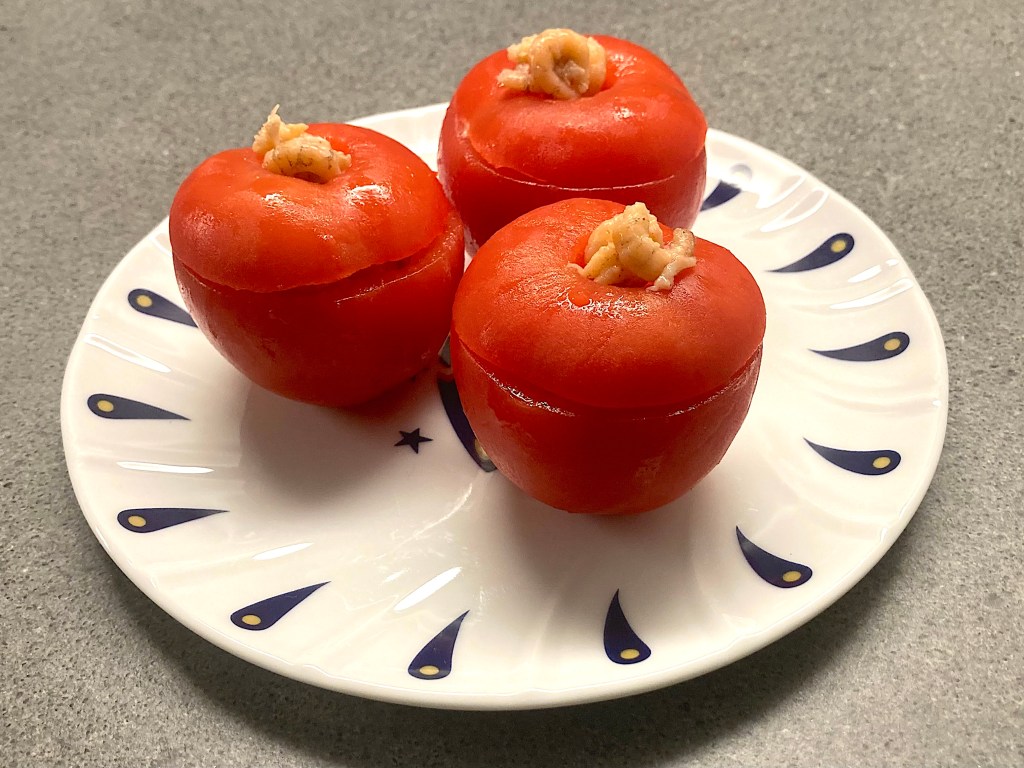
This simple and delicious starter is normally served in Belgium on special occasions. There are three key ingredients: tomatoes, small (grey) shrimps and mayonnaise. The tomato brings sweetness, umami and some acidity, the mayonnaise richness and a velvety mouthfeel and the shrimps saltiness and sweetness. Ideal combination.
We prefer to peel the tomatoes, because it makes it easier to enjoy the dish.
We thought it would be nice to tweak the recipe slightly. These ingredients are listed as optional.

Wine Pairing

We enjoyed our Tomate aux Crevettes with a glass of Muscadet Sevre et Maine sur Lie produced by Domaine Raphael Luneau. This is a very aromatic wine with a strong flavour and a long finish, which goes very well with the taste of the shrimps and the mayonnaise. The term ‘sur lie’ indicates that during a few months the wine stays in contact with the dead yeast cells left over after fermentation. This technique makes the wine more complex.
In general you’re looking for a fresh, light wine with a clear acidity. 

What You Need

  • 6 excellent ripe Tomatoes
  • 100 grams of (grey) small Shrimps
  • Mayonnaise
  • Black Pepper
  • Chervil
  • Optional
    • Ketchup
    • Worcestershire Sauce
    • Lemon
    • Mustard

What You Do

  1. Peel the tomatoes
  2. Cut of the top and remove the green centre,
  3. Remove the inside of the tomato and discard
  4. Dry the inside of the tomatoes
  5. Dry the shrimps
  6. Add some black pepper to the shrimps and mix
  7. Chop the chervil
  8. Classic version: start with a layer of shrimps, then some mayonnaise and chervil, followed by a second layer of shrimps and finish with mayonnaise and chervil
  9. Alternative version: mix the mayonnaise with a squeeze of ketchup, Worcestershire sauce, lemon and mustard. Taste and adjust. Follow step 8
  10. Put the top back on the tomato and decorate with a few shrimps and chervil
Tomate aux Crevettes ©cadwu

Pasta with Tomatoes and Octopus

Happy New Year! Let’s start 2023 with a flavourful pasta dish, inspired by the Portuguese cuisine. A cuisine that is all about food with great flavours, such as bacalhauCaldo Verde, octopus, cuttlefish, and the well known chicken piri-piri and pastel de nata. Octopus is very tasty and it comes with a great texture. The suction cups may be a bit unappealing, but don’t worry, the taste will make up for it.
In this case we use Orecchiette, small ear shaped pasta. The mixture of tomato and octopus is not like a sauce, so the paste should function as a carrier (a mini spoon) of the mixture. Enjoy quality pasta with slightly acidic tomatoes, rich octopus and refreshing parsley.

Wine Pairing

A Portuguese white wine will be a great idea, for instance a Vinho Verde. You could also go for a Spanish Verdejo from Rueda. Look for characteristics like fresh, fruity, clear acidity, subtle bitterness, minerality and full bodied. We enjoyed a glass of Pazo das Tapias Finca os Cobatos, from Monterrei in Spain made with Godello grapes.

What You Need

  • 2 Octopus Tentacles (cooked)
  • 2 Large Tomatoes
  • 2 Gloves of Fresh Garlic
  • Parsley
  • Jerez Vinegar
  • Black Pepper
  • Olive Oil
  • Pasta (Orecchiette)

What You do

Quarter the tomatoes, slice the garlic (not too small) and fry gently in a warm pan with olive oil. Set to low heat. In parallel heat a heavy iron skillet. Remove the gelatinous substance from the tentacles, dry them, coat with olive oil and fry. Cook the orecchiette according to the pack. With only 5 minutes to go for the pasta, slice the octopus in small chunks (depending on the size of the pasta), add the octopus to the tomato mixture and add half of the chopped parsley. Just before serving the dish, add some Jerez vinegar to the mixture. Add the remaining parsley and black pepper. Drain the pasta, keep some of the cooking liquid and add the pasta to the mixture. Combine, decide if you want to add some cooking liquid or perhaps some olive oil. Serve immediately on a hot plate.

Pasta with Tomatoes and Octopus ©cadwu