Satureja or Savory

The traditional way of eating Fava Beans in the Netherlands is by combining them with an herb called ‘bonenkruid’. The name isn’t very helpful, it translates into ‘bean herb’, so it’s ‘beans with bean herb’. The tradition is based on the idea that the herb would help your body digest the fava beans and that it would compensate for the bitterness of the inner skin of the beans.

Given its name we didn’t pay too much attention to ‘bean herb’, until we saw it in France, where it’s called ‘sarriette’. In English it’s ‘satureja’ or ‘savory’. It turns out to be a very tasty herb, related to rosemary and thyme. It is one of the main herbs in Herbes de Provence, together with marjoram, rosemary, thyme, and oregano.

Its history goes back to Roman times, when it was one of the main ingredients of Garum (or Liquamen), the fermented fish sauce that was used to flavour food. Amongst the herbs used in garum are cilantro, dill, fennel, celery, mint, thyme, oregano and clary sage. The Romans also used satureja as an aphrodisiac.

In her book Van Soeter Cokene Professor Van Winter describes a recipe from 1430 for Crustade, a pie with veal, various herbs (satureja, sage, parsley, hyssop) and spices such as cinnamon, saffron, cloves and mace. According to Van Winter one of the first recipes to combine (green) herbs with spices.

Our ‘bonenkruid’ has much more potential than we expected!
We decided to combine it with slowly baked waxy potatoes. They will be very crunchy on the outside and soft on the inside. The satureja makes it into a very light, uplifting side dish, great with Coq au Vin or a hearty stew.

What You Need
  • Waxy Potatoes
  • Satureja
  • Olive Oil
  • Butter
  • (optional) Black Pepper
What You Do
  1. Peel the potatoes, wash and cook until not yet done
  2. Let cool
  3. Heat a heavy iron pan
  4. Add butter and olive oil
  5. Chop the satureja
  6. Slice the potatoes, not too thin, add to the pan and fry on medium heat
  7. Turn the slices every one or two minutes. The potatoes should become very crispy, a touch golden but not brown
  8. When ready to serve, add ¾ of the satureja and mix
  9. Add black pepper (if using)
  10. Serve and add the remainder of the satureja
PS

Making your own garum is perhaps not the most obvious thing to do. We made it once, many years ago. It turned out to be a very tasty and subtle condiment, despite the fairly present aroma.

Satureja ©cadwu
Satureja ©cadwu

Field Peas

Field Peas (Pisum sativum subsp. Arvense, Austrian winter pea, Kapucijner in Dutch or Blaue Speiseerbse in German) are well known as dried or canned peas. Typical winter-food. The season for fresh Field Peas is relatively short (6 weeks in June and July) so we were happy to buy them earlier this week, for a reasonable price. Last year they were incredibly expensive because of a very poor harvest. Ask your greengrocer for Field Peas and explore another forgotten vegetable. One that has been around for over 7000 years!

Fresh Field Peas are tasty, sometimes a bit dry and should be eaten young. Best is to combine them with rich flavours and butter or oil. We could imagine adding Satureja to a dish with Field Peas. We combined the peas with bacon and served them with Boudin Blanc and mustard.

Wine Pairing

A not too complex red wine will be great with the rich flavours of this dish. We enjoyed a glass of Rioja made by Campo Viejo. The wine is made with tempranillo grapes. It’s an aromatic, fairly bold, dry red wine with pleasant tannins. 

What You Need
  • 500 grams of fresh Field Peas
  • Olive Oil
  • 100 grams of Bacon
  • Black Pepper
  • (optional) Boudin Blanc and French mustard
What You Do
  1. Shell the peas
  2. Cook or steam the peas 5 minutes or until al dente
  3. Drain and let cool
  4. Add olive oil to a warm heavy iron skillet
  5. Add peas and bacon to the pan and fry on medium heat for 10 minutes
  6. Stir to combine the flavours
  7. In parallel fry the boudin blanc
  8. Add black pepper and serve with French mustard
A dish with fresh Field Peas, Bacon and Boudin Blanc ©cadwu
Fresh Field Peas ©cadwu

Helianthus with Blue Cheese

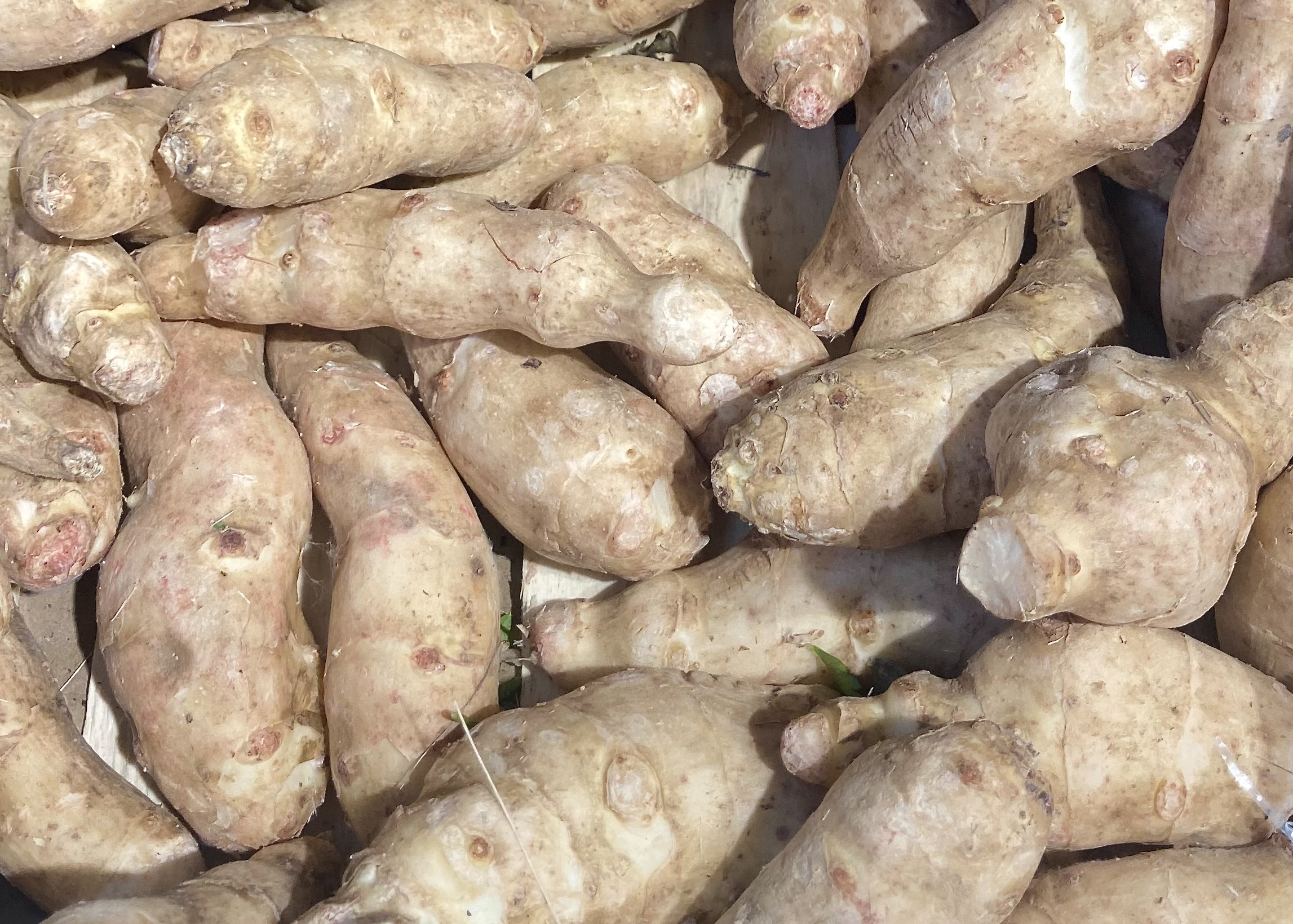
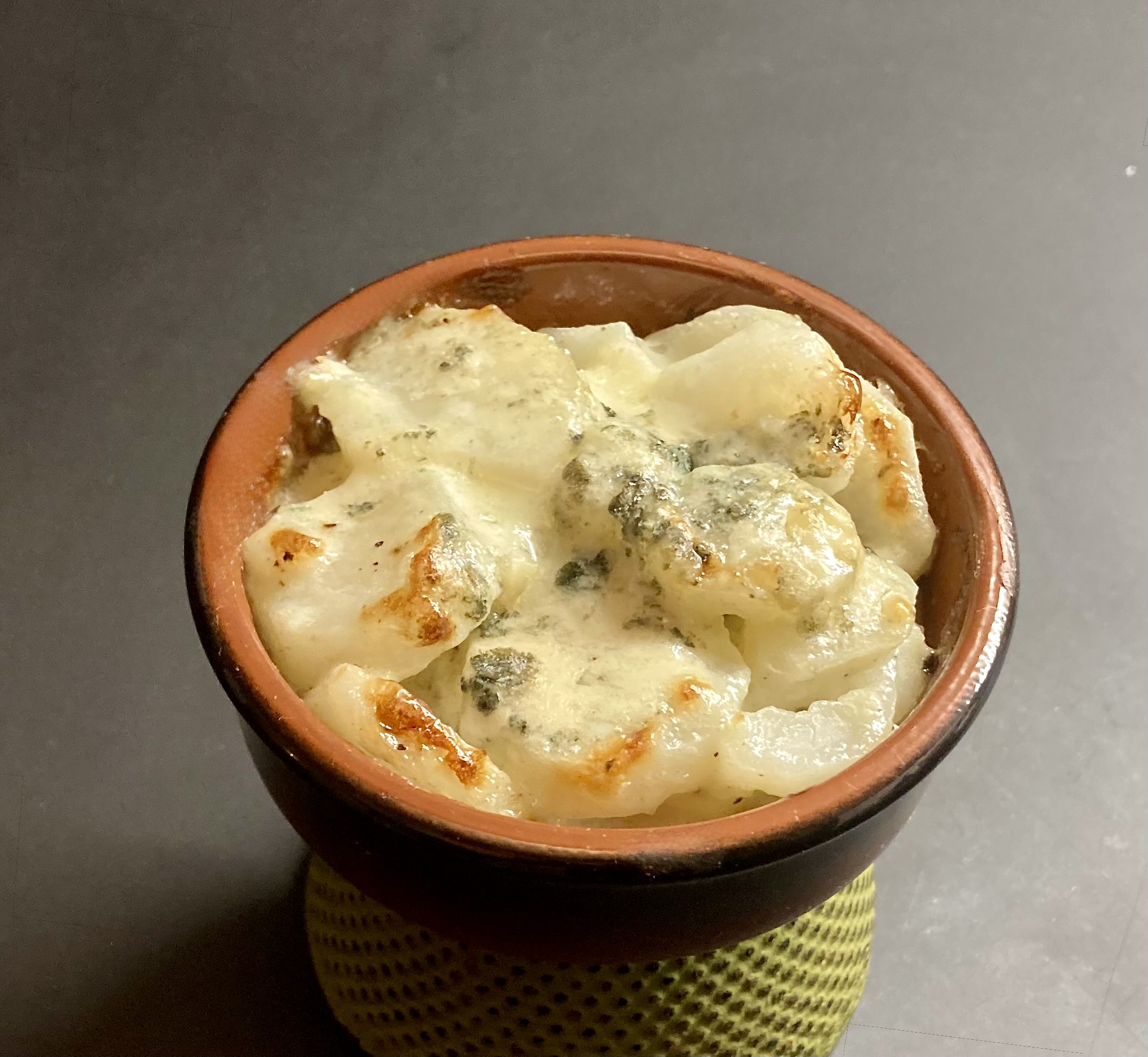
Always fun to shop at our organic supermarket and see what forgotten vegetables they have. This week they offered oca, Jerusalem artichoke (Helianthus Tuberoses), parsnip, black radish and helianthus, which was new to us. We bought a few of the helianthus roots and when at home we started thinking about ways to prepare them. Both Jerusalem artichoke and the helianthus roots are a touch sweet and nutty. A purée perhaps? We then noticed a recipe for a tartelette with blue cheese. Great idea, but not so sure about the combination with pastry. After a few minutes we came up with the recipe below. The helianthus roots are creamier than the Jerusalem artichokes and this worked very well in the combination with blue cheese and crème fraîche.The dish is rich with a touch of freshness.

Wine Pairing

In general, we suggest a full bodied, well balanced red wine, with aromas of black fruit, perhaps liquorice and with supple tannins. 

What You Need
  • Roots of the Helianthus Strumosus
  • Crème Fraîche
  • Roquefort
What You Do

Clean the roots and cook in boiling water for perhaps 5 minutes. They become soft very quickly. Drain and let cool. In parallel use a fork to combine equal parts of crème fraîche and Roquefort. Slice the roots and combine with the mixture. Place in ramekins and transfer to the oven at 200 °C or 390 °F for a few minutes, until hot and golden. You can also place them under the grill for a few minutes.

PS

Interested? Find out more about forgotten vegetables!

More PS

As Dorothy suggested (see below) it’s a great idea to fry or roast them with onions. We also added some garlic. Delicious!

Mushroom Salad

White Button Mushrooms and Cremini can be eaten raw, but we think they are tastier when fried or marinated, which is exactly what we do for this salad. A tasty accompaniment that will bring umami and depth to your dish. We combined the salad with carrots prepared in butter, lemon and lamb chops. The meat was fried in olive oil and seasoned with chopped thyme and black pepper. A delicious and light combination.

Wine Pairing

The salad comes with some acidity, but not too much. The main aspects in the dish are the sweetness and the velvety coating of the carrots, the aromatic lemon and thyme, the deepness of the salad and the richness of the lamb. We decided to open a bottle of Macon, a red wine from East-Central France. The region is well known for its white wines, Pouilly-Fuissé for instance. Most white wines in this region are made from Chardonnay grapes. This red wine is made from Gamay grapes. The wine has a beautiful ruby red colour, and it comes with aromas of black cherries and strawberries. A balanced wine with a touch of spiciness and nice tannins. Not too difficult and great with the various aspects of the dish. In general, we would suggest a red wine with fruit, freshness and character but not too complex. 

What You Need
  • 250 grams of Button Mushrooms or Cremini
  • Olive Oil
  • White Wine Vinegar
  • Parsley
  • Garlic Clove
  • Black Pepper
What You Do

Clean the mushrooms with kitchen paper. Slice the mushrooms, heat a heavy iron skillet and fry the mushrooms for a few minutes. Leave to cool. Combine excellent olive oil and white wine vinegar. Chop some parsley. Finely chop a garlic clove. Combine the mushrooms, the dressing, the parsley and the garlic. Add some black pepper. Leave in your refrigerator for 24 hours. Feel free to stir a few times.

Mushroom Salad ©cadwu

Kalette – Kale Sprouts

Saturday morning, when chatting to our greengrocer, we noticed purple, small vegetables. Some looked like mini Brussels Sprouts, others more like mini Kale. Let’s give it a try, so we bought 150 grams of Kale Sprouts, also known as Kalettes, Lollipops or Flower Sprouts.
When eaten raw they taste like Brussels Sprouts and we could imagine using the smaller ones in a salad. Many recipes suggest cooking the Kale Sprouts but why would you? They are very small so stir frying them is a much better option because then you’ll have all the flavours. When fried their taste is very similar to the taste of kale or in general cabbage. We could imagine using them in Cabbage Stew. We decided to be a bit more adventurous and combine the Kale Sprouts with Gurnard.

Wine Pairing

We enjoyed our Kale Sprouts with a glass of Austrian Grüner Veltiner, produced by Markowitsch. It’s a full bodied, elegant white wine with aromas of apples and a touch of spiciness. One that was great with the more intense flavours of the Kale Sprouts and the gurnard.

What You Need

  • 150 grams of Kale Sprouts
  • 25 grams of Pancetta
  • Olive Oil
  • Black Pepper

What You Do

Wash the sprouts carefully. Dry. Trim the ends, if necessary. Halve the ones that look like mini kale. Heat a pan (a wok will be great), add olive oil, add the diced pancetta, leave for one minute and then add the sprouts. Fry for 5 minutes, taste and decide to serve or fry a bit longer. Add some fresh black pepper.

Apricot Chutney

It’s the time of the year to benefit from summer fruit, such as peaches, watermelon, raspberries, nectarines, strawberries and of course apricots. With a bit of patience (and sugar, lemon and perhaps nutmeg) you can turn apricots into a delicious jam. But why not make apricot chutney? Great to enjoy with grilled lamb chops or something nice, simple and vegetarian, for instance with rice, lentils and cilantro.
Chutney is a balance of sweet (fresh fruit, onion, garlic, cinnamon), sour (vinegar), bitter (the skin of the apricot or tomato), spiciness (ginger, red chilli, garlic) and depth (cardamom, nutmeg, cumin). Too much sugar will only disturb the balance. Chutney needs to integrate, much more than jam or marmalade. So cook it for an hour or so and leave it in a jar for at least a week before using it.

What You Need

  • 1 kilo stoned Apricots (meaning 1,25 kilo of Apricots)
  • 2 Shallots
  • Olive Oil
  • 4 gloves Garlic
  • 1 Red Chilli
  • 100 ml Vinegar
  • 100 ml Water
  • 100 grams of Sugar
  • Fresh Ginger
  • Spices such as
    • Cardamom
    • Mustard Seed
    • Coriander (Cilantro)
    • Cinnamon
    • Nutmeg
    • Cumin
    • Clove

What You Do

Stone and quarter the apricots. Cut the shallots in 4 and slice (not too thin). Slice the fresh garlic. Same with the seeded red chilli. Cut let’s say 5 cm of ginger in small bits. Start by glazing the shallots for 10 minutes in olive oil, making sure they will enhance the sweetness of the chutney. Then add all other ingredients to the pan, mix, add the grated ginger, the spices of your choice, mix and bring slowly to a simmer. We used vinegar and water given the acidity of our apricots. If your apricots are really sweet and ripe use 200 ml of vinegar. Spice-wise we prefer using cardamom, cinnamon, and a touch of cumin and nutmeg. Leave to simmer for at least one hour. Stir occasionally but gently. After an hour increase the heat and transfer to very, very clean glass jars. Close the jars, leave them to cool a bit, then put in cold water and later on transfer to the refrigerator.

Slide show Apricot Chutney

Carrot Salad with Fennel Seeds

Inspired by the Portuguese and Moroccan cuisine we make a very tasty, quick and easy carrot salad. Ideal to accompany fish or a rich stew. The salad is full of flavours: fennel and carrot obviously, but you could also taste chervil and perhaps tarragon. Light, refreshing and the texture of the carrot is inviting.

We prefer preparing the salad with winter carrots because they seem to have more flavour and structure than the regular ones.
We use fennel seeds in this recipe. Alternatively, you could use cumin (always great with carrots) or coriander (cilantro) seeds.

What You Need

  • One Winter Carrot
  • Olive Oil
  • White Wine Vinegar
  • One Garlic Clove
  • Fennell Seeds
  • Parsley
  • Black Pepper

What You Do

Prepare 24 hours before serving.
Clean and thinly peel the carrot. Cook for 5-10 minutes until al dente. Let cool. Quarter lengthwise and slice. Make a dressing by combing olive oil and vinegar (ratio 2:1 or 3:1). Peel the garlic clove and finely chop. Take ¼ teaspoon of fennel seeds and use a mortar to crush the seeds until you have powder. Add the fennel seed powder and the garlic to the dressing and combine. Taste and adjust. Chop a nice amount of parsley. Add the carrots and the parsley to the dressing and combine. Use cling film to seal the bowl and transfer to the refrigerator. Gently mix the salad every 2-4 hours.
Just before serving add some fresh black pepper.

Asparagus with Basil and Olives

End of June means end-of-season for asparagus, morels and ramson (wild garlic). But let’s not be sad! It’s also the beginning of Summer; time to dine al fresco and serve vibrant, light flavours. We combine the very last white asparagus with green asparagus, black olives and basil. Feel free to use green asparagus only. The dish will lose some of its bitterness and complexity but it’s still a great combination of flavours and aromas.

Wine Pairing

Best to enjoy with a full bodied and elegant red wine. Flavour-wise you’re looking for lots of fruit, mild tannins and a touch of wood. We enjoyed our asparagus with a glass of Cantine Due Palme Salento Il Passo Nero 2019. This wine from Puglia (Italy) is made from late harvested negroamaro grapes. Dark berry fruit, medium full tannins and a beautiful deep colour.

What You Need

  • Asparagus
    • Equal Amount of White and Green Asparagus
    • Basil
    • Black Olives (preferably Cailletier or Taggiasca)
    • Olive oil
  • Lamb Chops
    • Olive Oil
    • Thyme
    • Garlic
    • Black Pepper

What You Do

Peel the white asparagus and cut of the end. Wash the green asparagus and cut of the end. Slice the asparagus in nice chunks (4 centimetres or so). Combine the asparagus with olive oil and a nice amount of black olives. Transfer to the refrigerator.
When ready for your al fresco dinner, heat your oven to 190˚- 200˚ Celsius (or 375˚- 390˚ Fahrenheit). Mix after 10 minutes and again after 20 minutes. The asparagus should now be ready (if not, another 10 minutes should do the trick). Add half of the basil leaves.

If you serve the asparagus with lamb chops: leave the chops to marinate in olive oil, crushed garlic and thyme for 24 hours in the refrigerator. Remove thyme. Heat a heavy iron skillet and fry the chops in olive oil (4 minutes depending on the size). When ready keep the chops warm in aluminium foil. Fry the thyme in the remaining oil. In parallel add more basil leaves to the asparagus and mix.

  • Asparagus with Basil and Olives ©cadwu
  • Ingredients of Asparagus with Basil and Olives © cadwu
  • Asparagus with Basil and Olives Ready to go into the Oven© cadwu

Fennel, Radish and Tarragon Salad

The Third Ingredient

Fennel and radishes go together very well. Radishes come with a spicy, piquant flavour; fennel comes with the flavour of anise. Both have a touch of sweetness and a lovely crunchy texture. Combine with a simple dressing of oil and vinegar and you’ll have a tasty salad.
But, yes, agreed, something is missing. What to add? Search the Internet and you’ll find additions such as lemon (zest and juice), cucumber, apple, Parmesan cheese et cetera. All very nice, but we think the not-very-obvious third ingredient is tarragon. It supports the anise flavour and unites the fennel and the radishes, especially after two of more hours in the refrigerator.

When on the Internet you will also see that most chefs put the vegetables in ice-cold water to make them extra crispy and that using a mandoline slicer is required. We much prefer coarsely dicing the ingredients in order to create one, flavourful, refreshing salad. By dicing the ingredients and letting the salad rest, the flavours will be much better distributed. Take your time to chew, allow the salad to linger in your mouth and enjoy the development of the flavour.

Food Pairing

Fennel and tarragon point in the direction of fish, which is indeed a good idea, provided the fish is one with lots of flavours. Think monkfish, skate, mackerel, red gurnard et cetera. You could also think of a home-made burger with first class beef, mustard, spring onion, a splash of soy sauce, Worcestershire sauce, garlic, black pepper, capers and dill.

What You Need

  • One small Fennel
  • Ten Radishes
  • Three sprigs of Tarragon
  • Olive Oil
  • White Wine or Cider Vinegar

What You Do

Cut the fennel and radishes into small cubes. Cut a large amount of tarragon leaves; similar size. Make a dressing with olive oil and vinegar. Don’t make the dressing very oily and don’t make too much dressing, it should only coat the ingredients. Combine in a bowl, mix well and store in the refrigerator for at least two hours.  Just before serving taste the salad. You may want to add some vinegar.

Fennel, Radish and Tarragon Salad © cadwu

Baba Ghanoush

Eggplant

Baba Ghanoush is tasteful and easy to make. Combine it with olives, pickles and flat bread (naan) to create a delicious starter to share. Don’t be tempted to buy Baba Ganoush at the supermarket. Most of these products lack the typical taste as a result of charring the eggplant.
Sumac is an ingredient from the Levantine cuisine. Basically sumac powder is the result of crunching dried berries of the sumac plant. The taste vaguely resembles cranberries with a touch of lemon. In this case it adds fruitiness to the dish. The sweetness of the berries combines well with the garlic.

Wine Pairing

Enjoy Baba Ganoush with a glass of white Lebanese wine, but since that’s hard to find a nice glass of Cava is also a good choice.

What You Need

  • 1 Eggplant
  • 1 Garlic glove
  • 1 Tablespoon of Tahini
  • Olive Oil
  • Greek or Turkish yoghurt
  • Lemon Juice
  • Sumac
  • Pomegranate

What You Do

Start by grilling the eggplant (in the oven in our case) to the point of charring. Ideal would be a char coal grill, but an oven grill also does the trick. Then leave the eggplant in the hot oven until very soft; maybe 30-45 minutes in total, depending on the seize of the eggplant. Some suggest rubbing the eggplant with olive before grilling it that’s not necessary.
Transfer the eggplant to a plate and let cool. Now cut in half and use a spoon to separate the flesh from the skin. Use a kitchen knife to cut the flesh very thinly. Put the mixture in a sieve and reduce the amount of liquid in the mixture. Add the garlic and mix well.  Add tahini and while stirring slowly add olive oil to create a thick mixture. Add yoghurt and some lemon juice. Taste well and adjust by adding more tahini, yoghurt or lemon juice. Allow to integrate for at least 15 minutes before serving.
Spread the baba ghanoush on a small plate, add a splash of excellent olive oil and sprinkle some pomegranate seeds and sumac to finish.