The Art of Sauces: Remoulade
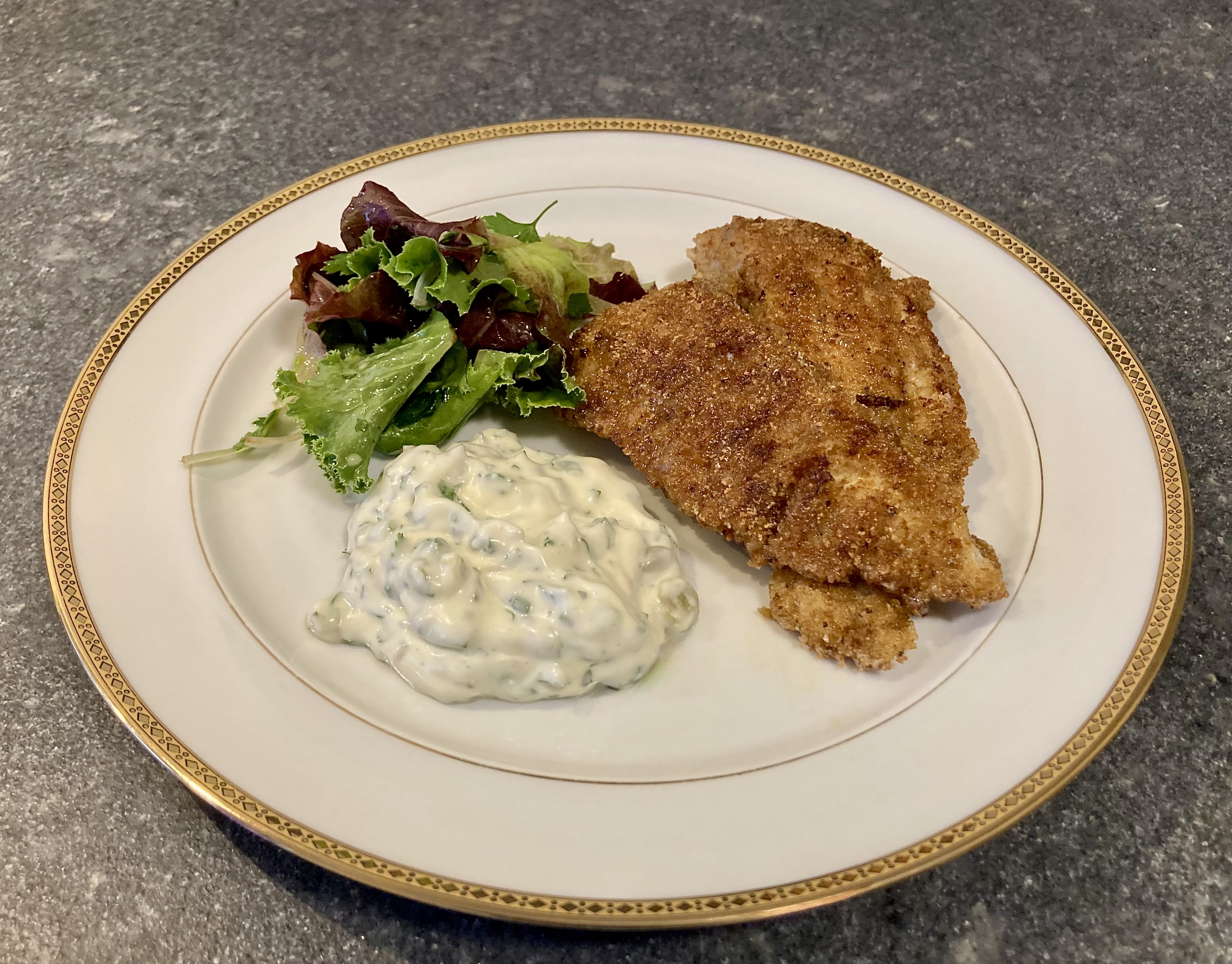
A few months ago we read an article in a Dutch wine magazine about pairing wine with a combination of fried cod, remoulade and a small salad. A nice challenge given the acidity in both the salad and the sauce plus the richness of the fried fish.
Remoulade is a sauce that goes very well with cold meat and fried or smoked fish. It combines mayonnaise with mustard, cornichons, capers, lemon and various herbs. Additional ingredients include anchovies, shallot and horseradish. Herbs could be parsley, tarragon, chives and chervil.
Turn it into a traditional French starter by adding celeriac (celery root).
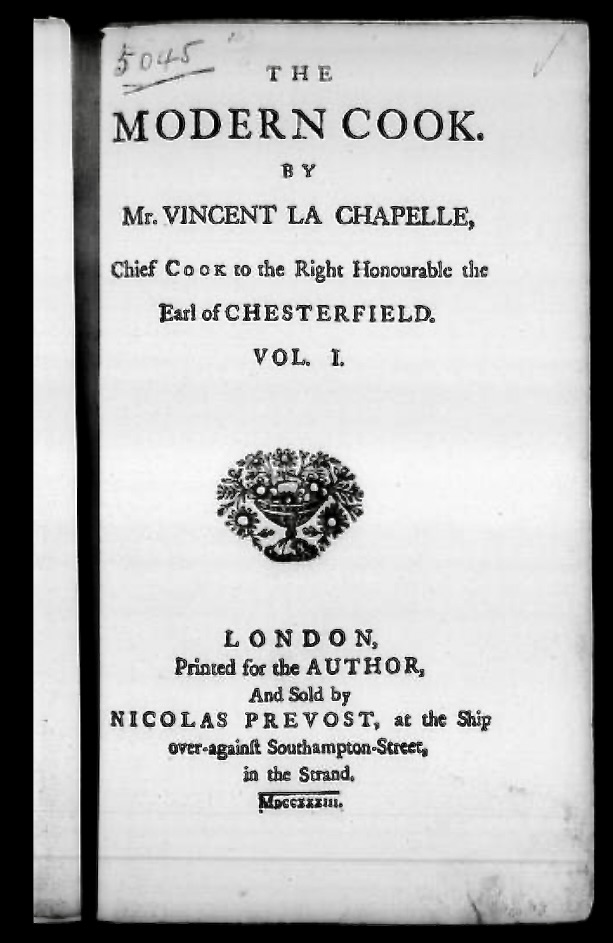
One of the first recipes for remoulade (actually two recipes) was published in London in 1733 by Vincent La Chappelle, chef to the Earl of Chesterfield, in volume 1 of his book The Modern Cook. Both versions contain oil, shallot, garlic, lemon, parsley, mustard, cullis (meat broth) and capers. Other ingredients of the first version (hot remoulade) are gravy, wine and cloves. Additional ingredients of the second version are green onions and anchovies.
Wine Pairing
According to the magazine’s wine expert the flavours in the dish are round and filming. The expert suggests a white wine with some oak or a white wine from a warmer country. We decided to drink a glass of Verdejo made by Castelo de Medina with 100% verdejo grapes. The wine is well balanced, fresh and full bodied. It has a delicate bitterness which works very well with all components in the dish.
What You Need
- Remoulade
- 200 ml Mayonaise
- teaspoon of Mustard
- 2 Cornichons
- teaspoon of Capers (in brine)
- ½ small Shallot
- Lemon Juice
- 2 tablespoons of mixed herbs (Parsley, Chervil and Chives)
- Fish
- Cod, Hake, Haddock, Weever or another firm white fish
- one Egg
- Chapelure
- Salad
- Mâche, Mesclun
- dressing made with olive oil, lemon and mustard
What You Do
- Remoulade
- Make the mayonnaise
- Very finely chop the shallot
- Dry and slice the cornichons and the capers
- Chop the herbs
- Combine all ingredients
- Add lemon juice to taste
- Transfer to the refrigerator for a few hours
- Fish
- Beat the egg
- Heat a non stick pan
- Add oil to the pan
- Coat the fish with egg
- Coat the fish with chapelure
- Fry the fish until golden
- Dish
- Make a dressing by combining olive oil. lemon and mustard
- Toss the salad with the dressing
- Serve the fried fish with the remoulade and the salad
PS
Comparing the list of ingredients used by Chef La Chapelle you wil notice that modern remoulade doesn’t contain garlic or cullis. He didn’t use mayonnaise for the simple reason that the first recipe for mayonnaise was published in 1828, nearly one hundred years later.