Mushroom Season

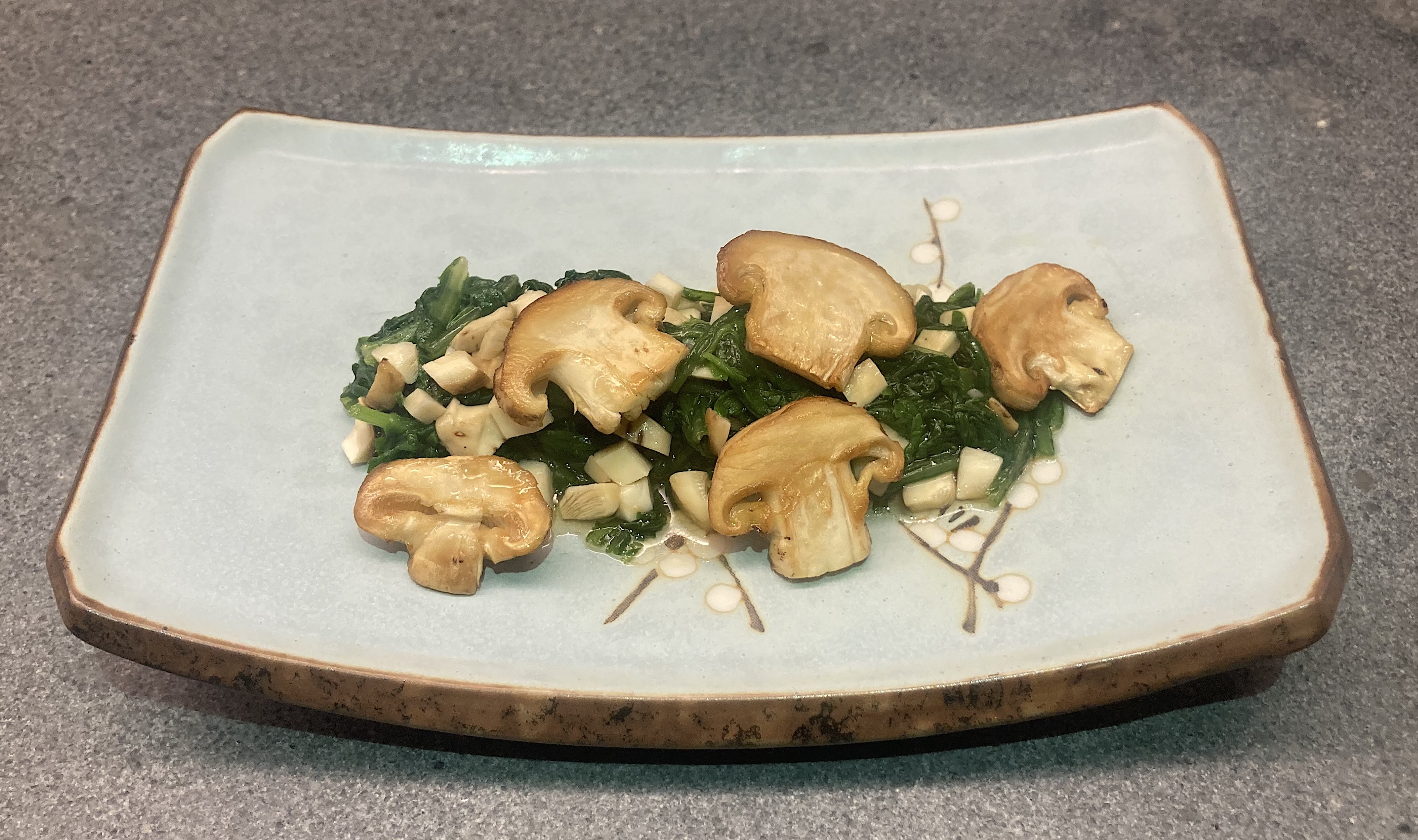
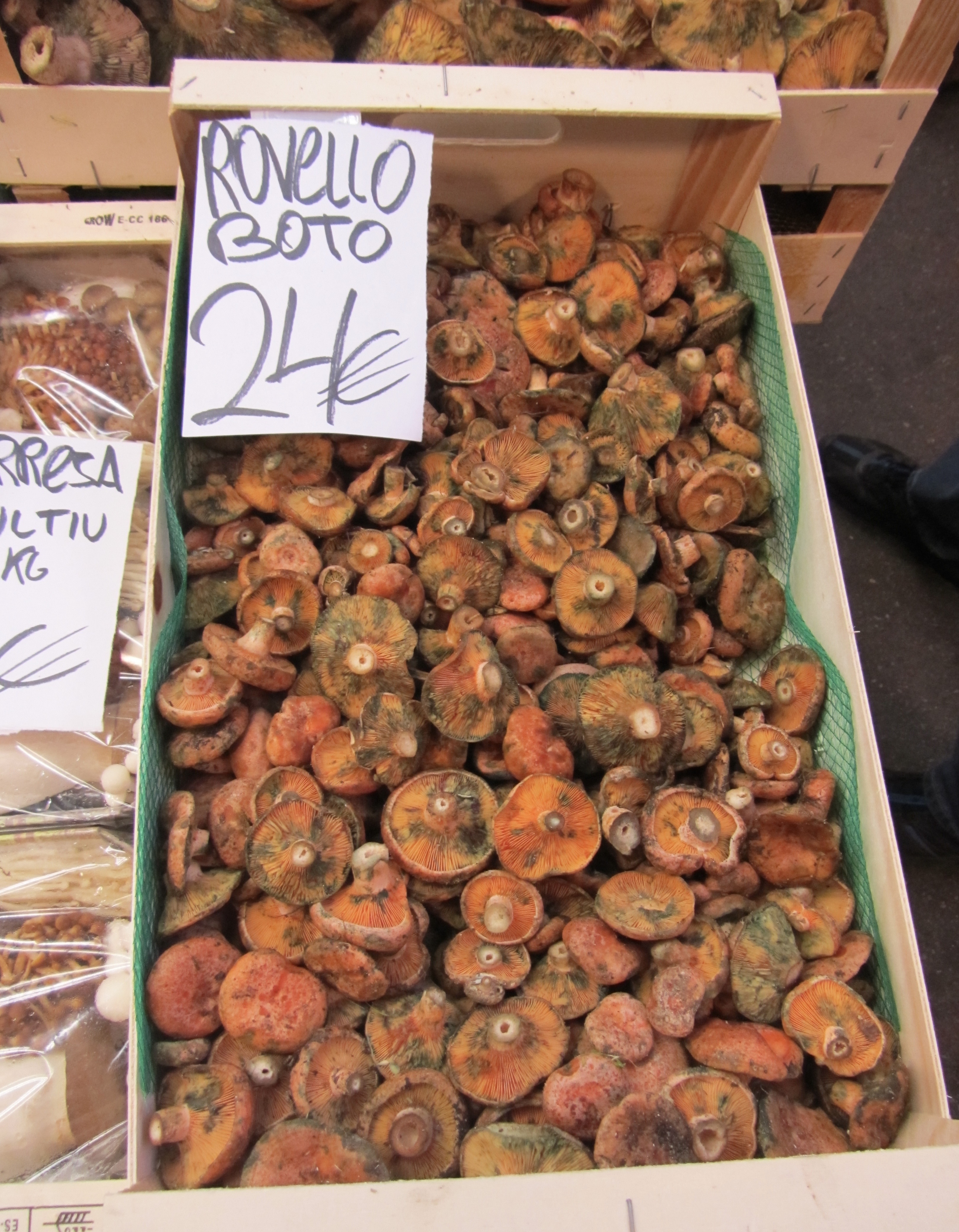
So far this year’s mushroom season has been great with lots of delicious Cèpes, Bay Boletes, Birch Boletes and Chanterelles. This Saturday we bought a very tasty autumn Truffle and a day earlier we treated ourselves to Matsu Take. Such a special mushroom. We’re waiting for the Saffron Milk Cap, Spain’s favourite mushroom, and the Caesar’s mushroom, a mushroom much appreciated in Italy. 

Since it’s a great year for the Bay Bolete, we thought it would be nice to share some recipes with this mushroom. Its taste is similar to that of the Cèpes or Penny Bun. Perhaps more intense?

Pâté with Mushrooms ©cadwu

Pâté en Croûte

A few years ago we celebrated the mushroom season by preparing a Pâté with bay boletes. The combination of a crispy crust, a structured, colourful filling and various flavours is always a pleasure. It’s good fun to think about the ingredients, work on the construction and enjoy the wonderful aromas from your oven while baking the pâté. And the joy when slicing it: is the pâté as beautiful as you expected it to be?

A red, medium bodied wine will be a great accompaniment of this Pâté en Croûte. In general you’re looking for a red wine with aromas of black fruit, floral notes and delicate wood. The tannins should be soft or well-integrated. We enjoyed a glass of Pinot Noir from La Cour Des Dames

Bay Boletes with Veal and Sage ©cadwu

Sauce

Earlier this year we prepared a rich sauce with bay boletes, sage, mustard en crème fraîche. We served the sauce with excelltn veal rib eye and turnip cabbage. The turnip brings frsshness and lightness to the dish, creating a lovely balance.
A fruity, slightly chilled red wine will be great with the dish. We opened a bottle of German Spätburgunder from the Pfalz area. Some dark fruit, strawberries, touch of earthiness, not too complex. One that supported the flavours and aromas of the dish very well.

Guineafowl and Bay Bolete ©cadwu

Guineafowl

Bay boletes combine very well with guineafowl. The meat is leaner, somewhat darker and more flavourful compared to chicken. It is not difficult to prepare, but due to the low-fat content you must be careful not to overcook. In this recipe we use guineafowl supreme (the breast fillet with the skin on plus the wing bone), rosemary, thyme, pancetta and garlic.
Enjoy with a glass of Chiroubles, a cru from the Beaujolais, produced by Domaine Montangeron. The wine has floral notes, aromas of cherries and strawberries. Its colour is pale ruby. Rich, elegant and long. It brings freshness and fruitiness to the dish and is sufficiently complex to remain present when enjoying the guineafowl and the bay bolete.
In general you’re looking for a red wine with freshness, fruity aromas and complexity. Perhaps a Pinot Noir?

More recipes on our website dedicated to mushrooms.

Pear and Chocolate Pie

A few weeks ago, we were very pleased to win the Great Bloggers Bake Off award in the pie-category with a Pear and Almond Pie. A delicious, uplifting combination that works very well thanks to the crème fraîche and the calvados. The Bake Off is organised by A Jeanne in the Kitchen.

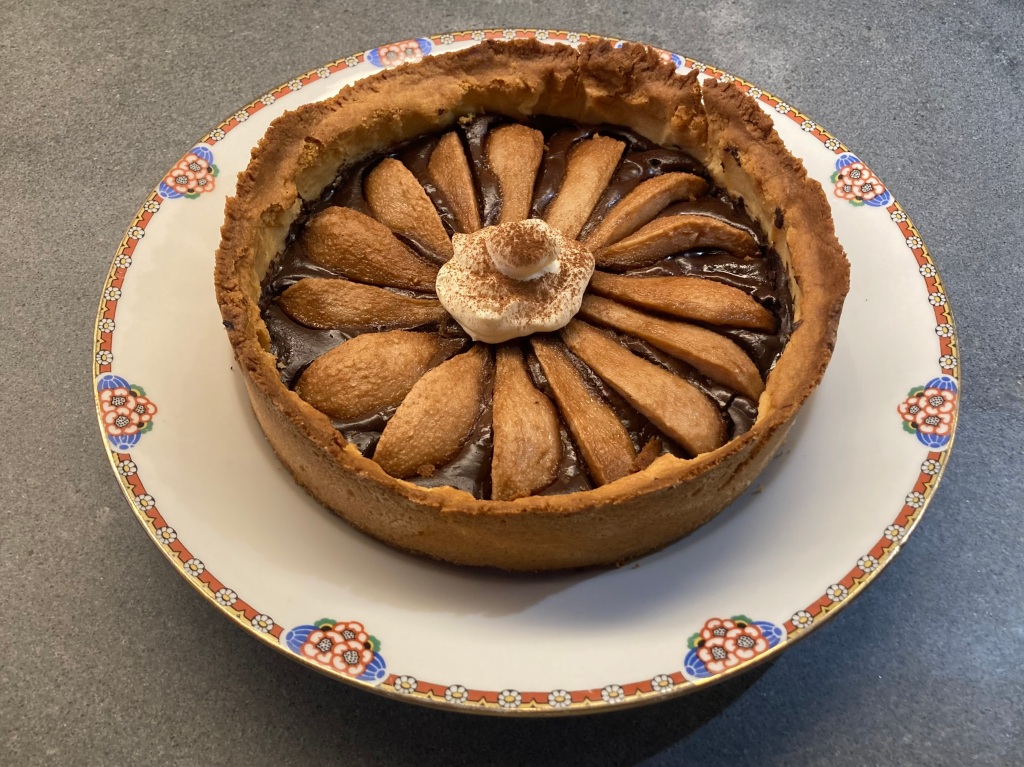
Pear and chocolate is a match made in heaven, that’s why we decided to make a Pear and Chocolate Pie. The result is a rich, intense flavoured pie. A small slice with an espresso will make for a very nice dessert.

What You Need

  • Dough
    • 50 grams White Caster Sugar
    • 100 grams soft Butter
    • ½ teaspoon grated Lemon Peel
    • Pinch of Salt
    • ½ Egg
    • 3 grams Baking Powder
    • 150 grams All Purpose Flour
  • Almond Paste
    • 225 grams of White Caster Sugar
    • 250 grams of Almond Flour
    • One Egg
    • Lemon zest
  • Filling
    • 200 grams Chocolate
    • 50 grams Double Cream
    • 50 grams Sugar
    • 1 Egg
    • 1 Egg Yolk
    • Pears, preferably Doyenné du Comice (or Conference)
  • Decoration
    • Whipped Cream
    • Cinnamon Powder

    What You Do

    Start by making the Dough. Beat the egg. Combine sugar and butter until smooth. Add Lemon zest and salt. Mix. Add the egg. Mix. Combine baking powder and flour. Pass through a sieve and add to the mixture. Best is to use a kitchen mixer with kneading hooks. Wrap in foil and transfer to the refrigerator for at least two hours. The dough freezes well so not a problem if you’ve made too much.

    Now make the Almond Paste. Combine almond flour and sugar. Add one beaten egg and (optional) lemon zest. Mix until you have a paste. Keeps well in the refrigerator for a week and in the freezer for months. You could also use 250 grams of white almonds. Grind these and continue as if almond flour. In this case you need half the quantity (or less).

    Preheat the oven to 180 °C or 355 °F. Coat your pie tin with butter (we used a 15 cm, 6 inch tin). Roll out the dough, it should be 5 mm (0.20 inch). Line the tin with the dough. Don’t worry if the dough breaks; it’s easy to repair. Remove the excess dough. Line with aluminium foil or parchment paper, add baking beans and bake the pie blind for 15 minutes.

    When the pie is in the oven, it’s time to make the Filling. We used cooking chocolate, that makes life a lot easier. Add the broken chocolate to the cream and melt gently in the microwave (set to low power) or au bain-marie. Add sugar. Allow to cool. Lukewarm is fine. Beat the egg.

    Use almond paste to make a thin layer on the bottom of the pie. Take half of the chocolate mixture and (using a spatula) add a layer of chocolate on top of the almond paste. Add the egg to the remaining chocolate, mix well and make a third layer. Peel the pears, quarter and push the pears into the mixture. Bake in the oven for 20 minutes (depending on the pears and the mixture).
    Allow to cool and then remove from the tin.

    Pear and Chocolate Pie ©cadwu
    Pear and Chocolate Pie ©cadwu

    Bistro Cooking

    Recently we reviewed Bistro Cooking by Patricia Wells as part of the ongoing cookbook review project by Bernadette. The book made us think about a lunch we enjoyed years ago in Paris. It was a nice small bistro in a small street, off centre, 15th arrondissement, nothing fancy and not a Michelin star in sight. We entered the restaurant and ordered today’s dish, the plat du jour. It turned out to be a generous helping of lentils with two fried sausages, mashed potatoes and mustard. A beer worked beautifully with it. After having enjoyed our lunch, we talked about the joy of good food, French mustard and the beauty of lentils. Time for coffee.

    It’s the kind of dish you would expect in a book called Bistro Cooking by. In the book we found two recipes with lentils, one salad and one soup with smoked sausages, the delicious Montbéliard.

    Salad

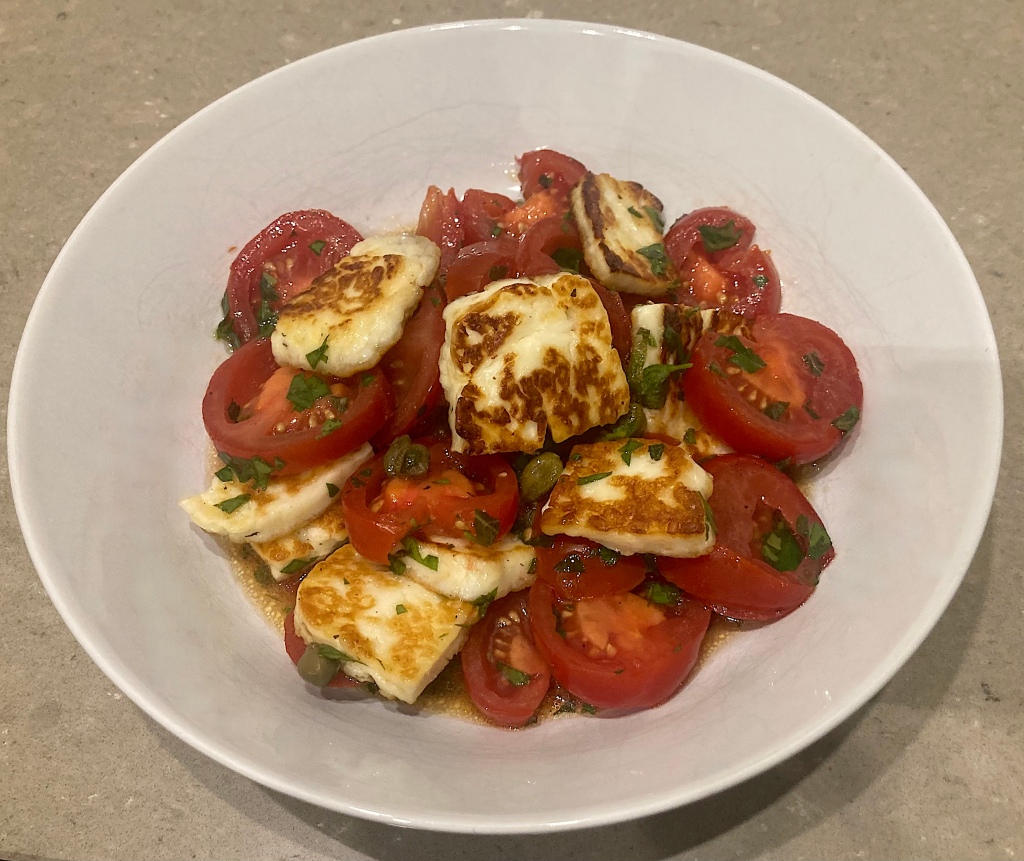
    When going through the index we spotted a recipe for a salad with squid, tomatoes, thyme and red wine vinegar. Unfortunately, our fish monger is on holiday, so we had to use pre-cooked octopus as an alternative. The salad is colourful, tasty and uplifting. A great starter, especially when enjoyed with a glass of rosé.

    Salad with Octopus ©cadwu
    Salad with Octopus ©cadwu
    Flo

    For many years Brasserie Flo was not only the name of an excellent brasserie in Paris, it was also a chain of restaurants in Nice, Metz, Barcelona and of course Paris (JulienTerminus NordLa Coupole and many more). In 2018 the original Brasserie Flo was renamed Floderer, after one of its founders.

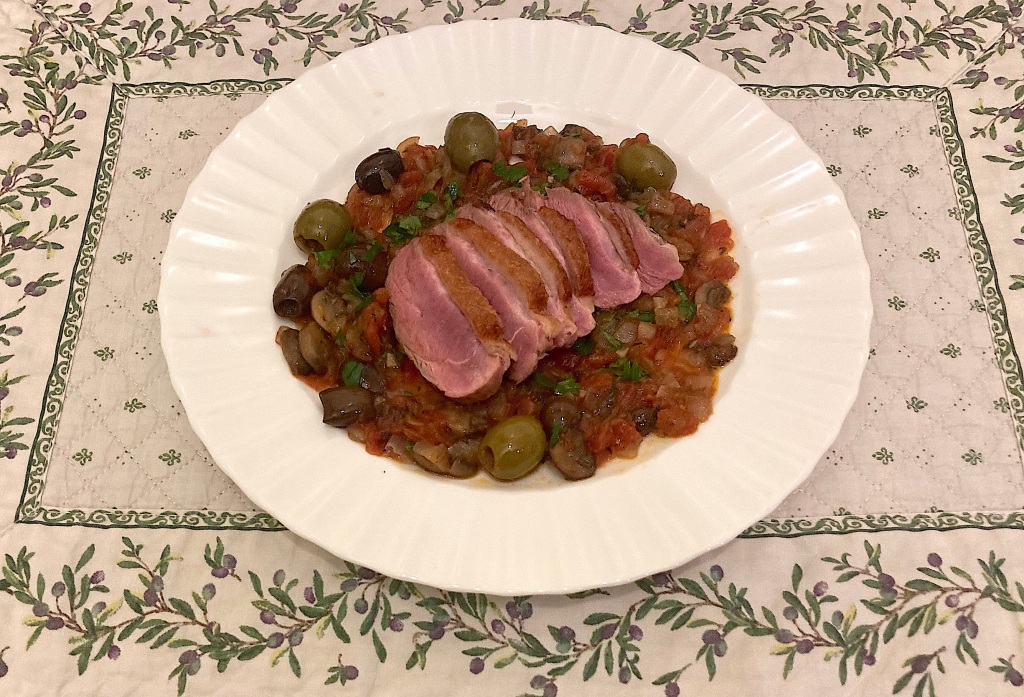
    One of the recipes in Bistro Cooking is called Brasserie Flo’s Roast Duck. The name caught our attention and we decided to prepare it. The main ingredient is a whole duck, roasted in the oven. A bit too much for the two of us so we decided to combine the vegetable sauce with pan fried breast of duck. We expected the sauce to be fairly simple (tomatoes, mushrooms, onions, Herbes de Provence) but the result was delicious and a great accompaniment of the duck.

    Patricia Wells serves her duck with a glass of Julienas, a cru from the Beaujolais. Very good choice. We opened a bottle of Gamay made by Domaine La Tour Beaumont from the Loire region.

    Brasserie Flo’s Duck ©cadwu
    Brasserie Flo’s Duck ©cadwu

    The Book

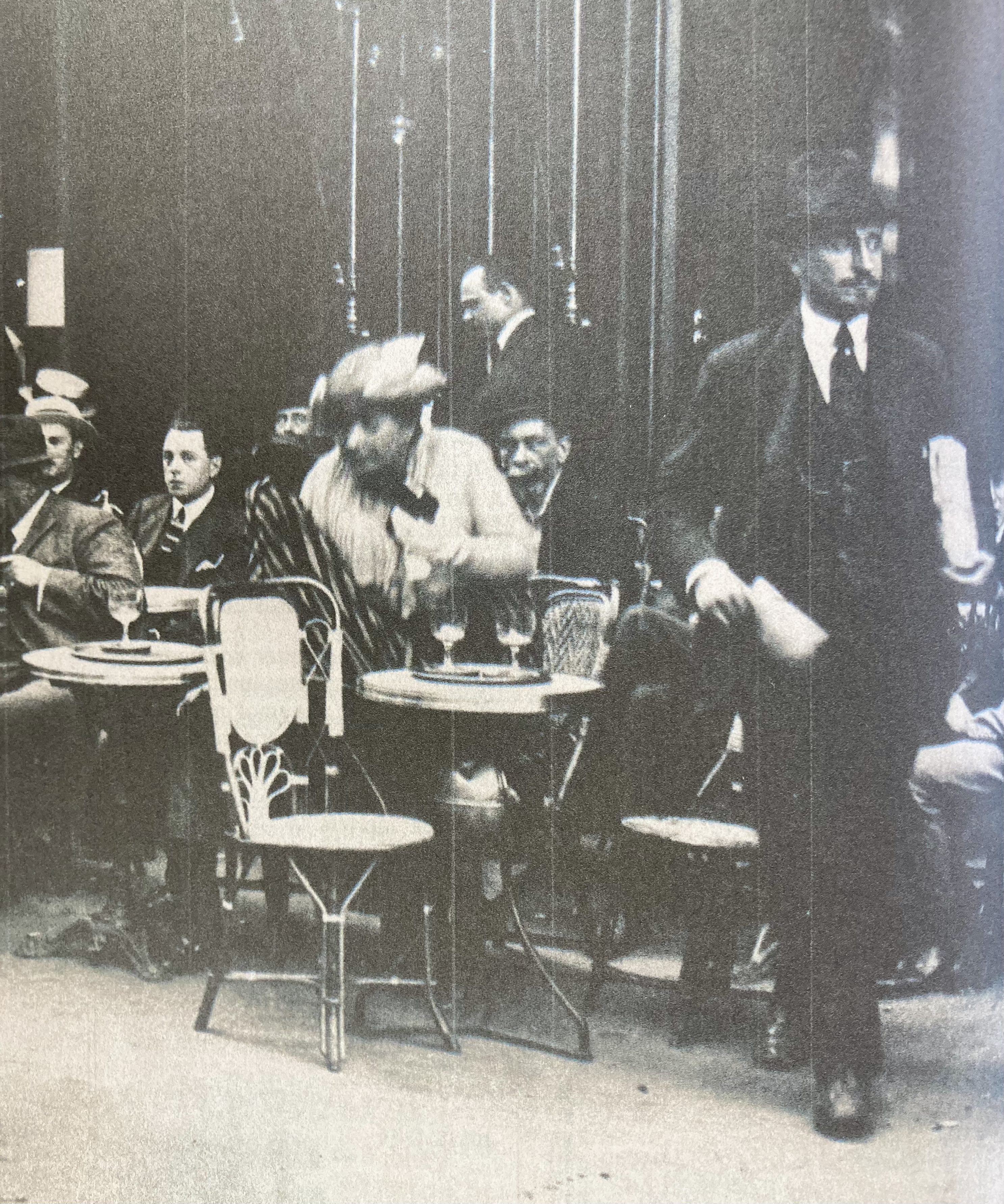
    Bistro Cooking includes pictures of typical Bistro scenes showing waiters serving food, people reading their paper and enjoying a small coffee or guests sitting on a small terrace drinking an aperitif while chatting with friends. The pictures illustrate the typical bistro atmosphere and show France like it was and sometimes, if you’re lucky, still is. 
    All recipes benefit from a nice introduction, discussing the origin of the recipe or one of the ingredients.

    Both recipes can be found on Bernadette’s New Classic Recipe.

    Bistro cooking is available via your local bookstore or the usual channels for 25 Euro or US dollar.


    Bay Boletes with Veal and Sage

    We continue celebrating the season: we create a rich sauce with Bay Bolete, Mustard, Sage and Crème Fraîche and combine it with excellent veal. The sweetness of both the sauce and the veal makes for an delicious combination. The aromatic sage brings length and depth to the dish.

    It’s not always clear what umami is, but trust us, when you taste this dish, you will taste it. Meaty, deep and savoury. A very powerful and intense dish.

    The taste of the Bay Bolete (Imleria badia, Bolet Bai, Kastanjeboleet, Maronen-RöhrlingBoleto Bayo) is similar to that of the Cèpes or Penny Bun. Perhaps the taste is more intense? In most cases you must discard the stem of the bay bolete because it’s not soft (and it will remain chewy when cooked), different from the stem of the cèpes. The colour of the cap is dark brown, like a chestnut.

    Wine Pairing

    A fruity, slightly chilled red wine will be great with the dish. We opened a bottle of German Spätburgunder from the Pfalz area. Some dark fruit, strawberries, touch of earthiness, not too complex. One that supported the flavours and aromas of the dish very well.

    What You Need

    • 100 grams Bay Boletes
    • Butter
    • Olive Oil
    • 4 Sage leaves
    • Stock (Chicken or Vegetable)
    • Black Pepper
    • Mustard
    • Crème Fraîche
    • 200 grams of excellent organic Veal Ribeye

    What You do

    Make sure the meat is at room temperature. Add some butter and oil to a heavy iron skillet and fry the meat until golden brown and pink. Transfer to the oven at 50 °C or 125 °F. Cover with aluminium foil. In parallel remove the dry stems of the mushrooms. Clean the remaining mushrooms with kitchen paper. Chop half of the mushrooms. Slice the other half. Start by frying the halves in the pan. When ready transfer to the oven. Add some butter and oil to the pan and fry the chopped mushrooms. Add chopped sage leaves and allow to simmer. Use mustard, stock and crème fraiche to make the sauce. Leave on low heat for 5 minutes or so. Add more stock if so required. Add some extra sage and black pepper. Add the meat juices to the sauce. Slice the meat, plate up with sauce, meat and sliced bay bolete.

    Other Recipes with Bay Boletes

    You may also enjoy them with Brussels Sprouts, Jerusalem Artichoke or with Guineafowl.

    Herring Salad

    In 1910 Mrs. Wannée published her Amsterdams Kookboek. A book dedicated to nutritious, easy to prepare and inexpensive food. She was teacher and director of the Amsterdam Huishoudschool, which was a school for domestic skills, aimed at training future maids and housewives. The book is currently in its 32nd edition and has sold over one million copies. It continues to be a popular cookbook because every new edition reflects the current culinary trends. We own a copy of the 14th edition (published around 1955?) and it clearly reflects the post second world war Dutch cuisine: very limited use of spices and herbs combined with cooking vegetables and meat for hours. We prepared Leek à la Wannée and decided it was perhaps edible in 1955 but certainly not today.

    Recently we were reading the 7th edition of the book, published around 1935. The recipes are interesting and showcase a very different Dutch cuisine. We decided to prepare a Herring Salad inspired by the 1935 recipe of Mrs. Wannée.

    Wine Pairing

    A nice cold beer will be great with the salad. You could also go for a white wine from the Alsace or Mosel region. Nice acidity, perhaps a touch sweet, floral and aromatic.

    What You Need

    • 1 Dutch Herring
    • ½ Apple
    • ½ Cooked Beetroot
    • 1 Boiled Egg
    • Small Pickled Onions
    • Cornichons
    • (Olive) Oil
    • Vinegar
    • Mayonnaise
    • Chives
    • Black Pepper
    • Corn Salad (Lamb Lettuce, Mâche)

    What You Do

    Peel the apple and the beet root. Chop herring, apple, beetroot, onions, cornichons and a generous amount of chives. Chop the white of the egg, crumble the yolk. Quickly combine the ingredients, add a teaspoon of mayonnaise, black pepper, small tablespoon of vinegar and the same quantity of olive oil, mix and serve immediately on top of the lettuce. Decorate with chives.

    PS

    Being Dutch we love our herring. Sometimes Dutch herring is called ‘raw’ because it’s not cooked. Actually, it’s placed in lightly salted brine for 5 days so it’s fermented and not raw at all. Herring is not to be compared with sashimi.

    Great Bloggers’ Bake Off

    A few weeks ago we joined the 2023 Great Bloggers’ Bake Off. An online competition open to anyone on WordPress. Bread, pies and cakes, savoury or sweet, all home baked by many talented bloggers.  This year the theme was Express Yourself. Our submission was a Pear and Almond Pie.
    Joining the competition turned out to be great fun. We saw some exceptional bakes and intriguing combinations. All these great bakes can be found on Mel’s blog. The result of the Bake Off is available on A Jeanne in the Kitchen.

    Our Favourites
    • Irene Arita’s Zucchini Squares, made with cinnamon, nutmeg, ginger and vanilla. Beautifully decorated with zucchini flowers made with marzipan. The pictures in the post will help you recreate the flowers.
    • The Spicy Veggie Strudel made by Kevin looks very tempting and the combination of ingredients (mushrooms, celery, cumin, coriander, tomatoes, kidney beans) sounds great. One we will definitely try.
    • And, obviously, the winner of the 2023 Great Bloggers’ Bake Off: a beautiful classic French Fraisier, made by Sheree. Very nicely piped Crème Mousseline, the strawberries halved and the decoration lovely.
    PS

    We are very happy to win the award in the Pie category! Baking is not something we do on a daily basis, so winning the award encourages us to focus more on baking.

    Summer Truffle and Egg

    Only a few weeks to go before the end of the summer truffle season. A truffle with mild flavours and aromas but nevertheless great when used in cold dishes, such as truffle mayonnaise or a salad with chicory. We decided to go for a luxurious appetizer with an excellent glass of white wine. We bought 25 grams of truffle (and paid € 12,50) and enjoyed every minute of it.

    Wine Pairing

    A lightly oaked chardonnay with lots of character will be great with the summer truffle and egg. We opened a bottle of Casa da Passarella Dão A Descoberta Branco. An elegant Portuguese wine with lots of character. Fresh, aromatic, lasting. 

    What You Need

    • 3 Eggs
    • Mayonnaise
    • 25 grams of Summer Truffle
    • (optional) White Pepper

    What You Do

    Boil the eggs until nearly hard. Peel and allow to cool. Slice in halve, remove the egg yolk and use a fork to create mimosa. Grate half of the summer truffle, combine this with the mimosa and add some mayonnaise, just to get the right consistency. Perhaps some white pepper. Stuff the eggs, cover with cling foil and transfer to the refrigerator. After 2 hours decorate the eggs with thinly sliced summer truffle. Time to sit back, relax and enjoy summer.

    Pear and Almond Pie

    Only a few weeks to go before we can enjoy fresh, new pears and apples. Time to start thinking about a traditional Dutch apple pie, about stuffed apples with raisins and cinnamon, about a chocolate-pear pie and of course about this classic pear and almond pie. Rich in taste with a crunchy crust and a soft, light, creamy filling. A very taste dessert but also great with a cup of tea in the afternoon.

    We begin by making the dough. It freezes well, so it’s a great idea to make a bit extra.

    What You Need
    • 50 grams of White Caster Sugar
    • 100 grams of soft Unsalted Butter
    • Egg (beaten)
    • ½ teaspoon of Lemon Zest
    • 1 gram of Salt
    • 3 grams of Baking Powder
    • 150 grams of All Purpose Flour
    What You Do

    Adding an egg to the dough makes its flavour richer and the dough will be easier to handle when lining the baking tin. The lemon in the crust will work very well in combination with the pear and the sweetness of the filling. Start by combining the sugar and the butter. Use a hand mixer with kneading hooks. When mixed, add halve of the beaten egg, then add the lemon zest. Combine salt, baking powder and flour. Pass through a sieve and add to the mixture. Use the kneading hooks to mix. When done, remove from the bowl and wrap in foil. Store in the refrigerator for at least two hours.

    The filling is a combination of almond paste, crème fraîche and pear. We used Conference, but you could also use the very aromatic Doyenne du Comice. 

    What You Need
    • 50 grams of Almond Paste
    • ½ egg
    • 100 grams of Crème Fraîche
    • 10 grams of Calvados
    • 2 or 3 pears
    What You Do

    Preheat your oven to 200 °C or 390 °F. Roll out the dough, it should be 4-5 mm (0,15-0,20 inch). Coat your pie tin with butter (we used a 15 cm, 6 inch tin). Line the tin with the dough. Don’t worry if the dough breaks; it’s easy to repair. Remove the excess dough. Peel the pears and slice in nice chunks. Combine the almond paste, the egg, the crème fraîche and the calvados until the mixture is smooth. Add the mixture to the tin, Add the pear. Transfer to the oven for in total 40 minutes. After 20 minutes reduce the heat to 160 °C or 320 °F. Allow to cool and then remove from the tin.

    PS

    In case you want to make your own almond paste, then combine 250 grams of almond flour with 225 grams of sugar. Add one beaten egg and (optional) lemon zest. Mix until you have a paste. Keeps well in the refrigerator for a week and in the freezer for months.
    You could also use 250 grams of white almonds. Grind these and continue as if almond flour.

    Fairy Ring Mushrooms with Tarragon and Fennel

    July was sunny and very warm in some parts of Europe, but not in the Netherlands. Moderate temperatures, a bit of sunshine, sometimes, and lots of rain. Not ideal for sunseekers but very promising for mushroom lovers.
    Let’s enjoy one of our favourites, the Fairy Ring Mushroom, a very common mushroom in many countries. It’s a small, very edible mushroom, available from early spring until late autumn. Its taste is a bit sweet (the mushrooms contain a sugar called trehalose) and perhaps that’s why some people suggest using them to make sweet mushroom cookies.

    In this recipe we enhance their specific sweetness by combining them with tarragon and fennel. Both come with their own sweetness plus a hint of liquorice and anise. Flavours that go very well with fish, veal and mushrooms. A delicious, aromatic and surprisingly light dish. We served the mushrooms and vegetables with veal rib eye.

    Wine Pairing

    A glass of Sauvignon Blanc or Chardonnay could be nice, but we prefer an unoaked Merlot. A fruity red wine with an intense colour and flavours of strawberries and raspberries. For instance a glass of Merlot as produced by Di Lenardo in Italy.

    What You Need

    • What You Need
    • Mushrooms
      • 150 grams of Fairy Ring Mushrooms
      • Tarragon
      • Vegetable Stock
      • Black Pepper
      • Olive Oil
    • Fennel
      • One Fennel
      • Fennel sprigs
      • Olive Oil
    • Veal Rib Eye

    What You Do

    Chop the fennel and add it to a pan with some olive oil. Allow to simmer. This may take 20 minutes.
    Meanwhile clean the mushrooms with kitchen paper. Remove the stems. Chop the tarragon. Add olive oil to a heavy iron skillet and gently fry the mushrooms. No rush. Add the tarragon. Add one or two cubes of homemade vegetable stock. Reduce.
    Happy with the firmness (or softness) of the fennel? Add some fresh tarragon and black pepper to the mushrooms. Taste and adjust. Add some fennel sprigs to the fennel, mix. Serve the fairy ring mushrooms and the fennel with gently fried veal rib eye (with some extra tarragon, obviously!).

    Cauliflower with Mint and Cilantro

    Dutch cuisine and cauliflower? Nice, but not sensational. Normally the cauliflower will be broken into florets, cooked in water (and in the old days this meant cooking until the cauliflower was more than well done), drained and served with a béchamel sauce and nutmeg. That is, if you’re lucky, it can also be a thin sauce made with the cooking liquid and corn starch.
    A pity because cauliflower is such a delicious and versatile vegetable. As curry, korma, gratin, casserole (with potatoes, thyme and garlic), in a pickled sauce, as vada (a snack from South-India), steamed or fried, all very yummy!
    We combine our cauliflower with grilled lamb chops and a mint and cilantro sauce. Lots of flavours, colours and aromas!

    Wine Pairing

    Given the various spices we would suggest a white wine or a rosé. A glass of Verdejo will be a great choice if you decide to drink a glass of white wine. We opened a bottle of Monteabellón Rueda. The wine comes with the right acidity, bringing freshness to the dish. It has floral aromas typical for the Verdejo grape. You may recognize the aromas of banana and exotic fruit. A glass of Provence rosé will also be nice. Or our favorite rosé: Chiaretto di Bardolino, produced by Monte del Frà from Italy.

    What You Need (Cauliflower)

    • One small Cauliflower
    • Turmeric
    • Fresh ginger
    • Garam Marsala
    • Red Onion
    • One clove of Garlic
    • Fresh Cilantro (optional)
    • Olive Oil

    What You Do (Cauliflower)

    Clean the cauliflower and break into florets. Peel and slice the fresh ginger, match size. Peel and slice the onion (rings). Chop the garlic. Add olive oil to the pan and fry the turmeric (curcuma) and the garam marsala on medium heat. After a few minutes add the florets. Make sure the florets are nicely coated with the spices. Now add the fresh ginger and the garlic. Reduce the heat somewhat. A few minutes begore serving add the sliced onion. You could add some cilantro, to bring the cauliflower and the sauce together.

    What You Need (Sauce)

    • Three Mint Leaves
    • Lots of Cilantro
    • Teaspoon Cumin Seeds
    • One clove of Garlic
    • Ginger
    • ½ Green Chili Pepper (depending on the taste)
    • Olive Oil
    • Lemon Juice
    • Black Pepper

    What You Do (Sauce)

    Crush the cumin seeds in a mortar. Chop the garlic, some ginger and the green chili pepper. Combine everything and use a blender to make a smooth paste. Add lemon juice to taste. Transfer to a bowl. Drizzle some olive oil into the mixture and stir using a spoon. Happy with the consistency? Add black pepper and perhaps some extra lemon juice.

    Cauliflower with Mint and Cilantro ©cadwu
    Cauliflower with Mint and Cilantro ©cadwu