Risotto with Peas

Risotto is amongst our favourite dishes, especially one with mushrooms. Preparing risotto is not difficult, as long as you pay attention to the cooking process and use the right ingredients.
Recently a dear friend who lived in Italy for many years told us how to make Risotto with Peas. In the region where he lived (Liguria) this risotto is made without butter. We were not sure about not using butter, so we had it on standby. No need for that: the result was delicious. The rice was creamy thanks to the combination of the starchy cooking liquid and the Parmesan cheese. The peas were cooked to perfection and their taste nutty. The dish as a whole was light and energizing.

Wine Pairing

In general, a dry white wine will pair well with the Risotto with Peas. We enjoyed a glass of lightly oaked Chardonnay produced by Abbots & Delaunay. Aromas of apples and toast; the taste refreshing, long and a touch buttery. 

What You Need
  • 80 grams of Carnaroli or Arborio rice
  • 1 Shallot
  • Olive Oil
  • Fresh Peas
  • Stock (Chicken, Vegetable)
  • Parmesan Cheese
What You Do
  1. Peel and chop the shallot
  2. Shell the peas
  3. Warm the stock
  4. Add olive oil to the pan and glaze the shallot 
  5. Add the rice to the pan and coat for 2 minutes
  6. Keep the pan on medium heat. Be patient
  7. Start adding the stock, spoon by spoon and stir frequently
  8. After 10 minutes add the peas
  9. In total it may take 15 – 18 minutes before the rice is al dente
  10. Transfer the pan to the kitchen countertop and leave to rest for 2 minutes
  11. Add grated Parmesan cheese, combine, add some black pepper, taste, add more Parmesan cheese if so required
  12. Serve immediately
PS

We have three other risotto recipes: one with mushrooms, one with squid and one with beetroot.

Risotto with Peas is a tasty, uplifting dish. A delicious starter.
Risotto with Peas ©cadwu

Field Peas

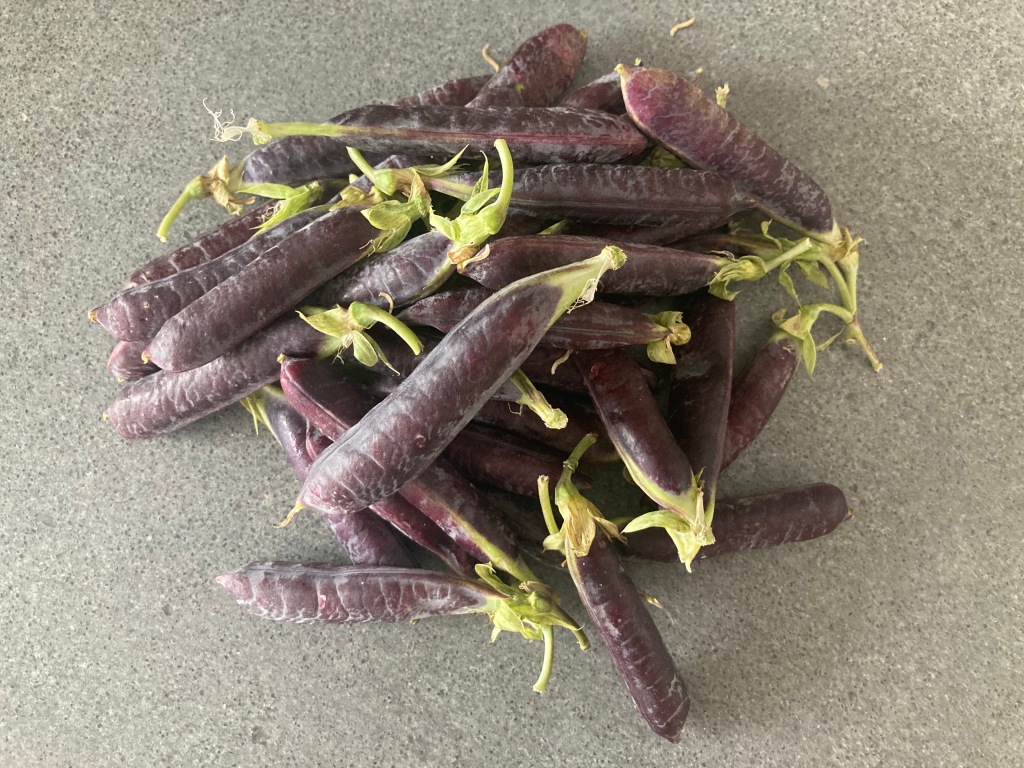
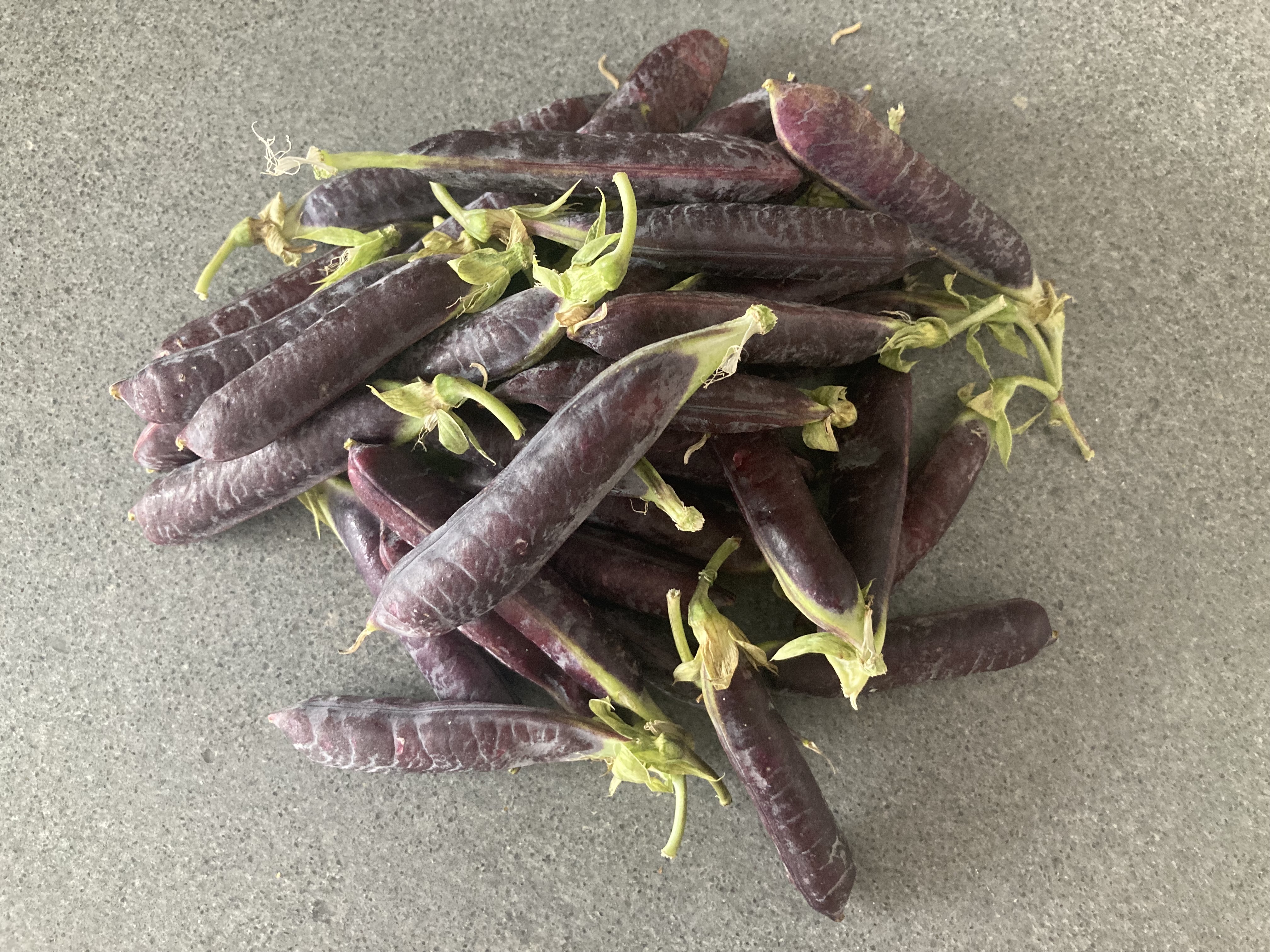
Field Peas (Pisum sativum subsp. Arvense, Austrian winter pea, Kapucijner in Dutch or Blaue Speiseerbse in German) are well known as dried or canned peas. Typical winter-food. The season for fresh Field Peas is relatively short (6 weeks in June and July) so we were happy to buy them earlier this week, for a reasonable price. Last year they were incredibly expensive because of a very poor harvest. Ask your greengrocer for Field Peas and explore another forgotten vegetable. One that has been around for over 7000 years!

Fresh Field Peas are tasty, sometimes a bit dry and should be eaten young. Best is to combine them with rich flavours and butter or oil. We could imagine adding Satureja to a dish with Field Peas. We combined the peas with bacon and served them with Boudin Blanc and mustard.

Wine Pairing

A not too complex red wine will be great with the rich flavours of this dish. We enjoyed a glass of Rioja made by Campo Viejo. The wine is made with tempranillo grapes. It’s an aromatic, fairly bold, dry red wine with pleasant tannins. 

What You Need
  • 500 grams of fresh Field Peas
  • Olive Oil
  • 100 grams of Bacon
  • Black Pepper
  • (optional) Boudin Blanc and French mustard
What You Do
  1. Shell the peas
  2. Cook or steam the peas 5 minutes or until al dente
  3. Drain and let cool
  4. Add olive oil to a warm heavy iron skillet
  5. Add peas and bacon to the pan and fry on medium heat for 10 minutes
  6. Stir to combine the flavours
  7. In parallel fry the boudin blanc
  8. Add black pepper and serve with French mustard
A dish with fresh Field Peas, Bacon and Boudin Blanc ©cadwu
Fresh Field Peas ©cadwu

Field Peas with Summer Savory

Seasonal products, we simply love them! Fresh field peas are available for a few weeks in June and July only. They are easy to recognise by their purple pod. An old and forgotten vegetable, perhaps because the (older) peas tend to be starchy and not very tasteful.
Young field peas, however, are sweet and moist with a good texture. Combining them with summer savory is a great idea, but if you want to give your field peas a more modern twist, then replace the savory with fresh oregano.
Field peas, different from fresh green peas, require some fat or oil. The combination with for instance crispy fried pork belly works really well. Simple, a bit old fashioned and delicious.

Wine Pairing

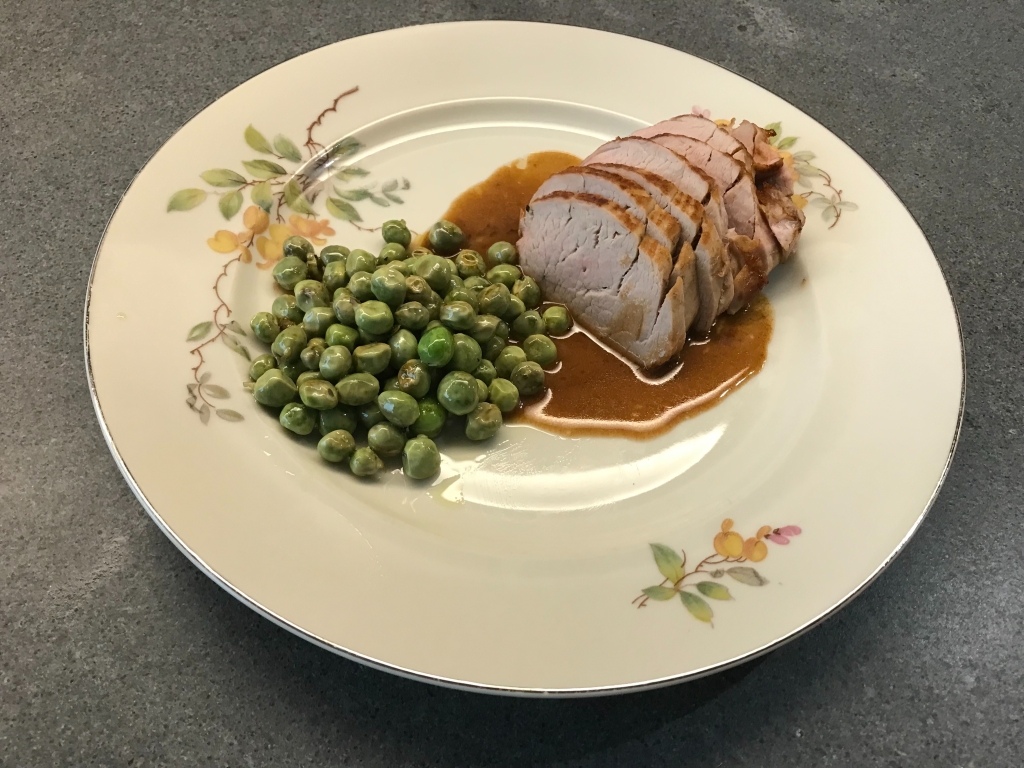
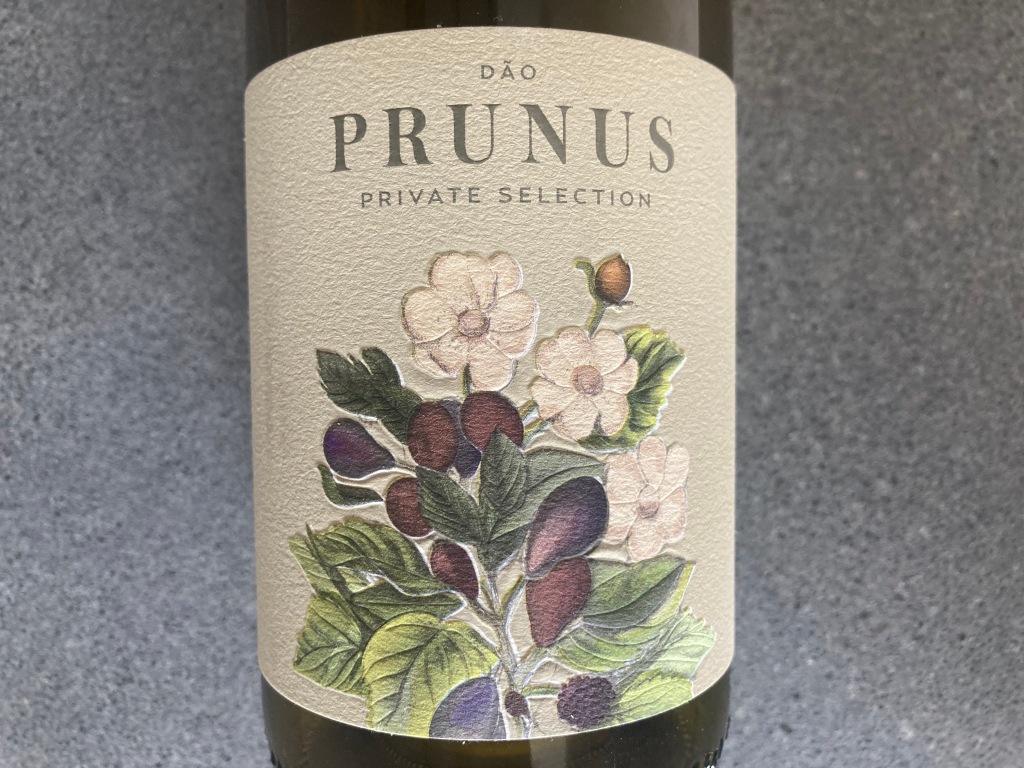
We combined our field peas with pork fillet. The dish is robust, so we decided to drink a red wine from the Dão region in Portugal, to be more precise we enjoyed a glass of Prunus as produced by Gotawine. One of our favourites! It has lots of dark fruit (plums, blackberries, cherries), it is lightly oaked and its taste is fruity, long and well balanced. Grapes include Jaen (also known as Menci), Tempranillo and Touriga Nacional. In general you’re looking for a medium bodied, not too complex, yet elegant red wine.

What You Need

  • Fresh Field Peas
  • Sprigs of Summer Savory
  • Olive Oil

What You Do

Shell the peas and steam them for 4 minutes maximum. Let cool and set aside. Heat a small skillet, add olive oil, reduce heat and very gently fry the peas. Add some finely chopped summer savory. Mix. Just before serving add the remaining chopped savory, mix and serve.

If you combine the field peas with pork fillet, then use excellent organic fillet only. Fry the fillet in a heavy iron skillet until nearly done. Wrap in foil and leave to rest for 10 minutes. Add the meat juices to the pan, add some mustard and (vegetable, veal or chicken) stock. Reduce. Add some cold water to help the emulsification. Slice the fillet. It should be a touch pink. Serve with some black pepper and the jus.

  • Field Peas with Summer Savory ©cadwu
  • Fresh Field Peas ©cadwu
  • Prunus Label ©cadwu