Cacio e Pepe

It takes only four ingredients to create an international culinary incident: a classic Italian recipe, a well-known British food website, Parmesan cheese and butter. What happened? BBC Good Food published a recipe for a quick and easy lunch meal, called Cacio e Pepe, with Spaghetti, Butter, Black Pepper and Parmesan Cheese. Claudio Pica, president of the Fiepet Confesercenti Roma (an association representing restaurants in Italy) couldn’t disagree more and expressed his astonishment in several letters, including one to the UK Ambassador.

Cacio e Pepe is a traditional, Italian classic, typical for the Lazio region, made with Tonnarelli or Spaghetti, Water, Salt, Pecorino Romano and Black Pepper. No cream, no butter, no olive oil, no Parmesan cheese. And it may seem simple to prepare, but serving Cacio e Pepe requires skills, passion and experience, according to Claudio Pica.

The incident made us think of Sophia Loren adding cream to her Spaghetti Carbonara and Jamie Oliver putting chorizo on his Pizza. Don’t mess with Italian traditions!

Now that we agree on the ingredients, we need to understand how to prepare the dish. The heart of the dish is a sauce made with pasta water and pecorino. We found various ways of making this sauce, ranging from adding pepper and grated cheese to the pasta just before serving (no sauce, just sticky pasta) to a scientific one whereby the sauce is made au bain marie (complicated).

We think the main points of the recipe are:

  • Use less water than usual, because you need starchy water to create the sauce
  • Use less salt in the pasta water because the Pecorino cheese is rather salty
  • The Pecorino must be relatively young, older cheese may make the sauce lumpy
  • The Pecorino must be very finely grated

We humbly present our version of this delicious Italian classic dish.

Wine Pairing

We enjoyed a glass of Pima Luna Frascati with our Cacio e Pepe. This is a white wine from the Lazio region, or to be more precise: from the hills overlooking Rome. The wine is made by wine maker Mauro Merz with malvasia bianca di candia and trebbiano grapes. It’s a light and refreshing wine with hints of green apple and citrus. Notes of slightly bitter almond on the finish. Its freshness matched very well with the creamy Cacio e Pepe. The aroma of the wine comes with a hint of butter, which is a nice connection to the Pecorino.

What You Need
  • 130 grams of Spaghetti
  • 70 grams of Pecorino cheese
  • 2 grams of Black Pepper
  • 1 litre of Water
What You Do
  1. Heat the water in a large pan and add the spaghetti
  2. Warm your plates (50 °C or 120 °F)
  3. Cook the spaghetti for a few minutes. Our spaghetti needed 11 minutes in total; we cooked it for 7 minutes in the pan.
  4. Crush the peppercorns
  5. Roast them in a pan over medium heat until they become very aromatic
  6. Reduce heat and wait for the spaghetti to be somewhat cooked
  7. Add some pasta water to the pan with the toasted pepper
  8. Increase the heat
  9. Transfer the pasta to the pan and combine
  10. Add a large spoon of pasta water to the pan
  11. Leave to cook
  12. Repeat steps 10 and 11 until the pasta is al dente. At this moment the pan should be nearly dry
  13. In parallel add some pasta water to the finely grated pecorino and make a smooth paste
  14. When the pasta is al dente remove the pan from the heat
  15. Allow to cool for perhaps one minute
  16. Quickly add the paste and combine everything in the pan
  17. Add pasta water to reach the right consistency
  18. Serve immediately on warm plates
  19. No need to add pepper or cheese
PS

The Good Food website mentioned they would be happy to post the original recipe. We looked for it, but couldn’t find it. We did however find a recipe for Cacio e Pepe with Gnocchi (and butter and Parmesan cheese, obviously).
Perhaps another letter to the Ambassador? Or one to the Prime Minister?

Pasta with Duck

A few weeks ago we enjoyed Pappardelle al Ragù d’Anatra at restaurant Rigatoni in Haarlem. We loved the combination of pasta and duck so we decided to look into this Italian classic. We found a recipe in La Scienza in Cucina e l’Arte di Mangiar Bene by Pellegrino Artusi, published in 1891. His recipe (number 272) combines a whole duck with celery stalk, parsley, carrot and onion. When everything is nicely cooked, he removes the duck from the pan, passes the sauce through a sieve, removes the duck fat and adds some butter. The duck is served with Pappardelle and Parmesan cheese. The vegetables are served separately.

We decided to use orecchiette and fresh duck leg. Orecchiette is a pasta typical for the very south of Italy whereas Pappardelle al Ragù d’Anatra is typical for Venice. Using orecchiette is probably not-done from an Italian point of view, but we simply love the way it combines with this duck-based sauce.

Wine Pairing

The restaurant served the dish with a glass of Corvina, which we think was an excellent choice. The wine is made in the Veneto region, not far from Venice, with 100% corvina grapes. In general, we suggest a light to medium bodied, unoaked, red wine with aromas of red fruit. Its taste should be pleasant and warm with good acidity. A red wine that should be served slightly chilled.

What You Need
  • Duck leg
  • Olive Oil
  • Carrot
  • Celery stalk
  • Onion
  • Bay Leaf
  • White wine
  • Tomatoes
  • Stock
  • Orecchiette
  • Black Pepper
What You Do
  1. Start by preparing the duck.
  2. Preheat the oven to 150 °C or 300 °F
  3. Heat a skillet and fry both sides of the leg until golden.
  4. Transfer the duck to the oven for one hour, skin on top
  5. After an hour, check if the duck is well done and moist
  6. Let cool
  7. Remove the skin from the meat and the meat from the bones
  8. Very coarsely chop (or pull) the meat.
  9. Set the skin aside
  10. Chop onion, finely chop carrot, thinly slice the celery stalk
  11. Heat a large pan, add olive oil and gently fry onion, carrot and celery.
  12. After 5 minutes add the duck meat and the bay leaf
  13. Add a splash of white wine and allow to evaporate
  14. Add the tomatoes (if using fresh tomatoes, then peeled and deseeded)
  15. Add stock
  16. Cook for 60 minutes
  17. Add more stock if required
  18. In parallel
    • Cook the orecchiette al dente
    • Heat a small skillet
    • Add some olive oil
    • Slice small squares of the skin of the duck
    • Fry these until crispy
    • Add some black pepper and Parmesan cheese to the ragù
  19. Serve the pasta with the sauce and decorate with the crispy duck skin and grated Parmesan cheese
PS
  • You can skip steps 1 to 6 by using Confit of Duck. We tried it, even though we assumed it would be too salty or its flavour not suitable. But we were wrong, it worked very well.
  • Some recipes use breast of duck, which we think is too lean for a ragù.
Orecchiette al Ragù d’Anatra ©cadwu
Pasta with Duck ©cadwu

Farfalle with Fennel and Zucchini

It was our last evening in Paris and we wondered what to do? Book a table at a nice local restaurant? Or enjoy drinks and dinner in our lovely apartment? Obviously, we decided to stay in. We looked in our refrigerator, did some shopping and sat down with a nice glass of Pinot Blanc and some shrimps. The plan was to make a rich, creamy pasta dish with fennel, zucchini and pancetta.
Thanks to the mild aniseed flavour of the fennel, the dish has a surprisingly uplifting taste. The (peeled) zucchini also benefits from the aniseed flavour and remains tasty and present.

Wine Pairing

Being in France we opened a bottle of Côtes du Rhône produced by Maison M. Chapoutier. This is a red wine made with Grenache, Mourvèdre and Syrah grapes. The wine has some fruit, a touch of pepper and mild tannins. A traditional French red wine.

If you prefer an Italian wine with the pasta, then we would suggest a glass of Bardolino, for instance the one produced by Monte del Frà. The wine has a beautiful deep red colour, and the aromas made us think of red fruit and perhaps pepper. The wine is medium bodied with some acidity. It will combine very well with both the lightness in the dish and the creaminess.
In general, you’re looking for a fruity red wine with a touch of acidity, for example Chianti Classico, Montepulciano or Barbera.

What You Need

  • 1 small Fennel
  • 1 small Zucchini (Courgette)
  • 1 Shallot
  • 80 grams of organic Pancetta
  • 1 Garlic Clove
  • 1 Bay Leaf
  • Piment Doux
  • Cream
  • Parmesan Cheese
  • Black Pepper
  • Olive Oil
  • Farfalle

What You Do

Finely chop the shallot and the fennel. Add olive oil to a warm skillet and gently fry the shallot and the fennel. Peel the zucchini, slice and quarter. Dice the pancetta. Chop the garlic. Now add the zucchini and the pancetta to the pan. Increase the heat and fry for one or two minutes, just to add colour. Reduce the heat, add the garlic, the bay leaf and the piment doux. Add the farfalle to the boiling water and cook according to the instruction on the package. Leave the pan on low heat for a few minutes. Now add the cream and the Parmesan cheese. Stir and taste. When the farfalle is ready, add it to the pan. Combine and add some cooking liquid to the sauce if needed. Remove the bay leaf, add some fresh black pepper and serve. We decorated the dish with a slice of grilled pancetta.

Farfalle with Fennel and Zucchini ©cadwu

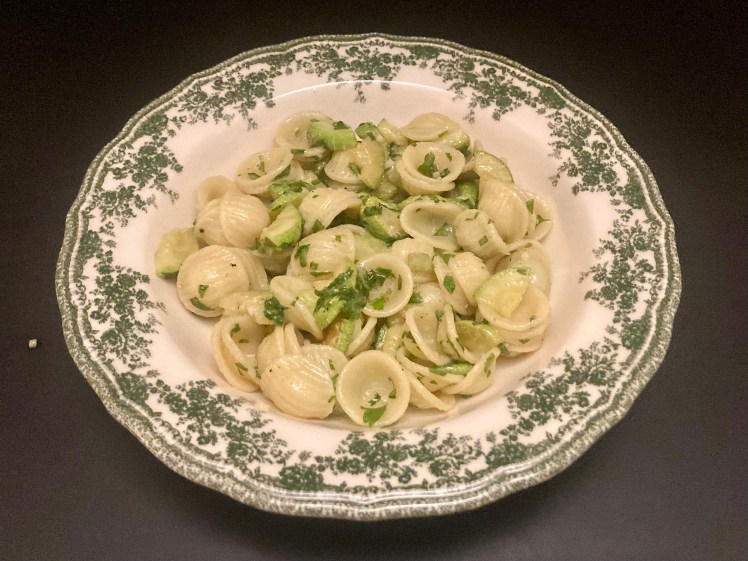
Orecchiette alla Barese

A traditional dish from the city of Bari in Puglia, Italy. The main ingredients are orecchiette and rapini.
Orecchiette is an ear shaped pasta, typical for this region. Its surface is a bit rough, and the centre (the dent) is thinner than the edge. Its shape makes it ideal for a sauce with structure.
Rapini (Cime di rapa) will no doubt make you think of broccoli, which is not our favourite vegetable. Rapini has more bitterness and character. It is completely edible, including the stem and the leaves. If broccoli is about the florets, rapini is about the stem. If your greengrocer doesn’t sell rapini, then feel free to go for bimi or broccoli and make sure to add bitterness (we added one anchovy to the sauce).
As more often with traditional dishes, it’s not completely clear what the other ingredients are. Anchovies? Italian Sausage? Breadcrumbs? Peccorini? Tomatoes? Garlic?

Wine Pairing

A wine from Puglia will of course combine very well with this dish. Red wines in this region are made from the primitivo grape (also known as zinfandel). In general the wines are fuller bodied, with some acidity, good structure and lots of sunny flavours (blackberries, perhaps chocolate).

What You Need

  • 200 grams of Rapini
  • 150 grams of Italian Sausage
  • ¼ teaspoon Chilli Flakes
  • Orecchiette
  • One Anchovy
  • Parmesan Cheese
  • Olive Oil

What You Do

Steam or blanch the rapini. Drain and chop (1 centimeter or inch pieces is fine). Heat a pan, add some olive oil and the sausage meat. Fry until nicely brown. Remove the meat from the pan. Add some oil and the anchovy. Cook on low heat until the anchovy dissolves (a fork may be useful). Add the orecchiette to a pan with boiling water and cook until al dente. In parallel prepare the sauce by adding the meat, the chilli flakes, and the vegetables to the pan with the anchovy. Mix. Happy with the sauce? Remove the pasta from the water and transfer to the sauce. Combine. You may need to add some cooking liquid to the pan.
We served our orecchiette with some freshly grated Parmesan cheese (optional) on warm plates.

Orecchiette alla Barese ©cadwu

Pasta with Tomato Balls

Recently we reviewed Oh She Glows for Dinner by Angela Liddon as part of the great cookbook review project by Bernadette. Angela Liddons aim is to create tasty, colourful, nutritious, vegan, simple, healthy, easy to make food that you can prepare in just a few minutes. Unfortunately, her book shows that this is nearly impossible. Nevertheless, we liked her idea for a burger with tomato-based patties. We changed the recipe and turned the dish into Pasta with Tomato Balls. It’s certainly a tasty, healthy and colourful dish, but not one you can make in a few minutes.

Wine Pairing

Tomatoes come with acidity, an aspect to keep in mind when choosing your wine. Cooking the tomatoes reduces the acidity and enhances the sweetness and depth of the tomatoes. In this case you could go for a non-oaky white wine (Pinot Grigio, Soave Classico) or for a red wine with soft tannins (Chianti, Sangiovese). A glass of crisp rosé will also be fine, so the choice is yours, as long it’s not an oaky chardonnay or a tannic red wine.

What You Need

  • Tomato Balls
    • 30 grams Brown Lentils
    • Vegetarian Stock
    • Bouquet Garni (Thyme, Parsley, Bay Leaf, Chives)
    • 1 small Red Onion
    • 1 Garlic Clove
    • 40 grams of roasted Cashews
    • 40 grams of roasted Hazelnuts
    • 5 grams (or more) of dried Oregano
    • 25 grams Sun Dried Tomatoes
    • Teaspoon Tomato Paste 
    • Teaspoon Lemon Juice
    • Red Pepper Flakes (to taste)
    • Salt
    • Black Pepper
    • Breadcrumbs
    • Olive Oil
  • Tomato Sauce
  • Orecchiette or Farfalle
  • Parmesan Cheese
  • Basil Leaves

What You Do

Start by washing the lentils. Cook in vegetarian stock with a bouquet garni. Set aside and let cool. Prepare the dried tomatoes: if they are salted, then wash them thoroughly. If they are oil-packed, drain them. Chop the red onion, the garlic clove and the dried tomatoes coarsely. Glaze the onion and the garlic in olive oil. Use a food processor to make a coarse mixture of the cashews, hazelnuts and oregano. Add the chopped tomatoes, the onion, the garlic, the tomato paste, the lentils, the lemon juice and the red pepper flakes (if using). Pulse a few times. Taste and decide if you want to add salt, pepper or lemon juice. Now it’s time to check the consistency. Is it possible to turn the mixture into balls? A bit soggy probably? Add breadcrumbs. Leave the mixture for 15 minutes. Divide the mixture in smaller portions and make balls, using your hands. Bake for a few minutes in a non-stick pan with some olive oil.
In parallel cook the orecchiette or farfalle according to the instruction on the package. Warm a tomato sauce. When all components are ready, add the pasta straight from the pan to the sauce. Add the balls and mix gently.  Finish by adding some freshly grated Parmesan cheese and basil.

Pasta with Tomato Balls ©cadwu

Farfalle with Saint George’s Mushroom, Oregano and Pancetta

Nearly the end of the season for the Saint George’s Mushroom (at least, where we live). So far it’s been a great year for this mushroom and the Fairy Ring Mushroom. Unfortunately, it’s been a poor year for another of our spring favourites: the morel.

Saint George’s Mushroom have a strong, not very pleasant aroma (it disappears when you heat the mushrooms) and a long lasting, earthy taste. Famous chef, author and mushroom expert Jane Grigson wasn’t a fan. In her classic book The Mushroom Feast she wrote “I have omitted one or two which our mushroom books follow each other in praising too highly. One of these is the Saint George’s Mushroom.” Obviously, we humbly disagree with her. It’s a bit of a puzzle to find the right combination of ingredients when one is the Saint George’s Mushroom but isn’t that part of the fun?
Earlier we wrote about an omelette with Saint George’s Mushroom and a starter with udon. This recipe is a combination of fat, moist, slightly sweet pancetta and earthy mushrooms, with the egg sauce and the oregano making it into a delicious dish.

Wine Pairing

We matched the rather intense flavours with a Pinot Noir, made by La Cour Des Dames. In general you’re looking for a red, medium bodied wine with aromas of berries, floral notes and delicate wood. The tannins should be soft or well-integrated. 

What You Need

  • 100 grams of Saint George’s Mushroom
  • 100 gram of Pancetta (slab preferred)
  • Fresh Oregano
  • Two eggs
  • Freshly grated Parmesan Cheese
  • Black Pepper
  • Farfalle

What You Do

  1. Start by cleaning the mushrooms with kitchen paper. Slice.
  2. Dice the pancetta. We used pancetta produced by Fumagalli. Sustainable, organic, ecological etcetera.
  3. Use a heavy iron skillet and fry the pancetta on medium/high heat. No need to add olive oil.
  4. When nicely coloured transfer the pancetta to a plate, remove most of the fat and gently fry the mushrooms.
  5. After a few minutes transfer the pancetta back to the pan.
  6. Add fresh oregano leaves, bigger ones shredded.
  7. Add the farfalle to a pan of boiling water and cook until al dente.
  8. In the meantime, beat two eggs and add some parmesan cheese.
  9. When the farfalle is ready, taste the mixture in the pan, perhaps add some extra oregano and transfer the farfalle to the pan.
  10. Wait for a minute or so until the excess water has evaporated.
  11. Move the pan away from the heat, add the egg mixture and combine (like you would do with Spaghetti Carbonara).
  12. Add black pepper and some extra Parmesan cheese before serving.
Farfalle with Saint George’s Mushroom, Oregano and Pancetta ©cadwu

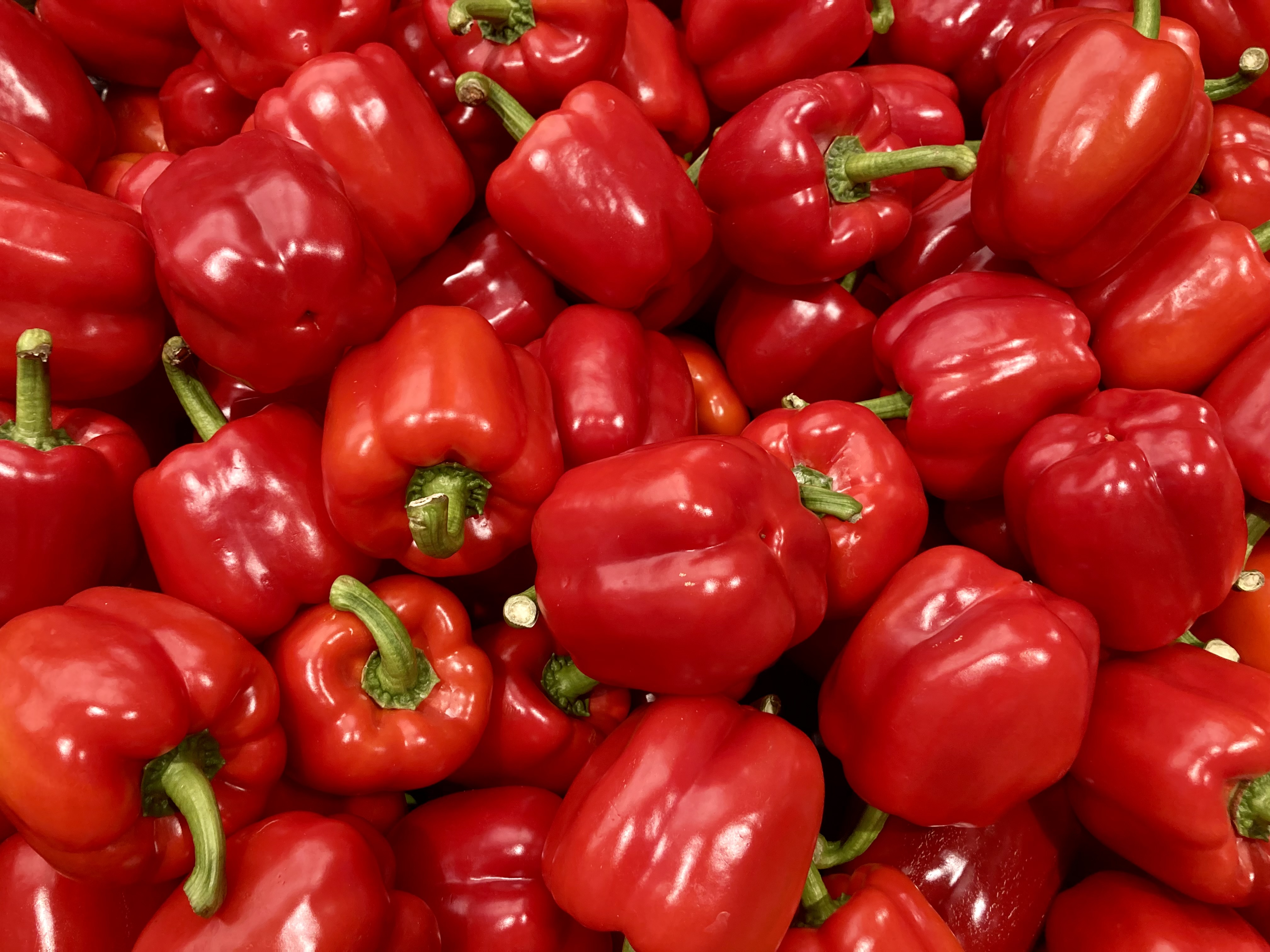
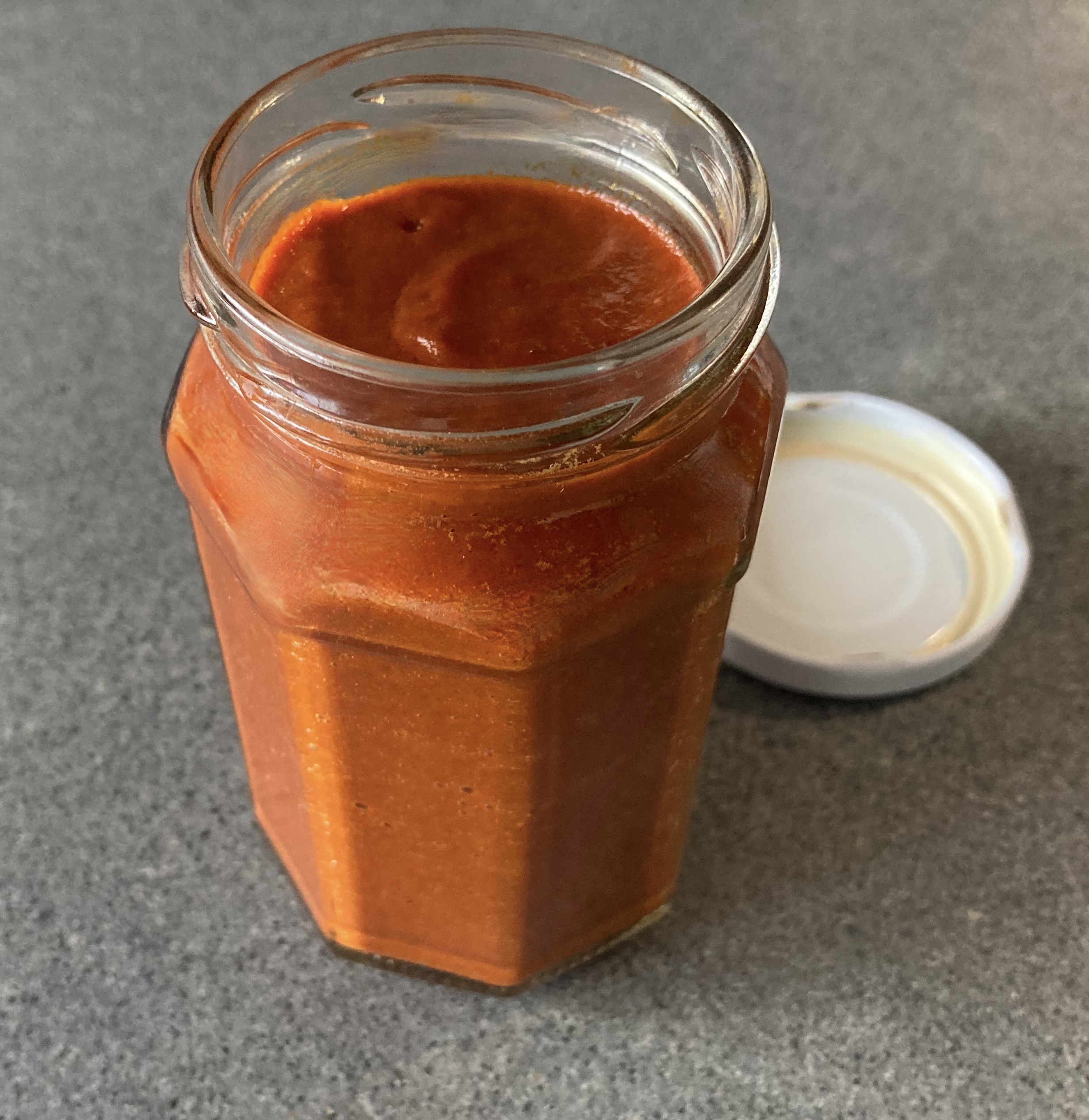
Red Bell Pepper Paste

Sweet, smokey, mild, umami: red bell pepper paste is a great condiment when you’re making a pasta sauce with tomatoes, marinating pork or chicken for a stew or looking for a basis for a spread or dip. Very popular in the Portuguese kitchen (Pasta de Pimiento Rojo).

You could make the paste with red bell peppers only; you could add a pinch of salt or perhaps some garlic. Our alternative has a deeper colour and more intense flavours, thanks to the shallot, garlic and red wine. 

Red Bell Pepper Paste keeps very well in the refrigerator, especially when you store it in a jar under olive oil.

What You Need

  • Red Bell Peppers
  • Optional: Salt, Garlic

What You Do

Clean the bell peppers, remove the seeds and the veins; cut in 4. Transfer to the oven and grill or roast for 10 minutes or until well charred. When still hot, put the bell peppers in a plastic container and close it. After one hour it’s easy to remove the skin of the bell pepper. Chop and blender until smooth and thick. You could add a pinch of salt or some grated garlic.

What You Need (Alternative)

  • Red Bell Peppers
  • Shallot
  • Garlic
  • Red wine
  • Olive Oil

What You Do

Clean the bell peppers, remove the seeds and the veins; cut in 4. Transfer to the oven and grill or roast for 10 minutes or until well charred. When still hot, put the bell peppers in a plastic container and close it. After one hour it’s easy to remove the skin of the bell pepper. Chop the shallot, the bell pepper and the garlic. Add olive oil to a pan, glaze the shallot. Add the garlic. After a few minutes add the chopped red bell pepper and any remaining liquid. Add some red wine and reduce. Repeat this step two or three times. Transfer the content to the food processor and blend until smooth and thick.

PS

We used our red bell pepper paste for a pasta dish with tomato confit.

Spaghetti Carbonara with Guanciale

This must be one of the tastiest dishes from the Italian cuisine. Creamy, rich, moist, salty, aromatic, delicious and not difficult to prepare. It’s also not difficult to ruin the dish, that’s why Antonio Carluccio recorded a video showing you exactly how to prepare it and how to make sure your Carbonara is creamy.

About the ingredients: If possible, use guanciale, cured pork cheek. It’s also used for another delicious recipe from the same Italian region: Bucatini all’amatriciana. The pork meat is rubbed with salt, pepper and various herbs and cured for a number of weeks. Guanciale is not smoked and therefore its taste is very different from bacon. Pancetta (made from pork belly) could be an alternative, provided it’s not smoked.

As emphasised by Carluccio, most certainly no cream. And no garlic, basil, parsley, onion or white wine we would like to add.

Wine Pairing

We enjoyed our Spaghetti Carbonara with a glass of Bardolino 2022, produced by Monte del Frà from Italy. The wine has a beautiful deep red colour and the aromas made us think of red fruit and perhaps pepper. The wine is medium bodied with some acidity and fruitiness. In general, you’re looking for a fruity red wine with a touch of acidity, for example Chianti Classico, Montepulciano or Barbera. If you prefer a white wine, then a Pinot Grigio or Soave is a good choice.

What You Need

  • 125 grams of Guanciale
  • Spaghetti
  • Parmesan Cheese
  • 2 organic Eggs
  • Olive Oil
  • Black Pepper

What You Do

Cut of the cured edge of the guanciale. Dice the meat. Heat a pan, add olive oil and reduce the heat to medium. Fry the guanciale. In parallel cook the spaghetti al dente, this will take some 10 minutes. Whisk the eggs, add some freshly grated Parmesan cheese and whisk again. When the pasta is ready, remove the pan from the heat and add the spaghetti straight from the water to the pan. Combine and make sure the spaghetti is nicely coated with the fat and juices from the meat. Now it’s time to create your creamy carbonara! Check if the spaghetti and the pan are not too hot. If so, better wait a minute. Add the egg mixture, combine, keep moving the spaghetti, add some freshly grated black pepper, keep stirring and then serve immediately on a warm plate with some extra Parmesan cheese.

Pasta with Tomatoes and Octopus

Happy New Year! Let’s start 2023 with a flavourful pasta dish, inspired by the Portuguese cuisine. A cuisine that is all about food with great flavours, such as bacalhauCaldo Verde, octopus, cuttlefish, and the well known chicken piri-piri and pastel de nata. Octopus is very tasty and it comes with a great texture. The suction cups may be a bit unappealing, but don’t worry, the taste will make up for it.
In this case we use Orecchiette, small ear shaped pasta. The mixture of tomato and octopus is not like a sauce, so the paste should function as a carrier (a mini spoon) of the mixture. Enjoy quality pasta with slightly acidic tomatoes, rich octopus and refreshing parsley.

Wine Pairing

A Portuguese white wine will be a great idea, for instance a Vinho Verde. You could also go for a Spanish Verdejo from Rueda. Look for characteristics like fresh, fruity, clear acidity, subtle bitterness, minerality and full bodied. We enjoyed a glass of Pazo das Tapias Finca os Cobatos, from Monterrei in Spain made with Godello grapes.

What You Need

  • 2 Octopus Tentacles (cooked)
  • 2 Large Tomatoes
  • 2 Gloves of Fresh Garlic
  • Parsley
  • Jerez Vinegar
  • Black Pepper
  • Olive Oil
  • Pasta (Orecchiette)

What You do

Quarter the tomatoes, slice the garlic (not too small) and fry gently in a warm pan with olive oil. Set to low heat. In parallel heat a heavy iron skillet. Remove the gelatinous substance from the tentacles, dry them, coat with olive oil and fry. Cook the orecchiette according to the pack. With only 5 minutes to go for the pasta, slice the octopus in small chunks (depending on the size of the pasta), add the octopus to the tomato mixture and add half of the chopped parsley. Just before serving the dish, add some Jerez vinegar to the mixture. Add the remaining parsley and black pepper. Drain the pasta, keep some of the cooking liquid and add the pasta to the mixture. Combine, decide if you want to add some cooking liquid or perhaps some olive oil. Serve immediately on a hot plate.

Pasta with Tomatoes and Octopus ©cadwu

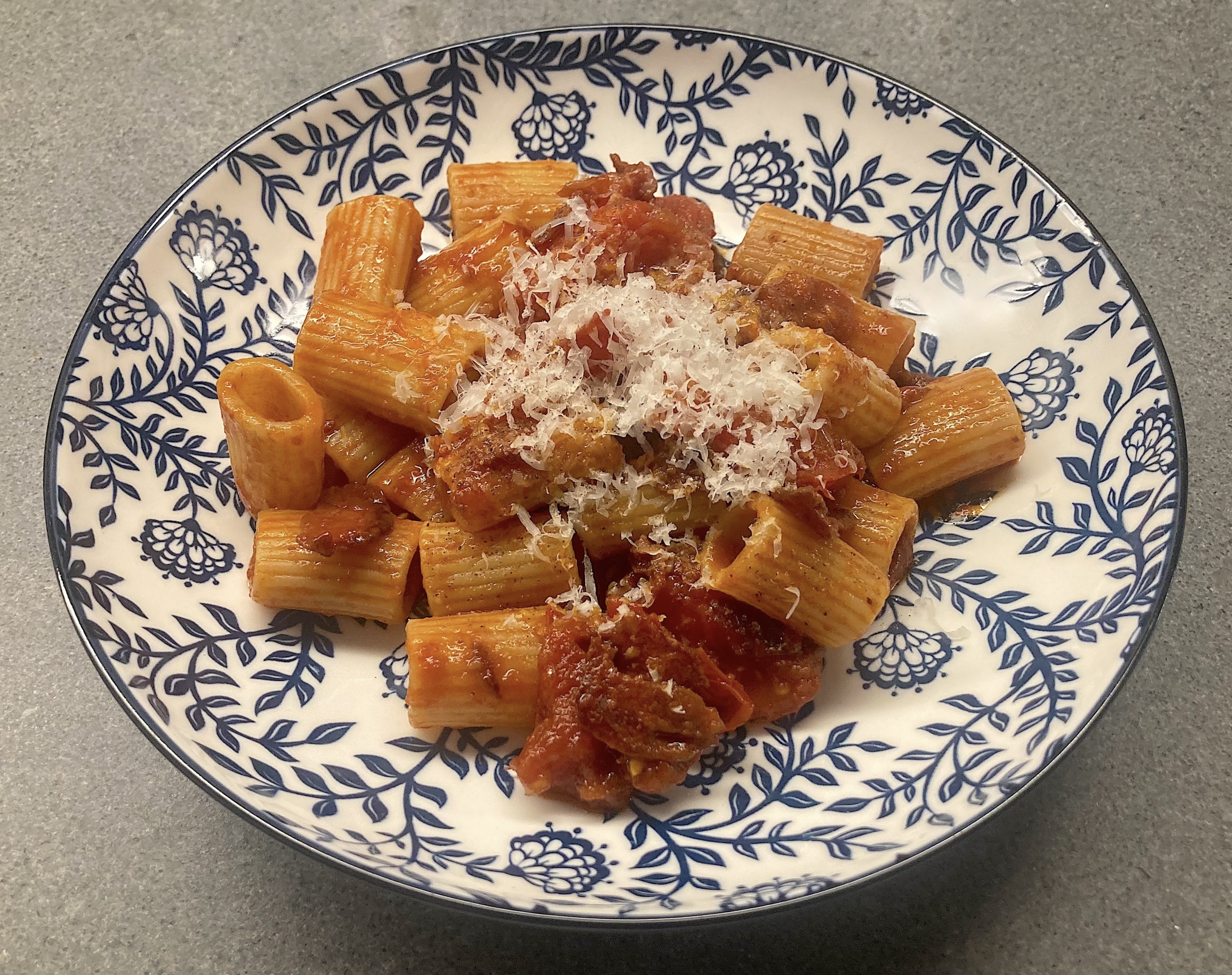
Ragù Napoletano

Ragù Napoletano is all about beef and tomatoes. Combining these two creates umami, one of the five tastes, because the tomatoes contain amino acid glutamate and the beef inosinate
Whereas Ragù Bolognese is made with finely chopped meat, Ragù Napoletano is prepared with whole cuts of beef, seasoned and rolled up. Best is to use Blade Steak (or Top Blade), Rump Cap or Top Rump. Our butcher suggested using Knuckle Side Roast (or Knuckle Plate Muscle) which is rather lean so a touch dry after simmering for many hours. On the other hand, it kept its structure and flavours very well. Best is to ask your butcher for advice.
Many recipes suggest adding pork ribs to the dish, but we wanted to focus on the combination of beef and tomato. We did however add a bit of fatty bacon.
Tomato-wise you need lots of tomatoes: fresh ones, passata, puree and/or canned.
Best to prepare one day ahead.

Wine Pairing

A red, full bodied wine from Italy made with Sangiovese grapes will be a great accompaniment for both the starter and the main dish. We opened a bottle of Les Petits Rigolos, a red wine from the Tolosan region in south western France made with Merlot and Cabernet Sauvignon. A round wine with notes of strawberry and blackcurrant. A touch spicy, which worked very well with the rich flavours of the Ragù Napoletano.

What You Need

  • For the Beef
    • 2 slices of Beef
    • Parmesan Cheese
    • Raisins
    • Fresh Parsley
    • Fresh Oregano
    • 1 small Garlic Clove
    • Optional: Pine Nuts
    • Olive Oil
  • For the Sauce
    • Small Onion or Shallot
    • Olive Oil
    • Bacon (or better: Lardo)
    • 250 ml of White Wine
    • Fresh Tomatoes
    • Tomato puree
    • ½ can of Tomatoes
    • Passata
  • For the Starter
    • Rigatoni
    • Parmesan Cheese
  • For the Main Course
    • Vegetables

What You Do

Soak the raisins in water for an hour. Drain. Chop parsley, oregano, raisins and garlic. In a bowl, combine raisins, garlic, oregano, parsley and freshly grated cheese. Flatten the meat if it’s difficult to roll up. Scatter the mixture over the meat, roll the meat up and tie with two strings of kitchen twine.
If using fresh tomatoes, peel and seed them. Chop coarsely. Chop the onion and slice the bacon. Heat a large saucepan, add olive oil, add onion and bacon. Leave on low heat for some 10 minutes or until the onion is glazed. Add the two rolls and fry them on all sides until evenly golden brown. Take you time to do this. Add the wine, let the alcohol evaporate and reduce. Add the tomatoes, the passata and the puree. Leave the stew on low heat and turn the meat occasionally. This stage is about stewing the meat as gently as possible and reducing the sauce. If you feel it’s going too fast, then put a lid on the pan, but only partially.
Once the meat is ready (this may take 4+ hours) remove the meat from the sauce, keep it warm (an oven at 50 °C or 120 °F will be perfect) and allow the sauce to reduce even more, as slowly as possible. Wait for the sauce to become dark and shiny.
For the first course: serve the sauce with pasta and freshly grated Parmesan cheese (we used Rigatoni because of the ridges).
For the second course: warm the meat in the remaining sauce, slice it and serve with sauce and vegetables.

PS

We would probably be kicked out of Naples (and Italy) with our version of Ragù Napoletano (oregano? French wine?). It is, however, a very tasty two course meal with lots of umami, as expected.