Bay Boletes with Veal and Sage

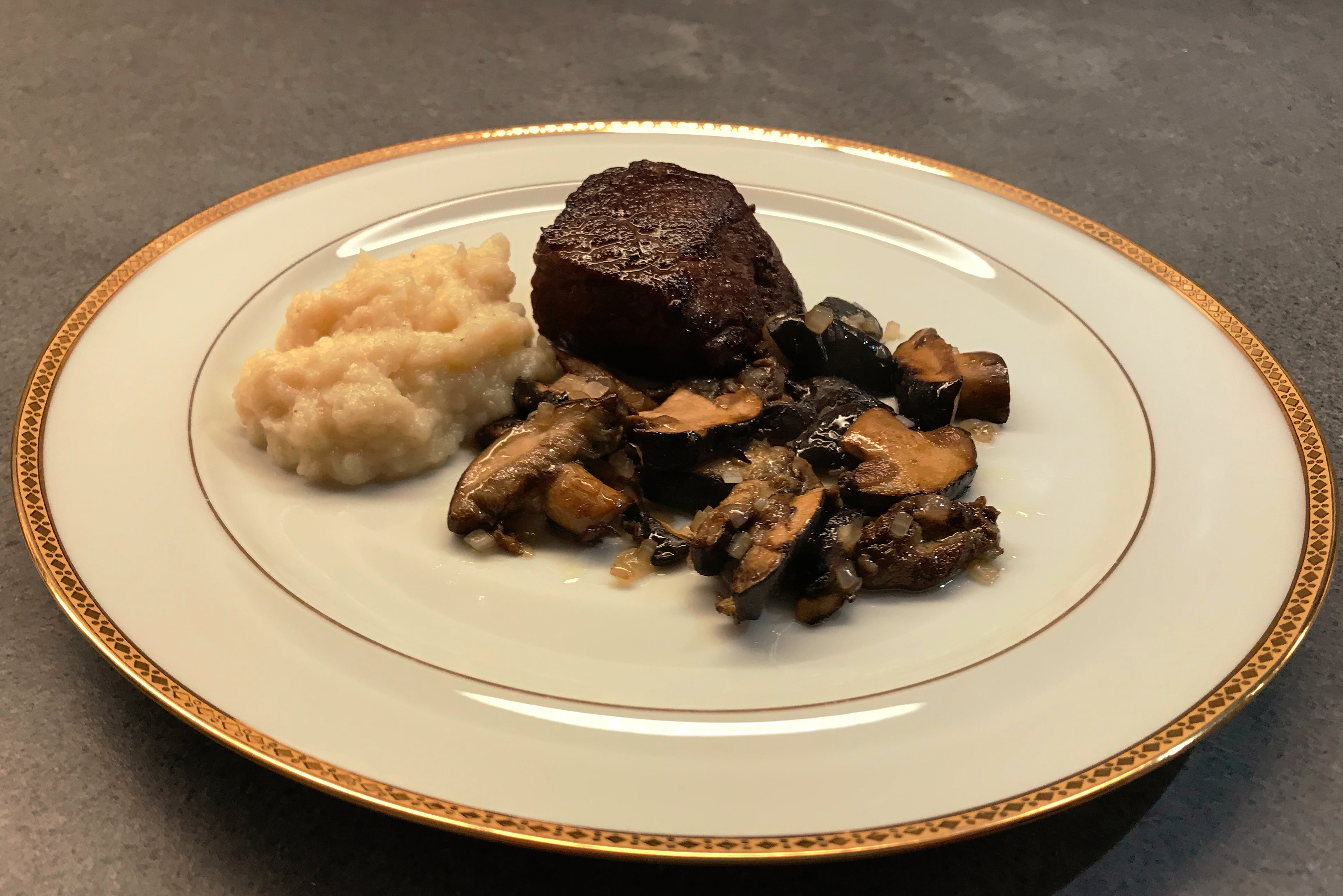
We continue celebrating the season: we create a rich sauce with Bay Bolete, Mustard, Sage and Crème Fraîche and combine it with excellent veal. The sweetness of both the sauce and the veal makes for an delicious combination. The aromatic sage brings length and depth to the dish.

It’s not always clear what umami is, but trust us, when you taste this dish, you will taste it. Meaty, deep and savoury. A very powerful and intense dish.

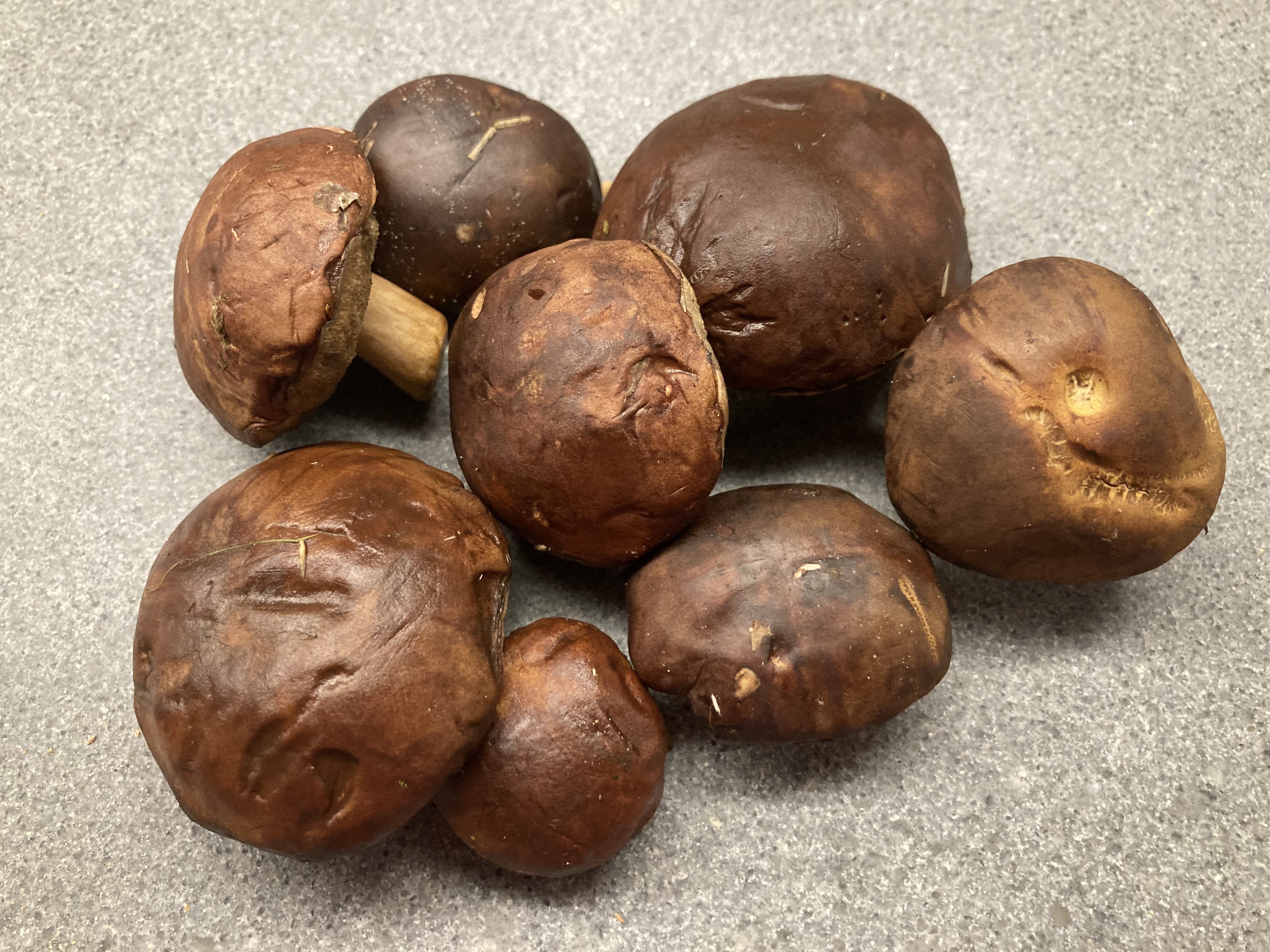
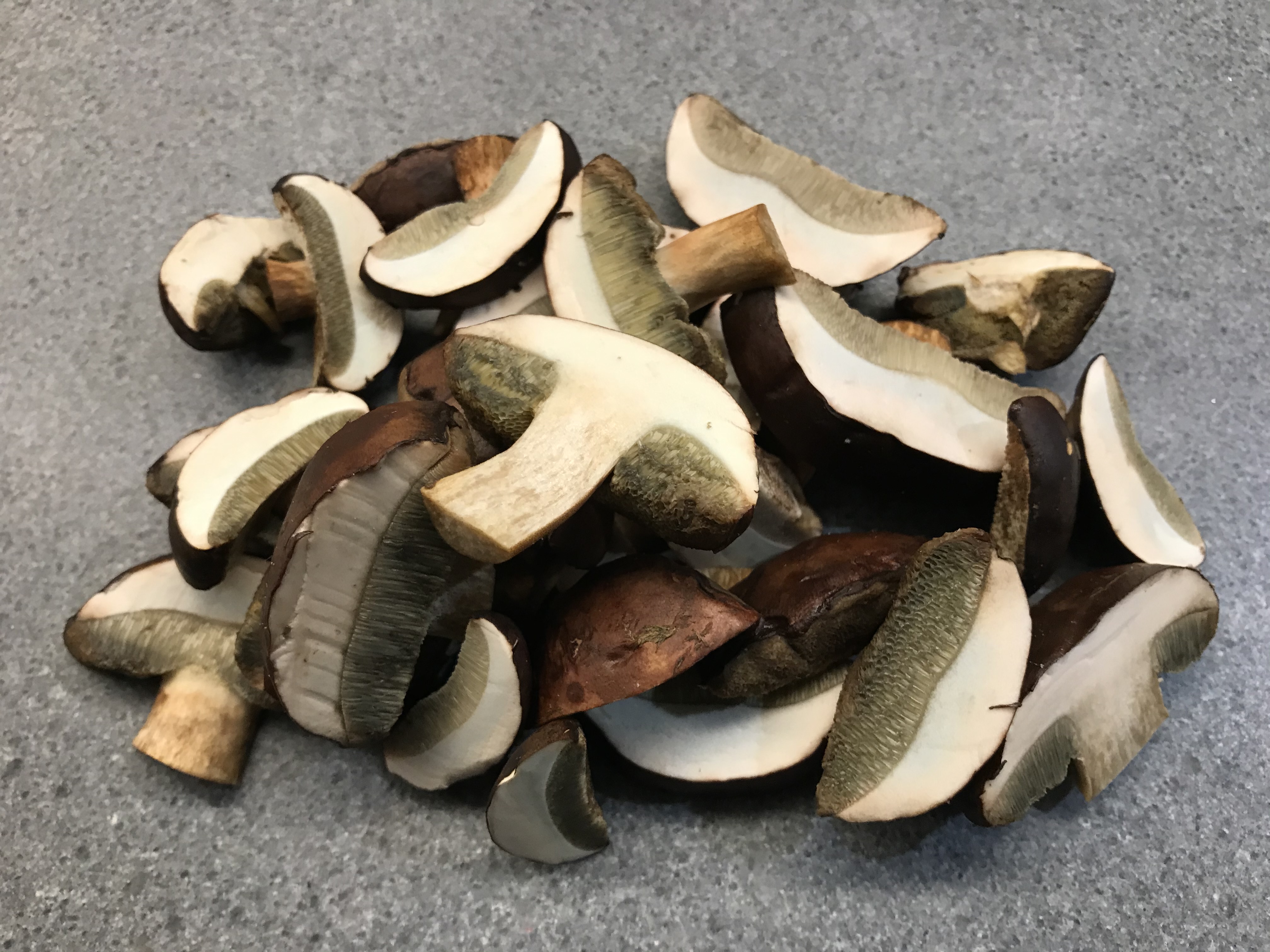
The taste of the Bay Bolete (Imleria badia, Bolet Bai, Kastanjeboleet, Maronen-RöhrlingBoleto Bayo) is similar to that of the Cèpes or Penny Bun. Perhaps the taste is more intense? In most cases you must discard the stem of the bay bolete because it’s not soft (and it will remain chewy when cooked), different from the stem of the cèpes. The colour of the cap is dark brown, like a chestnut.

Wine Pairing

A fruity, slightly chilled red wine will be great with the dish. We opened a bottle of German Spätburgunder from the Pfalz area. Some dark fruit, strawberries, touch of earthiness, not too complex. One that supported the flavours and aromas of the dish very well.

What You Need

  • 100 grams Bay Boletes
  • Butter
  • Olive Oil
  • 4 Sage leaves
  • Stock (Chicken or Vegetable)
  • Black Pepper
  • Mustard
  • Crème Fraîche
  • 200 grams of excellent organic Veal Ribeye

What You do

Make sure the meat is at room temperature. Add some butter and oil to a heavy iron skillet and fry the meat until golden brown and pink. Transfer to the oven at 50 °C or 125 °F. Cover with aluminium foil. In parallel remove the dry stems of the mushrooms. Clean the remaining mushrooms with kitchen paper. Chop half of the mushrooms. Slice the other half. Start by frying the halves in the pan. When ready transfer to the oven. Add some butter and oil to the pan and fry the chopped mushrooms. Add chopped sage leaves and allow to simmer. Use mustard, stock and crème fraiche to make the sauce. Leave on low heat for 5 minutes or so. Add more stock if so required. Add some extra sage and black pepper. Add the meat juices to the sauce. Slice the meat, plate up with sauce, meat and sliced bay bolete.

Other Recipes with Bay Boletes

You may also enjoy them with Brussels Sprouts, Jerusalem Artichoke or with Guineafowl.

Guineafowl and Bay Bolete

It seems to be a great year for the Bay Bolete! Earlier we wrote about this delicious mushroom and its name. The Bay Bolete is a fairly common mushroom and its flavour can be compared to that of the more expensive Cèpes or Porcini. It’s a bit more intense and especially when served with meat it is a culinary treat. We combined the Bay Bolete with guineafowl, rosemary, thyme, garlic and pancetta. Lots of flavours and aromas. An intense and great way to celebrate autumn.

Guineafowl meat is leaner, somewhat darker and more flavourful compared to chicken. It is not difficult to prepare, but due to the low-fat content you must be careful not to overcook. In this recipe we use guineafowl supreme (the breast fillet with the skin on plus the wing bone) which is perhaps the tastiest part of the guineafowl. 

Wine Pairing

We opened a bottle of Chiroubles, a cru from the Beaujolais, produced by Domaine Montangeron. The wine has floral notes and aromas of cherries and strawberries. Its colour is pale ruby. Rich, elegant and long. It brings freshness and fruitiness to the dish and is sufficiently complex to remain present when enjoying the guineafowl and the Bay Bolete.
In general you’re looking for a red wine with freshness, fruity aromas and complexity. Perhaps a Pinot Noir?

What You Need

  • 2 Guineafowl Supremes
  • Pancetta
  • Rosemary
  • Thyme
  • Olive Oil
  • 150 grams of Bay Bolete
  • One Garlic Clove

What You Do

Pre-heat your oven to 180 °C or 355 °F. Clean the mushrooms with kitchen paper. Put a sprig of thyme and rosemary on the meat side of the fillet and close it with two strings of red/white kitchen twine. Add some olive oil to an iron oven dish, add the guineafowl, meat side up, and cover with strips of pancetta (or bacon). Leave in the oven for 10-15 minutes depending on the size. Transfer the pancetta to the side of the pan, turn the meat and leave for another 10-15 minutes until done (and golden). The temperature of the meat should be minimum 70 °C or 160 °F. When the guineafowl is done, transfer from the oven, remove the kitchen twine and allow to rest for 10 minutes. Halve or quarter the mushrooms, chop the garlic very fine, fry the mushrooms in olive oil and add the garlic seconds before the mushrooms are ready. Add the mushroom mixture to the sizzling guineafowl juices in the pan and stir. Serve the guineafowl with the bay bolete on a warm plate.

Bay Bolete

What’s In A Name?

We are all familiar with the white (button) mushroom, also known as Champignon de Paris. The Chestnut Mushroom is the same mushroom, just with a light brown, chestnut coloured cap. Its taste and texture are more intense compared to the classic white mushroom.
A Chestnut Bolete is a different kind of mushroom. It is small, chestnut coloured when young and beige when older. The German name of the Chestnut Bolete refers to rabbits, the Dutch name to cinnamon and the French name to chestnuts.
The overall colour of a Bay Bolete is brown and its cap is bay, the reddish brown colour of many horses. Or is it chestnut? In German and Dutch the name of the Bay Bolete refers to chestnuts; in French it refers to bay. The official name of the Bay Bolete is Imleria badia, but also Boletus Badius because it’s related to Boletus Edulis, also known as cèpes or Porcini.

Let’s talk about flavours and aromas, that’s probably more interesting. Bay Boletes are as tasty as cèpes. The texture is a bit softer and the mushroom itself more moist. It’s actually a very common mushroom in Europe, China, Mexico and North America. Sadly, this very tasty, not expensive bolete is hard to find in shops and on markets. So if you see them, buy them immediately.
Following the recipe for Cèpes à la Bordelaise is a good idea.

Wine Pairing

Enjoy with a glass of medium bodied red wine with aromas like berries and plums, for instance a Beaujolais Côte de Brouilly. It’s such a pity that the appreciation of Beaujolais wine is dominated by the (faded) popularity of Beaujolais Primeur and the idea that Beaujolais is a simple and light wine. It’s not. When you have the opportunity, taste a glass of Régnié, Morgon or one of the other 10 crus of the Beaujolais. Welcome to the divers and exciting world of Beaujolais wines!

What You Need

  • 200 gram of Bay Boletes
  • Shallot
  • Red Meat (Deer in our case)
  • Jerusalem Artichokes
  • Chicken Stock
  • Olive Oil
  • White and Black Pepper
  • Excellent Olive Oil

What You Do

Clean the Jerusalem artichokes and cook them for 10 minutes or so until tender. Mash with a fork or spoon and pass through a sieve. Don’t use a blender, unless you enjoy eating starch. Cool and set aside.
Clean the bay boletes with kitchen paper and slice them (not too thin). Chop the shallot. Add olive oil to a relatively hot heavy iron skillet. Reduce the heat and fry the boletes for 10 minutes. Add the chopped shallot. Cook on medium heat for 5 minutes. Stir and add fresh black pepper.
In parallel fry the meat very quickly in a hot skillet and let rest for 10 minutes. Warm the purée of Jerusalem artichoke, add a tablespoon of chicken stock, some white pepper and a drizzle of excellent olive oil. Mix with a spoon. Serve on a hot plate.