Exploring Asma Khan’s Ammu (Part 3)

We conclude our review of Asma Khan’s cookbook Ammu, Indian Home Cooking to Nourish Your Soul by preparing two dishes: Saffron Lamb and Pulao and asking our esteemed panel (André, Joke, Martine and Rutger) for their thoughts. In Part 1 we wrote about her Pumpkin and Coconut soup and in Part 2 about her Pineapple and Chilli Chutney and Eggs in Tamarind Gravy

Asma Khan is an Indian British chef, cookbook author and restaurant owner. In 2012 her pop-up restaurant started for 12 guests at her home, serving food cooked from traditional family recipes. Today her all-female Darjeeling Express restaurant in London offers Indian Rajput and Bengali home cooking specialties.

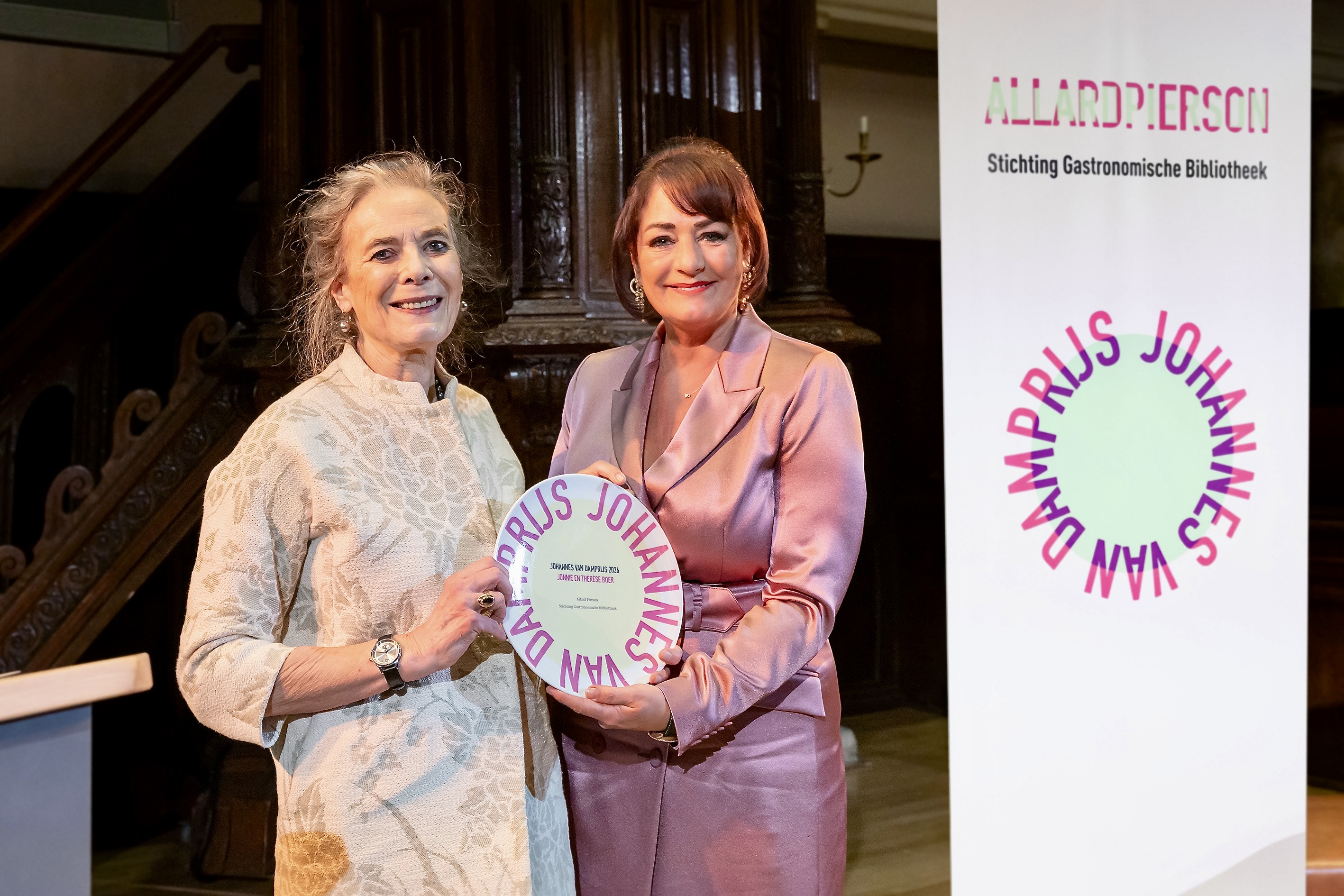
In 2024 she won the Johannes van Dam Prize, a lifetime achievement award for an individual who has made an exceptional contribution to the world of gastronomy. Previous winners of the prestigious prize include Yotam Ottolenghi, Carlo Petrini, Alice Waters, Claudia Roden, Jeroen Meus and Alain Passard.

The book is called ‘Ammu’ which translates to ‘Mother’. The stories, the recipes, the whole book is a tribute to the food her mother (and the family’s cook) prepared. But we feel it’s more: it’s also a tribute to original flavours, to people taking time to prepare food, to sharing and enjoying, to communities and heritage.

Saffron Lamb

The recipe calls for a whole leg of lamb. For practical reasons we decided to make a stew using neck of lamb. The meat is marinated for at least 4 hours (or overnight) in a combination of yoghurt, garlic, chilli powder and saffron. Using saffron can be challenging. Asma Khan soaks the saffron in tepid water, which makes it much easier to add the right amount of saffron, not only at the beginning but also just before serving. The stew was a well-balanced combination of lamb, spices and saffron. To quote Asma Khan: “This is a good one to serve friends and family to make them feel loved without having to spend a lot of time in the kitchen!”. It was Rutger’s favourite.

Pulao
Pulao © cadwu with rose petals, cardamom, cinnamon and pistachios. Recipe by Asma Khan

Doesn’t it look amazing? Basmati rice with cardamon, cinnamon, rose petals, pistachios, apricots, cloves, onion, rose water and bay leaf. The pulao surprised us all with its flavours, aromas and vibrant colours. The rice has a sweet undertone which makes it ideal to serve with spicy dishes. It combined very well with the lamb, the chutney and the eggs.

It was Martine’s favourite. Preparing it is, as you will expect by now!, a bit of work but it’s not difficult.

Should This Book Be On Your Shelf?

Our answer is “Yes, definitely” but our esteemed panel didn’t agree with us. They loved the dishes and the range of (new) flavours, the complexity of the aromas and the beautiful colours. They would be happy to enjoy more food from Asma Khan, but the time and effort required to prepare the food would be a problem.
Which means we will plan another Asma Khan dinner, with dishes such as Stir-Fried AuberginesCoconut Ladoo and Prawns with Peas and Potatoes. To be continued!

The Book

Ammu, Indian Home Cooking to Nourish Your Soul by Asma Khan is available via the usual channels or your local bookstore for 35,00 US$ or 26,00 EUR.
Some of her recipes were published by the BBC, other recipes were published by Great British Chefs and these by the Foodnetwork.

Exploring Asma Khan’s Ammu (Part 2)

We continue our review of Asma Khan’s cookbook Ammu, Indian Home Cooking to Nourish Your Soul by preparing two dishes: Pineapple and Chilli Chutney and Eggs in Tamarind Gravy and asking our esteemed panel (André, Joke, Martine and Rutger) for their thoughts. . Earlier we wrote about her Pumpkin and Coconut soup.

Asma Khan is an Indian British chef, cookbook author and restaurant owner. In 2012 her pop-up restaurant started for 12 guests at her home, serving food cooked from traditional family recipes. Today her all-female Darjeeling Express restaurant in London offers Indian Rajput and Bengali home cooking specialties.

In 2024 she won the Johannes van Dam Prize, a lifetime achievement award for an individual who has made an exceptional contribution to the world of gastronomy. Previous winners of the prestigious prize include Yotam Ottolenghi, Carlo Petrini, Alice Waters, Claudia Roden, Jeroen Meus and Alain Passard.

The book is called ‘Ammu’ which translates to ‘Mother’. The stories, the recipes, the whole book is a tribute to the food her mother (and the family’s cook) prepared. But we feel it’s more: it’s also a tribute to original flavours, to people taking time to prepare food, to sharing and enjoying, to communities and heritage.

Wine Pairing

Aska Khan doesn’t include suggestions for drink pairing in the book. As a main we served four dishes: Pineapple and Chilli Chutney, Eggs in Tamarind Gravy, Saffron Lamb and Pulua. We paired this with a red wine called Magenta produced by Domaine de l’Arjolle from the Côtes de Thongue area (west of the French city of Montpellier) made with merlot and cinsault grapes. The wine has a light red colour, and its taste made us think of cherries and red fruit. Excellent light wine that combined very well with the various flavours of Asma Khan’s dishes. In general, we would suggest a light, fruity red wine.
If you would like to enjoy a white wine, we would suggest one with limited acidity, for instance Pinot Gris.

Eggs in Tamarind Gravy
Eggs in Tamarind Gravy ©cadwu

When going through the book, we noticed this delicious looking dish. It made us think of Sambal Goreng Telor, an Indonesian side dishe which combines fried hard-boiled eggs with a sauce made with chillies, lemon grass, shrimp paste and other ingredients.

The recipe for Eggs in Tamarind Gravy is not too difficult, just a bit time consuming. The gravy is made with very thinly sliced onions, garlic, ginger, turmeric, chilli, tamarind extract and water. Once combined it needs to be reduced by half. We read the recipe again and started to wonder why it was called ‘gravy’. The liquid in our pan resembled a watery soup, not gravy. We left it to reduce, on low heat, and we waited patiently. It started to thicken and after two or three hours we knew Asma Khan was right: gravy it was.
We think that the very thinly sliced onion, cooked through and through, worked as a thickener. Ten minutes before serving we made three shallow slits on the surface of each hard-boiled egg, which helps the eggs to absorb the gravy.
The panel loved the combination of subtle flavours: sweet, tangy, sour and rich. The sauce has the texture of old-fashioned gravy and it coated the eggs perfectly.

Pineapple and Chilli Chutney
Pineapple Chutney ©cadwu

We decided to prepare Saffron Lamb because of the intriguing recipe (more in our next review). Asma Khan suggests serving the lamb with Rose, Apricot and Pistachio Pulau and Pineapple and Chilli Chutney, so that’s what we did.

The chutney is made with red chillies (we used Kashmiri red chilies), Indian bay leave (tej patta), ginger, sugar, salt and water. It needs to cook until the chutney thickens and looks glossy. As with the gravy we were slightly worried: after thirty minutes our chutney wasn’t glossy or thick and the pineapple was bright yellow. But after three hours the chutney looked exactly as Asma Khan predicted.
The panel was surprised by the sweetness and gentle spiciness of the chutney. The flavour of the pineapple was clearly present, but in a savoury way. Tasty in its own right, very nice accompaniment with the lamb and the rice.

The Book

Ammu, Indian Home Cooking to Nourish Your Soul by Asma Khan is available via the usual channels or your local bookstore for 35,00 US$ or 26,00 EUR.
Some of her recipes were published by the BBC, other recipes were published by Great British Chefs and these by the Foodnetwork.

Exploring Asma Khan’s Ammu (Part 1)

Recently we bought Asma Khan’s cookbook Ammu, Indian Home Cooking to Nourish Your Soul. ‘An entrancing book’, according to Nigella Lawson.
Asma Khan is an Indian British chef, cookbook author and restaurant owner. In 2012 her pop-up restaurant started for 12 guests at her home, serving food cooked from traditional family recipes. Today her all-female Darjeeling Express restaurant in London offers Indian Rajput and Bengali home cooking specialties.

In 2024 she won the Johannes van Dam Prize, a lifetime achievement award for an individual who has made an exceptional contribution to the world of gastronomy. Previous winners of the prestigious prize include Yotam Ottolenghi, Carlo Petrini, Alice Waters, Claudia Roden, Jeroen Meus and Alain Passard.

We prepared five dishes from the book and asked our esteemed panel (André, Joke, Martine and Rutger) for their thoughts. In this post we will look into Asma Khans Pumpkin and Coconut Soup and a dessert from Bengali, Bhapa Doi. On July 17th we will post part 2 of this review.

Flavours and Aromas

Asma Khan’s cookbook is about the food she enjoyed when she lived in India, the food she missed so much when living in the UK. By publishing the recipes, she creates an opportunity for all of us to enjoy the food that is close to her heart. That’ s why we followed her instructions to the letter, with one exception; we used less chillies.

Spices

Buying the right spices was a bit of a challenge. One of the ingredients of the Pineapple Chutney is Tej Patta, or Indian bay leaf. It has a clear cinnamon-like flavour and is not to be confused with common bay leaf.
We also needed not too spicy large chillies. We found some excellent Kashmiri Red Chilies. Flavourful, a touch spicy and dark red.
One dish required Cassia Bark which we couldn’t find and replaced with cinnamon.
We wanted to serve original Indian beer, so we had to find a few bottles of Kingfisher or Cobra.
The shopping took a bit of time, but it was worth the effort!

Not Just Another Cookbook

The book is called ‘Ammu’ which translates to ‘Mother’. The stories, the recipes, the whole book is a tribute to the food her mother (and the family’s cook) prepared. But we feel it’s more: it’s also a tribute to original flavours, to people taking time to prepare food, to sharing and enjoying, to communities and heritage.

Pumpkin and Coconut Soup
Pumpkin and Coconut Soup ©cadwu

When talking about our menu, we looked at the menu of The Darjeeling Express and decided to prepare one starter and four dishes as main course. A vegetarian Pumpkin and Coconut soup would be ideal as a starter. The ingredients are pumpkin, onion, garlic, ginger, red chillies, coconut cream, salt, star anise and fennel seeds. Two tablespoons of fennel seeds (for 6 servings)? Star anise? Would that work? 

The panel was impressed: a delicious pumpkin soup, spicy, but not the kind of spiciness that lingers on. The fennel worked beautifully with the pumpkin and coconut. The star anise gave the soup a nice additional and unexpected aroma. André’s favourite.

Bhapa Doi
Bhapa Doi ©cadwu

When reading the book, we noticed that the recipes are not too complex, however, most are rather labour intensive. The book includes several recipes for desserts but given the time we needed to prepare the other dishes we decided to make a relativity easy Bengali dessert (not included in the book).

The Bhapa Doi is rich and moist, the taste long and (not overly) sweet. It made us think of cream cheese pie. The raisins combined very well with the creamy flavours and the cardamom. Perhaps we could have made smaller portions?

What You Need (for 7 ramekins (150 ml))
  • One tin of Condensed Milk (approximately 400 grams)
  • 250 ml Greek Yoghurt
  • 100 ml Whole Milk
  • 1½ teaspoon of finely crushed Cardamom Seeds
  • Handful of Sultana Raisins
  • Pistachio Nuts (to decorate)
What You Do
  1. Soak the sultana raisins for 15 minutes in lukewarm water
  2. Preheat your oven to 170 °C or 340 °F traditional (no fan)
  3. Combine the condensed milk with the yoghurt until smooth
  4. Add the milk and combine
  5. Add the crushed cardamom seeds
  6. Use kitchen paper to dry the raisins
  7. Add the raisins to the mixture
  8. Fill the ramekins with the mixture
  9. Place the ramekins in a baking tray
  10. Add boiling water up to 2/3 of the height of the ramekins
  11. Close the oven door and reduce the temperature to 120 °C or 250 °F
  12. Leave in the oven for 30 – 40 minutes, until set
  13. Test with a needle (it should come out dry)
  14. Remove the ramekins from the baking tray and allow to cool.
  15. Best to refrigerate the ramekins for 4+ hours in the refrigerator before serving
  16. Decorate with pistachio nuts
The Book

Ammu, Indian Home Cooking to Nourish Your Soul by Asma Khan is for sale via the usual channels or your local bookstore for 35,00 US$ or 26,00 EUR.
Some of her recipes were published by the BBC, other recipes were published by Great British Chefs and these by the Foodnetwork.