Saffron Milk Cap with Squid and Tomatoes

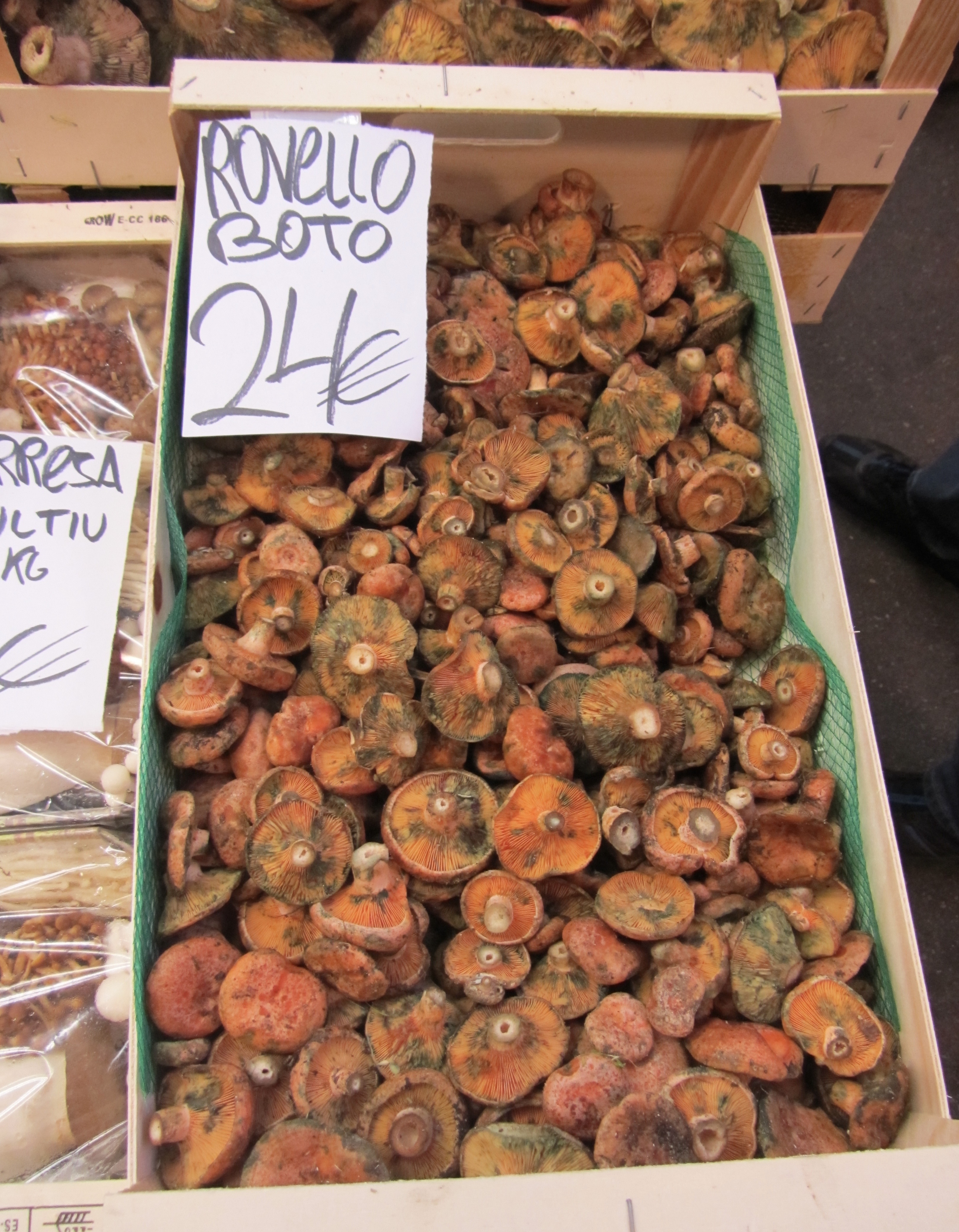
It’s nearly the end of the season for this delicious mushroom. And what better idea than to close the season with a new recipe! Normally we would combine Saffron Milk Cap with Chorizo and roasted Bell Pepper. Thinking more about Spain and its markets (the one in Valencia is our all-time favourite) we came up with the idea of combining the mushroom with fish? Or gambas? Or perhaps squid?

Wine Pairing

We opened a bottle of Domaine Font-Mars Picpoul de Pinet 2021. Picpoul de Pinet (Son terroir c’est la mer) is a white wine from the South of France between Narbonne and Montpellier. The terroir (think calcareous soil) is influenced by the sea, which is reflected in the mineral taste of the wine. The story is that Picpoul could be read as pique poul which translates into something like ‘stings the lip’; a nice reflection of the high acidity of the grapes. This acidity guarantees a refreshing white wine, which is exceptional given the warm climate. The wine is bright yellow with a very subtle touch of green. It’s aromatic, floral and fruity. The taste has notes of citrus and apple.
In general we suggest drinking a refreshing, unoaked white wine that goes well with seafood.

What You Need

  • For the Squid
    • 150 grams of Squid
    • 4 Tomatoes
    • One Garlic Clove
    • Red Wine
    • Thyme
    • Olive Oil
  • 150 grams of Saffron Milk Cap
  • Parsley and or Celery Leaves
  • Cayenne Pepper
  • Olive Oil

What You Do

The day before serving: clean the squid. Slice (not too thin). Peel, seed and dice the tomatoes, use a strainer to get as much tomato juice as possible. Chop the garlic finely. Heat a skillet, add olive oil and add the sliced squid. Fry for a few minutes, add the garlic and the tomatoes. Reduce the heat. After a few minutes add the tomato juice, half a glass of red wine and thyme. Leave to simmer for 2 hours or until the squid is ready both in flavours and texture. Cool and transfer to the refrigerator.

The next day clean the mushroom and slice (not too thin). Chop the parsley and or celery leaves. Heat a skillet, add olive oil and add the sliced mushroom. Fry for one minute, then reduce heat. Add the squid mixture and cook for a few minutes. Taste and add cayenne pepper. You’re looking for a fairly sharp, spicy taste. Add half of the chopped parsley/celery. After a few minutes serve the mixture and garnish with parsley/celery. The idea is to have a mixture (not a sauce) of squid and mushrooms, coated with tomatoes. 

Ragù Napoletano

Ragù Napoletano is all about beef and tomatoes. Combining these two creates umami, one of the five tastes, because the tomatoes contain amino acid glutamate and the beef inosinate
Whereas Ragù Bolognese is made with finely chopped meat, Ragù Napoletano is prepared with whole cuts of beef, seasoned and rolled up. Best is to use Blade Steak (or Top Blade), Rump Cap or Top Rump. Our butcher suggested using Knuckle Side Roast (or Knuckle Plate Muscle) which is rather lean so a touch dry after simmering for many hours. On the other hand, it kept its structure and flavours very well. Best is to ask your butcher for advice.
Many recipes suggest adding pork ribs to the dish, but we wanted to focus on the combination of beef and tomato. We did however add a bit of fatty bacon.
Tomato-wise you need lots of tomatoes: fresh ones, passata, puree and/or canned.
Best to prepare one day ahead.

Wine Pairing

A red, full bodied wine from Italy made with Sangiovese grapes will be a great accompaniment for both the starter and the main dish. We opened a bottle of Les Petits Rigolos, a red wine from the Tolosan region in south western France made with Merlot and Cabernet Sauvignon. A round wine with notes of strawberry and blackcurrant. A touch spicy, which worked very well with the rich flavours of the Ragù Napoletano.

What You Need

  • For the Beef
    • 2 slices of Beef
    • Parmesan Cheese
    • Raisins
    • Fresh Parsley
    • Fresh Oregano
    • 1 small Garlic Clove
    • Optional: Pine Nuts
    • Olive Oil
  • For the Sauce
    • Small Onion or Shallot
    • Olive Oil
    • Bacon (or better: Lardo)
    • 250 ml of White Wine
    • Fresh Tomatoes
    • Tomato puree
    • ½ can of Tomatoes
    • Passata
  • For the Starter
    • Rigatoni
    • Parmesan Cheese
  • For the Main Course
    • Vegetables

What You Do

Soak the raisins in water for an hour. Drain. Chop parsley, oregano, raisins and garlic. In a bowl, combine raisins, garlic, oregano, parsley and freshly grated cheese. Flatten the meat if it’s difficult to roll up. Scatter the mixture over the meat, roll the meat up and tie with two strings of kitchen twine.
If using fresh tomatoes, peel and seed them. Chop coarsely. Chop the onion and slice the bacon. Heat a large saucepan, add olive oil, add onion and bacon. Leave on low heat for some 10 minutes or until the onion is glazed. Add the two rolls and fry them on all sides until evenly golden brown. Take you time to do this. Add the wine, let the alcohol evaporate and reduce. Add the tomatoes, the passata and the puree. Leave the stew on low heat and turn the meat occasionally. This stage is about stewing the meat as gently as possible and reducing the sauce. If you feel it’s going too fast, then put a lid on the pan, but only partially.
Once the meat is ready (this may take 4+ hours) remove the meat from the sauce, keep it warm (an oven at 50 °C or 120 °F will be perfect) and allow the sauce to reduce even more, as slowly as possible. Wait for the sauce to become dark and shiny.
For the first course: serve the sauce with pasta and freshly grated Parmesan cheese (we used Rigatoni because of the ridges).
For the second course: warm the meat in the remaining sauce, slice it and serve with sauce and vegetables.

PS

We would probably be kicked out of Naples (and Italy) with our version of Ragù Napoletano (oregano? French wine?). It is, however, a very tasty two course meal with lots of umami, as expected.

Guineafowl and Bay Bolete

It seems to be a great year for the Bay Bolete! Earlier we wrote about this delicious mushroom and its name. The Bay Bolete is a fairly common mushroom and its flavour can be compared to that of the more expensive Cèpes or Porcini. It’s a bit more intense and especially when served with meat it is a culinary treat. We combined the Bay Bolete with guineafowl, rosemary, thyme, garlic and pancetta. Lots of flavours and aromas. An intense and great way to celebrate autumn.

Guineafowl meat is leaner, somewhat darker and more flavourful compared to chicken. It is not difficult to prepare, but due to the low-fat content you must be careful not to overcook. In this recipe we use guineafowl supreme (the breast fillet with the skin on plus the wing bone) which is perhaps the tastiest part of the guineafowl. 

Wine Pairing

We opened a bottle of Chiroubles, a cru from the Beaujolais, produced by Domaine Montangeron. The wine has floral notes and aromas of cherries and strawberries. Its colour is pale ruby. Rich, elegant and long. It brings freshness and fruitiness to the dish and is sufficiently complex to remain present when enjoying the guineafowl and the Bay Bolete.
In general you’re looking for a red wine with freshness, fruity aromas and complexity. Perhaps a Pinot Noir?

What You Need

  • 2 Guineafowl Supremes
  • Pancetta
  • Rosemary
  • Thyme
  • Olive Oil
  • 150 grams of Bay Bolete
  • One Garlic Clove

What You Do

Pre-heat your oven to 180 °C or 355 °F. Clean the mushrooms with kitchen paper. Put a sprig of thyme and rosemary on the meat side of the fillet and close it with two strings of red/white kitchen twine. Add some olive oil to an iron oven dish, add the guineafowl, meat side up, and cover with strips of pancetta (or bacon). Leave in the oven for 10-15 minutes depending on the size. Transfer the pancetta to the side of the pan, turn the meat and leave for another 10-15 minutes until done (and golden). The temperature of the meat should be minimum 70 °C or 160 °F. When the guineafowl is done, transfer from the oven, remove the kitchen twine and allow to rest for 10 minutes. Halve or quarter the mushrooms, chop the garlic very fine, fry the mushrooms in olive oil and add the garlic seconds before the mushrooms are ready. Add the mushroom mixture to the sizzling guineafowl juices in the pan and stir. Serve the guineafowl with the bay bolete on a warm plate.

Classic Cèpes

What better way to start the mushroom season than serving Classic Cèpes? The recipe is very simple and the result is about cèpes and cèpes alone. The stems a bit firm, the caps moist, the flavours intense and the taste rich and earthy, with a touch of freshness from the parsley. It’s a classic in Germany (Steinpilze auf klassische Art), France (similar to Cèpes a la Bordelaise), Italy and many other countries. 

Wine Pairing

If you want to enjoy the cèpes with a glass of white wine, then we suggest drinking one that is fresh, fruity, round and balanced, for instance of a glass of Bodegas Mocén Selección Especial made from verdejo grapes. A glass of rosé with similar flavours is also a good idea. The idea is to support the cèpes by adding fruitiness and freshness to the dish.

When you decide to drink a glass of red wine, then we suggest a full-bodied red wine with gently fruit and present tannins. 

What You Need

  • 200 gram Cèpes
  • Butter
  • One small Shallot
  • Parsley
  • Black Pepper

What You Do

Clean the mushrooms and slice lengthwise. Finely chop the shallot and the parsley. Add butter to a relatively hot heavy iron skillet. Reduce the heat and fry the cèpes for a few minutes. Add the shallot. Cook on medium heat for 2 minutes. Add chopped parsley, add more butter, black pepper and stir. Serve on a warm plate.

Warm Tapenade

On one of the last, warm, long evenings of this summer we wanted to enjoy something with lots of flavours and depth, but we didn’t want to spend too much time in the kitchen. Then we remembered a tapenade like mixture that worked nicely with monkfish. Why not combine it with excellent beef? The result was what we hoped for: lots of flavours and we only needed 15 minutes to prepare it.

Wine Pairing

Enjoy with a glass of full-bodied red wine, for instance Syrah, Cabernet Sauvignon or Malbec. The tannins of such a wine will combine very well with the depth and richness of the tapenade and the beef.

We enjoyed a glass of Les Terrasses Occitanes Fitou produced by Mont Tauch from the Languedoc region in France, made with Grenache, Carignan and Syrah grapes. A not too complex, full bodied dry wine with aromas of red fruit and a lasting taste.

What You Need

  • 150 grams of Excellent Beef (Sirloin, Bavette)
  • For the Tapenade:
    • Shallot
    • Garlic
    • Black Olives
    • Capers
    • Thyme
    • Rosemary (optional)
    • Anchovies
    • Olive Oil

What You Do

Let the beef rest on a plate until it reaches room temperature. This could take an hour. Chop the shallot and the garlic, halve the black olives and remove the thyme leaves from the stalk. If using fresh rosemary, make sure to chop the leaves. Dry the capers with kitchen paper. Mash the anchovies with a fork until you have a paste-like substance. Warm a pan, add some olive oil and glaze the onions. After a few minutes add the garlic. Add the olives, the thyme, the capers and the anchovies. The result should be a rather chunky, rich tapenade.
Add olive oil to a hot skillet and quickly fry the beef. Leave to rest for a few minutes before serving with the warm tapenade. Add some black pepper.

PS

Not using anchovies is not an option. They bring umami and saltiness to the tapenade. One fillet is enough to have the right result.

Beef with Warm Tapenade ©cadwu

Zucchini with Oregano and Parmesan Cheese

Recently a friend who lives in Liguria, north-western Italy, gave us a Trombetta d’Albenga. This is a zucchini, shaped like an antique trumpet. What makes it interesting is related to its shape: the seeds of this kind of zucchini are in the bell of the trumpet only, meaning that most of the zucchini is free of seeds. Which makes it ideal for a salad or for frying, especially when it’s young. Older trombettas tend to be yellowish and firmer; more pumpkin-like.

It’s wonderful to prepare this starter with Trombetta d’Albenga, however they are hard to find outside of Liguria, so we prepared this dish both with a trombetta and with a young normal zucchini. The trombetta is firmer and its taste creamier, nevertheless in both cases it’s a healthy, very tasty, vegetarian starter, one to share and enjoy with friends. It’s crunchy, salty, full of flavours, soft and slightly bitter.

Wine Pairing

The most popular grape in Liguria is Vermentino, which is used to produce white wines. Don’t worry if you can’t find a wine made with vermentino. In general a glass of rosé or white wine will be nice with the zucchini, provided the wine is fresh, with a touch of acidity and notes of citrus or green apples.

What You Need

  • One Trombetta or Young Zucchini
  • Breadcrumbs or Panko
  • Dried Oregano
  • Parmesan Cheese
  • Olive Oil

What You Do

Wash and slice the vegetable. If using a zucchini, drizzle with salt and mix. Let the mixture rest for two hours, allowing for the zucchini to lose water and become firm. Best way to do this, is by putting the zucchini in a sieve and let it rest above a bowl. Wash the zucchini.
If the dried oregano is not very fine, then use a kitchen knife to make the dried leaves smaller. Mix breadcrumbs or panko with a generous amount of freshly grated Parmesan cheese and Oregano. Heat a non-stick pan with olive oil. Coat the slices of zucchini with the mixture and fry quickly until golden. When ready, leave for a minute or two and serve the trombetta warm.

Château de Bellet

The Riviera is a much-loved coast, with wonderful cities such as Genoa and Nice, and touristic hot spots such as Saint Tropez and Portofino. Blue seas, mild climate, culture (the film festival of Cannes), art (Léger, Picasso, Cocteau, Miró, Niki de Saint Phalle) and everything else you can dream of. Go to the beach, tour the hilly mountains and of course, visit the beautiful gardens and enjoy local food and wine. Taste Taggiasca olives, pesto, socca, tourte de blettes, merda de can, spumante.

The French part of the region is well known for its flavourful rosé wines. Well known wines such as Domaine Ott, wines from Cassis and Bandol, or more affordable wines from the Var region. In general the rosé wines are pale, fresh, fruity and delicate. Ideal for lunch, accompanying Fruits de Mer or pissaladière. Amongst the most popular grapes in the Provence are grenache, cinsault, syrah, mourvèdre and tibouren.

Bellet

Not far from the city of Nice you’ll find a relatively small and isolated wine area, named after the village of Saint Roman de Bellet. We had the pleasure of visiting Château de Bellet, a winery that was founded in the 18th century. We walked around the vineyard and enjoyed the view, from snowy mountains to the Mediterranean. The vineyard close to the tasting room (an old chapel) showcases special grapes such as Rolle (also known as Vermentino), Braquet and Folle Noire. Did we mention all wines are organic?

We especially enjoyed the red wine from Château de Bellet. The wine is dark, ruby red, with aromas of berries and cherries. Elegant, fresh, balanced and with soft tannins.
Some wines from the Provence suggest a flavour called garrigue. The term refers to a shrubby vegetation with plants such as thyme, lavender, rosemary, heather and kermes oak, a vegetation that is very common in the Mediterranean hills and mountains.
Next time you sip a glass of Côtes de Provence, remember to think of garrigue and see if you recognise it!

Food Pairing

We combined our glass of Château de Bellet with lamb chops (thyme, garlic) and fried (waxy) potatoes.

What You Need

  • Lamb Chops
  • Thyme
  • Garlic
  • Olive Oil
  • Potato (we used Agata)
  • Olive Oil
  • Butter
  • Black Pepper

What You Do

Use a fork to pinch small holes in the potato. Transfer to the microwave and set to 4 minutes on full power, depending on the size and shape of the potatoes. Let cool.
Fry the chops for a few minutes in olive oil until beatifully golden-brown. Reduce heat, wrap the chops in aluminium foil and add thyme and roughly chopped garlic to the pan.
In parallel slice the potato lengthwise in 4 and fry the potatoes in olive oil and butter until the potato is crispy and golden. Serve with freshly grounded black pepper.

Green Gnocchi

We love eating Gnocchi, preferably as a starter with some olive oil and Parmesan cheese. Tasty and rich. Perhaps sometimes a bit too rich and too filling, especially the ones you can buy at your local shop or supermarket. Therefore it’s best is to make your own gnocchi, which is not too difficult, just time consuming.

We were pleasantly surprised when we found Green Gnocchi in Nice (France), made with Swiss Chard. The chopped leaves help improve the structure of the Gnocchi and add complexity and freshness to the dish. Yummy!

So all is good? Well, the name is a bit odd, to say the least. This Niçoise speciality is called Merda de Can, which translates into something from a dog – not very pleasant and certainly not something you want to eat. Very odd.

The name shouldn’t stop you from enjoying it. Merda de Can with Sage Butter is truly delicious.

Wine Pairing

We enjoyed our Merda de Can with a glass of Saint Roman Sable de Camargue Rosé. In general you’re looking for a well-balanced, fresh wine. Given the butter and sage sauce you could serve a Chardonnay or perhaps an Italian white wine such as Gavi di Gavi or Soave

What You Need for 8 starters

  • For the Merda de Can 
    • 600 Grams of Starchy Potatoes
    • 300 Grams of Swiss Chard, Spinach or Water Spinach (cleaned and ready to use)
    • Olive Oil
    • Nutmeg
    • 1 Egg
    • All Purpose Flour
  • For the Sauce
    • Butter
    • Sage
  • Parmesan Cheese or (preferred) Vacherin de Fribourgeois)

What You Do

Best is to follow the instructions by a Niçoise chef. 
Or prepare gnocchi as you would normally. Quickly fry the leaves in olive oil, remove from the pan, chop finely and drain. Add to the potato mixture, add the beaten egg, add freshly grated nutmeg and combine. Now start adding flour until you have the right consistency. You’re looking for a flexible, non-sticky dough. Flour your hands and start making short, small, thin, sausage like pasta. (Perhaps this is the moment to think about a small dog. Or perhaps not.) Don’t worry about the shape, it’s okay if they are not very similar. Devein the sage leaves. Warm butter in a pan and add the sage. In parallel heat a generous amount of water. Add the pasta to the boiling water and wait until the pasta surfaces. Remove from the water, add the pasta to the pan with sage butter, coat the pasta and freshly grated Parmesan cheese and serve.

PS

The Merda de Can we enjoyed was bought at a local Niçoise shop and had a more elegant shape.

Green Gnocchi (Merda de Can) ©cadwu

Pasta with Mushrooms

Most historical recipes are about meat, fish and poultry, using a range of herbs and spices. Vegetables were not considered to be a healthy (slimy and wet) or were seen as food for the poor. Afterall, the recipes were to be used by cooks and chefs for the upper class and the gentry. Eating meat, drinking wine and using spices also illustrated wealth.

Today’s food culture is very different: meat is seen by many as the most important aspect of a meal, we tend to eat far too much of it and we’re not willing to pay a decent price for it. Go to your local supermarket, visit your local snack restaurant and feel sorry for the animals. From happy pig in the mud to intensive farming where the animals are kept in gestation crates.
On the other hand, hurray, we see more and more vegetarian alternatives, with lentils, beans, vegetables etcetera inspired by, for instance, traditional vegetarian cuisine from India.

We were pleasantly surprised when Manon Henzen and Jeroen Savelkouls published their Historisch Kookboek Vega, discussing historical vegetarian cuisine. The book includes 14 recipes, for instance dishes like Surprise Honey Cake and Chick Pea Soup. Plus one for Pasta with Mushrooms. Sounds very much 21st century but is actually based on a Venetian recipe from the 14th century. It’s a nice combination of homemade pasta (a bit chewy perhaps), mushrooms and spices. We tweaked it a bit. The original recipe is included in the book which is available via the webshop for €12,50 (Dutch only). On the website you will also find a range of videos, helping you to cook historical vegetarian food.

Wine Pairing

You can be flexible in this case. We enjoyed a glass of Côtes de Provence rosé with our pasta, but a glass of not too complex, red or white wine will also be fine.

What You Need

  • Dough
    • 125 grams of All Purpose Flour
    • 2 Eggs
    • 50 grams of Parmesan Cheese
  • Spices
    • Black Pepper
    • 3 Cardamom Seed Pods
    • Cinnamon Powder
    • Laos Powder
    • Nutmeg
  • Shallot
  • 150 grams of Mixed Mushrooms
  • 4 Sage Leaves
  • Parsley
  • White Wine Vinegar
  • White Wine
  • Olive Oil

What You Do

Crush and combine the spices. Add 2 teaspoons of the mixture and the grated Parmesan cheese to the flour and mix. Whisk two eggs and add these to the mixture. A bit of kneading is required to make the dough. Set aside for an hour or so.
Knead the dough a bit more, flour your hands and make finger-long, thin pasta.
Chop the shallot, glaze in a large heavy iron pan, add the sliced mushrooms and fry these gently for a few minutes. Now add half of the deveined sage leaves and roughly chopped parsley plus some white wine. You could add a splash of white wine vinegar. Cook the pasta in a pan with boiling water for 10 minutes or until done. It behaves very similar to gnocchi. Five minutes before serving add the remaining sage and parsley. Drain the pasta, add to the pan and combine. Serve with some extra Parmesan cheese.

Pasta with Mushrooms ©cadwu

Quail à la Roden

A few excellent ingredients is sometimes all you need to cook a wonderful dish. In this case you need quail, shallot, olive oil, butter, sage and Marsala.
We love the delicate, pleasantly intense flavour of quails. They are great to combine with strong flavours like bay leaf, pancetta and prunes but in this case, we follow a recipe by Claudia Roden, as published in her excellent book The Food of Italy. We tweaked it a bit, so please buy Claudia Roden’s book when you want to make the original.
Marsala is a fortified wine from Sicily. Perhaps you know it as something sold in small bottles, especially for cooking purposes. Never buy this nasty product because it can’t be compared to real Marsala. Same story for the small ‘Madeira’ bottles.
Quails must be sufficiently fat and undamaged. We prefer the French label rouge quails. Not cheap, but a wealth of flavours. 

Wine Pairing

The dish comes with a gentle, intense and slightly sweet taste thanks to the sage, the marsala and the quail. You could go for a medium bodied red wine. We enjoyed a glass of Domaine Vico Corse Le Bois du Cerf Rosé 2021 with our quail. This is an exceptional rosé from Corsica. It is made from grenache and sciacarello grapes. It is medium bodied and fresh with aromas of red fruit. Its taste is complex, long and fruity.

What You Need

  • 2 Quails
  • 1 Shallot
  • Olive Oil
  • Butter
  • 4 Leaves of Sage
  • Dry or Medium Dry Marsala
  • Chicken Stock
  • Black Pepper

What You Do

Clean the inside of the quail with a bit of kitchen paper and remove anything that’s left. Check for remaining feathers and shafts. Gently fry the chopped shallot in butter and olive oil until soft. Remove the shallot from the pan, increase the temperature and fry the quails until golden-brown. Reduce the heat, add shallot and sage. Pour in marsala and stock. Cook the quails for 20 minutes until done, turning them over regularly. Transfer the quails to a warm oven (60˚ C or 140˚ F). Reduce the sauce, taste, add black pepper, perhaps some freshly chopped sage and diced cold butter to thicken the sauce. Serve the quail on top of the sauce.
Claudia Roden serves the quails with risotto.