Cacio e Pepe

It takes only four ingredients to create an international culinary incident: a classic Italian recipe, a well-known British food website, Parmesan cheese and butter. What happened? BBC Good Food published a recipe for a quick and easy lunch meal, called Cacio e Pepe, with Spaghetti, Butter, Black Pepper and Parmesan Cheese. Claudio Pica, president of the Fiepet Confesercenti Roma (an association representing restaurants in Italy) couldn’t disagree more and expressed his astonishment in several letters, including one to the UK Ambassador.

Cacio e Pepe is a traditional, Italian classic, typical for the Lazio region, made with Tonnarelli or Spaghetti, Water, Salt, Pecorino Romano and Black Pepper. No cream, no butter, no olive oil, no Parmesan cheese. And it may seem simple to prepare, but serving Cacio e Pepe requires skills, passion and experience, according to Claudio Pica.

The incident made us think of Sophia Loren adding cream to her Spaghetti Carbonara and Jamie Oliver putting chorizo on his Pizza. Don’t mess with Italian traditions!

Now that we agree on the ingredients, we need to understand how to prepare the dish. The heart of the dish is a sauce made with pasta water and pecorino. We found various ways of making this sauce, ranging from adding pepper and grated cheese to the pasta just before serving (no sauce, just sticky pasta) to a scientific one whereby the sauce is made au bain marie (complicated).

We think the main points of the recipe are:

  • Use less water than usual, because you need starchy water to create the sauce
  • Use less salt in the pasta water because the Pecorino cheese is rather salty
  • The Pecorino must be relatively young, older cheese may make the sauce lumpy
  • The Pecorino must be very finely grated

We humbly present our version of this delicious Italian classic dish.

Wine Pairing

We enjoyed a glass of Pima Luna Frascati with our Cacio e Pepe. This is a white wine from the Lazio region, or to be more precise: from the hills overlooking Rome. The wine is made by wine maker Mauro Merz with malvasia bianca di candia and trebbiano grapes. It’s a light and refreshing wine with hints of green apple and citrus. Notes of slightly bitter almond on the finish. Its freshness matched very well with the creamy Cacio e Pepe. The aroma of the wine comes with a hint of butter, which is a nice connection to the Pecorino.

What You Need
  • 130 grams of Spaghetti
  • 70 grams of Pecorino cheese
  • 2 grams of Black Pepper
  • 1 litre of Water
What You Do
  1. Heat the water in a large pan and add the spaghetti
  2. Warm your plates (50 °C or 120 °F)
  3. Cook the spaghetti for a few minutes. Our spaghetti needed 11 minutes in total; we cooked it for 7 minutes in the pan.
  4. Crush the peppercorns
  5. Roast them in a pan over medium heat until they become very aromatic
  6. Reduce heat and wait for the spaghetti to be somewhat cooked
  7. Add some pasta water to the pan with the toasted pepper
  8. Increase the heat
  9. Transfer the pasta to the pan and combine
  10. Add a large spoon of pasta water to the pan
  11. Leave to cook
  12. Repeat steps 10 and 11 until the pasta is al dente. At this moment the pan should be nearly dry
  13. In parallel add some pasta water to the finely grated pecorino and make a smooth paste
  14. When the pasta is al dente remove the pan from the heat
  15. Allow to cool for perhaps one minute
  16. Quickly add the paste and combine everything in the pan
  17. Add pasta water to reach the right consistency
  18. Serve immediately on warm plates
  19. No need to add pepper or cheese
PS

The Good Food website mentioned they would be happy to post the original recipe. We looked for it, but couldn’t find it. We did however find a recipe for Cacio e Pepe with Gnocchi (and butter and Parmesan cheese, obviously).
Perhaps another letter to the Ambassador? Or one to the Prime Minister?

Panna Cotta with Agar

A few days ago Suzanne’s Mom wrote about Piper McAloon. At 17 she became Pastry Chef at Foglia, an award-winning plant-based restaurant located in Bristol, Rhode Island. A truly inspiring story!
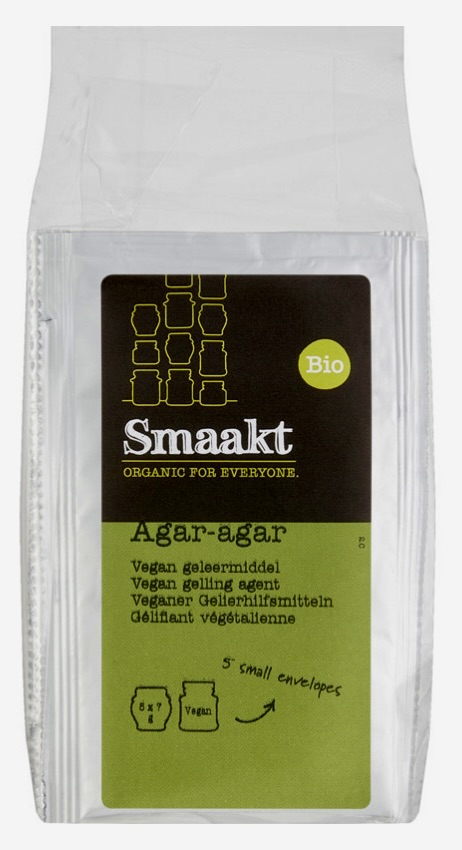
When asked what she is making right now, she mentioned Panna Cotta. At Foglia she makes a gluten-free version with agar. Which was something we wanted to do for a long time. We love Panna Cotta, but using gelatine (made from animals from the meat industry) is far from ideal. Agar is made from the cell walls of red algae. Popular throughout Asia and fortunately also available where we live.
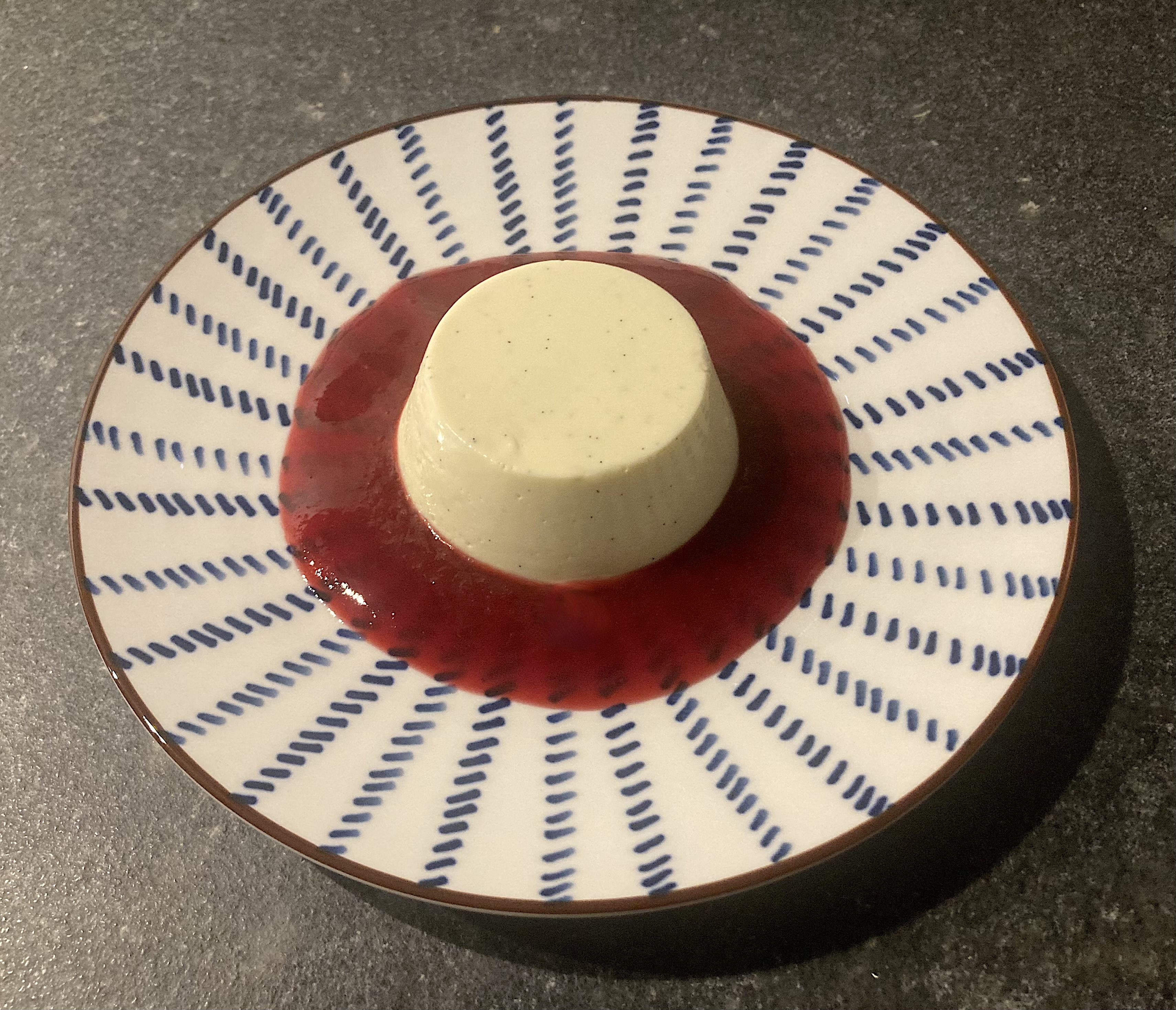
We served our Panna Cotta with a coulis of red berries. Very tasty, but was it a real Panna Cotta? It didn’t seem as creamy as the version with gelatine. The texture was certainly different. The version with gelatine was smoother and firmer; more how we think panna cotta should feel in your mouth. We were happy with the result, but we’re not sure if we will use agar next time we’re preparing Panna Cotta. To be continued!

What You Need (for 4)
  • 500 ml fresh Cream
  • 1,5 grams of Agar (powder)
  • 1 Vanilla Bean
  • 30 grams of Sugar
What You Do

Add the agar, the seeds of the vanilla bean and the sugar to the cream. Mix very well, the agar must to be completely dissolved. Bring to the boil on slow/medium heat. Stir frequently. Keep close to boiling for 1 or 2 minutes. Continue stirring. Transfer to a water bath with cold water. Cool the liquid somewhat before filling the forms. This is where you need to be careful. Gelatine gels at a lower temperature than agar. You need to transfer the mixture when it’s relatively warm.  Use silicone molds; they work very well panna cotta. Let cool and then store in the refrigerator. Don’t forget to seal with cling foil, otherwise your panna cotta will absorb aromas from other food in the refrigerator. 

PS

Cook the red berries in some water for perhaps 5 to 10 minutes. Transfer to a sieve and use the back of a spoon to squeeze out the liquid. Add sugar and lemon juice to taste. Reduce the liquid somewhat. Let cool. You could also start by blending the berries. This makes squeezing out the liquid easier plus you will get a richer taste and some bitterness.

Farfalle with Fennel and Zucchini

It was our last evening in Paris and we wondered what to do? Book a table at a nice local restaurant? Or enjoy drinks and dinner in our lovely apartment? Obviously, we decided to stay in. We looked in our refrigerator, did some shopping and sat down with a nice glass of Pinot Blanc and some shrimps. The plan was to make a rich, creamy pasta dish with fennel, zucchini and pancetta.
Thanks to the mild aniseed flavour of the fennel, the dish has a surprisingly uplifting taste. The (peeled) zucchini also benefits from the aniseed flavour and remains tasty and present.

Wine Pairing

Being in France we opened a bottle of Côtes du Rhône produced by Maison M. Chapoutier. This is a red wine made with Grenache, Mourvèdre and Syrah grapes. The wine has some fruit, a touch of pepper and mild tannins. A traditional French red wine.

If you prefer an Italian wine with the pasta, then we would suggest a glass of Bardolino, for instance the one produced by Monte del Frà. The wine has a beautiful deep red colour, and the aromas made us think of red fruit and perhaps pepper. The wine is medium bodied with some acidity. It will combine very well with both the lightness in the dish and the creaminess.
In general, you’re looking for a fruity red wine with a touch of acidity, for example Chianti Classico, Montepulciano or Barbera.

What You Need

  • 1 small Fennel
  • 1 small Zucchini (Courgette)
  • 1 Shallot
  • 80 grams of organic Pancetta
  • 1 Garlic Clove
  • 1 Bay Leaf
  • Piment Doux
  • Cream
  • Parmesan Cheese
  • Black Pepper
  • Olive Oil
  • Farfalle

What You Do

Finely chop the shallot and the fennel. Add olive oil to a warm skillet and gently fry the shallot and the fennel. Peel the zucchini, slice and quarter. Dice the pancetta. Chop the garlic. Now add the zucchini and the pancetta to the pan. Increase the heat and fry for one or two minutes, just to add colour. Reduce the heat, add the garlic, the bay leaf and the piment doux. Add the farfalle to the boiling water and cook according to the instruction on the package. Leave the pan on low heat for a few minutes. Now add the cream and the Parmesan cheese. Stir and taste. When the farfalle is ready, add it to the pan. Combine and add some cooking liquid to the sauce if needed. Remove the bay leaf, add some fresh black pepper and serve. We decorated the dish with a slice of grilled pancetta.

Farfalle with Fennel and Zucchini ©cadwu

Pasta with Tomato Balls

Recently we reviewed Oh She Glows for Dinner by Angela Liddon as part of the great cookbook review project by Bernadette. Angela Liddons aim is to create tasty, colourful, nutritious, vegan, simple, healthy, easy to make food that you can prepare in just a few minutes. Unfortunately, her book shows that this is nearly impossible. Nevertheless, we liked her idea for a burger with tomato-based patties. We changed the recipe and turned the dish into Pasta with Tomato Balls. It’s certainly a tasty, healthy and colourful dish, but not one you can make in a few minutes.

Wine Pairing

Tomatoes come with acidity, an aspect to keep in mind when choosing your wine. Cooking the tomatoes reduces the acidity and enhances the sweetness and depth of the tomatoes. In this case you could go for a non-oaky white wine (Pinot Grigio, Soave Classico) or for a red wine with soft tannins (Chianti, Sangiovese). A glass of crisp rosé will also be fine, so the choice is yours, as long it’s not an oaky chardonnay or a tannic red wine.

What You Need

  • Tomato Balls
    • 30 grams Brown Lentils
    • Vegetarian Stock
    • Bouquet Garni (Thyme, Parsley, Bay Leaf, Chives)
    • 1 small Red Onion
    • 1 Garlic Clove
    • 40 grams of roasted Cashews
    • 40 grams of roasted Hazelnuts
    • 5 grams (or more) of dried Oregano
    • 25 grams Sun Dried Tomatoes
    • Teaspoon Tomato Paste 
    • Teaspoon Lemon Juice
    • Red Pepper Flakes (to taste)
    • Salt
    • Black Pepper
    • Breadcrumbs
    • Olive Oil
  • Tomato Sauce
  • Orecchiette or Farfalle
  • Parmesan Cheese
  • Basil Leaves

What You Do

Start by washing the lentils. Cook in vegetarian stock with a bouquet garni. Set aside and let cool. Prepare the dried tomatoes: if they are salted, then wash them thoroughly. If they are oil-packed, drain them. Chop the red onion, the garlic clove and the dried tomatoes coarsely. Glaze the onion and the garlic in olive oil. Use a food processor to make a coarse mixture of the cashews, hazelnuts and oregano. Add the chopped tomatoes, the onion, the garlic, the tomato paste, the lentils, the lemon juice and the red pepper flakes (if using). Pulse a few times. Taste and decide if you want to add salt, pepper or lemon juice. Now it’s time to check the consistency. Is it possible to turn the mixture into balls? A bit soggy probably? Add breadcrumbs. Leave the mixture for 15 minutes. Divide the mixture in smaller portions and make balls, using your hands. Bake for a few minutes in a non-stick pan with some olive oil.
In parallel cook the orecchiette or farfalle according to the instruction on the package. Warm a tomato sauce. When all components are ready, add the pasta straight from the pan to the sauce. Add the balls and mix gently.  Finish by adding some freshly grated Parmesan cheese and basil.

Pasta with Tomato Balls ©cadwu

Spaghetti Carbonara with Guanciale

This must be one of the tastiest dishes from the Italian cuisine. Creamy, rich, moist, salty, aromatic, delicious and not difficult to prepare. It’s also not difficult to ruin the dish, that’s why Antonio Carluccio recorded a video showing you exactly how to prepare it and how to make sure your Carbonara is creamy.

About the ingredients: If possible, use guanciale, cured pork cheek. It’s also used for another delicious recipe from the same Italian region: Bucatini all’amatriciana. The pork meat is rubbed with salt, pepper and various herbs and cured for a number of weeks. Guanciale is not smoked and therefore its taste is very different from bacon. Pancetta (made from pork belly) could be an alternative, provided it’s not smoked.

As emphasised by Carluccio, most certainly no cream. And no garlic, basil, parsley, onion or white wine we would like to add.

Wine Pairing

We enjoyed our Spaghetti Carbonara with a glass of Bardolino 2022, produced by Monte del Frà from Italy. The wine has a beautiful deep red colour and the aromas made us think of red fruit and perhaps pepper. The wine is medium bodied with some acidity and fruitiness. In general, you’re looking for a fruity red wine with a touch of acidity, for example Chianti Classico, Montepulciano or Barbera. If you prefer a white wine, then a Pinot Grigio or Soave is a good choice.

What You Need

  • 125 grams of Guanciale
  • Spaghetti
  • Parmesan Cheese
  • 2 organic Eggs
  • Olive Oil
  • Black Pepper

What You Do

Cut of the cured edge of the guanciale. Dice the meat. Heat a pan, add olive oil and reduce the heat to medium. Fry the guanciale. In parallel cook the spaghetti al dente, this will take some 10 minutes. Whisk the eggs, add some freshly grated Parmesan cheese and whisk again. When the pasta is ready, remove the pan from the heat and add the spaghetti straight from the water to the pan. Combine and make sure the spaghetti is nicely coated with the fat and juices from the meat. Now it’s time to create your creamy carbonara! Check if the spaghetti and the pan are not too hot. If so, better wait a minute. Add the egg mixture, combine, keep moving the spaghetti, add some freshly grated black pepper, keep stirring and then serve immediately on a warm plate with some extra Parmesan cheese.

Crostini

You don’t want to spend hours in the kitchen when serving drinks and you want to enjoy a warm appetizer (snack, finger food, quick nibble)? What to do? Of course: serve crostini! You can prepare them in advance and the only thing you need to do is put them under the grill for 3-5 minutes. A nice crunchy appetizer with a rich taste and intense aroma.

We use taleggio, a semi-soft cheese from Italy with a mild taste. It melts easily, so you need to keep an eye on your oven! If you can’t get hold of taleggio, then use mozzarella instead and add a bit more flavour to the mushroom topping.

What You Need

  • For the Mushroom Topping
    • Button Mushrooms and Shiitake
    • Garlic Cloves
    • Olive Oil
    • Thyme and Rosemary
    • Black Pepper
    • (Excellent) Olive Oil
  • For the Crostini
    • Old, stale Bread (Baguette preferred)
    • Garlic (optional)
    • Excellent Olive Oil
  • Taleggio

What You Do

One day before serving the crostini: clean and chop the mushrooms. Finely chop the rosemary, the thyme and the garlic. Fry the mushroom in olive oil in a heavy iron skillet. Reduce heat, add herbs and garlic. Continue on low heat for 10-15 minutes. Transfer the mushroom mix to a plate and let cool. Transfer to a kitchen aid and on low speed add some olive oil. Taste and add some black pepper. You’re looking for a coarsely chopped mixture, one that you can easily distribute over the crostini. Store in the refrigerator.

Also one day before serving the crostini: slice the bread and toast it. Halve a garlic clove, very gently rub the top of the toasted bread with the garlic and then brush with olive oil. An alternative is to preheat your oven to 180 °C or 350 °F, brush both sides with olive oil and bake until golden, 15 to 20 minutes. Perhaps you need to turn the slices over once. Store in a plastic container.

A few hours before serving the crostini: slice the taleggio (with crust!), top the bread with the mushroom mixture and then with a slice of cheese.

Set your oven to grill, transfer the crostini to the top of your oven, wait for a few minutes and serve immediately.

Crostini with Mushrooms and Taleggio ©cadwu

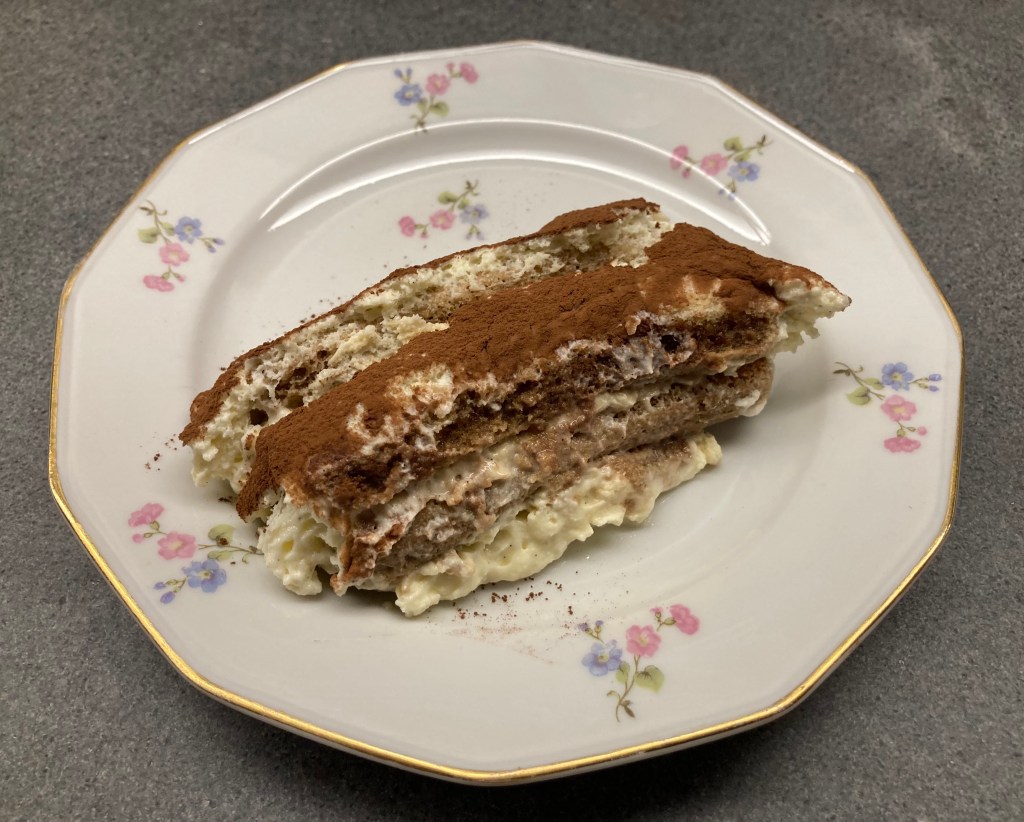
Tiramisù

Such a simple, tasty, fairly easy to make dessert. No oven needed and the result is always a pleasure to serve. We rely on the recipe of an expert, in our case Dutch pastry chef Cees Holtkamp. Renowned for his excellent patisserie and his truly delicious croquettes. If you ever have the opportunity to visit the shop in Amsterdam, please do so.

After his retirement he started working on his book Dutch Pastry (De Banketbakker in Dutch). The recipes are very clearly written and easy to follow. One of the remarkable aspects of this book is that he prepared all pies, cookies, doughs etcetera in his own home kitchen with basic home cook utensils.

If you want to see his amazing technique and his gently style of creating wonderful patisserie, then visit FoodTube and enjoy how chef Cees Holtkamp and his granddaughter Stella Meijles prepare Pavlova, Black Forest Cake, Lemon Meringue Pie, Saint Honoré, Cheese Butterflies, Tiramisù and many more.

Dutch Pastry is available via the usual channels or via the publisher for 20 euro.

Liqueur

Let’s go back to the Tiramisù. It’s all about eggs, mascarpone, sugar, ladyfingers (savoiarde, sponge fingers or boudoirs) coffee and cocoa powder. Most recipes suggest adding a liqueur to the coffee, for instance rum, cognac, amaretto or marsala. Obviously, we want to add an Italian liqueur to our Tiramisù, so perhaps marsala? This is a fortified wine from Sicily, dry or sweet. A good choice but for some reason the idea of an almond based liqueur is tempting, perhaps because of its slight bitterness in combination with the coffee and the cocoa?

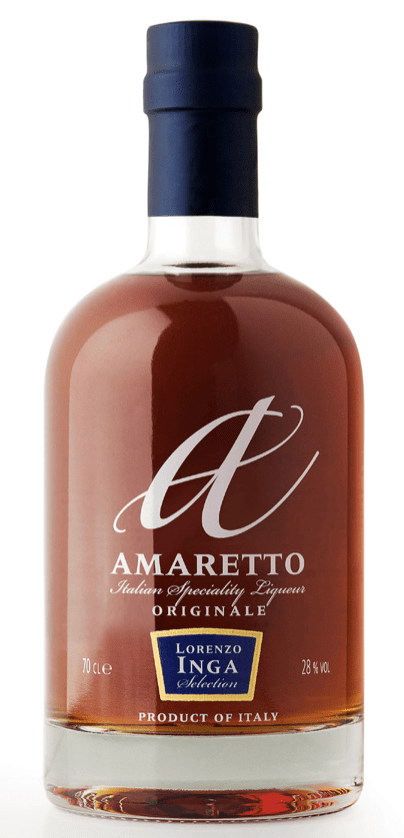
Unfortunately, most amaretto’s taste nasty and artificial. We decided to spend a bit more money and bought a bottle of amaretto produced by Lorenzo Inga. The distillery is located near Gavi, a city known for its amaretti cookies. They produce grappa, bitters and liqueurs such as sambuca and limoncello. Their amaretto is all about almonds. It has a soft structure with a sweet and full mouth feeling. We added it to our Tiramisù and the result was delicious.

Leftovers

The next day we noticed that we had some leftover ladyfingers and also some coffee-amaretto mixture. Why not combine them with whipped double cream and perhaps some vanilla sugar? Would that work? We followed the same approach and stored it in the refrigerator for half a day. We were pleasantly surprised!

  • Tiramisù ©cadwu
  • Amaretto Originale Lorenzo Inga
  • Cees Holtkamp

Château de Bellet

The Riviera is a much-loved coast, with wonderful cities such as Genoa and Nice, and touristic hot spots such as Saint Tropez and Portofino. Blue seas, mild climate, culture (the film festival of Cannes), art (Léger, Picasso, Cocteau, Miró, Niki de Saint Phalle) and everything else you can dream of. Go to the beach, tour the hilly mountains and of course, visit the beautiful gardens and enjoy local food and wine. Taste Taggiasca olives, pesto, socca, tourte de blettes, merda de can, spumante.

The French part of the region is well known for its flavourful rosé wines. Well known wines such as Domaine Ott, wines from Cassis and Bandol, or more affordable wines from the Var region. In general the rosé wines are pale, fresh, fruity and delicate. Ideal for lunch, accompanying Fruits de Mer or pissaladière. Amongst the most popular grapes in the Provence are grenache, cinsault, syrah, mourvèdre and tibouren.

Bellet

Not far from the city of Nice you’ll find a relatively small and isolated wine area, named after the village of Saint Roman de Bellet. We had the pleasure of visiting Château de Bellet, a winery that was founded in the 18th century. We walked around the vineyard and enjoyed the view, from snowy mountains to the Mediterranean. The vineyard close to the tasting room (an old chapel) showcases special grapes such as Rolle (also known as Vermentino), Braquet and Folle Noire. Did we mention all wines are organic?

We especially enjoyed the red wine from Château de Bellet. The wine is dark, ruby red, with aromas of berries and cherries. Elegant, fresh, balanced and with soft tannins.
Some wines from the Provence suggest a flavour called garrigue. The term refers to a shrubby vegetation with plants such as thyme, lavender, rosemary, heather and kermes oak, a vegetation that is very common in the Mediterranean hills and mountains.
Next time you sip a glass of Côtes de Provence, remember to think of garrigue and see if you recognise it!

Food Pairing

We combined our glass of Château de Bellet with lamb chops (thyme, garlic) and fried (waxy) potatoes.

What You Need

  • Lamb Chops
  • Thyme
  • Garlic
  • Olive Oil
  • Potato (we used Agata)
  • Olive Oil
  • Butter
  • Black Pepper

What You Do

Use a fork to pinch small holes in the potato. Transfer to the microwave and set to 4 minutes on full power, depending on the size and shape of the potatoes. Let cool.
Fry the chops for a few minutes in olive oil until beatifully golden-brown. Reduce heat, wrap the chops in aluminium foil and add thyme and roughly chopped garlic to the pan.
In parallel slice the potato lengthwise in 4 and fry the potatoes in olive oil and butter until the potato is crispy and golden. Serve with freshly grounded black pepper.

Green Gnocchi

We love eating Gnocchi, preferably as a starter with some olive oil and Parmesan cheese. Tasty and rich. Perhaps sometimes a bit too rich and too filling, especially the ones you can buy at your local shop or supermarket. Therefore it’s best is to make your own gnocchi, which is not too difficult, just time consuming.

We were pleasantly surprised when we found Green Gnocchi in Nice (France), made with Swiss Chard. The chopped leaves help improve the structure of the Gnocchi and add complexity and freshness to the dish. Yummy!

So all is good? Well, the name is a bit odd, to say the least. This Niçoise speciality is called Merda de Can, which translates into something from a dog – not very pleasant and certainly not something you want to eat. Very odd.

The name shouldn’t stop you from enjoying it. Merda de Can with Sage Butter is truly delicious.

Wine Pairing

We enjoyed our Merda de Can with a glass of Saint Roman Sable de Camargue Rosé. In general you’re looking for a well-balanced, fresh wine. Given the butter and sage sauce you could serve a Chardonnay or perhaps an Italian white wine such as Gavi di Gavi or Soave

What You Need for 8 starters

  • For the Merda de Can 
    • 600 Grams of Starchy Potatoes
    • 300 Grams of Swiss Chard, Spinach or Water Spinach (cleaned and ready to use)
    • Olive Oil
    • Nutmeg
    • 1 Egg
    • All Purpose Flour
  • For the Sauce
    • Butter
    • Sage
  • Parmesan Cheese or (preferred) Vacherin de Fribourgeois)

What You Do

Best is to follow the instructions by a Niçoise chef. 
Or prepare gnocchi as you would normally. Quickly fry the leaves in olive oil, remove from the pan, chop finely and drain. Add to the potato mixture, add the beaten egg, add freshly grated nutmeg and combine. Now start adding flour until you have the right consistency. You’re looking for a flexible, non-sticky dough. Flour your hands and start making short, small, thin, sausage like pasta. (Perhaps this is the moment to think about a small dog. Or perhaps not.) Don’t worry about the shape, it’s okay if they are not very similar. Devein the sage leaves. Warm butter in a pan and add the sage. In parallel heat a generous amount of water. Add the pasta to the boiling water and wait until the pasta surfaces. Remove from the water, add the pasta to the pan with sage butter, coat the pasta and freshly grated Parmesan cheese and serve.

PS

The Merda de Can we enjoyed was bought at a local Niçoise shop and had a more elegant shape.

Green Gnocchi (Merda de Can) ©cadwu

The Quiet Hunt

Antonio Carluccio’s The Complete Mushroom book is more than a cookbook. The first part of the book discusses foraging and collecting mushrooms, with clear descriptions of each mushroom and poisonous look-alikes. It’s a pleasure to read, but we’re not brave enough to start our own quiet hunt.

Fortunately, mushrooms are becoming more popular and greengrocers and supermarkets have started selling chestnut mushrooms, button mushrooms and shiitake. Asian supermarkets in most cases sell (king) oyster mushrooms, shiitake, enoki and shimeji.
Don’t be tempted to buy dried mushrooms: expensive, no aroma, nasty taste and not even close to a fresh mushroom.

Recipes

The second part of the book includes some 150 mushroom recipes, ranging from classic Italian dishes to culinary treats. Carluccio’s recipes are well written and informative. You’ll get the feeling that he lets you in on some of his secrets. And given he started foraging mushrooms as a young child, there are a lot of secrets to share!

One of our favourites is a salad made with maitake, fresh scallops, crab and shrimps. It’s an amazing result, with lots of pleasant flavours, also thanks to the cilantro, dill and parsley. Part of the fun is that the scallops are not seared but prepared like ceviche. Maitake is also available as a cultivated mushroom.

Caponata

More favourites? Of course! How about Mushroom Caponata or Tagliolini with black truffle? The caponata is a combination of mushrooms, egg plant and various herbs, so if you can buy button mushrooms and for instance shiitake, you’re ready to go.

Our all-time favourite from this book is the combination of fresh oysters with white truffle (bianchetti). A starter we prepare once or twice a year, depending on the availability of the truffle. Always a pleasure…

The Mushroom Book – the Quiet Hunt was published in 2001. It’s available (in most cases second hand) via channels such as Amazon and e-Bay for prices between 25 and 50 euro.

One of the very best books on mushrooms, written by a true expert.

PS

Later we found an earlier book by Antonio Carlucci called A Passion for Mushrooms, published in 1989. Very little overlap in recipes. A must-have for mushroom lovers!