Coq au Vin

A classic French dish and one of our favorites. Warm, rich and full of flavors. Obviously the dish is about two ingredients: chicken and wine. Use (organic) chicken, preferably with the bone, so a whole chicken, legs or drumsticks. A classic Coq au Vin is made with Bourgogne (Burgundy), a relatively expensive red wine from France made from Pinot Noir grapes. According to some people the wine you use for the stew must also accompany the dish. Which would mean that some of your beautiful Bourgogne ends up in the stew. Not the best idea! We think that the background of this ‘rule’ is about the quality of the wine you use for the stew: in this case you’re looking for a nice, medium bodied red wine with aromas of dark fruit; one you would be perfectly happy to drink. So not some left over red wine, or a wine you didn’t like. A perfect stew requires quality ingredients, that’s all.
Earlier we thickened the sauce using mushrooms; in this version we use Beurre Manié, the combination of butter and flour, which gives the sauce a rich, velvety feel.

Wine Pairing

We decided to open a bottle of Merlot, produced by Le Fat Bastard. An easy to drink red wine with the right aromas and a hint of wood. Worked beautifully with the richness of the sauce, the depth of the mushrooms and obviously the chicken!

What You Need

  • 4 Drumsticks
  • Slice of Pancetta or Bacon
  • 10 Pearl Onions
  • 100 grams Button Mushrooms
  • 2 Garlic Gloves
  • 1 Carrot
  • Chicken Stock
  • Red Wine
  • Bouquet Garni (Bay Leaf, Parsley, Thyme, Rosemary)
  • Black Pepper
  • Olive Oil
  • Soft Butter
  • Flour

What You Do

Cube the strip of pancetta or bacon in, peel the onions, slice and quarter the carrot, peel and finely chop the garlic. Add olive oil to a warm heavy pan. Begin by frying the pancetta or bacon until crispy. Remove from the pan and let drain on kitchen paper. Add (whole) pearl onions and carrot to the pan and fry until golden. Remove from the pan and let drain on kitchen paper. Add chicken to the pan and fry until golden. When golden add the garlic and fry for 3 minutes on medium heat. Add pancetta, carrot and onions back to the pan. Add chicken stock and red wine. The chicken should be nearly covered. Add bouquet garni and leave to simmer on low heat for 45-60 minutes, depending on the size of the chicken.
Clean the mushrooms with kitchen paper and fry them gently in a skillet. Remove chicken and bouquet garni from the pan. Transfer the chicken to an oven at 60 °C or 140 °F. Discard the bouquet. Reduce the liquid. Use a fork to combine 20 grams of butter with 20 grams of flour (or more of both, depending on the amount of liquid). Add the Beurre Manié to the liquid, stir and allow to simmer and thicken for some 15 minutes. Return the chicken to the sauce, add the fried mushrooms, black pepper and allow to integrate for 5 minutes. Serve with a fresh green salad (a vinaigrette of olive oil, white wine vinegar and Dijon mustard will be great) and crusted bread.

Coq Au Vin ©cadwu
Coq Au Vin ©cadwu

Classic Dutch Apple Pie

Let’s enjoy some real Dutch comfort food, let’s make a classic Dutch Apple Pie, one that is rich and full of flavours. Could be eaten warm, could be served with whipped cream, as long as you use lots of apples, just the right amount of cinnamon and don’t forget to add some lemon zest to the dough.

Apple-wise you’re looking for a tart apple, one that will keep its structure when cooked. If the apple is very high in acid content (for instance the Belle de Boskoop, another Dutch classic, also known as Goudrenet) then you risk having compote in your pie. We prefer using Jonagold. Widely available, tasty, just the right firmness and not expensive.

Making a classic Dutch apple pie is a bit of work, especially when everything is homemade: the dough (shortcrust), the almond paste and the pie itself. Just keep thinking of the delicious result!

What You Need (Dough)

  • 50 grams of White Caster Sugar
  • 100 grams of soft Unsalted Butter
  • ½ Egg (beaten)
  • ½ teaspoon of Lemon Zest
  • 1 gram of Salt
  • 3 grams of Baking Powder
  • 150 grams of All Purpose Flour

What You Do

Adding an egg to the dough makes its flavour richer and the dough will be easier to handle when lining the baking tin. The lemon in the crust will work very well in combination with the cinnamon and the sweetness of the filling. Start by combining the sugar and the butter. Use a hand mixer with kneading hooks. When mixed, add halve of the beaten egg, then add the lemon zest. Combine salt, baking powder and flour. Pass through a sieve and add to the mixture. Use the kneading hooks to mix. When done, remove from the bowl and wrap in foil. Store in the refrigerator for at least two hours. The dough freezes well, so it’s a great idea to make a bit extra.

What You Need (Almond Paste)

  • 250 grams of Almond Flour
  • 225 grams of Sugar
  • 1 beaten Egg
  • (optional) Lemon Zest

What You Do

You could also use 250 grams of White Almonds. Grind these and continue as if Almond Flour.
Combine the flour and the sugar. Add the beaten egg and lemon zest. Mix until you have a paste. Keeps well in the refrigerator for a week and in the freezer for months.

What You Need (Classic Dutch Apple Pie)

  • 300 grams of Shortcrust Dough
  • 60 grams of Almond Paste
  • 700 grams of Jonagold
  • 30 grams of Sugar
  • Cinnamon
  • 30 grams of Raisins
  • 30 grams of Currents
  • Butter
  • 1 beaten Egg

What You Do

Start by soaking the raisins and currents for 10 minutes in hot water. Drain and squeeze gently. This way the raisins will be tasty and moist. Preheat your oven to 200 °C or 390 °F. Peel the apples, remove the core and chop coarsely. Combine with the raisins, currents, sugar and cinnamon. Roll out the dough, it should be 4-5 mm (0,15-0,20 inch). Coat your pie tin with butter (we used a 15 cm, 6 inch tin). Line the tin with the dough. Don’t worry if the dough breaks; it’s easy to repair. Remove the excess dough. Roll out the almond paste and cover the bottom of the pie with it. Now add the apple mixture, make sure it’s a bit compact. Make strips from the remaining dough and use them to make a criss cross pattern (lattice) on top of the pie.

Transfer to the oven for in total 40-50 minutes. After 20 minutes reduce the heat to 160 °C or 320 °F and brush the strips with beaten egg. Allow to cool and then remove from the tin.

Beef Stew with Djeroek Poeroet

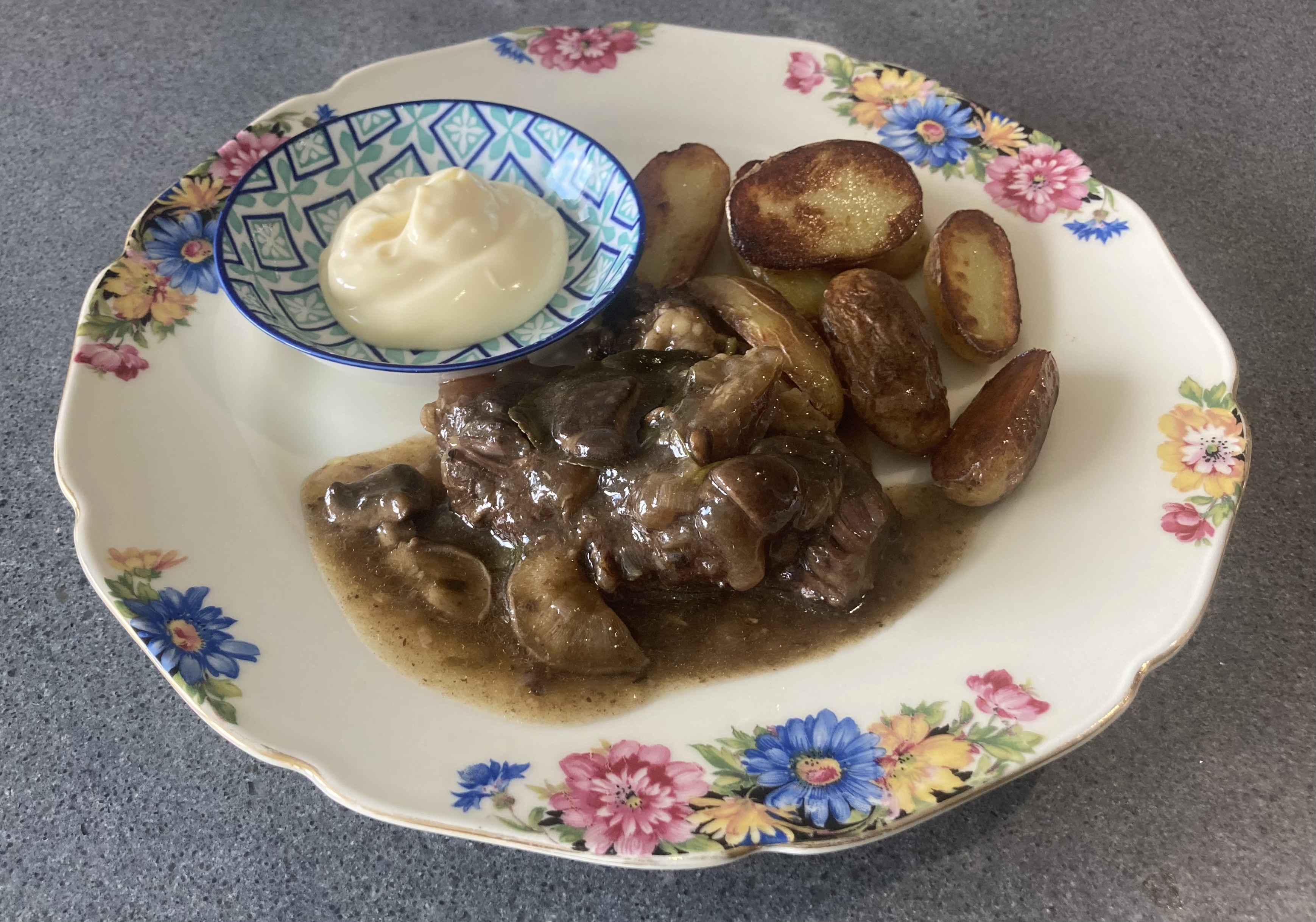
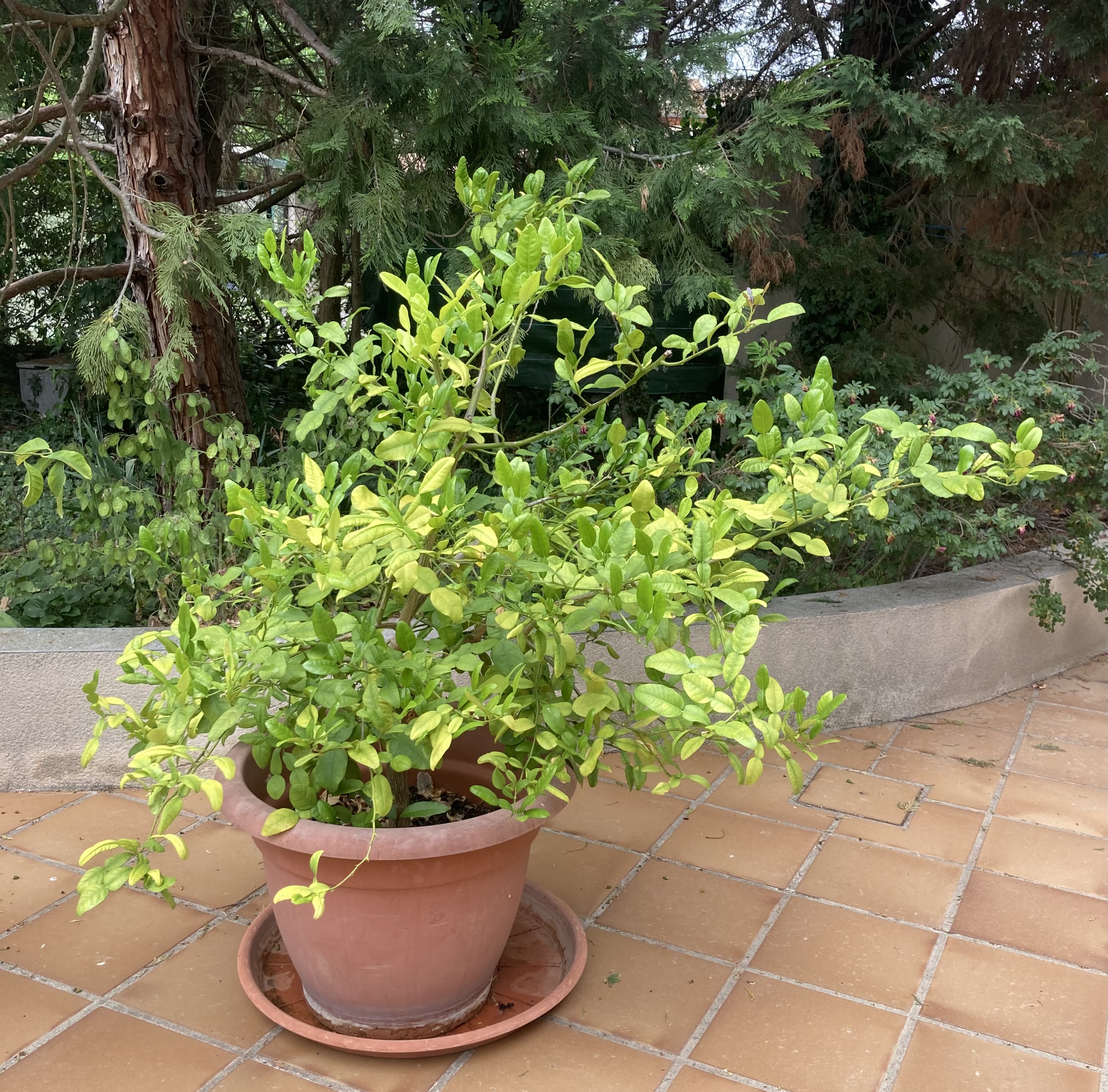
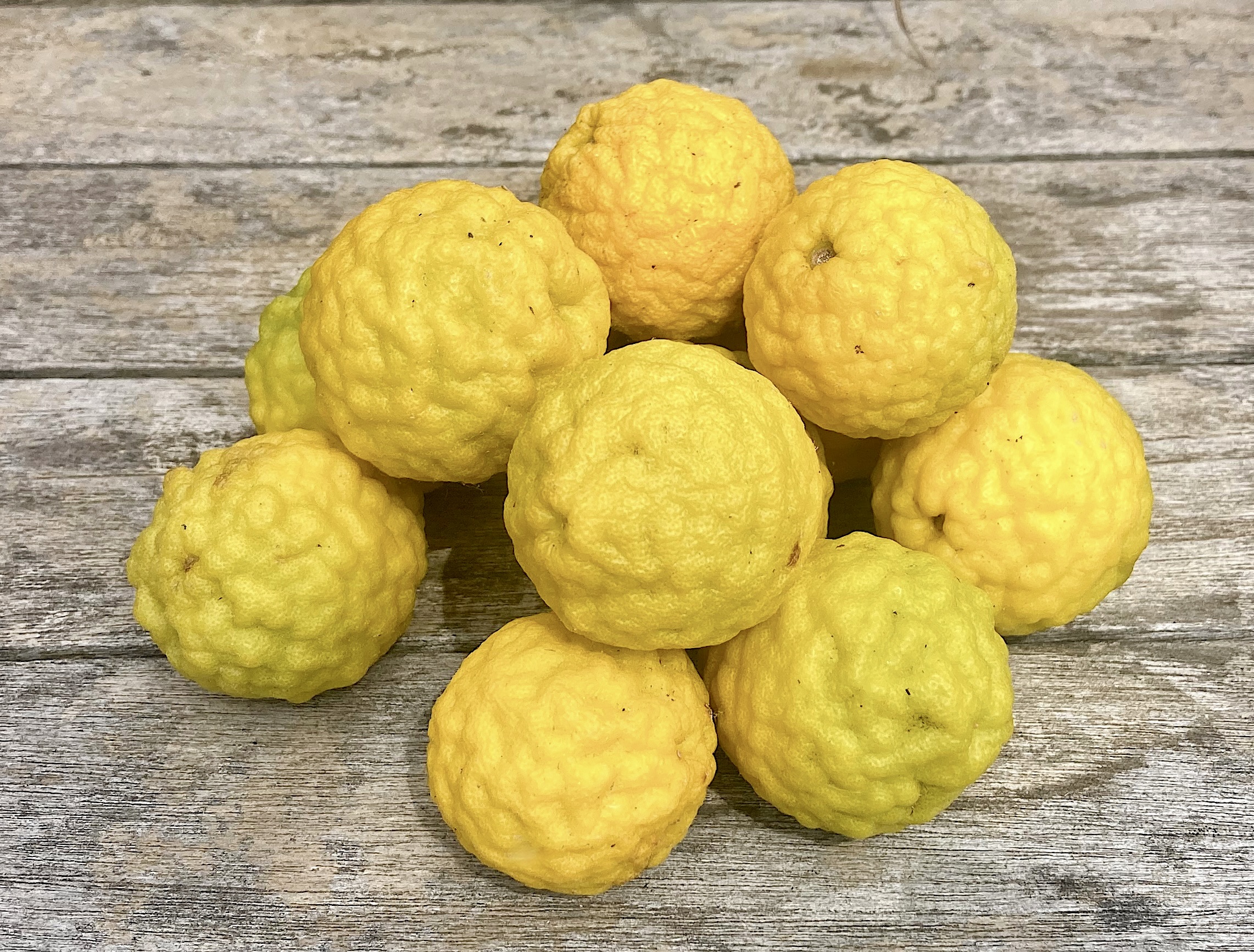
A few weeks ago we were looking for a nice restaurant, one where we could enjoy a quick, tasty meal and a nice beer. We looked at the menu of De Volkslust and decided this was exactly what we’re looking for. The restaurant originates from Antwerp, Belgium. Some 15 minutes later they brought us a Flemish Beef Stew, served with fried potatoes. It looked and smelled great. And it tasted, eh, slightly different? Of course! Chef used Djeroek Poeroet! Interesting, you would expect bay leaf in a Flemish Stew, but this was definitely djeroek poeroet (or jeruk purut, the leaves of the Makrut or Thai Lime). Great idea. Aromatic, refreshing, light. A few days later we made our version of it.
And typical for a good stew: make it a day in advance.

Wine Pairing

The obvious choice is a nice, cold beer. Perhaps the one you used for the stew? We used Affligem Blond, an award winning Belgian Blond beer with pleasant bitterness and fruitiness.
If you go for a glass of red wine, make sure it is full-bodied and rich; a wine with dark fruit and a touch of oak.

What You Need (for 4 persons)

  • 1 kilo of excellent, fat, marbled Beef
  • 2 Shallots
  • 250 grams of Button Mushrooms (Champignon de Paris)
  • Olive Oil
  • 2 bottles (33 cl) of Blond Belgian Beer
  • Bouquet Garni (Thyme, Parsley, Chives)
  • 6 leaves of Djeroek Poeroet (frozen preferred)
  • Black Pepper

What You Do

Slice the meat by following its structure. We prefer bigger parts, so not cubes. They will take longer to cook, but the meat benefits from this approach. Clean the mushrooms and slice the bigger ones in half. Coarsely shop the onion. Heat olive oil in a large pan and fry the meat. You probably will have to do this in 2 or 3 batches. Make sure the meat is nicely colored. Remove the meat from the pan and fry the mushrooms. Remove them when nicely golden, add some more olive oil and caramelize the sliced onions. When ready, add the mushrooms, the beef, the beer, the Bouquet Garni and 6 leaves of djeroek poeroet. Heat through and through. Close the pan and keep on a low heat for 5 to 6 hours. Stir every hour. Check the taste during the cooking process, perhaps you want to remove the djeroek poeroet (or add more!).
When you’re happy withe the cuisson, remove the meat from the pan, discard the bouquet Garni and reduce the sauce. Transfer the meat back into the pan, reheat, then cool and transfer to the refrigerator until the next day.
Serve with unpeeled potatoes fried in olive oil and (homemade) mayonaise.

Spaghetti Carbonara with Guanciale

This must be one of the tastiest dishes from the Italian cuisine. Creamy, rich, moist, salty, aromatic, delicious and not difficult to prepare. It’s also not difficult to ruin the dish, that’s why Antonio Carluccio recorded a video showing you exactly how to prepare it and how to make sure your Carbonara is creamy.

About the ingredients: If possible, use guanciale, cured pork cheek. It’s also used for another delicious recipe from the same Italian region: Bucatini all’amatriciana. The pork meat is rubbed with salt, pepper and various herbs and cured for a number of weeks. Guanciale is not smoked and therefore its taste is very different from bacon. Pancetta (made from pork belly) could be an alternative, provided it’s not smoked.

As emphasised by Carluccio, most certainly no cream. And no garlic, basil, parsley, onion or white wine we would like to add.

Wine Pairing

We enjoyed our Spaghetti Carbonara with a glass of Bardolino 2022, produced by Monte del Frà from Italy. The wine has a beautiful deep red colour and the aromas made us think of red fruit and perhaps pepper. The wine is medium bodied with some acidity and fruitiness. In general, you’re looking for a fruity red wine with a touch of acidity, for example Chianti Classico, Montepulciano or Barbera. If you prefer a white wine, then a Pinot Grigio or Soave is a good choice.

What You Need

  • 125 grams of Guanciale
  • Spaghetti
  • Parmesan Cheese
  • 2 organic Eggs
  • Olive Oil
  • Black Pepper

What You Do

Cut of the cured edge of the guanciale. Dice the meat. Heat a pan, add olive oil and reduce the heat to medium. Fry the guanciale. In parallel cook the spaghetti al dente, this will take some 10 minutes. Whisk the eggs, add some freshly grated Parmesan cheese and whisk again. When the pasta is ready, remove the pan from the heat and add the spaghetti straight from the water to the pan. Combine and make sure the spaghetti is nicely coated with the fat and juices from the meat. Now it’s time to create your creamy carbonara! Check if the spaghetti and the pan are not too hot. If so, better wait a minute. Add the egg mixture, combine, keep moving the spaghetti, add some freshly grated black pepper, keep stirring and then serve immediately on a warm plate with some extra Parmesan cheese.

Mousse au Chocolat

Crème Brulée, Ile Flottante, Crêpes Suzette and Mousse au Chocolat: four classic French desserts. It’s tempting to buy them ready-made, especially Mousse au Chocolat is popular in supermarkets, but why not make your own?

From 1992 until 2002 Belgian cook Herwig van Hove and host Dré Steemans (better known as Felice Damiano) had a weekly program on television called ‘1000 seconds’. In these 1000 seconds (just under 17 minutes) Herwig van Hove would prepare a three-course meal. Sometimes he took a short cut by serving cheese as dessert, but very often he would prepare three courses. His recipe for Mousse au Chocolat is quick and easy. The result is a delicious Mousse au Chocolat, one that will keep well for at least 24 hours.

What You Need (for 4)

  • 2 fresh organic Eggs
  • 35 grams of fine Sugar
  • 100 grams of Dark (Cooking) Chocolate
  • 165 grams of Cream
  • Raspberry (to decorate, optional)

What You Do

  1. You will need 2 bowls plus one larger bowl
  2. Start by separating the eggs
  3. In a smaller bowl beat the egg white until firm
  4. In the larger bowl beat the egg yolks and the sugar until ‘ruban’ (meaning thick and pale)
  5. In a smaller bowl whip the cream until firm
  6. This order allows you to use one wire whisk for all three steps in the process!
  7. Melt the chocolate with 65 grams of cream in your microwave on very low power. No rush, the result should be lukewarm. This will take 3 minutes or longer
  8. Use a spoon to mix the cream and chocolate until smooth
  9. For the next steps you need a spatula
  10. Add the chocolate mixture to the egg yolks and combine
  11. Now fold in the cream using a spatula and then fold in the egg whites. Don’t stir or mix, just fold
  12. Fill four nice glasses with the mousse, cover with cling foil and transfer to the refrigerator
  13. Just before serving decorate with raspberries and perhaps some freshly whipped cream.
  • Mousse au Chocolat ©cadwu
  • Mousse au Chocolat not decorated ©cadwu

Classic Cèpes

What better way to start the mushroom season than serving Classic Cèpes? The recipe is very simple and the result is about cèpes and cèpes alone. The stems a bit firm, the caps moist, the flavours intense and the taste rich and earthy, with a touch of freshness from the parsley. It’s a classic in Germany (Steinpilze auf klassische Art), France (similar to Cèpes a la Bordelaise), Italy and many other countries. 

Wine Pairing

If you want to enjoy the cèpes with a glass of white wine, then we suggest drinking one that is fresh, fruity, round and balanced, for instance of a glass of Bodegas Mocén Selección Especial made from verdejo grapes. A glass of rosé with similar flavours is also a good idea. The idea is to support the cèpes by adding fruitiness and freshness to the dish.

When you decide to drink a glass of red wine, then we suggest a full-bodied red wine with gently fruit and present tannins. 

What You Need

  • 200 gram Cèpes
  • Butter
  • One small Shallot
  • Parsley
  • Black Pepper

What You Do

Clean the mushrooms and slice lengthwise. Finely chop the shallot and the parsley. Add butter to a relatively hot heavy iron skillet. Reduce the heat and fry the cèpes for a few minutes. Add the shallot. Cook on medium heat for 2 minutes. Add chopped parsley, add more butter, black pepper and stir. Serve on a warm plate.

Coq au Vin

One of our favourites for a grey, wintery evening. Warm, rich and full of flavours.
Let’s first talk about the chicken: we prefer using chicken thighs, organic, obviously. Great texture, layered and a bit of fat. You could also use chicken legs, but then we suggest removing the main bone; you don’t want to struggle while eating.

The second main ingredient is the red wine. A classic Coq au Vin is made with Bourgogne, a relatively expensive red wine from France made from Pinot Noir grapes. According to some people the wine you use for the stew must be the same that accompanies the dish. Which would mean that part of your beautiful Bourgogne ends up in the stew. Hm. We think that the background of this ‘rule’ is about the quality of the wine you use for the stew: it must be a nice, dry, red wine; one you would be perfectly happy to drink. So not some left over red wine, or a wine you didn’t like. A perfect stew requires quality ingredients, that’s all.

The third main ingredient is the pearl onion, that lovely small, silver onion. Great to pickle, but for a Coq au Vin you need fresh ones.

Wine Pairing

We enjoyed our Coq au Vin with a glass of Révélation Pays d’Oc Syrah-Viognier produced by Badet Clément. It’s a full-bodied wine with flavours of blackberry and spices. Touch of oak as well. The 15% Viognier gives the wine a nice, light touch. Great wine for a very reasonable price.

What You Need

  • 2 Chicken Thighs
  • 4 strips of Pancetta or Bacon
  • 14 Pearl Onions
  • 100 grams Mushrooms
  • 2 Garlic Gloves
  • Chicken Stock
  • Red Wine
  • Water
  • Bouquet Garni (Bay Leaf, Parsley, Thyme, Rosemary)
  • Black Pepper
  • Chopped Parsley
  • Olive Oil
  • Snow Peas (Mangetout)
  • Nutmeg

What You Do

Clean and quarter the mushroom, slice the strips of pancetta or bacon in four, peel the onions, slice the thighs in two or three, peel the garlic and chop. Add olive oil to a warm heavy pan. Begin by frying the pancetta or bacon until crispy. Remove from the pan and let drain on kitchen paper. Add (whole) pearl onions to the pan and fry until golden. Remove from the pan and let drain on kitchen paper. Add mushrooms to the pan and fry until golden. Remove from the pan and let drain on kitchen paper. Add chicken thighs to the pan and fry until golden. When golden add the garlic and fry for 3 minutes on medium heat. Add pancetta, mushrooms and onions to the pan. Add chicken stock, red wine and perhaps some water. The chicken should be nearly covered. Add bouquet garni and leave to simmer on low heat for 30-45 minutes, depending on the size of the chicken. 

Remove chicken, mushroom, pancetta, garlic and bouquet garni from the pan. Discard the bouquet. Return one or two mushroom to the liquid. Transfer the remaining ingredients to an oven at 60 °C or 140 °F. Blender the liquid for one minute. Reduce the liquid until it has reached the right consistency. The fun is that a liquid thickened with blended mushrooms doesn’t split. Return the ingredients to the sauce and boil the snow peas. Combine the coq au vin with the parsley, add some black pepper. Steam or quickly cook the peas, coat with excellent olive oil and add some freshly grated nutmeg.

Coq Au Vin ©cadwu
Coq Au Vin ©cadwu

Lentils with Confit of Duck

A Nice Lunch

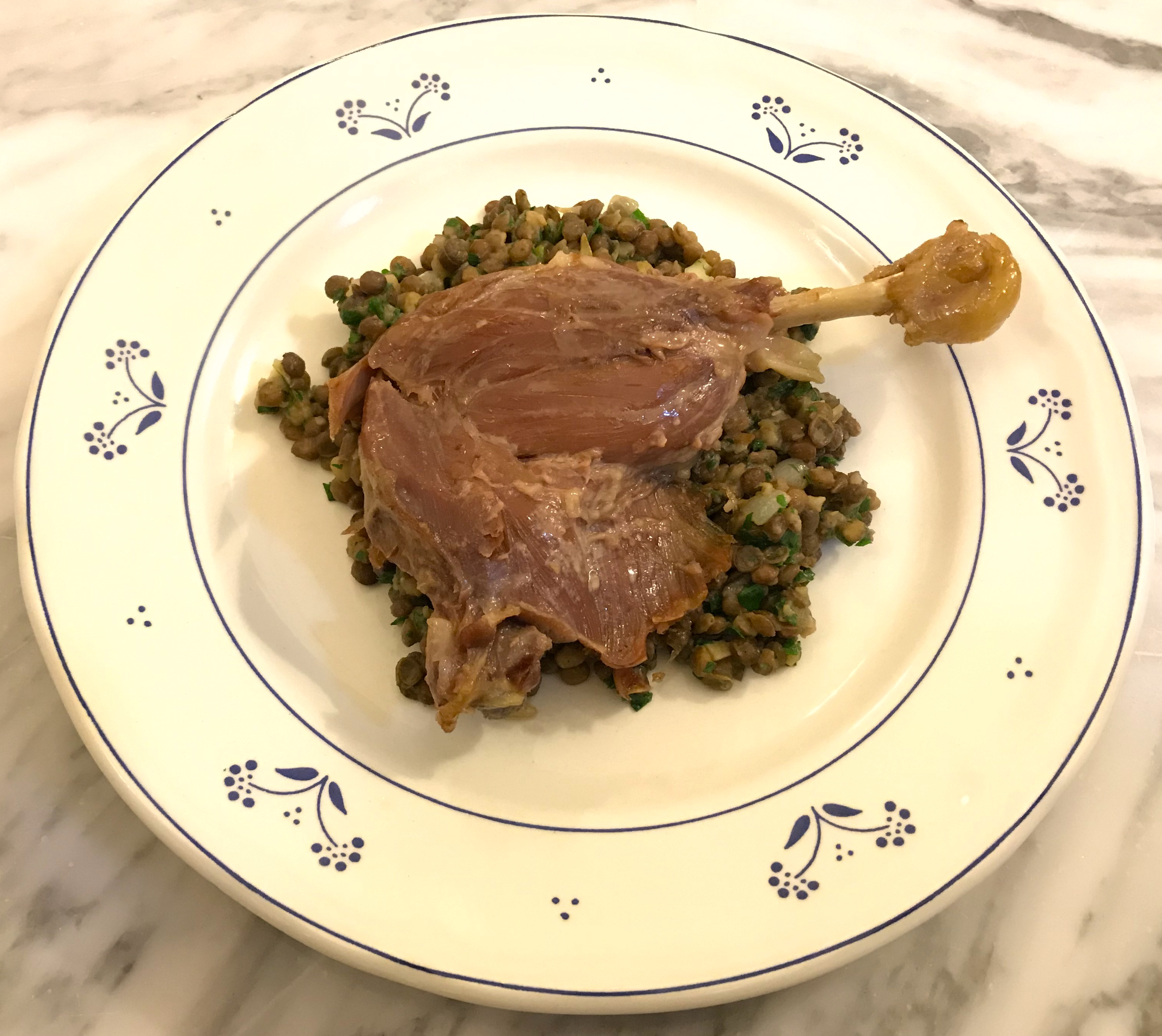
Think France, think a small restaurant in a small street, nice and simple, no Michelin star in sight. It’s 12.30, time for a quick lunch. You enter the restaurant, take a seat and order today’s dish, the plat du jour. It turns out to be a generous helping of lentils with confit de cuisse de canard and parsley. After having enjoyed your lunch, you think about the joy of good food and the beauty of lentils. Lentille Verte du Puy, such a treat! The combination of the confit, the lentils and the parsley with the sweetness of the shallot and the garlic is elegant, moist and full of flavours.

Feel free to buy ready-made confit. You could of course make it yourself but it is fairly time consuming and not something you would do for two confits only. In our experience most of the confits you can buy (tinned or vacuumed) will be fine. If you’re lucky your local butcher will make his or her own confits. We have included an alternative recipe below.

Wine Pairing

We suggest a glass of not too complex red wine; a well-balanced wine with notes of red fruit, gentle tannins and not too oaky. We enjoyed a glass of Bordeaux-Supérieur, Château Picon.

What You Need

  • 3 Shallots
  • 1 Garlic Glove
  • Coriander Seed
  • Lentils (Lentille Verte du Puy O.P & A.O.C. from Sabarot)
  • Chicken Stock
  • 2 Confits de Canard
  • Olive Oil
  • Parsley
  • Black Pepper
  • Optional: Green Salad

What You Do

Finely chop one shallot and glaze gently in olive oil. In the mean time check the lentils for small pebbles; wash them. Once the shallot is glazed add the crushed coriander seed and the lentils. Heat and stir for one minutes, as you would do with risotto rice. Add some chicken stock and water (the stock is only intended to give the lentils a small push) and leave to simmer on low heat. When the lentils are nearly done, finely chop the other two shallots and glaze gently in olive oil and in the fat that comes with the confit. In parallel warm the two confits. After a few minutes add the finely chopped garlic to the shallot. Chop the parsley. When the garlic and shallot are nicely soft and sweet, add the parsley, some black pepper and then mix with the lentils. Remove the skin from the confit and serve the duck on top of the lentils. Perhaps serve with a simple green salad.

Alternative Way of Making Confit of Duck

Start by crushing a nice amount of juniper berries. Take a sheet of strong aluminium foil, add some crushed berries, a bay leaf and put one duck leg (skin side up) on top. Drizzle with plenty of olive oil. Add the remainder of the berries and a second bay leaf. Wrap the meat in foil, making sure it is tightly closed and the foil intact. If not sure wrap with a second piece of foil. Transfer to a warm oven (90° Celsius or 200° Fahrenheit) for at least 8 hours.

Lentils with Confit of Duck © cadwu

Tournedos Rossini

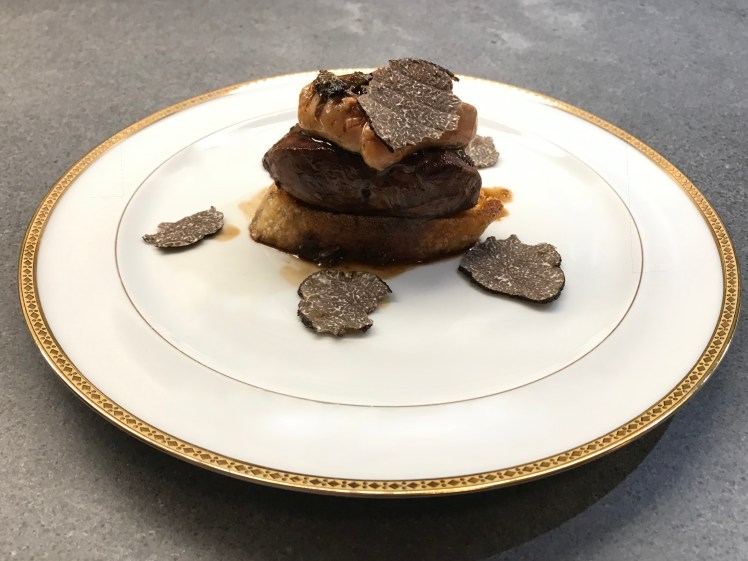
Gioachino Rossini (1792 – 1868) was a gifted, talented and great composer. Not only did he compose some 40 operas, many songs and the beautiful Petite Messe Solennelle, he was also an expert with regard to food. Perhaps expert is not the right word: he was a gourmand, an excessive eater and drinker plus a culinary inspiration. Chefs would name dishes after him, such as Filets de Sole Rossini (poached Dover sole wrapped around goose liver and truffle served with a white wine sauce), Cocktail Rossini (strawberries and prosecco), Macaroni Soup alla Rossini (a soup with partridge quenelles and Parmesan cheese) and many others.

The soup was created by Marie-Antoine Carême, a very dear and close friend of Rossini. He was Roi des Cuisiniers et Cuisinier des Rois having been chef to Napoleon, the Prince of Wales (the later King George IV), Tsar Alexander 1st and Baron de Rothschild. He created the concept of the four mother sauces (Allemande, Béchamel, Espagnole, Velouté) and was an essential inspiration for Auguste Escoffier. Marie-Antoine Carême is one of the most influential chefs ever, a brilliant  patissier and author of several books on cookery, including L’Art de la Cuisine Française.

Very likely it was Escoffier who came up with the word tournedos, but the combination of bread, meat, goose liver, truffle and Madeira was a creation by Marie-Antoine Carême, inspired by and prepared for his friend Gioachino Rossini.

Tournedos Rossini is a culinary pleasure. It’s elegant, full of flavours and exquisite. It’s simply gorgeous.

Wine Pairing

A classic red Bordeaux will be a perfect match. Dry, full-bodied and fruity. We enjoyed a glass of Château Gaillard Saint-Émilion Grand Cru 2015. This is a dry, cherry-red coloured wine. It features medium woody, fruity and vegetal scents and offers a broad texture as well as medium tannins.

What You Need
  • 2 Tournedos (Fillet Steaks)
  • Butter
  • Madeira
  • Fresh Goose Liver
  • Winter Truffle
  • Stock (Chicken or Veal)
  • 2 Slices of Old Bread
What You Do

Originally you would need demi-glace sauce, but we take a short cut. Make sure you have everything ready. The oven should be at 70° Celsius (160° Fahrenheit), one heavy iron pan and one non-sticky pan both warm, nearly hot, through and through. Make sure the meat is at room temperature. We prefer a small steak (75 gram). Start by frying the two slices of bread in butter until golden. Transfer the bread to the oven. Clean the pan with kitchen paper and add butter. Quickly fry the meat, it must be saignant (no options here). Wrap in foil and set aside. Reduce heat. Add stock to the pan and deglaze. Add Madeira. Thinly slice the fresh winter truffle (no options here). Add the smaller slices and crumbles to the sauce. Put the beef on top of the bread. Keep warm. Fry the goose liver for just a few seconds in the hot non sticky pan until golden/brown. Now plate up: the bread with the beef and the goose liver on top. Pour over the sauce, add the bigger slices of truffle and serve immediately.

Tournedos Rossini ©cadwu


The Art of Sauces: Kimizu with Tarragon

Béarnaise

After having prepared Kimizu with White Asparagus, we continued our experiment by making Kimizu with tarragon, indeed, Béarnaise based on Kimizu. Great result! The taste was wonderful with the tarragon clearly present in combination with a touch of sweetness (shallot) and acidity (rice vinegar). The sauce is elegant on the stomach compared to Béarnaise, which can be rather filling (as a result of the butter) in combination with red meat.

Wine Pairing

Obviously we want to drink a glass of red wine with our steak and Béarnaise. In general the fattier or more marbled the meat is, the more robust the wine needs to be. A Côte du Rhône, Syrah or blend of Grenache, Syrah and Mourvèdre is perfect with a rib eye. A Bordeaux with clear tannins would also be a good choice. With a leaner fillet we would serve a Pinot Noir or a Gamay (Beaujolais).

What You Need

  • Two Egg Yolks
  • 4 Tablespoons of Castrique
    • 3 Tablespoons of Rice Vinegar
    • 3 Tablespoons of White Wine
    • 2 Tablespoons of Fresh Tarragon
    • 1 Shallot
    • 2 coarsely crushed Peppercorns
  • Chopped Fresh Tarragon
  • Optional: Shopped Fresh Parsley and/or Chervil
  • Rib Eye
  • Olive oil

What You Do

Start by making the castrique. Basically this is a tarragon and shallot flavoured liquid with some acidity that replaces the water in the Kimizu. Same difference between Hollandaise and Béarnaise. Thinly chop the shallot. Combine the vinegar, shallot, white wine, peppercorns and tarragon in a small pan and slowly reduce the liquid until you have four tablespoons of castrique. Check the acidity. If needed add an extra table spoon of rice vinegar or an extra tablespoon of water and reduce again. Pass through a sieve, let cool and set aside.

Whisk the two egg yolks, add the castrique and whisk some more. Now transfer to the microwave and give it let’s say 10 seconds of 30%. Remove from oven and whisk well. Repeat. You will now feel the consistency changing. If not, don’t worry, just repeat the step. After 2 or 3 steps of 10 seconds, move to steps of 5 seconds on 30% power. Whisk, whisk again and feel free to find your own way. When the sauce is ready take it out of the microwave, continue whisking gently and (optional) cool slightly in a water bath.

In parallel add olive oil to a hot iron skillet and quickly sear the rib eye. Once it has a nice colour and is saignant transfer it to some aluminium foil and let rest for 10 minutes. Don’t wrap the meat in the foil, because then the cooking will continue and the meat will be medium.
If you however prefer the meat to be medium, then reduce the heat after having seared the meat, add some butter to the pan and turn the meat for a few minutes.

Add chopped tarragon (and chervil and parsley) to the sauce, stir and serve with the steak, rib eye or fillet.

Rib Eye with Kimizu and Tarragon def