Tartelette with Pear

Always a pleasure to serve a tartelette, with lemon, with blackberries, with raspberries or in this case with pear. The challenge is to capture the delicate flavour of the pears.
Making the filling is simple and quick. Making the pastry requires much more time. Feel free to use ready-made pastry!

What You Need
  • Filling
    • Pears
    • Butter
    • Lemon Juice
  • Pâte Sucrée
    • 50 grams of Unsalted Butter
    • 40 grams of Caster Sugar
    • 125 grams of All Purpose Flour
    • 1 gram of Salt
    • 1 organic egg
    • Water (optional)
What You Do (Filling)
  1. Peel and core the pears
  2. Chop coarsely
  3. Melt the butter
  4. Add some water
  5. Slowly cook the pears until soft
  6. Taste and perhaps add a drop of lemon juice
  7. Pass gently through a sieve, without applying pressure. You want as much liquid as possible without damaging the texture of the pears
  8. Set the pears aside and allow to cool.
  9. Reduce the liquid until it becomes thick
What You Do (Pastry Case)
  1. Combine sugar, flour and salt
  2. Dice butter, add to the mixture and combine. Use a hand mixer with kneading hooks
  3. Beat the egg and add
  4. Use your hands to make the dough. It should not be sticky, so it must be easy to make a ball. If too dry, add just a bit of water. If too wet, add some flour
  5. When done, remove from the bowl and wrap in kitchen foil. Store in the refrigerator for at least two hours. It can be stored for a few days.
  6. Flour your work surface and roll out the pastry to a circle a larger than the top of the tartelette forms. The dough should be approximately 2 or 3 mm thick
  7. Coat the forms with butter
  8. Line the forms with the pastry. Press the pastry well into the sides and bottom. Use a knife to remove the excess dough
  9. Cover and let rest for 30 minutes in the refrigerator
  10. Preheat the oven to 190 °C or 375 °F
  11. Use a fork to prick small holes in the pastry
  12. Line the forms with greaseproof paper or aluminium foil, add baking beans and bake blind for 10 minutes
  13. Remove the paper and the baking beans
  14. Reduce the oven temperature to 160 °C or 320 °F
  15. Transfer back to the oven for 5 minutes or until golden
  16. Transfer to a wire rack and let cool
Assembling the Tartelette
  1. When the pastry cases are completely cool, add the pears
  2. Use a spoon to drizzle the pear-syrop on top of the pears
  3. Serve immediately
Simple Pear Tartelette ©cadwu

Tartelette au Citron

Earlier we wrote about Tarte au Citron, or Lemon Pie. This is a recipe for a Tartelette au Citron, a small but very different pie. The filling is lemon curd, which you add to the pastry case just before serving. You can easily make both components a day ahead. The crunchy, slightly sweet pastry case and the soft, rich, tart filling go together very well. You could decorate the tartelette with meringue or chocolate sprinkles, but we prefer them as they are. Great with a strong cup of coffee.

What You Need
  • Pâte Sucrée
    • 50 grams of Unsalted Butter
    • 40 grams of Caster Sugar
    • 125 grams of All Purpose Flour
    • 1 gram of Salt
    • 1 Organic Egg
    • Water (optional)
  • Curd
    • 65 ml of Lemon Juice
    • 65 grams of Unsalted Butter
    • 80 grams of Fine Sugar
    • One Organic Egg
What You Do (Curd)
  1. Beat the egg
  2. Melt the butter
  3. Combine all ingredients.
  4. Cook Au Bain Marie until you have the right consistency.
  5. Or transfer to your microwave, put it on 50% or 70% power (depending on your microwave) and heat with intervals of 20-30 seconds. Mix between the intervals. This is a very precise way of heating the mixture and it gives you full control over the process. Towards the end of the process, you may want to reduce the power or shorten the intervals. The percentage and the duration of the intervals depend on your microwave and the bowl you use.
  6. Set aside and allow to cool.
  7. Transfer the curd to the refrigerator. It will keep for a few days.
What You Do (Pastry Case)
  1. Combine sugar, flour and salt.
  2. Dice butter, add to the mixture and combine. Use a hand mixer with kneading hooks.
  3. Beat the egg and add.
  4. Use your hands to make the dough. It should not be sticky, so it must be easy to make a ball. If too dry, add just a bit of water. If too wet, add some flour.
  5. When done, remove from the bowl and wrap in kitchen foil. Store in the refrigerator for at least two hours. It can be stored for a few days.
  6. Flour your work surface and roll out the pastry to a circle a larger than the top of the tartelette forms. We used 8 cm or 3 inch (quiche-) forms. The dough should be approximately 2 or 3 mm (0.1 inch) thick.
  7. Coat the forms with butter.
  8. Line the forms with the pastry. Press the pastry well into the sides and bottom. Use a knife to remove the excess dough.
  9. Cover and let rest for 30 minutes in the refrigerator.
  10. Preheat the oven to 190 °C or 375 °F.
  11. Use a fork to prick small holes in the pastry.
  12. Line the forms with greaseproof paper or aluminum foil, add baking beans and bake blind for 10 minutes.
  13. Remove the paper and the baking beans.
  14. Reduce the oven temperature to 160 °C or 320 °F.
  15. Transfer back to the oven for 5 minutes or until golden
  16. Transfer to a wire rack and let cool.
  17. When the pastry cases are completely cool, add the curd and serve
PS
  • Two other very tasty Tartelettes: one with Blueberries and the other with Raspberries
  • To be published: Tartelette with Pear
Tartelette au Citron ©cadwu

Tarte Au Citron

The key to a tasty lemon pie is the quality of the lemon. Sounds obvious but unfortunately not every lemon is tart, aromatic and a touch sweet. Best are lemons used for limoncello: Sorrento (or Femminello), Eureka, Amalfi or Lisbon lemons. In all cases the lemons must be fresh, vibrant yellow, firm, untreated and organic.
The lemons we used needed a small aromatic push, that’s why we added one mandarin to the filling.
This recipe is for a classic tarte au citron or lemon pie. You could also make it with lemon curd, which we will do in a few weeks. 

What You Need 
  • Pâte Sucrée
    • 50 grams of Unsalted Butter
    • 40 grams of Caster Sugar
    • 125 grams of All Purpose Flour
    • 1 gram of Salt
    • 1 Organic Egg
    • Water (optional)
  • Filling
    • 2 Organic Eggs
    • Juice and Zest of 2 Organic Lemons
    • Juice and Zest of 1 Organic Mandarin
    • 50 – 70 grams of Caster Sugar (depending on the flavour of the Lemons)
What You Do
  1. Recipe for a 16 cm or 6 inch form or baking tin
  2. Combine sugar, flour and salt.
  3. Dice butter, add to the mixture and combine. Use a hand mixer with kneading hooks.
  4. Beat the egg and add.
  5. Use your hands to make the dough. It should not be sticky, so it must be easy to make a ball. If too dry, add just a bit of water. If too wet, add some flour.
  6. When done, remove from the bowl and wrap in kitchen foil. Store in the refrigerator for at least two hours. It can be stored for a few days.
  7. Flour your work surface and roll out the pastry to a circle larger than the top of the form. The dough should be approximately 4 mm thick.
  8. Coat the form with butter.
  9. Line the form with the pastry. Press the pastry well into the sides and bottom. Use a knife to remove the excess dough.
  10. Cover and let rest for 30 minutes in the refrigerator.
  11. Preheat the oven to 190 °C or 375 °F.
  12. Use a fork to prick small holes in the pastry.
  13. Line the pastry with greaseproof paper or aluminium foil, add baking beans and bake blind for 15 minutes.
  14. Remove the paper and the baking beans.
  15. Reduce the oven temperature to 160 °C or 320 °F.
  16. Transfer back to the oven for 5 minutes.
  17. Transfer to a wire rack and let cool.
  18. Mix eggs, sugar and zest.
  19. Add the mixture to the pastry case.
  20. Bake for 20 – 30 minutes or until set.
  21. Transfer to a wire rack, allow to cool. Remove from the tin and allow to cool completely.
Tarte Au Citron ©cadwu

Tartelette aux Framboises

A few weeks ago, we made lemon curd using makrut or Thai limes. The curd is sweet, smooth, rich, tart and slightly floral. It made us think of tarte au citron, or even better of tartelette aux framboises. What a delicious idea! Lemon and raspberries are a match made in heaven.

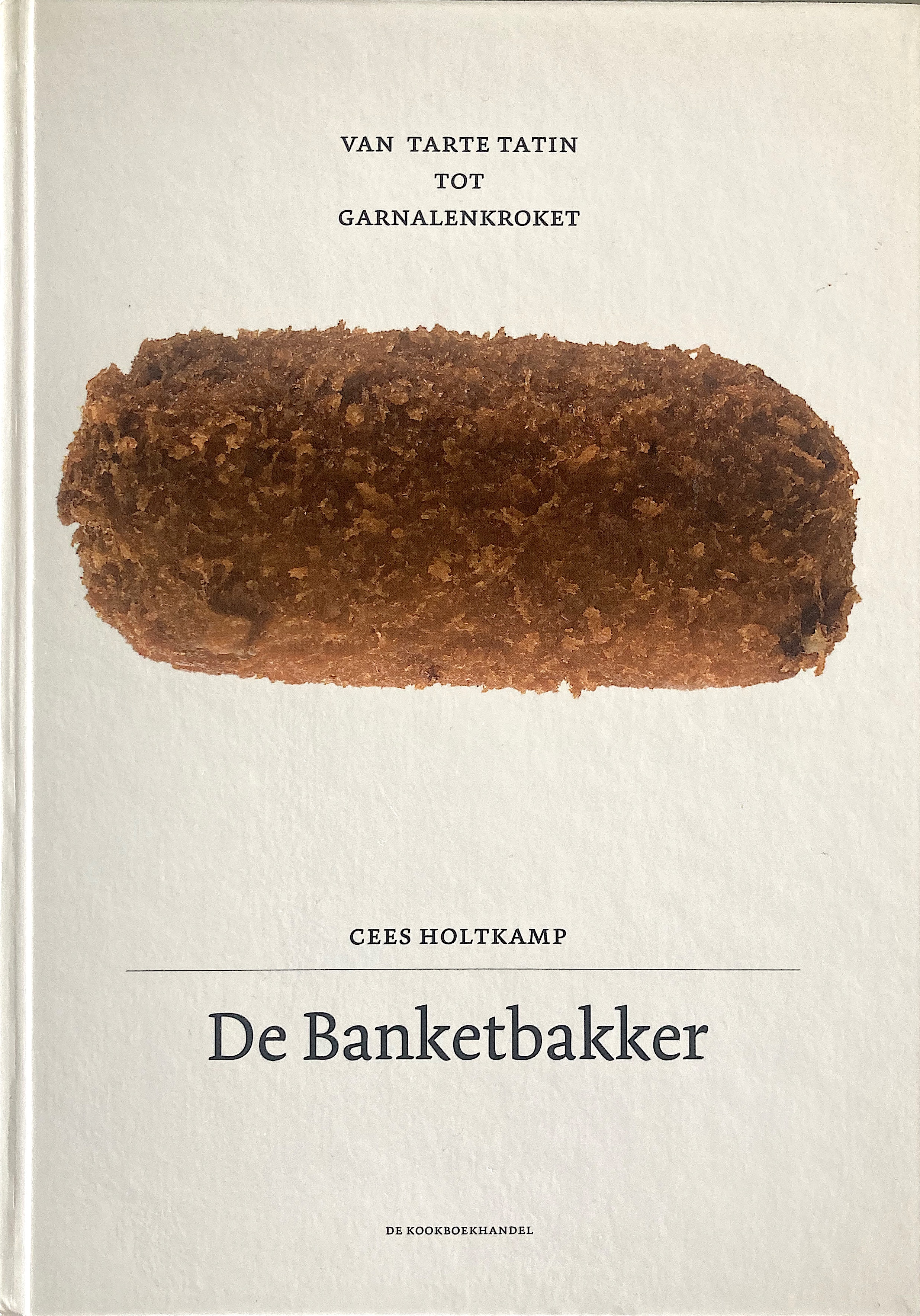
However, we must admit, we’re not too familiar with patisserie. We searched the internet a bit, opened a few cookbooks and to our surprise we found a range of suggestions for the dough of the tartelette. Typical the moment to make life simple and rely on the choice of an expert. In our case Dutch patissier Cees Holtkamp. Renowned for his excellent patisserie and his truly delicious croquettes. If you ever have an opportunity to visit the shop in Amsterdam, please, please do so. His book (in English it’s called Dutch Pastry) is available via the well known channels.
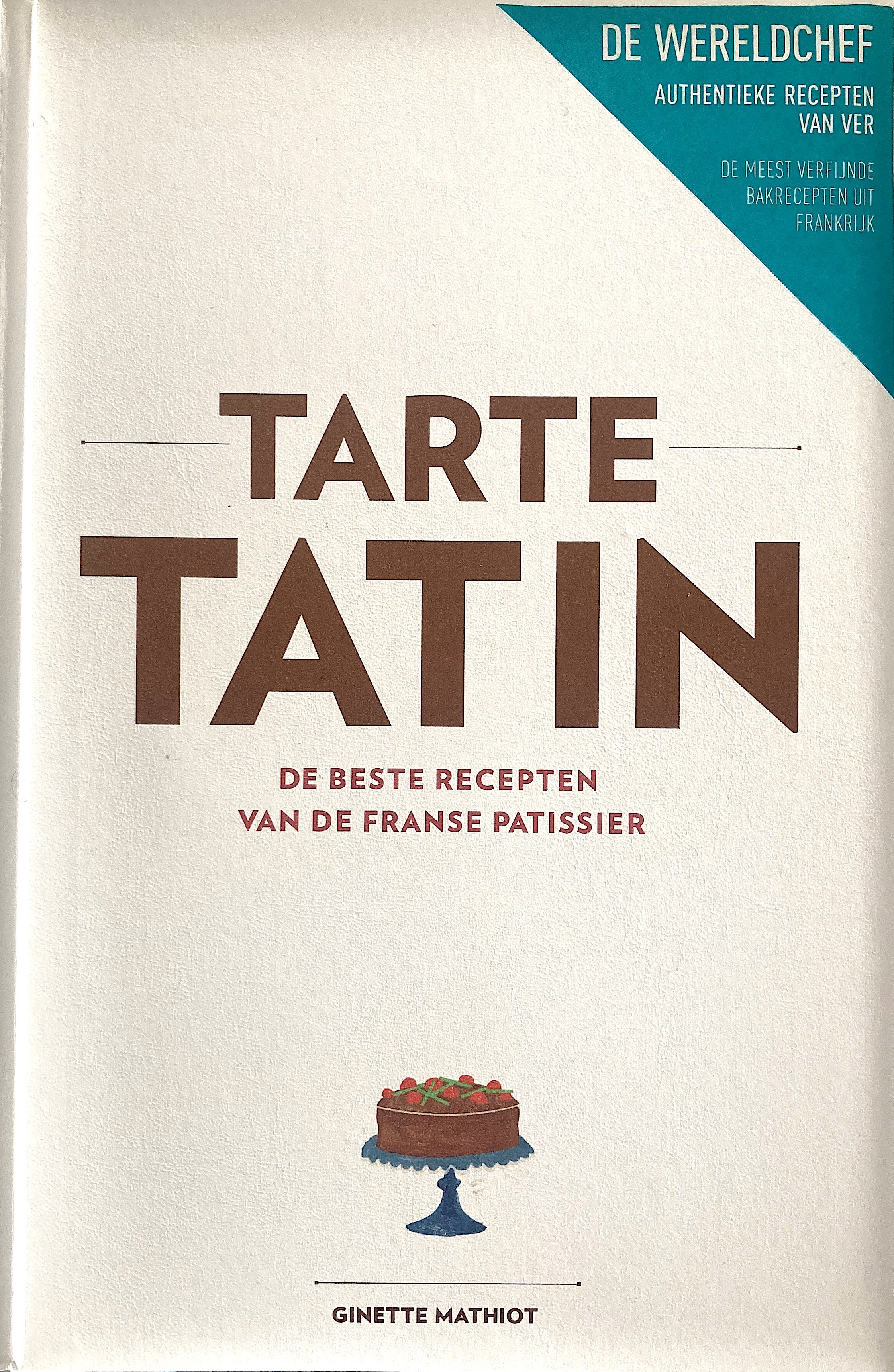
You could of course also rely on a French classic, for instance Tarte Tatin by Ginette Mathiot.

Back to our plan: we made pâte sucrée for our tartelette with fresh raspberries. The result looks good and tastes even better.

What You Need

  • Pâte Sucrée
    • 125 grams of Butter
    • 125 grams of Flour
    • 40 grams of Sugar
    • Pinch of Salt
    • 1 Egg
  • Lemon Curd
  • Fresh Raspberries

What You Do

We use tartelette moulds with a diameter of approximately 7 centimetres (2,75 inches). The butter must be soft but not warm (18 °C or 65 °F). Beat the egg. Combine flour, sugar and salt. Dice the butter and knead with the mixture. When well mixed, add the egg and knead until you have a nice dough. Leave to rest in the refrigerator for at least two hours.

Coat the moulds with butter. Remove the pastry from the refrigerator. Place it on a floured surface and roll it out with a rolling pin. Perhaps dust the dough with flour. Divide the dough into 6 portions and make small circles. Press the pastry onto the bottom and to the sides. Cut of overhanging dough. Transfer to the refrigerator for at least 30 minutes.
Preheat the oven to 175 °C or 350 °F.
Line with parchment paper and use dry beans to fill the moulds. Blind bake for 10 minutes. Remove the paper and the beans. Bake for another 10 minutes. When golden brown, remove the tartelette from the mould and let cool on a grid.
When cool, add the lemon curd and decorate with the raspberries.

Lemon Curd

A Lemon Meringue Pie, a Tarte au Citron or Scones with Lemon Curd: tasty, refreshing, bitter, sour, a bit sharp and sweet. We love it! Provided of course that the lemon is more than just juicy and sour.

This has been a bit of an issue over the past years. Similar to the German consumers who complained about the watery and flavourless Dutch tomatoes they bought around 1990, we think that most lemons lack aroma and taste. We tried limes, bought more expensive lemons, added a bit of yuzu, but in the end, we still missed the true taste and aroma of an old-fashioned lemon.

Until one day we bought a Bergamot lemon. Its aroma is intense, floral and long. The juice is sour, deeply citrusy, refreshing and bright. Exactly what we were looking for! We went home and prepared a lovely curd.

Recently we had a similar experience when we visited a dear friend. She grows a Makrut (or Thai) Lime tree, also known as Makrut Lime, in her garden mainly because she wants to use the fresh leaves in Thai and Indonesian dishes such as Tom Yum, Soto Ayam and various curries. The leaves have a complex citrus flavour with floral notes. We talked about the lovely yellow fruit and how you could use its very aromatic zest as well.
The fruit contains little juice, so when preparing a curd with Makrut limes, you need to add lime, Bergamot or lemon juice.

What You Need

  • 65 ml of Lemon, Lime, Bergamot and/or Makrut Lime Juice
  • 65 grams of Butter
  • 100 grams of Sugar
  • One Egg
  • Zest

What You Do

Beat the egg, melt the butter and combine all ingredients. Make sure the sugar is dissolved. Cook Au Bain Marie until you have the right consistency. Or transfer to your microwave, put it on 50% or 70% power and heat with intervals of 20-30 seconds. Mix between the intervals. This is a very precise way of heating the mixture and it gives you full control over the process. Towards the end of the process you may want to reduce the power or shorten the intervals. The percentage and the duration of the intervals depend on your microwave and the bowl you use. We use a microwave saucepan (£1,29 only) and it works perfectly. The material doesn’t absorb warmth, so the mixture doesn’t get extra heated when you stop the microwave. Pass through a sieve (you don’t want the zest in the curd), cool in a water bassin and store in a jar.
The curd keeps for a week in the refrigerator .

PS

Around 1992 a German television program characterised the Dutch tomatoes as watery and tasteless, and called them ‘wasserbombe’. The short-term impact was enormous: the Dutch tomato went from 50% market share in Germany to something close to zero. Longer term the impact was very different: Dutch producers invested in their product, making their tomatoes tastier, richer and more diverse.