Mushroom Salad

White Button Mushrooms and Cremini can be eaten raw, but we think they are tastier when fried or marinated, which is exactly what we do for this salad. A tasty accompaniment that will bring umami and depth to your dish. We combined the salad with carrots prepared in butter, lemon and lamb chops. The meat was fried in olive oil and seasoned with chopped thyme and black pepper. A delicious and light combination.

Wine Pairing

The salad comes with some acidity, but not too much. The main aspects in the dish are the sweetness and the velvety coating of the carrots, the aromatic lemon and thyme, the deepness of the salad and the richness of the lamb. We decided to open a bottle of Macon, a red wine from East-Central France. The region is well known for its white wines, Pouilly-Fuissé for instance. Most white wines in this region are made from Chardonnay grapes. This red wine is made from Gamay grapes. The wine has a beautiful ruby red colour, and it comes with aromas of black cherries and strawberries. A balanced wine with a touch of spiciness and nice tannins. Not too difficult and great with the various aspects of the dish. In general, we would suggest a red wine with fruit, freshness and character but not too complex. 

What You Need
  • 250 grams of Button Mushrooms or Cremini
  • Olive Oil
  • White Wine Vinegar
  • Parsley
  • Garlic Clove
  • Black Pepper
What You Do

Clean the mushrooms with kitchen paper. Slice the mushrooms, heat a heavy iron skillet and fry the mushrooms for a few minutes. Leave to cool. Combine excellent olive oil and white wine vinegar. Chop some parsley. Finely chop a garlic clove. Combine the mushrooms, the dressing, the parsley and the garlic. Add some black pepper. Leave in your refrigerator for 24 hours. Feel free to stir a few times.

Mushroom Salad ©cadwu

Chicken with Fennel and Sage

We start 2024 with a series of simple and tasty recipes. It’s such fun to prepare delicious food with only a handful of ingredients. James Tanner is author of Takes 5: Delicious Dishes Using Just 5 Ingredients with over 90 recipes, ranging from Roasted Red Bell Peppers with Anchovies to Scones. Short shopping lists, easy recipes and tasty results: what more can you ask for!

This dish combines fennel with chicken, pancetta and sage. The mild anise flavour of the fennel works very well with the pancetta. The aromatic, slightly bitter flavour of sage is great with the chicken. And believe it or not, after having simmered in butter for some 15 minutes the dish comes together. Rich, fresh and uplifting.

Wine Pairing

A light to medium bodied red wine will be great with the dish. Unoaked, fruity, not too complex: a wine made with Pinot Noir, Tempranillo or perhaps a red wine from the Beaujolais.

What You Need
  • Organic Chicken Thighs (boneless)
  • Small Fennel
  • 6 Leaves of Sage
  • Pancetta
  • Butter
  • Black Pepper
What You Do
  1. Halve the thighs and fry in butter
  2. In the meantime dice the fennel
  3. When the chicken is nicely coloured, add the fennel
  4. Combine, wait for a few minutes
  5. Dice the pancetta
  6. Devein and chop the sage
  7. Add pancetta and sage to the pan and allow to simmer on low heat for some 15 minutes
  8. Add black pepper just before serving
  9. You could decorate with some fennel leaves.

PS

Takes 5: Delicious Dishes Using Just 5 Ingredients was published in 2010 and is available (probably second hand) via the well-known channels for something like 20 US dollar or Euro.

Pork with Enoki

It’s nearly the end of the mushroom season in Europe. It’s hard to find chanterelle (girolle), and nearly impossible to buy fresh cèpes. The black winter truffle (Tuber melanosporum) is an exception. It’s available until March, but the price may be prohibitive. Better to focus on cultivated mushrooms, such as enoki, available at your local Asian supermarket. A delicious mushroom with a pleasant texture and aroma. Its flavour is mild, a bit sweet and fruity. You can use it raw in a salad, in a soup or combine it with soba noodles. A few weeks ago, we wrote about an omelette with enoki and a light soy sauce. The result is a lovely sweet, rich and intriguing dish.
Combining enoki with pork is also a great idea. Feel free to adjust the recipe and make the sauce spicier or sweeter or thicker. The result will be tasty given all three elements in the dish bring some kind of sweetness.

Wine Pairing

You could emphasize the Asian influence by serving a glass of Pinot Gris, Riesling, Chenin Blanc or perhaps Soave. In general you’re looking for a light or medium bodied, unoaked, dry white wine with nice acidity. Benefits are minerality and florality. A glass of Côtes de Provence rosé will also be a good choice.
If you want to focus on the flavours of the pork, we suggest a glass of Beaujolais or a glass of wine made with Grenache (France) or Garnacha (Spain) grapes.

What You Need

  • Organic Pork Tenderloin
  • 100 grams of (Golden) Enoki
  • Soy Sauce
  • Light Soy Sauce (we used Tentsuyu)
  • Stock
  • Oyster Sauce
  • Black Bean Sauce (optional)
  • Red Chili Paste (optional)
  • Olive Oil

What You Do

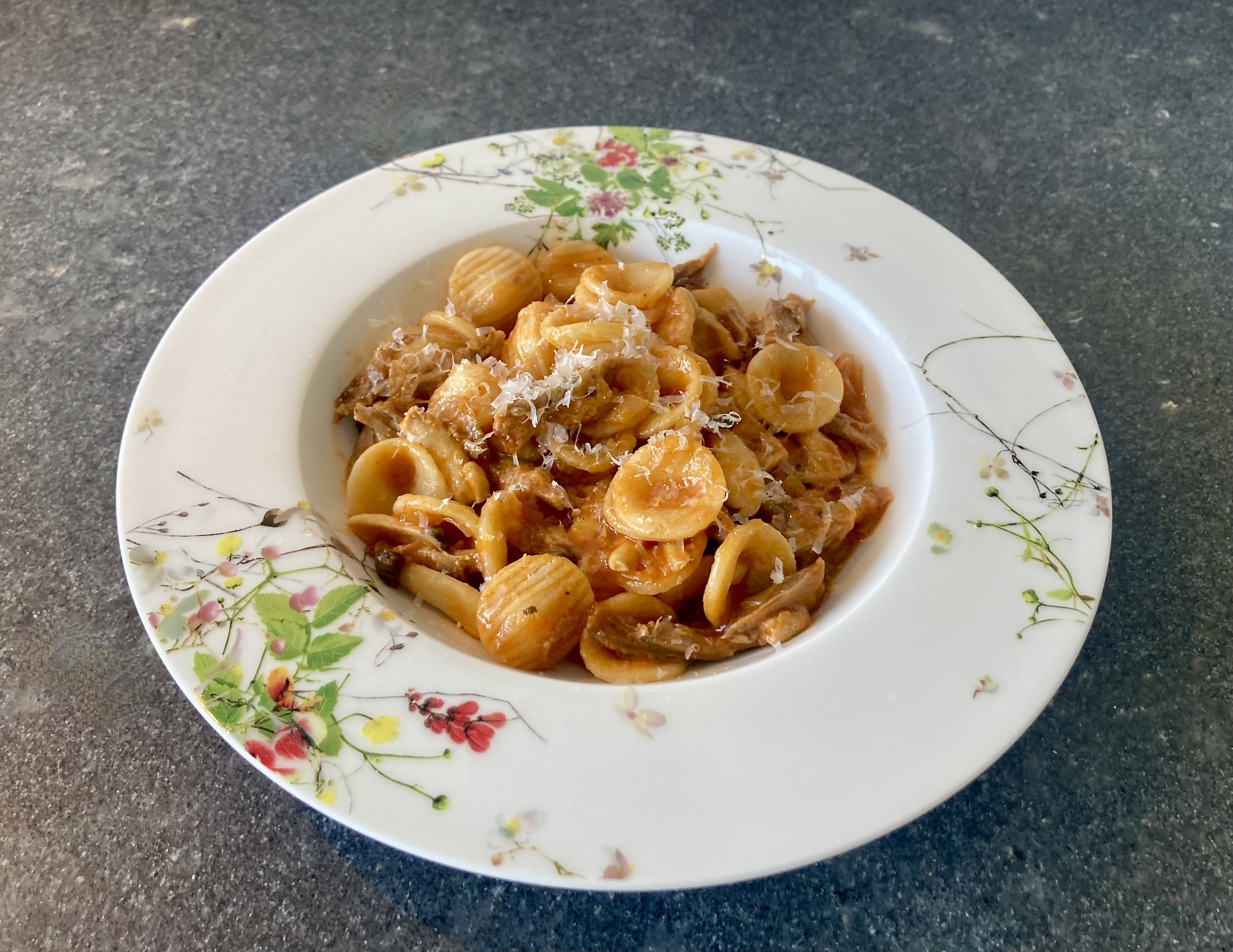
Fry the pork in olive oil until pink. Turn on a regular basis. Remove the stem (bottom) of the enoki. Fry in olive oil for maximum one minute. Add some (vegetable stock), soy sauce, oyster sauce, black bean sauce and red chili paste and create a not overly sweet, intense sauce. We like some spiciness, hence the chili paste. Serve the meat on top of the enoki mixture.

Beaujolais Primeur 2021

Beaujolais Primeur or Nouveau is made from the Gamay grape, using a technique called macération carbonique. The result is a fruity, light red wine, with little or no tannins. One that can’t be stored for too long. It was (and is) a very popular wine in many a French Bistro, served and enjoyed with lunch.

Over the years we became used to the idea of drinking the first French wine of the year and we started to pay more attention to the quality, only to notice that actually most of the primeur wines were thin, with a bit of acidity but without depth or length.

Today we will open a bottle of Jean-Paul Brun Terres Dorées Beaujolais L’Ancien Primeur 2021. Jean-Paul Brun is a serious and excellent producer of beautiful, tasty Beaujolais wines. We’re sure this primeur will be pure pleasure and a true indication of the quality of the Beaujolais wines this year.

Food Pairing

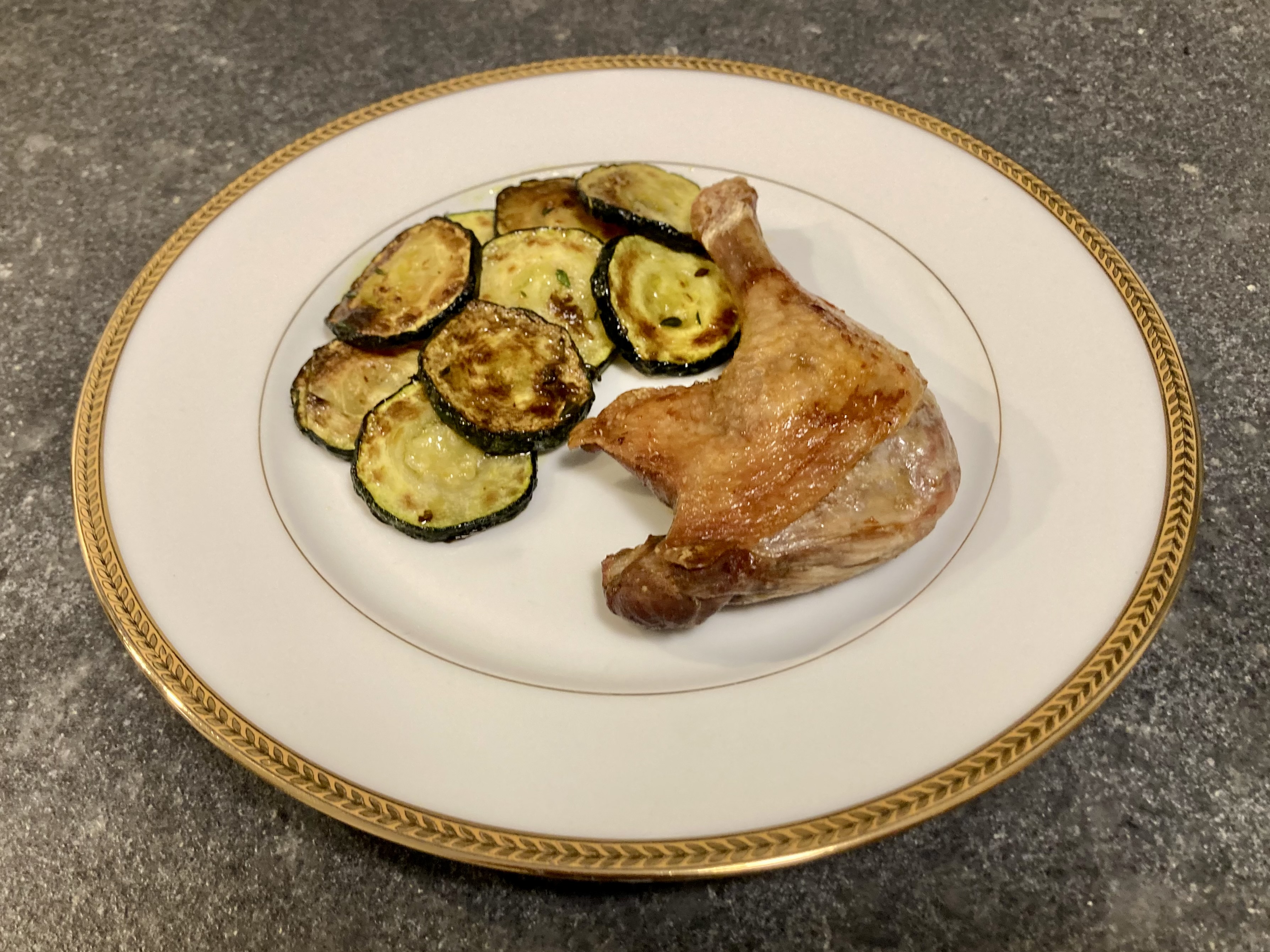
We will enjoy our Beaujolais Primeur with Confit the Canard and Roasted Seasonal Vegetables.

Beaujolais Primeur at The Art of Wines, Amsterdam ©cadwu

Pâté with Mushrooms

Let’s celebrate the season by preparing a Pâté! The combination of a crispy crust, a structured, colourful filling and various flavours is always a pleasure. Making a pâté (or better: a Pâté en Croûte) can be a bit intimidating (especially if you look at the pâté’s prepared during the World Championship!) but that should not stop you from giving it a try. It’s a pleasure to think about the ingredients, work on the construction and enjoy the wonderful aromas from your oven while baking the pâté. And the joy when slicing it: is the pâté as beautiful as you expected it to be?
Feel free to make your own puff pastry, but if you buy ready-made pastry, please check it’s made with butter, flower, salt and water only and not with rapeseed oil, palm oil, yeast etcetera.

Wine Pairing

A red, medium bodied wine will be a great accompaniment of this Pâté en Croûte. In general you’re looking for a red wine with aromas of black fruit, floral notes and delicate wood. The tannins should be soft or well-integrated. We enjoyed a glass of Pinot Noir from La Cour Des Dames

What You Need

  • 150 grams of Cèpes
  • 250 grams of Champignon de Paris
  • 1 small Shallot
  • Handful of Spinach
  • Half a cup of Rice
  • Parmesan Cheese
  • Parsley
  • One Egg
  • Puff Pastry
  • Black Pepper

What You Do

Start by cooking some rice, you will probably need a tablespoon of cooked rice. Clean the cèpes and see how they best fit in the pâté baking mould. Perhaps you need to trim the stems or the caps to have the best result when it’s ready. Set the cèpes aside.
Clean the champignons and wash the spinach. Peel and finely chop the shallot. Warm a heavy iron skillet, glaze the shallot, add the cleaned and lengthwise halved mushrooms (and the leftovers of the cèpes) and cook them on medium heat for 10 minutes or so. In parallel blanch the spinach, drain and squeeze. Also in parallel, coat the mould first with baking paper and then with puff pastry. Make sure you have some extra pastry to create the lids for the chimneys. Chop the cooked mushrooms. Chop the spinach. Add the egg to a large bowl and whisk. Add the cooked mushrooms to the bowl, add some black pepper, chopped parsley and finely grated Parmesan Cheese. Add some spinach, just to have some extra colour. Add the rice. The rice will help absorb additional juices from the cèpes, so how much rice you need is a matter of looking at the mixture and the cèpes.

Now it’s time to build the pâté: start by creating a bottom with the mixture, position the cèpes and add the remainder of the mixture. Make sure the mixture envelops the mushrooms. Close the pâté with the pastry. Make two holes in the roof of the pâté and use baking paper to create 2 chimneys. Transfer to the oven (180 °C or 355 °F) for 45 minutes. Use the remainder of the puff pastry to make 4 mini cookies that will function as lid on the chimney (of course, you only need 2, but baking 4 allows you to choose the best). After 45 minutes add the 4 cookies, bake for another 10 minutes. Mix some egg yolk and coat the pâté and the cookies. Cook for another 5 to 10 minutes. The duration and temperatures very much depend on the shape of the mould and the pastry.

Transfer from the oven, remove the chimneys, glue the lids on the chimneys using some egg yolk and let cool. Once cool, remove from the mould, transfer to the refrigerator and wait until the next day. 

Bay Bolete

What’s In A Name?

We are all familiar with the white (button) mushroom, also known as Champignon de Paris. The Chestnut Mushroom is the same mushroom, just with a light brown, chestnut coloured cap. Its taste and texture are more intense compared to the classic white mushroom.
A Chestnut Bolete is a different kind of mushroom. It is small, chestnut coloured when young and beige when older. The German name of the Chestnut Bolete refers to rabbits, the Dutch name to cinnamon and the French name to chestnuts.
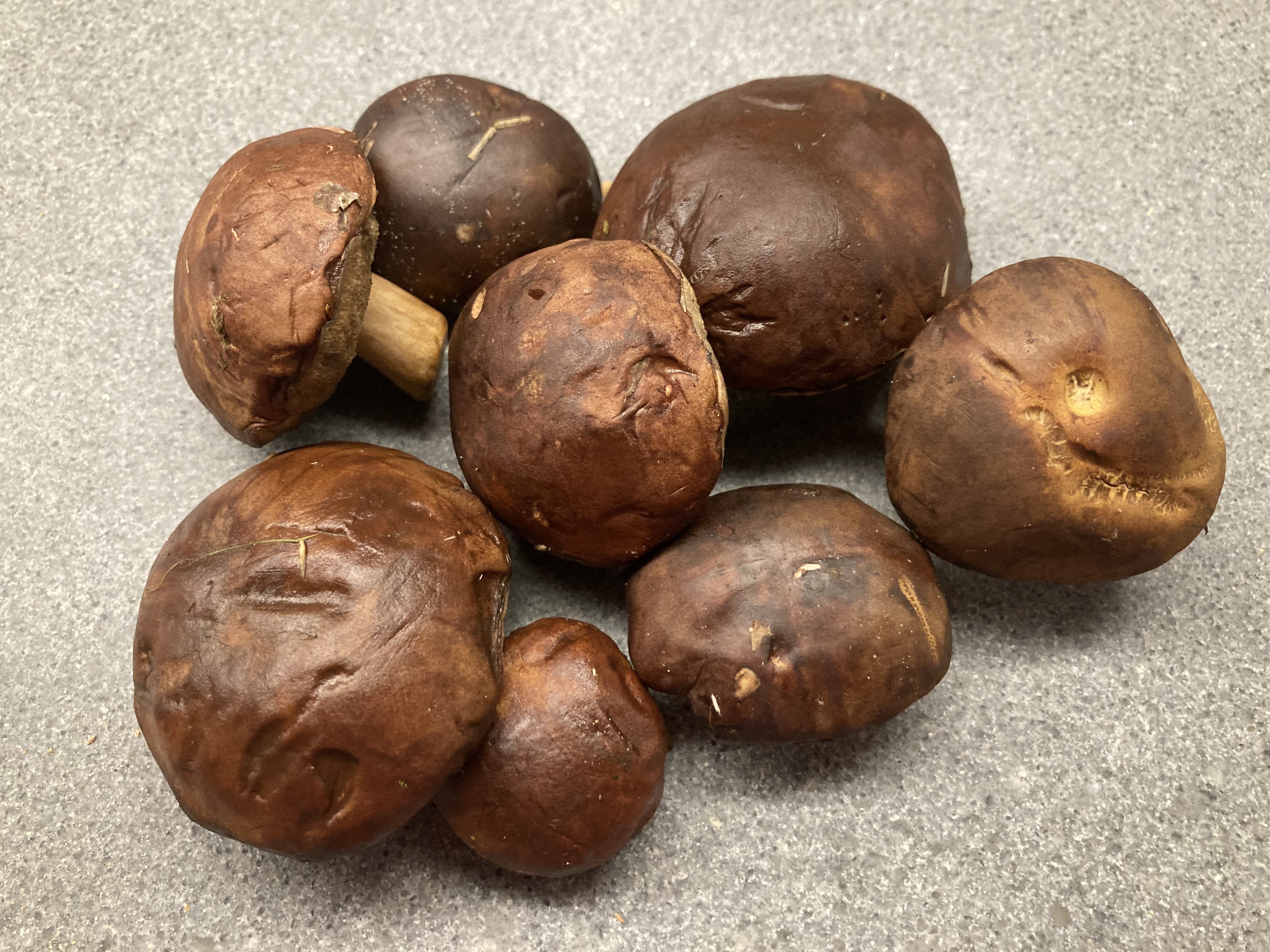
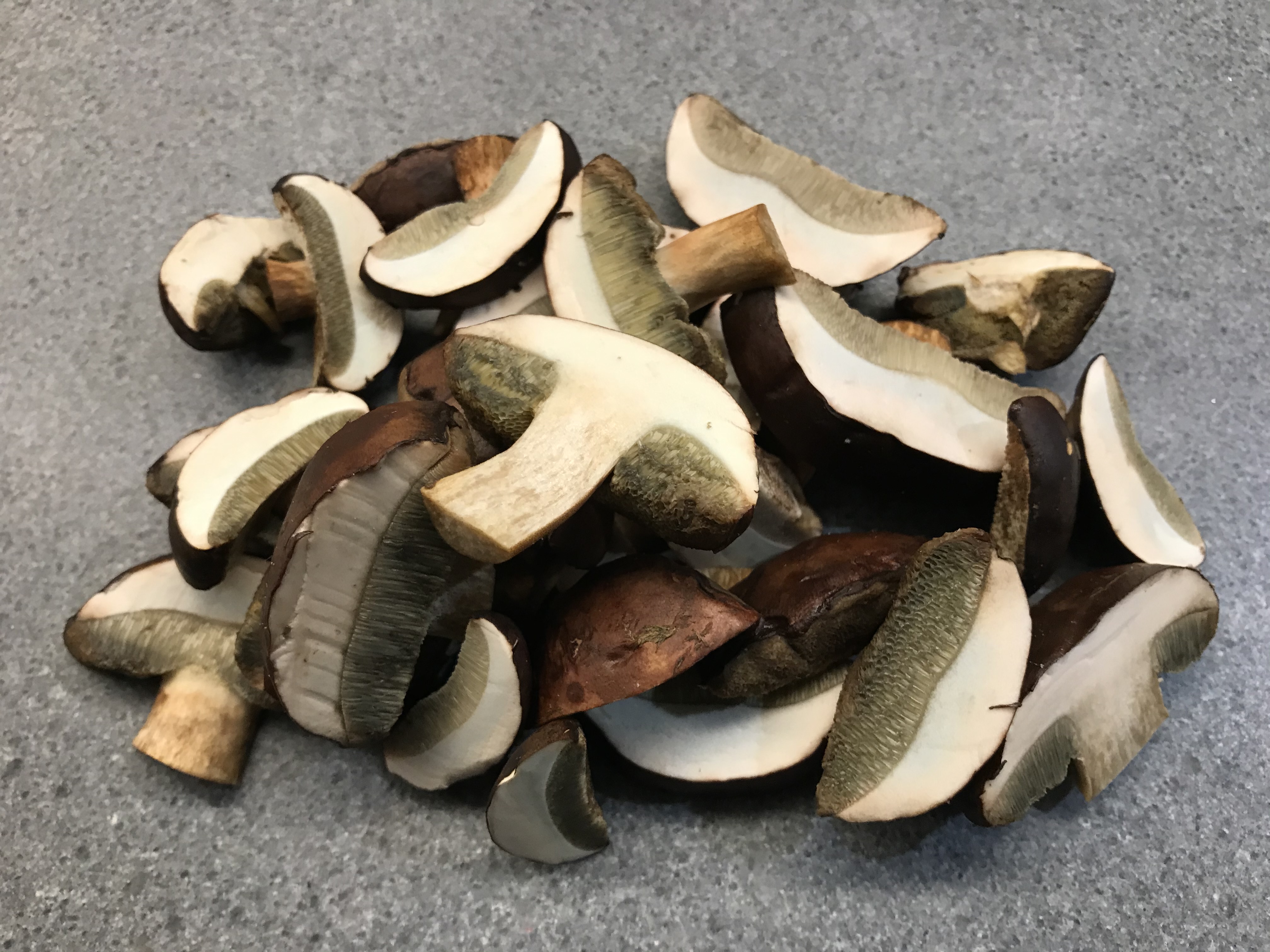
The overall colour of a Bay Bolete is brown and its cap is bay, the reddish brown colour of many horses. Or is it chestnut? In German and Dutch the name of the Bay Bolete refers to chestnuts; in French it refers to bay. The official name of the Bay Bolete is Imleria badia, but also Boletus Badius because it’s related to Boletus Edulis, also known as cèpes or Porcini.

Let’s talk about flavours and aromas, that’s probably more interesting. Bay Boletes are as tasty as cèpes. The texture is a bit softer and the mushroom itself more moist. It’s actually a very common mushroom in Europe, China, Mexico and North America. Sadly, this very tasty, not expensive bolete is hard to find in shops and on markets. So if you see them, buy them immediately.
Following the recipe for Cèpes à la Bordelaise is a good idea.

Wine Pairing

Enjoy with a glass of medium bodied red wine with aromas like berries and plums, for instance a Beaujolais Côte de Brouilly. It’s such a pity that the appreciation of Beaujolais wine is dominated by the (faded) popularity of Beaujolais Primeur and the idea that Beaujolais is a simple and light wine. It’s not. When you have the opportunity, taste a glass of Régnié, Morgon or one of the other 10 crus of the Beaujolais. Welcome to the divers and exciting world of Beaujolais wines!

What You Need

  • 200 gram of Bay Boletes
  • Shallot
  • Red Meat (Deer in our case)
  • Jerusalem Artichokes
  • Chicken Stock
  • Olive Oil
  • White and Black Pepper
  • Excellent Olive Oil

What You Do

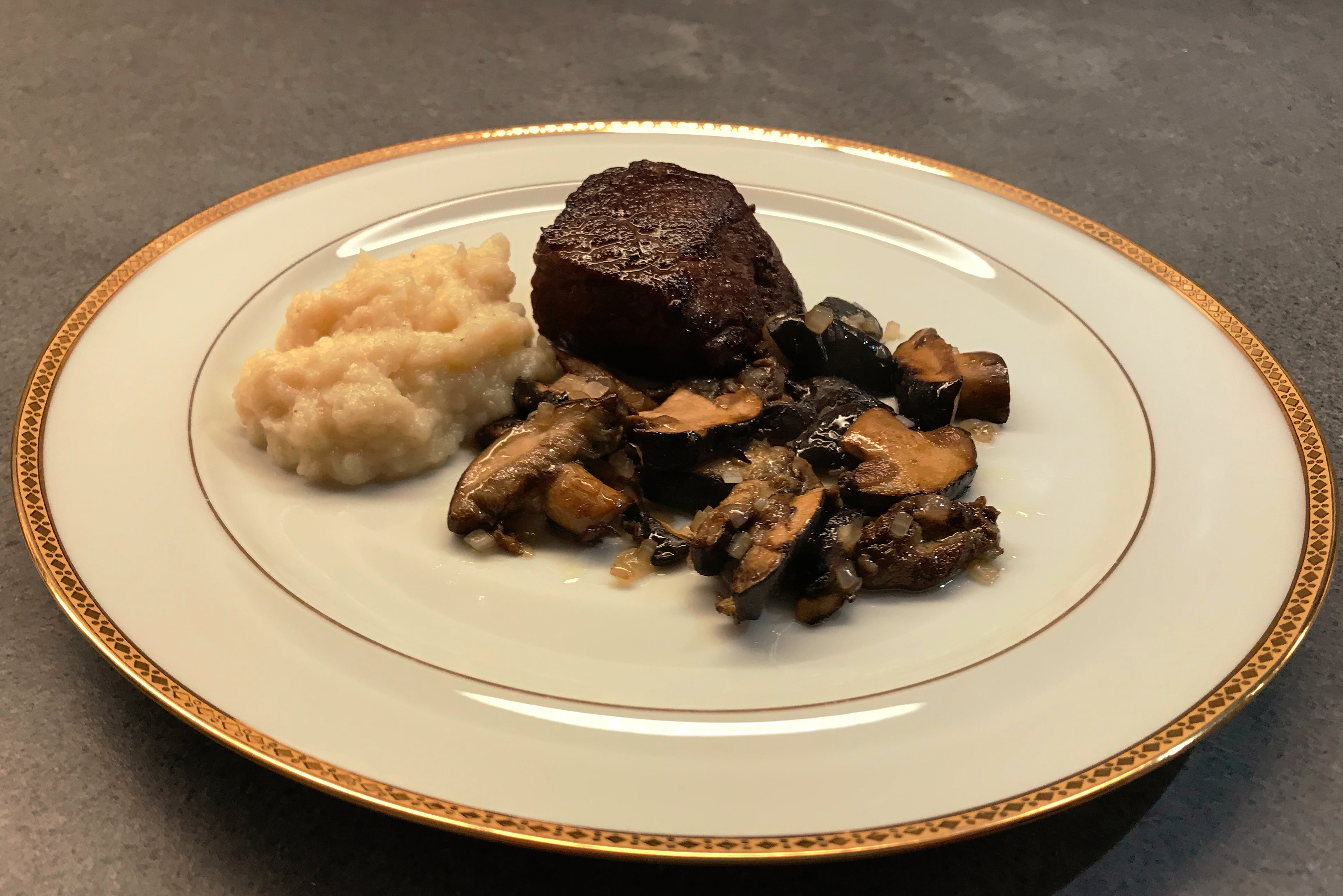
Clean the Jerusalem artichokes and cook them for 10 minutes or so until tender. Mash with a fork or spoon and pass through a sieve. Don’t use a blender, unless you enjoy eating starch. Cool and set aside.
Clean the bay boletes with kitchen paper and slice them (not too thin). Chop the shallot. Add olive oil to a relatively hot heavy iron skillet. Reduce the heat and fry the boletes for 10 minutes. Add the chopped shallot. Cook on medium heat for 5 minutes. Stir and add fresh black pepper.
In parallel fry the meat very quickly in a hot skillet and let rest for 10 minutes. Warm the purée of Jerusalem artichoke, add a tablespoon of chicken stock, some white pepper and a drizzle of excellent olive oil. Mix with a spoon. Serve on a hot plate.