Small Artichokes (Carciofo Violetto)

The season of artichokes depends on the variety and where you are based. In Italy it’s from mid-winter until early spring, in other countries from March to June, or September and October.
An artichoke should feel heavy, look fresh and the leaves should be closed. If the leaves are wide open, the artichoke is older and it could be dry with lots of choke (the hairs) and dry inner leaves.
The artichokes we use in this recipe are special. Not only are they vibrant purple, they are also small with hardly any choke. In Italy they are called Carciofo Violetto. Tasty as you would expect from an artichoke and easy to eat because the texture of the leaves is not stringy.

Wine Pairing

It’s not straightforward to pair artichokes with wine. According to various researchers this is due to cynarin, a chemical especially found in the leaves of the artichoke. When the wine and the cynarin meet in your mouth, the natural sweetness of the wine is enhanced, making it taste too sweet. Pair artichokes with a bone-dry, crisp, unoaked white wine with clear, present acidity. For instance, Sauvignon Blanc, Grüner Veltliner or Albariño.
The Carciofo Violetto artichoke in combination with the olive oil, Parmesan cheese and browned garlic (bitter, nutty) is less demanding when it comes to wine. We enjoyed it with a nice glass of Côtes de Provence rosé.

What You Need
  • Small purple Artichokes
  • Olive Oil
  • 2 Cloves of Garlic
  • Parmesan Cheese
What You Do

Preheat your oven to 180 °C or 355 °F. Cook the artichokes for 5 minutes in boiling water. Allow to cool and remove the outer leaves. Be generous, it’s better to remove too many! Halve the artichokes and place them in a shallow oven dish. Drizzle with olive oil. Transfer to the oven for 5 minutes. In the meantime, grate Parmesan cheese, chop the garlic and mix. Spread the mixture on top of the artichokes. Wait for the cheese and the garlic to colour, perhaps 5 minutes. Serve immediately.

PS

Other recipes with artichokes you may like:

Marmalade

We love a cup of (Russian) Earl Grey or Lady Grey. Black teas flavoured with oil of bergamot (Citrus Bergamia), which gives the tea a lovely citrusy flavour.
You could imagine how happy we were when we saw fresh bergamots on the market. Yellow, the size of an orange and very fragrant. Great to use for a tarte au citron, for a curd or for marmalade.
The juice of the bergamot is fairly similar to lemon juice. Bitter, pungent, perhaps a bit more tart. The rind is fragrant, has a powerful aroma and a (bitter) taste. Bergamot oil is made of the rind and often added to perfumes and cosmetics.

We also used the bergamot juice to make a kimizu-like sauce, served with fried fish. The result was okayish but certainly not our best idea!

What You Need
  • (organic) Citrus Fruit (Oranges, Mandarins, Lemons, Bergamots or a mix of these)
  • Sugar
  • Water
What You Do

Weigh and wash the fruit. Cut into quarters and slice the quarters into thin slices. Transfer to a pan. Add some water, bring to a boil and cook on low heat for 15-30 minutes until the peel is translucent. Now add sugar (we use a ratio fruit to sugar of 2:1, but feel free to add more sugar). Cook on medium heat until the marmalade starts to thicken. This may take 15-30 minutes depending on the fruit. Transfer to clean jars, let cool and enjoy a few days later!

Curly Kale with Confit de Canard

Recently we wrote about kale-sprouts, the purple combination of Kale and Brussels sprouts. When working on the post we noticed that we actually never wrote about Curly Kale. This typical winter vegetable (also known as BoerenkoolGrünkohl or Chou Frisé) is not known for its culinary capability, although Cavolo Nero (which is a variety of Kale) has become fairly popular over the last years. Dishes like RibollitaMinestrone or Cavolo Nero prepared with orecchiette and anchovies sound tempting.
Curly Kale is sometimes described as a super food because it contains lots of vitamines and it’s supposed to be good for your eye-sight. Reality is that it’s not simple to turn Curly Kale into something tasty. In 2015 Felicity Cloake (who writes for the Guardian) explains how to make kale crisps. She compares recipes from various authors and decides to make the perfect crisps from…. Cavolo Nero!
Curly Kale itself is typical comfort food. Served with potatoes, bacon and sausages; to be enjoyed with a glass of beer or a glass of Pinot Blanc.
Best is to eat Curly Kale after a wintery period. As soon as the temperature drops below zero, the plant will start breaking down the starch in the leaves into simple sugars. These sugars prevent the plant from freezing and the taste becomes sweeter and less bitter. A process that happens in carrots, turnips, beetroot, kale and Brussels sprouts but not in potatoes.

The traditional Dutch way of cooking Curly Kale is to add the sliced leaves with the potatoes to a pan of salted water, cook until done, drain, then mash with butter, warm milk, nutmeg, and black pepper. It is served with slices of smoked sausage. Hearty, filling and serieously heavy on your stomach.
We prefer a more modern version, highlighting the flavour and the texture of the Curly Kale.

What You Need
  • 400 grams of Fresh Curly Kale leaves
  • 1 small Potato
  • 1 Shallot
  • 1 Garlic Clove
  • Butter
  • Nutmeg
  • Black pepper
  • Confit de Canard
What You Do

Set your oven to 180 °C or 355 °F. Reheat and fry the confit de canard. Chop the shallot, finely chop the garlic, peel the potato and dice, strip the curly kale from its stems and slice the leaves. Add a generous amount of butter to the pan, gently fry the shallot for a few minutes, then add the garlic. After one minute or so add the sliced kale and allow to simmer. Add the diced potato, combine and leave to simmer for a few minutes. Add some water to the pan. Cook for 15-20 minutes until the potato is ready. Best is if the water has evaporated by this time. In the meantime, the duck should be ready. Poor the duck fat in the pan, mash very briefly (you want to keep the structure of the potatoes), add nutmeg and black pepper. The mash should be about the kale, with the onions, garlic and potato supporting it. Serve immediately on a warm plate.

Kalette – Kale Sprouts

Saturday morning, when chatting to our greengrocer, we noticed purple, small vegetables. Some looked like mini Brussels Sprouts, others more like mini Kale. Let’s give it a try, so we bought 150 grams of Kale Sprouts, also known as Kalettes, Lollipops or Flower Sprouts.
When eaten raw they taste like Brussels Sprouts and we could imagine using the smaller ones in a salad. Many recipes suggest cooking the Kale Sprouts but why would you? They are very small so stir frying them is a much better option because then you’ll have all the flavours. When fried their taste is very similar to the taste of kale or in general cabbage. We could imagine using them in Cabbage Stew. We decided to be a bit more adventurous and combine the Kale Sprouts with Gurnard.

Wine Pairing

We enjoyed our Kale Sprouts with a glass of Austrian Grüner Veltiner, produced by Markowitsch. It’s a full bodied, elegant white wine with aromas of apples and a touch of spiciness. One that was great with the more intense flavours of the Kale Sprouts and the gurnard.

What You Need

  • 150 grams of Kale Sprouts
  • 25 grams of Pancetta
  • Olive Oil
  • Black Pepper

What You Do

Wash the sprouts carefully. Dry. Trim the ends, if necessary. Halve the ones that look like mini kale. Heat a pan (a wok will be great), add olive oil, add the diced pancetta, leave for one minute and then add the sprouts. Fry for 5 minutes, taste and decide to serve or fry a bit longer. Add some fresh black pepper.

Cèpes, Lentils and Duck

Let’s celebrate the season by preparing a very simple, tasty starter with cèpes, the all-time favourite mushroom of many people. It is great when fried in olive oil with garlic and parsley, wonderful in a risotto and equally tasty when prepared à la Bordelaise. This starter is a bit more complex. It combines the nutty, rustic flavour of lentils with the fatty richness of foie gras and smokiness. The dish is a true appetizer.

Wine Pairing

We would suggest a white wine with some floral notes and only a touch of sweetness. A pinot gris or perhaps a gewürztraminer? Sweetness will go very well with the foie gras and the smoked duck, but it’s not a great match with the cèpes.

We could also imagine opening a bottle of Arbois Savagnin 2018. This complex, white wine is made from the Savagnin grape and is produced in the far east of France, the Jura. It comes with aromas that will make you think of nuts, curry and even umami. When tasting it, you may think the wine is off, given it is slightly oxidized. In this case it’s a good thing. Enjoy the savoury, nutty taste of the wine in combination with the various flavours in the dish.

What You Need

  • 150 grams of Cèpes
  • Du Puy Lentils (from Sabarot)
  • Smoked Breast of Duck
  • Terrine de Foie Gras de Canard
  • Neutral Oil (we used Avocado Oil)
  • Butter
  • Black Pepper

What You Do

Remove the smoked breast of duck from the refrigerator. Wash the lentils and cook for some 20 minutes. Drain and allow to cool. Add one or two teaspoons of oil, to coat the lentils and enhance their flavour. Add some black pepper. Clean the mushrooms and slice. Not too thin, the idea is to have a moist mushroom with a thin crust.  Fry the mushrooms in butter. Plate up by making a circle of lentils and decorate with slices of smoked duck, cèpes and very thin slices of terrine.

PS

Avocado oil seems a bit exotic, but actually it has a very high smoking point so it’s great for frying and baking. When used in a salad, you will notice the oil is light and fresh.

Mushroom Season

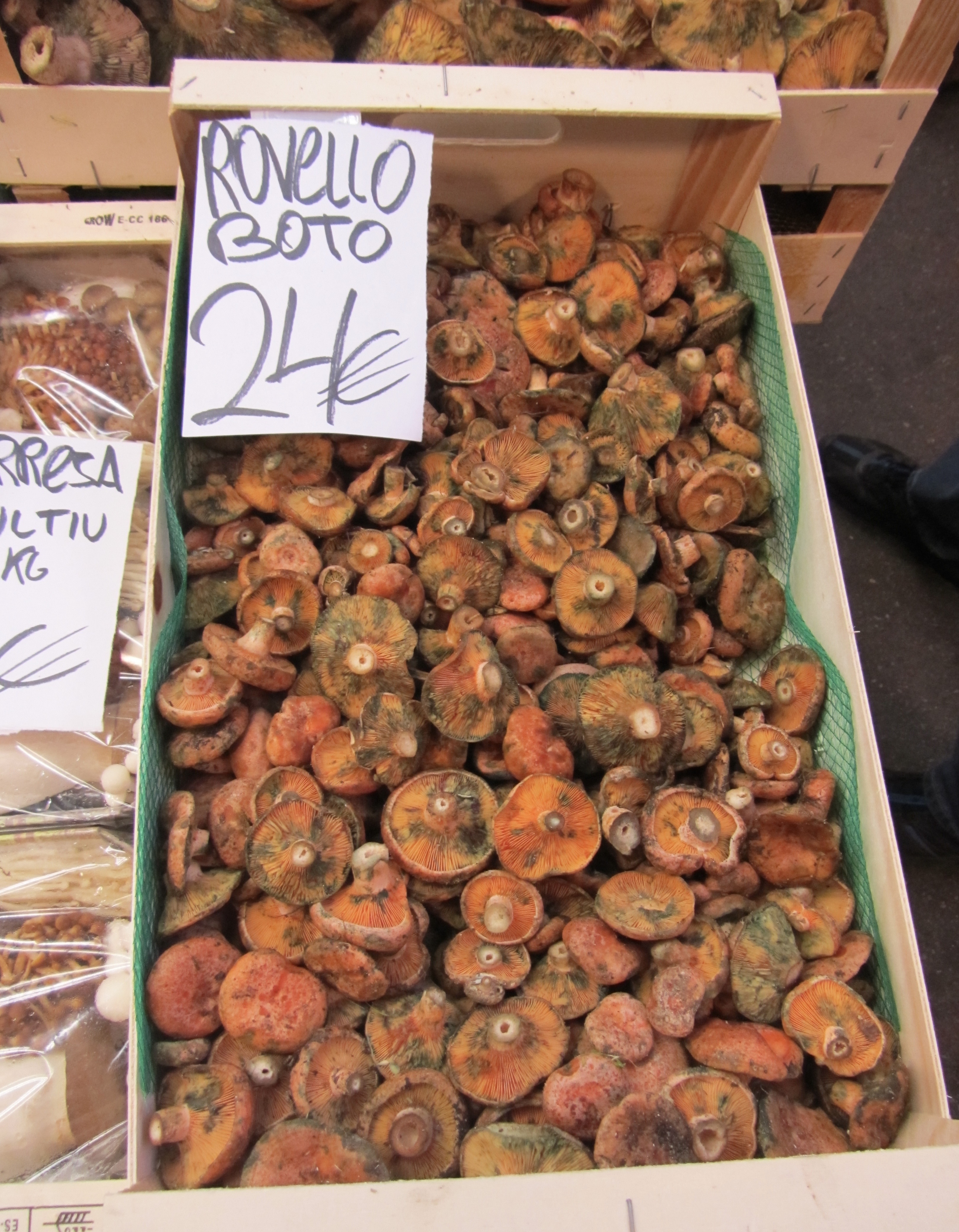
So far this year’s mushroom season has been great with lots of delicious Cèpes, Bay Boletes, Birch Boletes and Chanterelles. This Saturday we bought a very tasty autumn Truffle and a day earlier we treated ourselves to Matsu Take. Such a special mushroom. We’re waiting for the Saffron Milk Cap, Spain’s favourite mushroom, and the Caesar’s mushroom, a mushroom much appreciated in Italy. 

Since it’s a great year for the Bay Bolete, we thought it would be nice to share some recipes with this mushroom. Its taste is similar to that of the Cèpes or Penny Bun. Perhaps more intense?

Pâté with Mushrooms ©cadwu

Pâté en Croûte

A few years ago we celebrated the mushroom season by preparing a Pâté with bay boletes. The combination of a crispy crust, a structured, colourful filling and various flavours is always a pleasure. It’s good fun to think about the ingredients, work on the construction and enjoy the wonderful aromas from your oven while baking the pâté. And the joy when slicing it: is the pâté as beautiful as you expected it to be?

A red, medium bodied wine will be a great accompaniment of this Pâté en Croûte. In general you’re looking for a red wine with aromas of black fruit, floral notes and delicate wood. The tannins should be soft or well-integrated. We enjoyed a glass of Pinot Noir from La Cour Des Dames

Bay Boletes with Veal and Sage ©cadwu

Sauce

Earlier this year we prepared a rich sauce with bay boletes, sage, mustard en crème fraîche. We served the sauce with excelltn veal rib eye and turnip cabbage. The turnip brings frsshness and lightness to the dish, creating a lovely balance.
A fruity, slightly chilled red wine will be great with the dish. We opened a bottle of German Spätburgunder from the Pfalz area. Some dark fruit, strawberries, touch of earthiness, not too complex. One that supported the flavours and aromas of the dish very well.

Guineafowl and Bay Bolete ©cadwu

Guineafowl

Bay boletes combine very well with guineafowl. The meat is leaner, somewhat darker and more flavourful compared to chicken. It is not difficult to prepare, but due to the low-fat content you must be careful not to overcook. In this recipe we use guineafowl supreme (the breast fillet with the skin on plus the wing bone), rosemary, thyme, pancetta and garlic.
Enjoy with a glass of Chiroubles, a cru from the Beaujolais, produced by Domaine Montangeron. The wine has floral notes, aromas of cherries and strawberries. Its colour is pale ruby. Rich, elegant and long. It brings freshness and fruitiness to the dish and is sufficiently complex to remain present when enjoying the guineafowl and the bay bolete.
In general you’re looking for a red wine with freshness, fruity aromas and complexity. Perhaps a Pinot Noir?

More recipes on our website dedicated to mushrooms.

Pear and Chocolate Pie

A few weeks ago, we were very pleased to win the Great Bloggers Bake Off award in the pie-category with a Pear and Almond Pie. A delicious, uplifting combination that works very well thanks to the crème fraîche and the calvados. The Bake Off is organised by A Jeanne in the Kitchen.

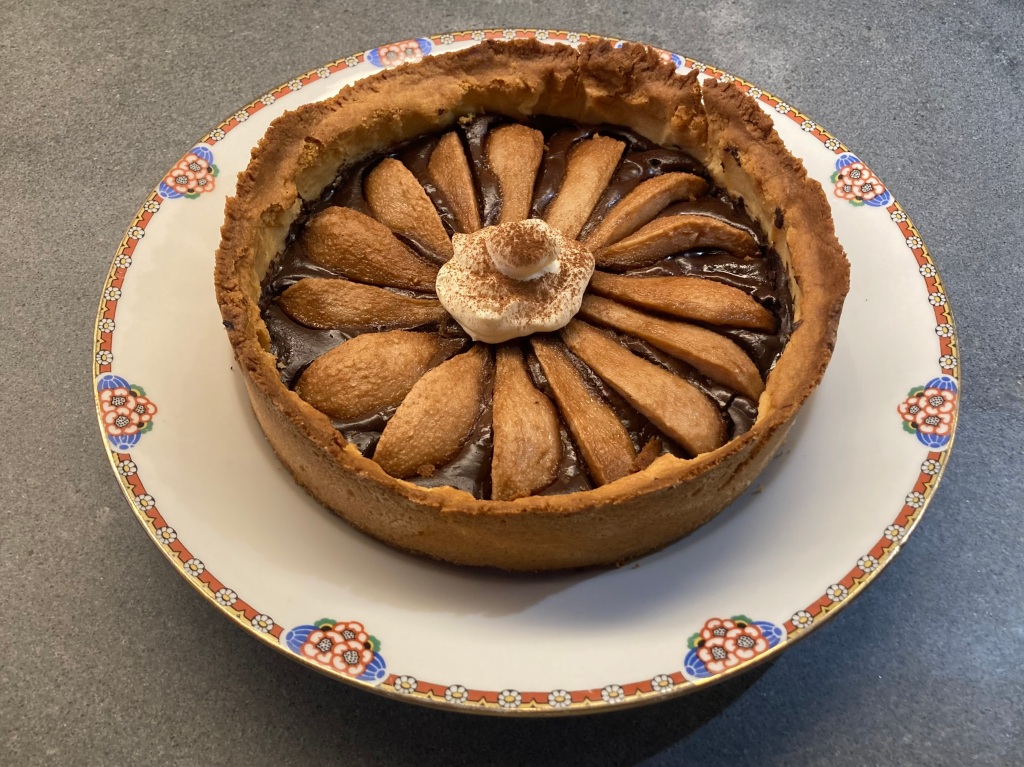
Pear and chocolate is a match made in heaven, that’s why we decided to make a Pear and Chocolate Pie. The result is a rich, intense flavoured pie. A small slice with an espresso will make for a very nice dessert.

What You Need

  • Dough
    • 50 grams White Caster Sugar
    • 100 grams soft Butter
    • ½ teaspoon grated Lemon Peel
    • Pinch of Salt
    • ½ Egg
    • 3 grams Baking Powder
    • 150 grams All Purpose Flour
  • Almond Paste
    • 225 grams of White Caster Sugar
    • 250 grams of Almond Flour
    • One Egg
    • Lemon zest
  • Filling
    • 200 grams Chocolate
    • 50 grams Double Cream
    • 50 grams Sugar
    • 1 Egg
    • 1 Egg Yolk
    • Pears, preferably Doyenné du Comice (or Conference)
  • Decoration
    • Whipped Cream
    • Cinnamon Powder

    What You Do

    Start by making the Dough. Beat the egg. Combine sugar and butter until smooth. Add Lemon zest and salt. Mix. Add the egg. Mix. Combine baking powder and flour. Pass through a sieve and add to the mixture. Best is to use a kitchen mixer with kneading hooks. Wrap in foil and transfer to the refrigerator for at least two hours. The dough freezes well so not a problem if you’ve made too much.

    Now make the Almond Paste. Combine almond flour and sugar. Add one beaten egg and (optional) lemon zest. Mix until you have a paste. Keeps well in the refrigerator for a week and in the freezer for months. You could also use 250 grams of white almonds. Grind these and continue as if almond flour. In this case you need half the quantity (or less).

    Preheat the oven to 180 °C or 355 °F. Coat your pie tin with butter (we used a 15 cm, 6 inch tin). Roll out the dough, it should be 5 mm (0.20 inch). Line the tin with the dough. Don’t worry if the dough breaks; it’s easy to repair. Remove the excess dough. Line with aluminium foil or parchment paper, add baking beans and bake the pie blind for 15 minutes.

    When the pie is in the oven, it’s time to make the Filling. We used cooking chocolate, that makes life a lot easier. Add the broken chocolate to the cream and melt gently in the microwave (set to low power) or au bain-marie. Add sugar. Allow to cool. Lukewarm is fine. Beat the egg.

    Use almond paste to make a thin layer on the bottom of the pie. Take half of the chocolate mixture and (using a spatula) add a layer of chocolate on top of the almond paste. Add the egg to the remaining chocolate, mix well and make a third layer. Peel the pears, quarter and push the pears into the mixture. Bake in the oven for 20 minutes (depending on the pears and the mixture).
    Allow to cool and then remove from the tin.

    Pear and Chocolate Pie ©cadwu
    Pear and Chocolate Pie ©cadwu

    Cabbage Stew

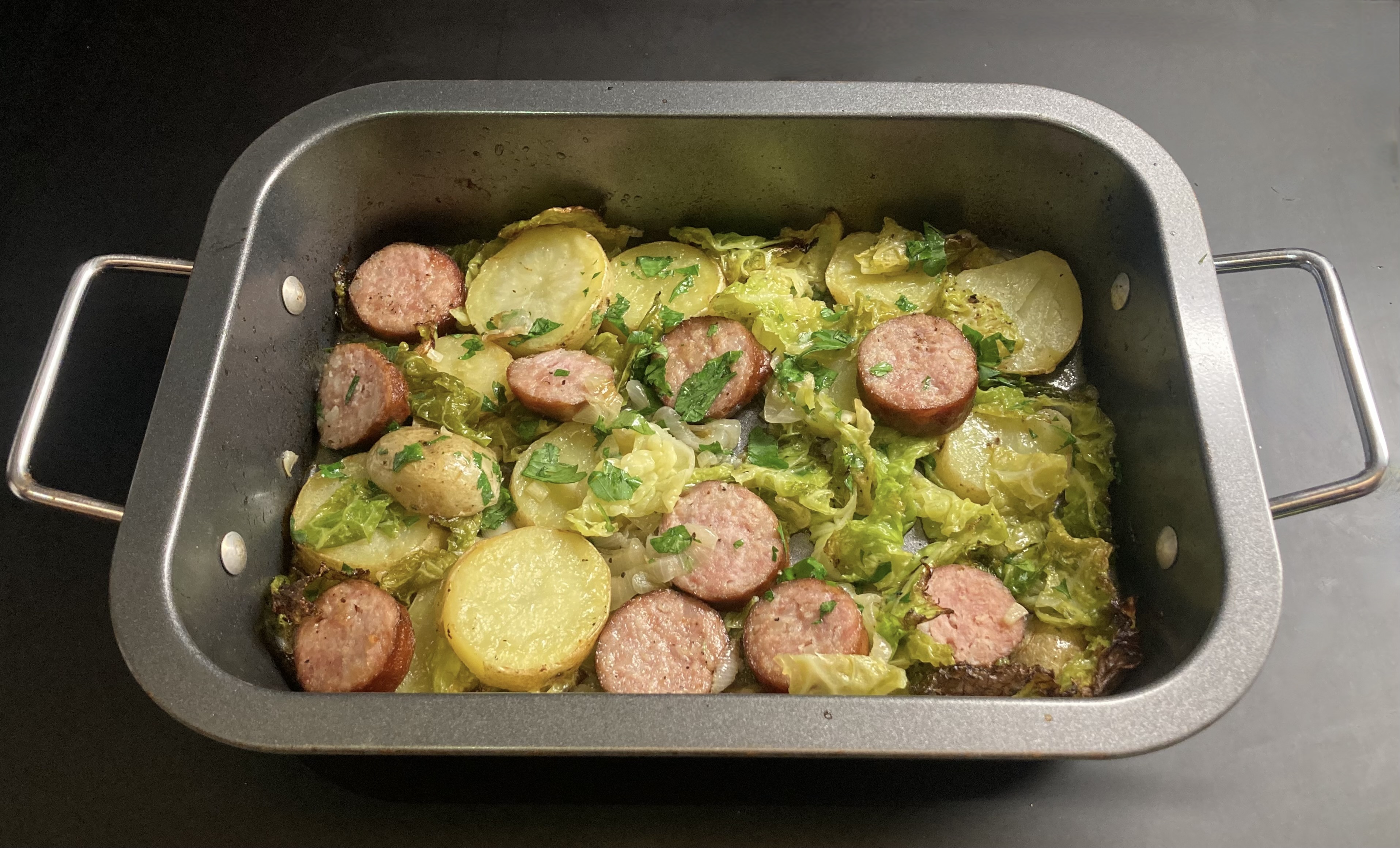
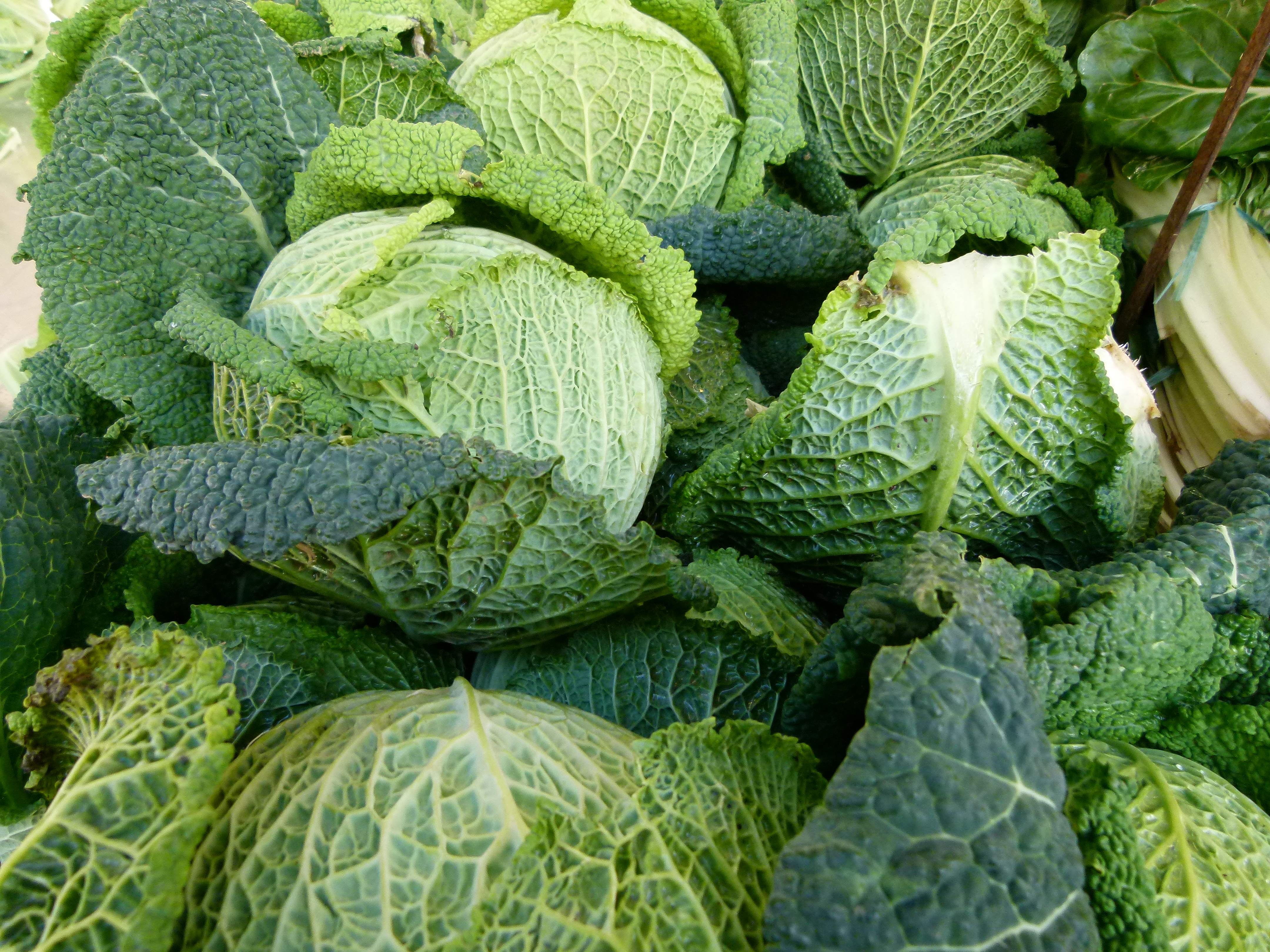
    This delicious dish with cabbage, sausage and potatoes looks a bit wintery but actually thanks to the taste and the texture of the Savoy Cabbage it’s uplifting and even a bit refreshing. The structure of the leaves is very firm, so we cook the leaves before adding them to the stew. The risk is, as with all cabbages, to overcook them, which will cause the typical nasty sulphur smell. The leaves can also be used to make a roulade, or a dolma shaped snack.

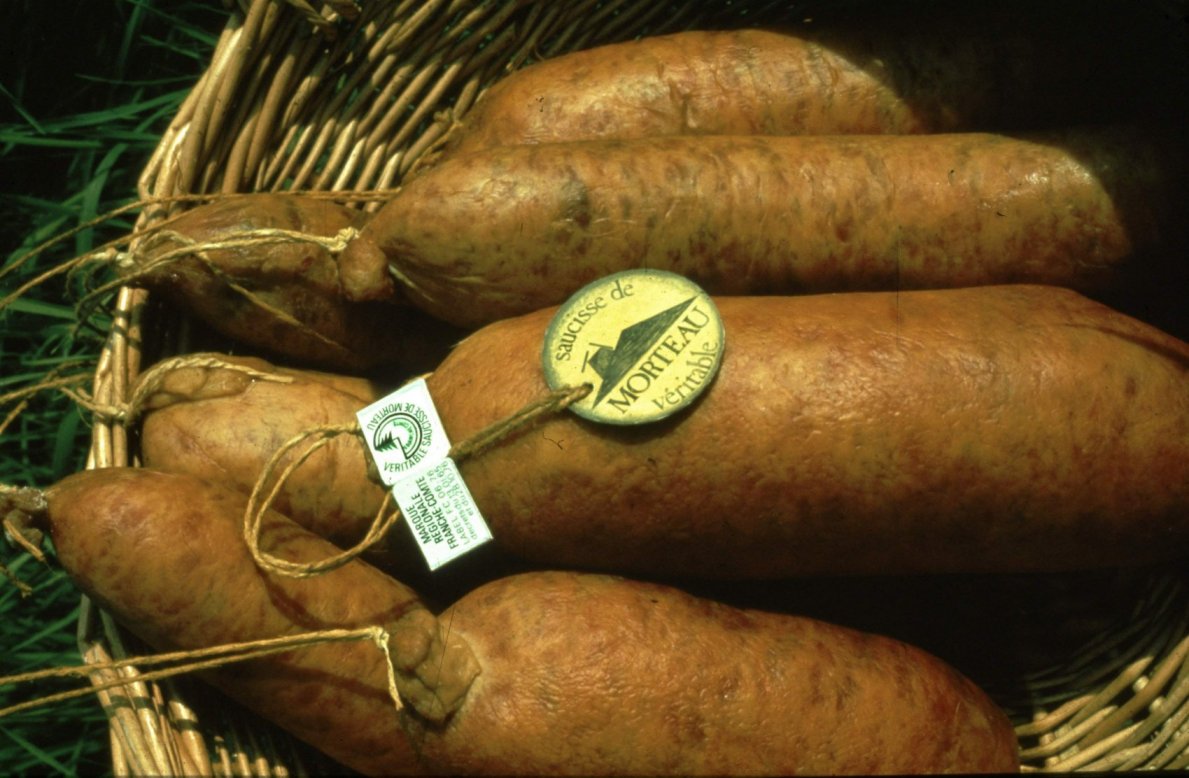
    We used Saucisse de Morteau which is a smoked sausage from the Franche-Comté region. In general, you’re looking for a smoked pork sausage. The Saucisse de Morteau is smoked for 48 hours so the taste is very present, which allows you to buy a small sausage. The main role in this dish is for the Savoy Cabbage!

    Drink Pairing

    A medium bodied red wine will be great, but we could also imagine enjoying it with a beer. The flavours are bold, so a not too complex beer or wine will be perfect.

    What You Need

    • One Onion
    • Two Garlic Cloves
    • Half a Savoy Cabbage
    • One Potato
    • One Smoked Sausage
    • Olive Oil
    • Parsley
    • Black Pepper

    What You Do

    Heat a pan with water. Wash the potato and cook until nearly ready. Use a potato that remains firm when cooked. We used Mona Lisa, a tasty, starchy all purpose potato. Remove the potato from the boiling water. Peel off the outer leaves of the cabbage and discard. Peal off the reaming leaves, remove the veins and cook for 3-5 minutes in hot water. Remove the leaves, cool with cold water and let dry. Add the sausage to the pan, 20 minutes in hot (not boiling) water should be fine. In parallel quarter the onion and fry in olive oil. After a few minutes add the chopped garlic. Now it’s time to combine all ingredient in an oven dish. Cover with aluminium foil. Set your oven to 160 °C or 320 °F and leave for 3*10 minutes . Toss gently after 10 minutes. Remove the aluminium foil and set your oven to 180 °C or 355 °F . Allow to cook for another 10 minutes. Add some chopped parsley and black pepper just before serving

    Mashua

    This edible, very productive plant (Tropaeolum Tuberosum ) is originally from the Andes. It grows very well in colder climates, it’s not very demanding and comes back year after year thanks to its tubers. Other names include Capucine TubéreuseKnollige Kapuzinerkresse en Knolcapucien.
    We saw Mashua Tubers in our local bio supermarket and we bought them, without having a clue how to prepare the tubers.

    The leaves are supposed to taste like Indian Cress (same family) and the deep orange-red trumpet flowers will do very well in a salad. The leaves can also be turned into pesto or prepared like spinach. The tubers (vibrant yellow with an intriguing purple pattern) are often used in stews and soups. They can be eaten raw in a salad, grated or thinly sliced. Not our favourite. The taste is radish like, but sharper and not very elegant.
    The taste and the texture of the cooked mashua tubers took us by surprise: delicate cocoa but not sweet, moist and with a pleasant structure thanks to the peel.

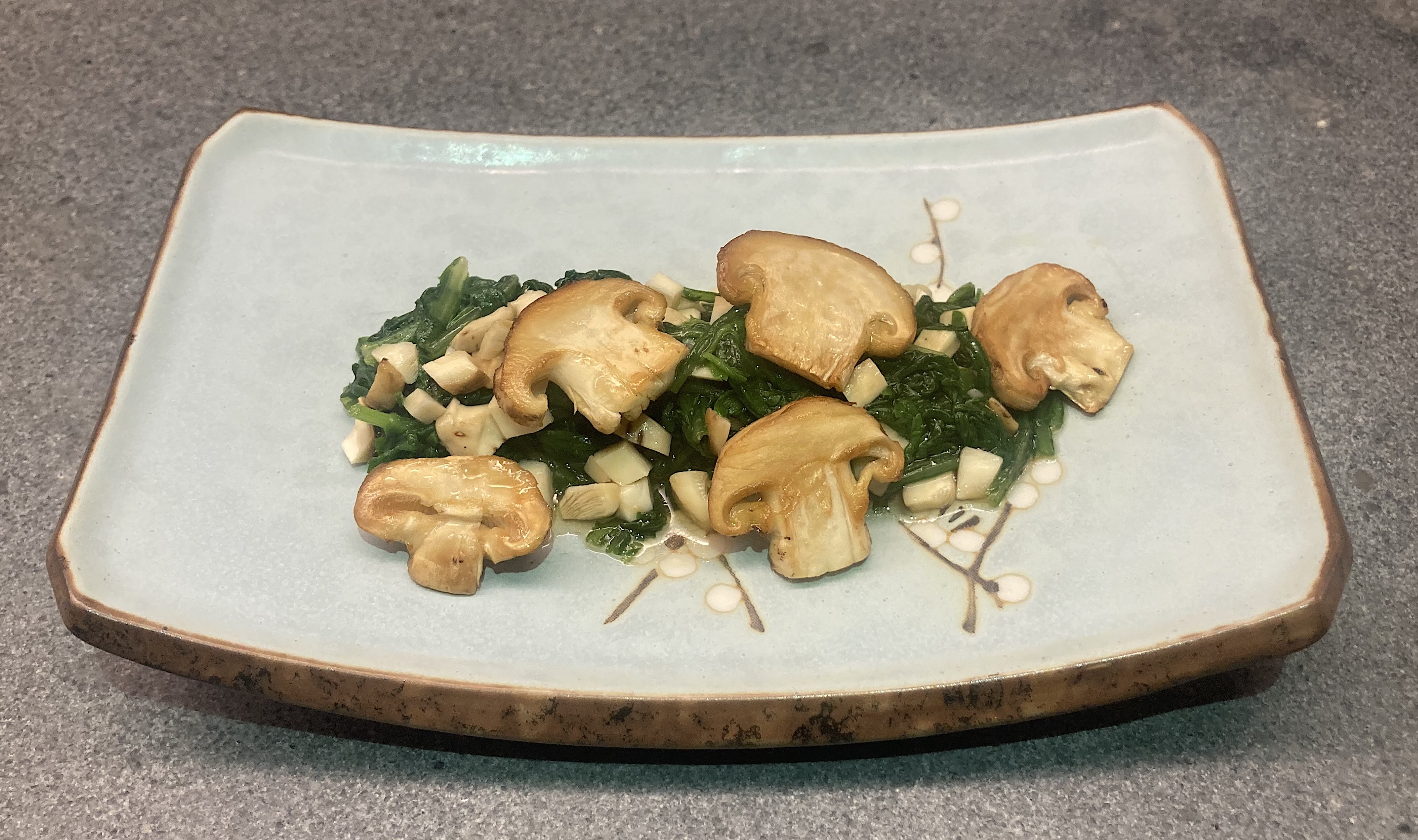
    We combined our Mashua with chicken and shiitake, a combination that worked very well, although we must admit we were a bit overwhelmed by the Mashua!

    Wine Pairing

    A medium bodied, fruity, non-oaked red wine will go very well with the Mashua. A glass of Merlot perhaps?

    What You Need

    • For the Mashua
      • 5 Mashua Tubers
      • Cumin
      • Shallot
      • Olive Oil
    • For the Chicken
      • 2 Organic Chicken Thighs
      • 50 grams of Shiitake
      • Olive Oil
      • Black Pepper

    What You Do

    Wash the mashua (don’t peel them) and cook for 5 minutes. Let cool. Slice the tubers lengthwise in two. Dry with kitchen paper. Peel the shallot, quarter and slice. Warm a small skillet. Add a generous amount of olive oil to the pan, glaze the shallot for a few minutes, add cumin (crushed seeds preferred) and then add the halved mashua. Leave for 30+ minutes until just a bit soft. Turn them occasionally to coat the roots with the flavours of the oil, the shallot and the cumin. No need to colour them. Add some extra cumin 5 minutes before serving.
    In parallel, fry the chicken thighs and transfer to the oven (60 °C or 140 °F). Clean and slice the shiitake, add to the pan and fry. Add the chicken, allow to integrate. Add black pepper to taste.

    • Mashua ©cadwu
    • Mashua Cooked ©cadwu

    Bitter Orange

    One of our favourite dishes is Duck Breast with Orange Sauce. Not difficult to make and the result is always tasty. Use a combination of fresh orange juice, thyme, rosemary, butter, Mandarine Napoléon, Cointreau, chicken stock and/or orange peel to make a tasty, not to sweet sauce. Mandarine Napoléon is preferred because it gives bitterness and depth to the sauce. The juicy meat, the sweetness of the duck and the orange, the nice aromas, the herbs and the velvety mouthfeel of the sauce make this an excellent combination.

    Last week we were lucky, very lucky when we spotted Orange Amère on our local market. Bitter Orange! Also known as Seville Orange, Bigarade Orange or Pomerans. Finally! The ideal ingredient to make Orange Curd, Marmalade and of course Orange Sauce.

    We bought a handful and as soon as we were at home, we wanted to taste it. The Bitter Orange does not contain much juice, their seize is similar to that of a clementine and the seeds are relatively big. The taste is sweet and gentle at first, and then you have bitterness, some astringency and length. Wow! We rushed to our butcher, bought an excellent magret de canard and later enjoyed a perfect Duck Breast with Orange Sauce.

    Bitter Oranges are normally available from late December until the end of February. Ask your greengrocer!

    Our suggestions: Duck Breast with Orange Sauce and Orange Curd.

    • Bitter Orange ©cadwu
    • Duck Breast with Bitter Orange Sauce ©cadwu