Maitake

Legend has it that maitake got its nickname The Dancing Mushroom because foragers danced with happiness when finding it. It still is a much loved culinary mushroom, with a very specific aroma, interesting texture and intense flavours.
Nowadays maitake can be wild or cultivated. Both are fine; we actually prefer the cultivated one because it’s milder. Make sure you cook maitake through and through, otherwise you may upset your stomach (and other parts of your body). 

Maitake combines very well with beef and thyme. It is also great when combined with shrimps, crab, scallops, coriander, dill and parsley; a salad created by Antonio Carluccio and published in 2003 in the Complete Mushroom Book. Our Maitake soup, made with dashi, ginger and rice, is a gentle soup, with some umami and bitterness. 

In this case we combine fried maitake with various other ingredients to create a well-balanced (vegetarian) meal.

Wine Pairing

A flavourful dish! Sweetness in the tomatoes, umami in the maitake, freshness in the mash et cetera. Wine wise you have lots of options. We preferred a not too complex pinot noir, because it’s supportive and combines very well with the various flavours.

What You Need

  • 200 grams of Maitake and Olive Oil
  • Parsley Root, Jerusalem Artichoke, Crème Fraîche, White Pepper and Nutmeg
  • Small Ripe Tomatoes, Thyme, Rosemary, Garlic and Olive Oil
  • Lentils, Shallot, Parsley, Vegetable Stock and Black Pepper
  • Celeriac, Butter, Caraway Seed, Fennel Seed and Black Pepper

What You Do

For the lentils: slice the shallot and gently fry it in olive oil. After a few minutes, add the washed lentils (check for pebbles!), coat them with oil, add vegetable stock and cook until ready. Perhaps 20 minutes. Drain but keep some of the liquid, add chopped parsley and black pepper.
For the tomato confit, see an earlier post.
For the mash: clean and chop 2 parsley roots and 1 Jerusalem artichoke. Cook for 10 minutes or so in water until nearly done. Drain. Add a generous spoonful of crème fraîche and warm on low heat for 10-20 minutes. The idea is for the vegetables to absorb some of the crème fraîche. Blender the mixture, pass through a sieve and serve with white pepper. A touch of freshly grated nutmeg will be great. If you like more color on your plate, then add some chopped parsley to the mash.
The celeriac is cooked in the oven with a coating of fennel and careway seed. The recipe from Dutch chef Yvette van Boven is available via YouTube. She combines it with a home-made citrus marmalade, but that’s not necessary for this dish. Use the YouTube settings if you want to have subtitles in your own language.
Slice the maitake and fry in olive oil until done and slightly crunchy.
Serve on a colourful plate.

Oden

A traditional Japanese dish, often enjoyed in winter. It is tasty, light and full of surprises. Oden is a meal that requires a bit more work (and of course time) then you would expect. It also requires some shopping, given some of the ingredients are not easy to find. We enjoyed our first Oden at the Taishunken restaurant in the famous Sankeien Garden in Yokohama. Loved it!
We are not from Japan so we humbly present our version of this classic. We hope it inspires you to cook Oden and enjoy it as much as we did.

Pairing

A cup of Japanese green tea is the obvious choice.
You could also combine your oden with a glass of Chardonnay (with a touch of oak perhaps), for instance if you serve it for dinner. Oden is rich in flavours, umami of course, but not spicy, so we would not suggest a Gewürztraminer or a Sauvignon Blanc.
A glass of cold, dry sake will also be great.

What You Need

  • For the Dashi
    • 1 litre of Water
    • 20 grams of Dashi Kombu (Rishiri Kombu)
    • 20 grams of Katsuobushi (Bonito Flakes)
  • For the Stew
    • One Daikon
    • One Pack of Konnyaku
    • 1 sheet of Hayani Kombu
    • Chikuwa Fish Cakes
    • One Pack of Gobo Maki Burdockroot Fish Cakes
    • 2 boiled eggs
    • Abura Age Fried Tofu
    • Mochi (Sticky Rice Cake)
    • Soy Sauce (preferably one with less salt)
    • Mirin
  • Karashi
  • Rice with ginger

What You Do

First step is to peel the daikon and slice it (2 centimeters is best). Now use a sharp knife to plane of the edge of the daikon. This improves the presentation, and it is supposed to stop the daikon from falling apart. Cook the daikon for one hour in water. Drain and set aside.
In parallel: cut the konnyaku in triangles and cook these in water for 15 minutes. Konnyaku is made from the konjac plant and is specific for the Japanese cuisine.
Also in parallel: cook the sheet of Hayani Kombu for 5 minutes. This is young kombu and edible, different for the one you use when preparing dashi. Let cool a bit, slice and knot ribbons. Not sure why but is looks great when you serve it. (Yes, well spotted, it’s not in the picture; unfortunately, we couldn’t find Hayani when we prepared our oden.)
Make 1 litre of dashi. This seems simple but requires precision. Clean the kombu with a wet cloth and put into one litre of cold water. Gently raise the temperature to 80 °C or 175 °F. Remove and discard the kombu. Bring the liquid to a boil, add the katsuobushi, bring to a boil and immediately set heat to zero. Wait 5 minutes or so. The katsuobushi will sink to the bottom of the pan. Now very gently pass the liquid through a wet towel or a sieve. Do not squeeze, just give it time. The result will be a great, clean dashi.

Now it’s time to add the dashi to the pan (should be a clay pot, but we stick to our Le Creuset), add one tablespoon of mirin, one (or two, depending on your taste) of light soy sauce, add the daikon, the konnyaku, the chikuwa fish cakes and the gobo maki burdockroot fish cakes.
Allow to simmer for at least 2 hours. 30 minutes before serving add boiled eggs, two Hayani ribbons, fried tofu and mochi. The last two ingredients must be combined by putting the mochi into the tofu.
Serve with karashi (Japanese mustard, which is different from wasabi by the way) on the side.

  • Oden ©cadwu
  • Oden with names of Ingredients ©cadwu

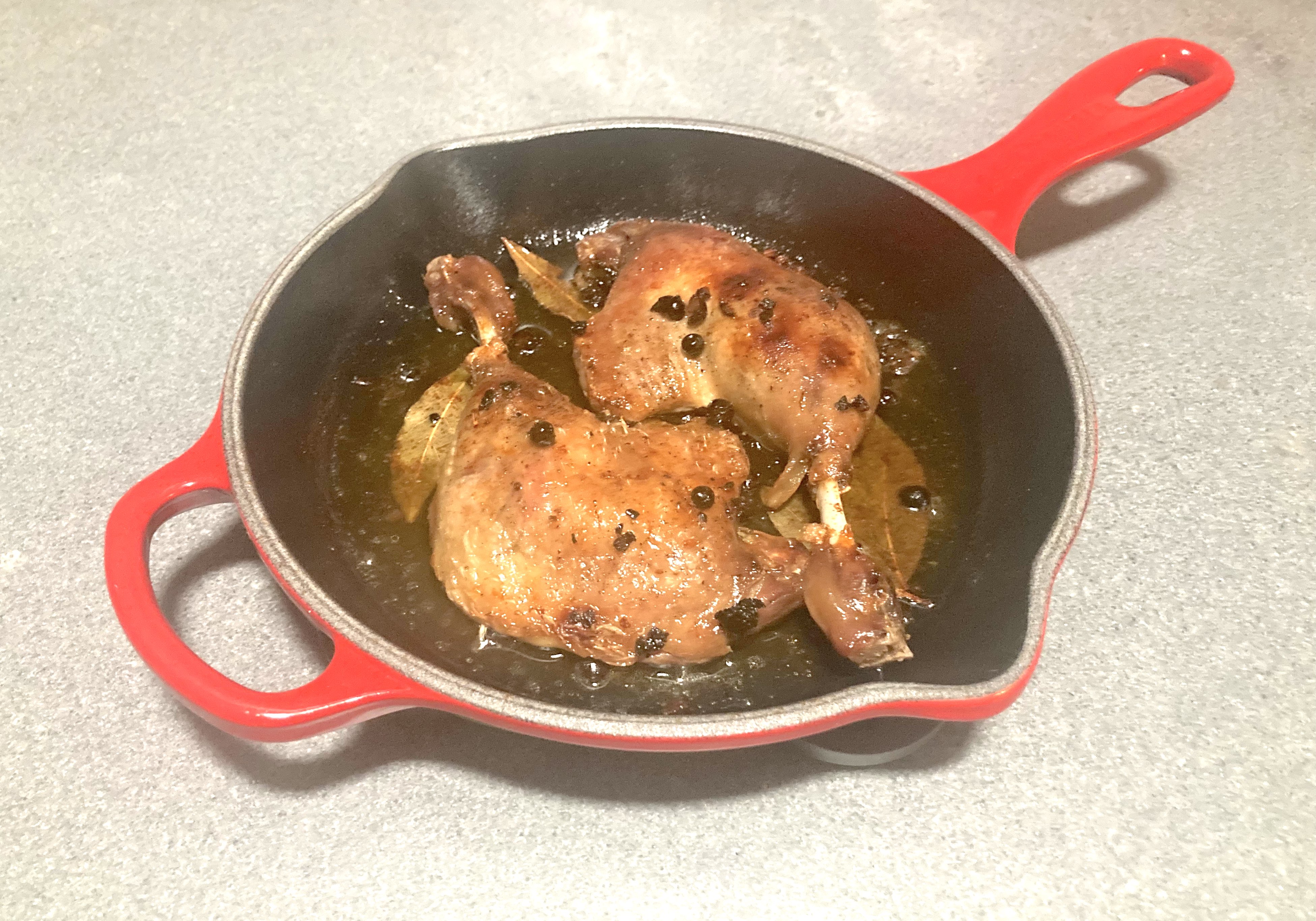
Confit of Duck: a home made alternative

The traditional way of making Confit of Duck is not complex. It’s a bit time consuming and it requires some planning, that’s all. The principle is to cure the meat in salt with various herbs (thyme, cumin, rosemary) and garlic. After 24 hours or so the duck is washed with water, patted dry and then slow cooked in goose or duck fat for several hours. When ready cool and store in fat.

We take a different approach by slow cooking the duck legs in olive oil. The result is remarkable: juicy, full of flavours and aromas, provided you use first class duck (label rouge for instance). If not, the meat can become dry and tough. Another benefit: we don’t cure the meat so it’s not salty at all.
We serve the confit with celeriac mash. It’s light, nutty and refreshing compared to a mash made with potatoes.

Wine Pairing

Best choice is a full bodied, red wine with ripe fruit and smoothness. We decided to open a bottle of Herdade de São Miguel Colheita Seleccionada 2020 as produced by Casa Relvas. Such a pleasure! Its colour is deep ruby and the aromas made us think of ripe black fruit and dark cherries with some spiciness. The wine is well balanced with a nice structure and smooth tannins. Works very well with the juicy duck and the mash with its creamy texture and lemonish, celery flavours.

What You Need

  • For the Confit
    • 2 Duck Legs
    • Juniper berries
    • 4 Bay Leaves
    • Olive Oil
    • (optional) Garlic
  • For the Celeriac Mash
    • 1 Celeriac
    • Slice of Lemon
    • Cream
    • White Pepper
    • Nutmeg

Confit

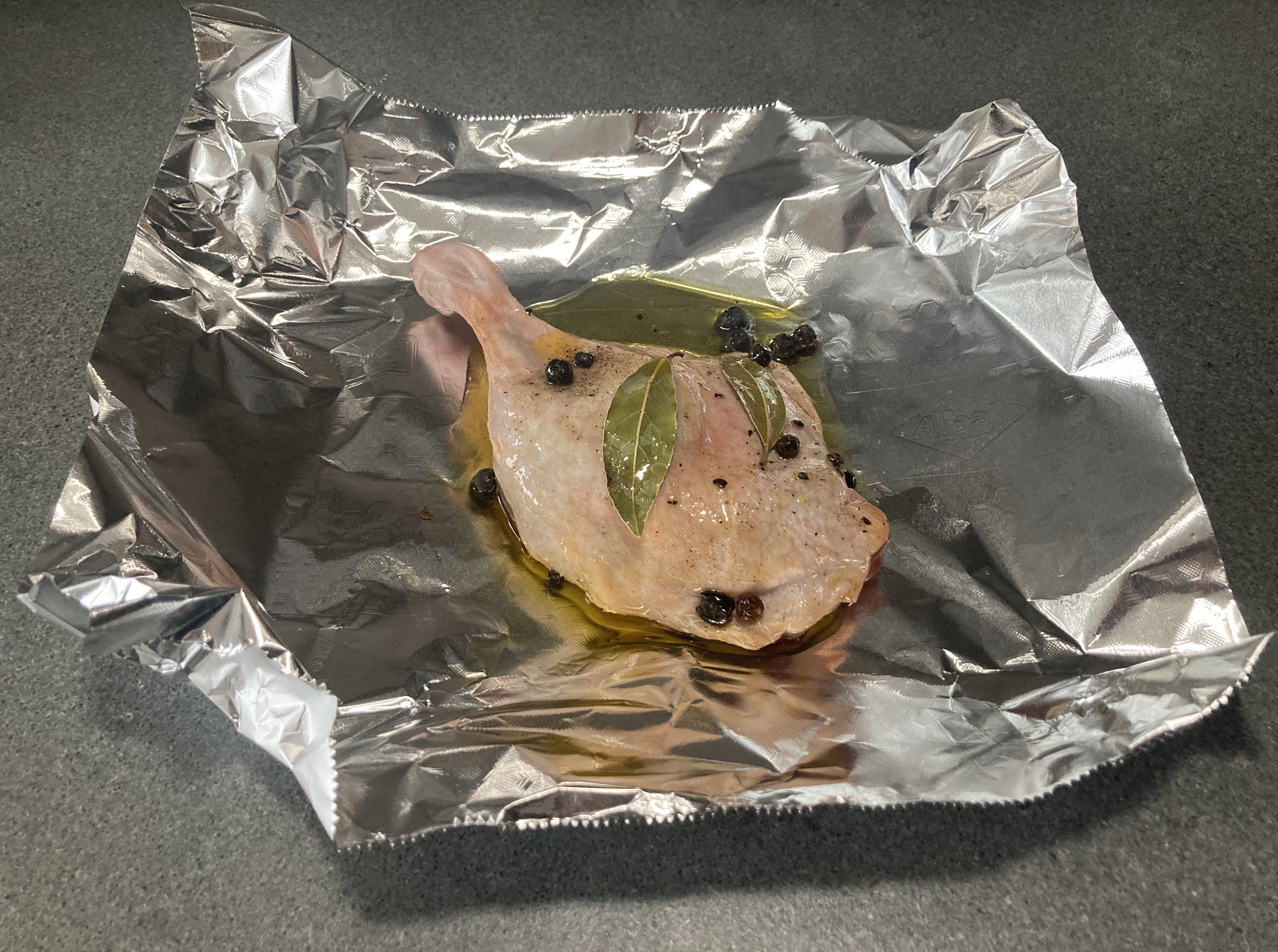
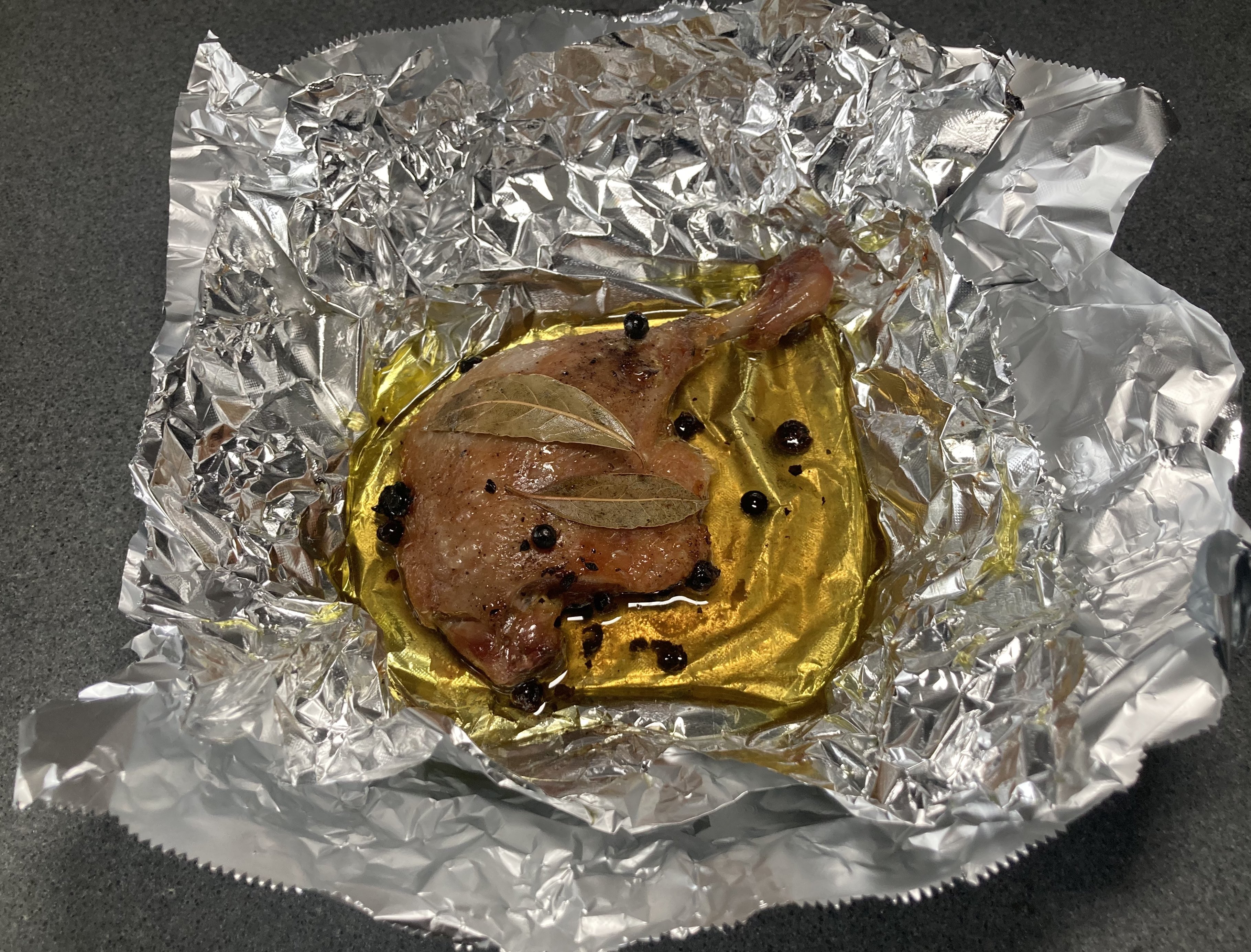
Take a sheet of aluminium foil and place the leg in the middle. Add lightly crushed juniper berries and two bay leaves. Perhaps some crushed garlic. Add a generous amount of olive oil and make sure everything is covered. Wrap foil around the duck. Take a second sheet of foil and wrap it around the package, making sure it’s closed. Repeat with the second leg. Transfer both packages to an oven at 120 °C or 240 °F. After one hour reduce the heat to 100 °C or 210 °F. After in total 4 to 5 hours, depending on the size of the legs, remove the legs from the oven, open the package and let cool. Then transfer to the refrigerator for use later on.

Heat the oven to 200 °C or 390 °F. Put the legs in an iron skillet, transfer to the oven and 15-20 minutes later the legs are ready. If the skin is not yet crispy, use the grill for 2 or 3 minutes.
Another idea is to pull the meat and use it to top a salad.

Mash

The Celeriac Mash: clean and dice the celeriac. Cook in minimum water with a nice slice of lemon until nearly done. Remove the lemon and drain. Add cream. Put on low heat for a few minutes; the celeriac should absorb the cream. When the celeriac is done, use a blender to create the puree. Pass through a sieve. Perhaps add extra lemon or cream. Just before serving add white pepper. Serve with freshly grated nutmeg.

Belgian Endive with Cheese Sauce and Ham

When asked for a typical Flemish dish, award winning chef Jeroen Meus immediately mentioned Belgian Endive with Cheese Sauce and Ham.
At home we found the recipe in my mother’s kookschrift, a notebook with recipes she learned as a young woman. She would cook the dish often, typically on a Sunday evening, and serve it with mashed potatoes. Her recipe is fairly straightforward: wash and clean the Belgian endive and cook it for 30 minutes (the recipe is from 1950!) in salted water. Then make a béchamel sauce, add cheese, wrap the endive in ham, spoon the sauce over the vegetables, add butter and breadcrumbs and transfer the combination to the oven for 15-20 minutes. Done!

Actually, her recipe is not very different from how Jeroen Meus prepares the dish. He doesn’t use breadcrumbs and he adds nutmeg and a splash of lemon to the sauce. He suggests steaming or braising the endive.

Most recipes mention removing the bitter core of the Belgian endive. Perhaps that was necessary in 1950, but today’s Belgian endive is not as bitter, so there is no need to do that. Belgian endive must have some bitterness.

Wine Pairing

Enjoy your Belgian Endive with a nice glass of red wine, one with a bite and not too complex. For instance a blend of Cabernet Sauvignon and Syrah from France, a Carmenère from Chili or a Spanish Rioja (Crianza or Joven). 

What You Need

  • For the Endive
    • 4 Belgian Endive
    • 4 slices of Excellent Organic Cooked Ham
    • For the Cheese Sauce
      • 20 grams of Flour
      • 20 grams of Butter
      • Milk
      • 75 grams of grated Cheese (preferably a combination of Gruyère and Emmentaler)
      • optional: one Egg Yolk
    • Nutmeg
    • White pepper
  • For the Mash
    • Root Parsley
    • Parsnip
    • Nutmeg
    • Fresh Parsley
    • White Pepper

What You Do

  1. Chop the bottom of the base of the endive and remove the outer leaves if they don’t look great
  2. Steam the endive or braise in butter. We prefer braising in butter, which may take 30 minutes on low heat. This way you keep all the flavors and the texture. If steamed: make sure you squeeze the endives gently to get rid of the water excess
  3. Make the cheese sauce with flour, butter and milk, adding most of the grated cheese when the béchamel is ready
  4. Add grated nutmeg and white pepper to taste
  5. You could turn it into a classic Sauce Mornay by adding one egg yolk to the sauce
  6. Preheat the oven (200°C or 390 °F). Wrap a piece of ham around each endive and arrange in a shallow baking dish. You don’t want any space between the endive
  7. Spoon the sauce over the endive
  8. Sprinkle remainder of the cheese over the sauce
  9. Bake until golden brown on top, 15 to 25 minutes
  10. We prefer using the grill

For the Mash

  1. Clean and dice the root parsley and the parsnip (ratio 1:1)
  2. Cook quickly in a limited amount of water
  3. When ready, drain and mash using a blender
  4. Add nutmeg and white pepper
  5. Just before serving add lots of finely chopped fresh parsley.

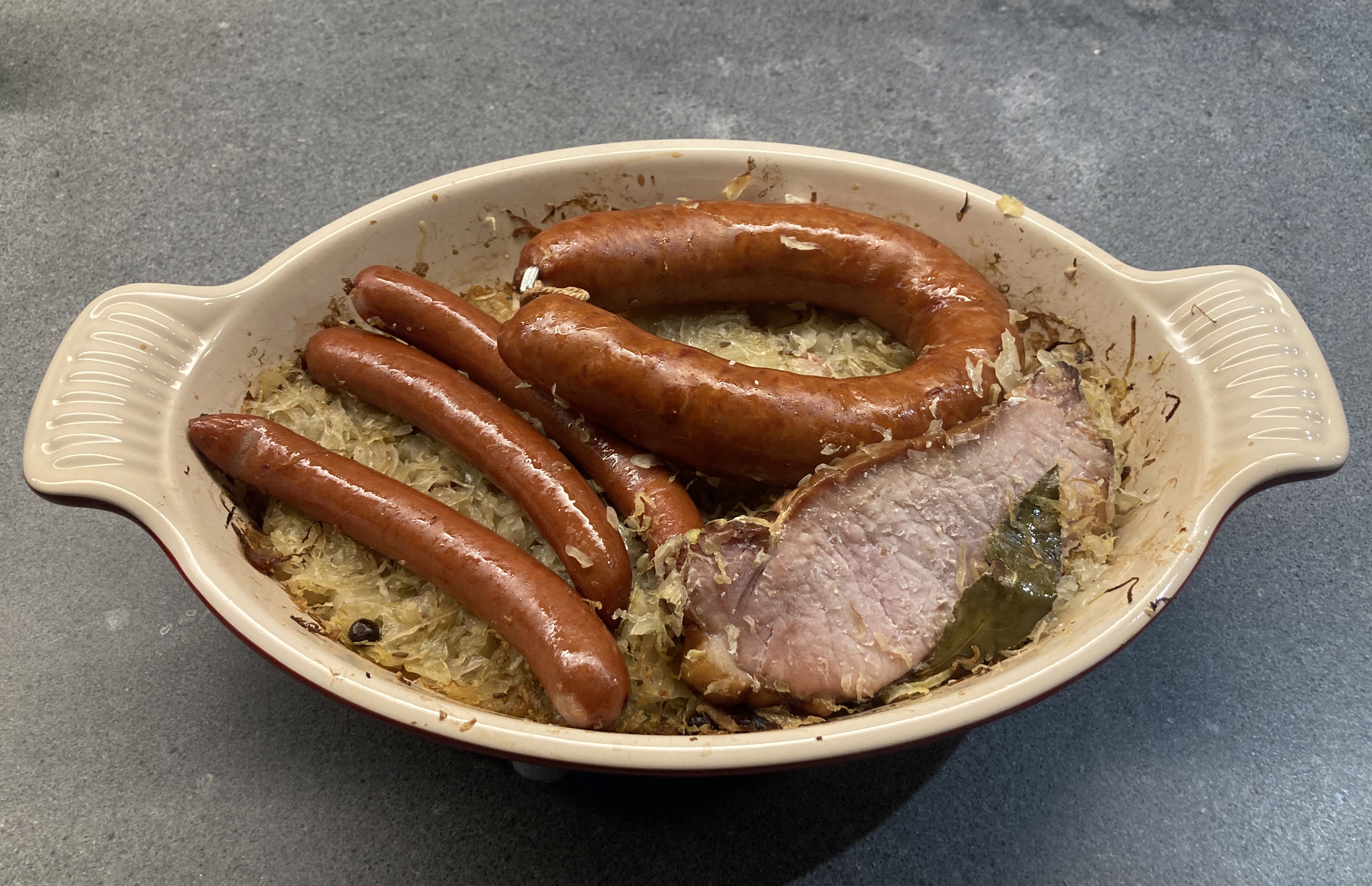
Choucroute

A classic choucroute is a tribute to winter food. You could go for a rich version with confit de canard or pheasant (Choucroute d’Alsa­ce) or for an unexpected combination with fish (Choucroute de la Mer). We decided to make a simple but very tasty version with pork sausages, bacon and pork meat.
The choucroute is moist and soft, the meat comes with some nice fat and a light smoky aroma, the juniper berries are full of flavours. Ah, it makes you love winter.
Preparing choucroute can be done in various ways, including cooking in water. We prefer the slow approach in an oven at 80° Celsius or 175° Fahrenheit during four to six hours.

Some add goose fat to the choucroute to enhance the taste, but that’s too much for us. We actually prefer a light version of the vegetable, allowing the meat to bring fat to the dish and a velvety mouthfeel.

Wine Pairing

The obvious choice is probably a white wine from the Alsace region in France. Which is exactly what we did. We were looking for a refreshing, round white wine and decided to drink a glass of Pinot Gris as produced by Cave de Beblenheim. Perfect with the present flavours of the choucroute.

What You Need

  • 400 grams of Sauerkraut
  • One Shallot
  • Juniper Berries
  • Caraway seed
  • 4 strips of Bacon or Pancetta
  • Dry White Wine
  • Olive Oil
  • Two Bay Leaves
  • Various Sausages and Pork Meat (all organic)
  • Dijon Mustard
  • Optional: a mash made with Parsnip and Parsley Root

What You Do

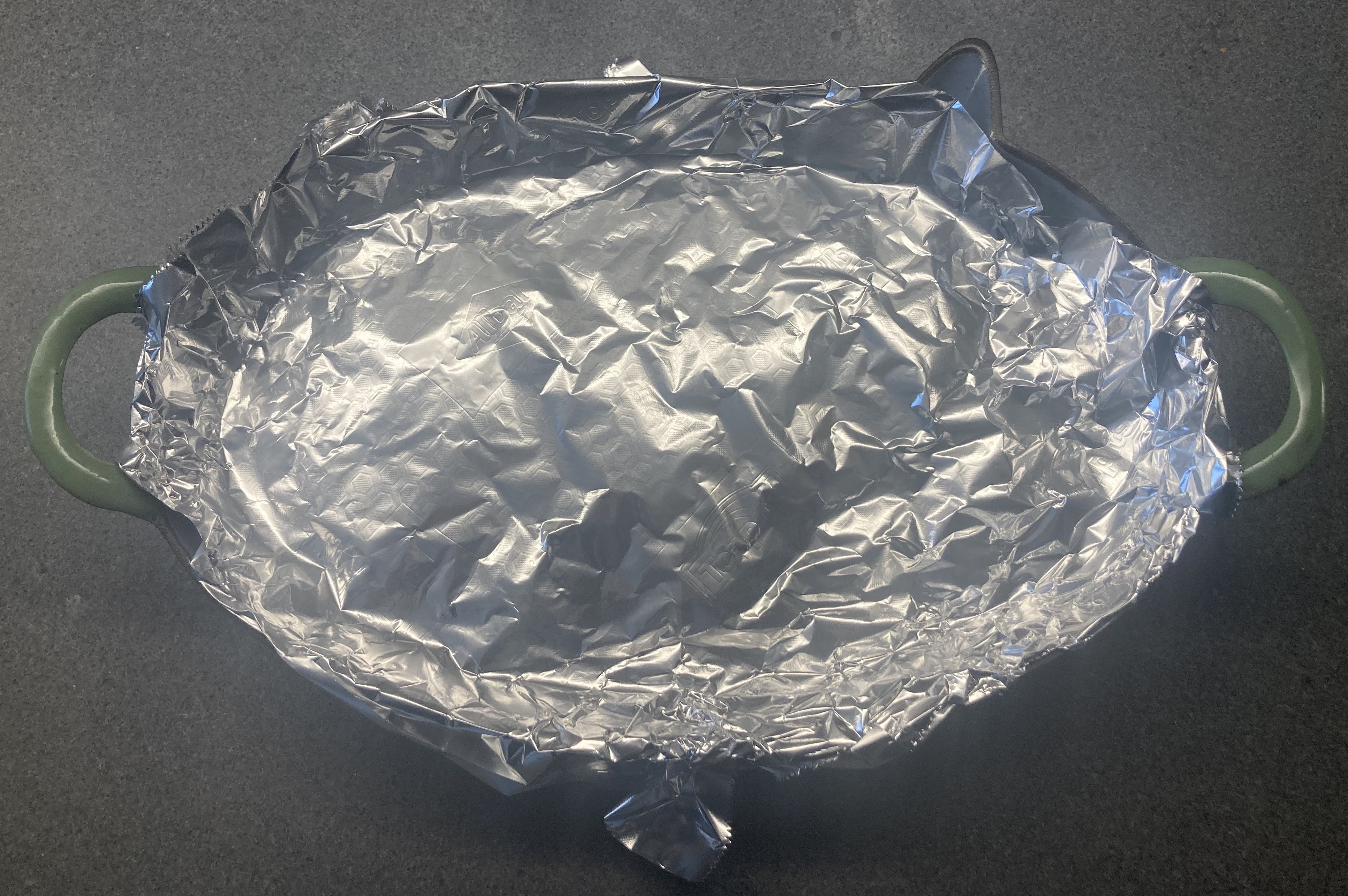
Taste the sauerkraut. If too much acidity, then squeeze and remove some of the liquid. Peel and slice the shallot. Crush the juniper berries and the caraway seed lightly. Slice the strips of bacon or pancetta in 6 or 8. Combine the sauerkraut with the shallot, the caraway seed, the berries and the bacon. Add some white wine, a splash of olive oil and two bay leaves. Transfer the mix to a heavy (iron) oven dish. Put some aluminium foil on top of it, making sure you press it on the sauerkraut (as if it’s a cartouche). Leave for 4 – 6 hours in the oven on 80° Celsius or 175° Fahrenheit. Check the choucroute every hour to make sure it’s sufficiently moist. Also move the slightly browned choucroute at the edge to the centre of the dish. One or two hours before serving add the meat to the dish. Serve with some Dijon mustard.

Coq au Vin

One of our favourites for a grey, wintery evening. Warm, rich and full of flavours.
Let’s first talk about the chicken: we prefer using chicken thighs, organic, obviously. Great texture, layered and a bit of fat. You could also use chicken legs, but then we suggest removing the main bone; you don’t want to struggle while eating.

The second main ingredient is the red wine. A classic Coq au Vin is made with Bourgogne, a relatively expensive red wine from France made from Pinot Noir grapes. According to some people the wine you use for the stew must be the same that accompanies the dish. Which would mean that part of your beautiful Bourgogne ends up in the stew. Hm. We think that the background of this ‘rule’ is about the quality of the wine you use for the stew: it must be a nice, dry, red wine; one you would be perfectly happy to drink. So not some left over red wine, or a wine you didn’t like. A perfect stew requires quality ingredients, that’s all.

The third main ingredient is the pearl onion, that lovely small, silver onion. Great to pickle, but for a Coq au Vin you need fresh ones.

Wine Pairing

We enjoyed our Coq au Vin with a glass of Révélation Pays d’Oc Syrah-Viognier produced by Badet Clément. It’s a full-bodied wine with flavours of blackberry and spices. Touch of oak as well. The 15% Viognier gives the wine a nice, light touch. Great wine for a very reasonable price.

What You Need

  • 2 Chicken Thighs
  • 4 strips of Pancetta or Bacon
  • 14 Pearl Onions
  • 100 grams Mushrooms
  • 2 Garlic Gloves
  • Chicken Stock
  • Red Wine
  • Water
  • Bouquet Garni (Bay Leaf, Parsley, Thyme, Rosemary)
  • Black Pepper
  • Chopped Parsley
  • Olive Oil
  • Snow Peas (Mangetout)
  • Nutmeg

What You Do

Clean and quarter the mushroom, slice the strips of pancetta or bacon in four, peel the onions, slice the thighs in two or three, peel the garlic and chop. Add olive oil to a warm heavy pan. Begin by frying the pancetta or bacon until crispy. Remove from the pan and let drain on kitchen paper. Add (whole) pearl onions to the pan and fry until golden. Remove from the pan and let drain on kitchen paper. Add mushrooms to the pan and fry until golden. Remove from the pan and let drain on kitchen paper. Add chicken thighs to the pan and fry until golden. When golden add the garlic and fry for 3 minutes on medium heat. Add pancetta, mushrooms and onions to the pan. Add chicken stock, red wine and perhaps some water. The chicken should be nearly covered. Add bouquet garni and leave to simmer on low heat for 30-45 minutes, depending on the size of the chicken. 

Remove chicken, mushroom, pancetta, garlic and bouquet garni from the pan. Discard the bouquet. Return one or two mushroom to the liquid. Transfer the remaining ingredients to an oven at 60 °C or 140 °F. Blender the liquid for one minute. Reduce the liquid until it has reached the right consistency. The fun is that a liquid thickened with blended mushrooms doesn’t split. Return the ingredients to the sauce and boil the snow peas. Combine the coq au vin with the parsley, add some black pepper. Steam or quickly cook the peas, coat with excellent olive oil and add some freshly grated nutmeg.

Coq Au Vin ©cadwu
Coq Au Vin ©cadwu

Roulade of Turkey with Mushrooms and Chestnuts

We love to eat this very tasty, juicy, rich combination during winter. We use meat from the leg of the turkey (the thigh) because it has lots of flavours and a great texture.
You could of course make your own chestnut butter, crème or spread; we prefer using Clément Faugier’s Chestnut Spread. It’s nutty, sweet (but not too sweet) and earthy.

Wine Pairing

A medium bodied, red wine will be a great accompaniment of the roulade. In general you’re looking for a red wine with aromas of black fruit, floral notes and delicate wood. The tannins should be soft or well-integrated. We enjoyed a glass of Spätburgunder (Pinot Noir) as produced by Von der Mark-Walter. The winery is located in Baden, Germany, at the foothills of the Black Forest.

What You Need (Filling)

  • Shallot
  • Olive Oil
  • 150 grams of Mushrooms
  • Thyme
  • Chestnut Spread
  • Black Pepper

Chop the shallot and glaze in a pan with olive oil for 5 minutes. Clean the mushrooms and cut into smaller chunks. Add the mushrooms and allow to simmer for 10 minutes. Add a generous amount of thyme. Transfer from the pan and allow to cool. Once lukewarm, use a kitchen knife to create a lovely duxelles. Add a teaspoon of chestnut spread. Taste and adjust by adding more chestnut spread and black pepper.

What You Need (Roulade)

  • One Turkey Thigh
  • Pancetta or Bacon
  • Filling
  • Kitchen twine and needle
  • Butter
  • Olive Oil
  • Cream
  • Black Pepper
  • Brussels Sprouts
  • Nutmeg

Remove the bone (if any) and ‘unfold’ the meat by slicing the thicker part, making it longer. Make a strip of pancetta from left to right, without covering the lower and upper part of the meat. Put the filling on top of the strip and then spread it out, making sure the top and bottom remain not covered. Put 4 or 6 strings of kitchen twine underneath the roulade and start rolling. Not too tight. Use one longer string of kitchen twine to close the sides (so the two strings are at right angles to each other). You may need a needle to close the roulade. Wrap the roulade in plastic foil and keep in the refrigerator.
Ready to cook? Fry the roulade in lots of butter and olive oil to give it a nice colour and then transfer it to the oven at 160 ˚C or 320 ˚F. It’s ready when the centre has reached a temperature of 70 ˚C or 160 ˚F. Transfer from the oven and wrap in aluminium foil. Leave to rest for 15 minutes.
Add some chicken stock to the pan and deglaze. Transfer to the blender and create a smooth, thick sauce. Transfer back to the pan and leave on low heat. Add some cream, taste and leave for 10 minutes or so. In the mean time steam the Brussels sprouts. When ready coat with some olive oil.
Serve two or three slices of turkey roulade per person with the sauce and some Brussels sprouts. A touch of black pepper on the turkey and some fresh nutmeg on the sprouts.

Season’s Greetings

Perhaps you’re looking for some extra inspiration menu-wise for the Holiday Season? Let us help you with a few suggestions.

Apéretif

It’s of course great to serve a glass of Champagne, but why not start with a glass of Crémant de Bourgogne or Alsace? Or a Spanish Cava? The fun is that you can buy a slightly more expensive Crémant or Cava and enjoy a refined sparkling wine. Serve with Terrine de Foie Gras on toast or with a small prawn cocktail, served in a peeled tomato.

Starter

Scallops with fluffy cauliflower purée is a wonderful combination of flavours. The practical advantage is that you can prepare the purée a day ahead and grilling the pancetta is also something you can do in advance. Serve with a glass of Sauvignon Blanc. Dry, some acidity, touch of fruit.

Main Course

Canard à l’Orange, served with steamed Brussels sprouts and potatoes fried in butter: a dish that supports the festive character of your evening: sweetness, a touch of bitterness and crispy, rich potatoes. Enjoy with a beautiful Bordeaux. In general you’re looking for a powerful red wine, with aromas of berries and a touch of oak. The flavour must be round and long with subtle tannins.

Cheese

We tend to go for the classic combination of Stilton and Port. Spend some money and buy a Late Bottled Vintage Port.

Dessert

Continue the British tradition and enjoy a slice of Christmas Pudding with a coffee and a glass of Cognac or Calvados. No need to serve the pudding with brandy butter.

Season’s Greetings 2021 ©cadwu

Sauce Provençale

Based on one of the leading (mother) sauces this is a quick, tasty and uplifting sauce with olives, capers and Herbes de Provence. The success of this sauce depends on the use of the intense, flavorful classic tomato sauce. Sauce Provençal has a good structure and comes with a variety of flavors, making it very much an accompaniment for grilled chicken or fish. If you use modern tomato sauce, then the result will be nice, but not as spectacular.

Herbes de Provence is a mixture of dried herbs such as oregano, thyme, rosemary, savory and perhaps sage and lavender. Feel free to create your own mixture. If you buy a ready-made mixture, make sure it has character, aromas and structure.

What You Need

  • Classic Tomato Sauce
  • One shallot
  • Two Tomatoes
  • One Glove of Garlic
  • Teaspoon of Herbes de Provence
  • Capers
  • Black Olives
  • Olive Oil
  • Black Pepper

What You Do

Peel the tomatoes, remove the seeds and cut in small cubes. Finely chop the shallot. Wash and drain the capers. Crush the garlic and slice the olives in two. Heat a heavy iron skillet and gently glaze the shallot. Add tomatoes, garlic and herbes de Provence. Leave on low heat for 5 minutes. Now add the classic tomato sauce, the capers and the olives. Leave for 5-10 minutes. Stir the mixture gently. You want to keep the structure of the tomatoes. Taste and perhaps add some black pepper.

Sauce Provençal with Grilled Chicken ©cadwu

Himmel Und Erde

It’s not often that we write about German cuisine. Actually, we never do. But with the wintery weather it’s time to visit the Bürgerliche KücheHimmel und Erde is a dish you would typically order when you’re at a local German Brewery, enjoying a beer of course. It combines potatoes and onions (Erde) with apples (Himmel), black pudding, bacon and butter. That may sound simple, but actually it’s a bit more work than you would expect. The flavours combine surprisingly well.

The trick is to use two kinds of apples. A sour one that will break down and can easily be combined with the mashed potatoes and a sweet one that will add character to the dish. Without the small chunks of sweet apple the mash becomes bland. Adding strips of fried bacon makes the mash even more tasty.

Drink Pairing

A slightly bitter beer is an excellent choice, but you could also go for a Spätburgunder (Pinot Noir). You’re looking for a medium bodied red wine, with lots of fruit and perhaps a touch of oak.

What You Need

  • Black Pudding or Boudin Noir
  • Mash
    • 1 medium sized Crumbly Potato
    • 1 large, Sweet Apple
    • 1 large, Sour Apple
    • Butter
    • Nutmeg
    • Black Pepper
    • Pinch of Salt
    • Bacon
    • More Butter
  • 1 large Onion
  • Olive Oil

What You Do

Start by peeling the onions. Quarter and slice. Add olive oil to a heavy iron skillet on medium to low heat and fry the onions until brown. This may take a few hours. Take your time for the best result! When the onions are ready it’s time to prepare the other four elements of the dish, all in parallel. Peel and dice the potato and the apples. Cook separately. When the potato is ready, add a generous amount of butter and a pinch of salt. Mash with a fork. Cook the apples with a limited amount of water until the sour one is completely soft. Stir with a spoon. Fry the black pudding until done. Grill the bacon until crispy. Slice the grilled bacon in smaller bits, let’s say 1 cm. Heat the onions to make sure they are a bit crispy. Now it’s time to assemble the dish. Combine potatoes and apples with some extra butter. Be generous! Add some black pepper and freshly grated nutmeg. Taste and when okay, add the grilled bacon. Serve on a hot plate with the fried onions and the black pudding.

Himmel und Erde ©cadwu