Saffron Milk Cap with Octopus and Tomatoes

Saffron Milk Cap with Chorizo and roasted Bell Pepper is one of our favourites. More recently we followed a recipe by Antonio Carluccio for a combination with Halibut. Another great combination. They can also be combined with Squid, with gamba and with Potatoes and Eggplant.
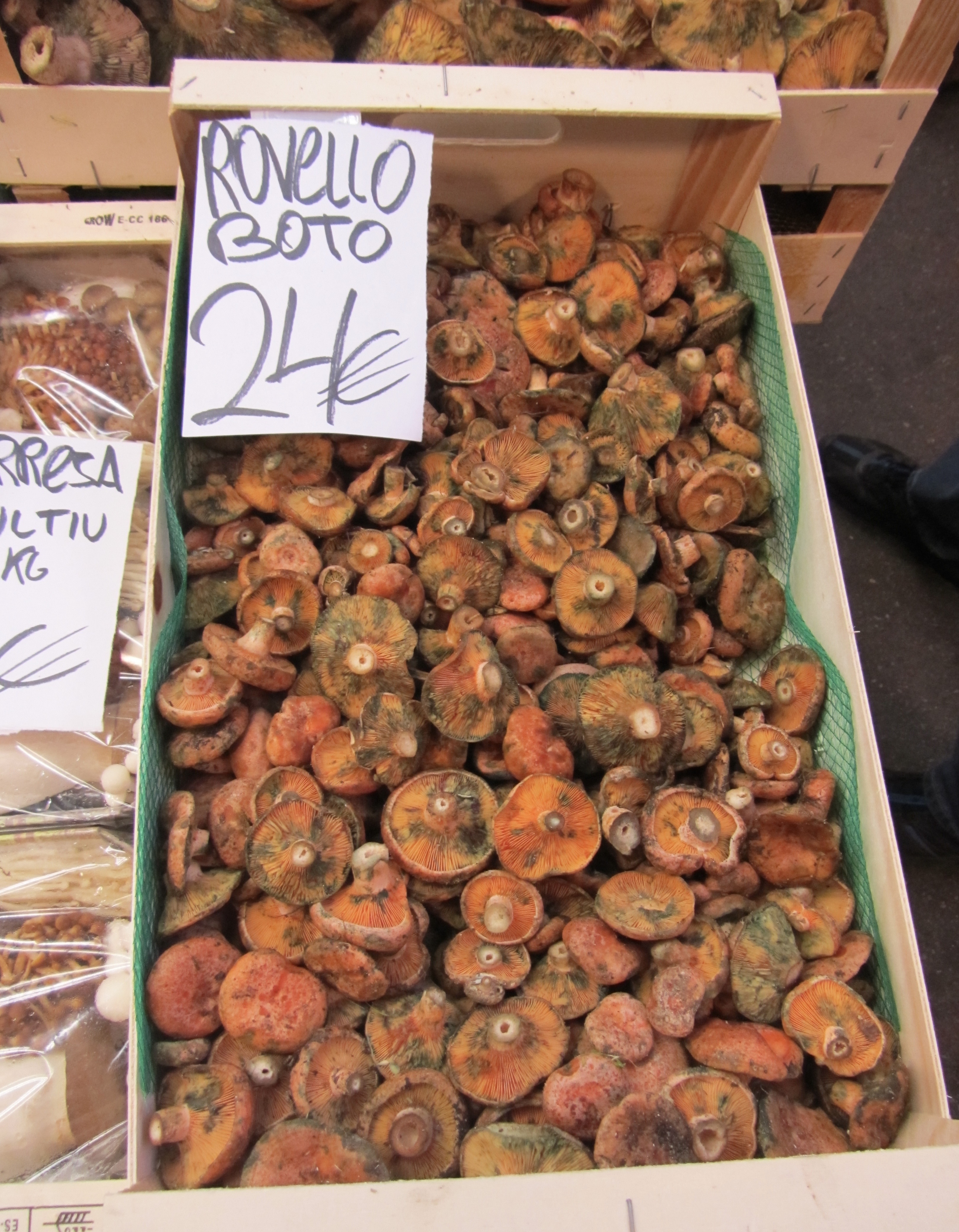
Saffron Milk Caps (Rovelló de Botó) are very popular in Spain. The picture below shows fresh Saffron Milk Caps on the Mercado Central in Valencia. Thinking about Spain we came up with the idea of combining the mushroom with octopus.

Wine Pairing

We opened a bottle of Domaine Font-Mars Picpoul de Pinet. Picpoul de Pinet (Son terroir c’est la mer) is a white wine from the South of France between Narbonne and Montpellier. The terroir (think calcareous soil) is influenced by the sea, which is reflected in the mineral taste of the wine. The story is that Picpoul could be read as pique poul which translates into something like ‘stings the lip’; a nice reflection of the high acidity of the grapes. This acidity guarantees a refreshing white wine, which is exceptional given the warm climate. The wine is bright yellow with a very subtle touch of green. It’s aromatic, floral and fruity. The taste has notes of citrus and apple.
In general we suggest drinking a refreshing, unoaked white wine that goes well with seafood.

What You Need

  • For the Sauce
    • 4 Tomatoes
    • 1 Shallot
    • 1 Garlic Clove
    • Red Wine
    • Thyme
    • Olive Oil
  • 150 grams of Saffron Milk Cap
  • 200 grams of pre-cooked Octopus Tentacles
  • Parsley
  • Cayenne Pepper
  • Olive Oil

What You Do

  1. Peel, seed and dice the tomatoes.
  2. Don’t discard the skin and the seeds: use a strainer to get as much tomato juice as possible
  3. Chop the shallot
  4. Chop the garlic finely
  5. Heat a skillet, add olive oil and add the shallot.
  6. Fry for a few minutes
  7. Add garlic and tomatoes
  8. Reduce heat
  9. After a few minutes add the tomato juice, half a glass of red wine and thyme
  10. Leave to simmer on low heat for 2 hours or until the sauce is ready both in flavour and texture
  11. Cool and transfer to the refrigerator
  12. The next day clean the mushrooms and slice (not too thin)
  13. Chop the parsley
  14. Heat a skillet, add olive oil
  15. Add the sliced mushroom
  16. Fry for one minute
  17. Reduce heat
  18. In parallel grill the pre-cooked octopus tentacles (4-6 minutes)
  19. Add the tomato mixture to the pan with mushrooms and cook for a few minutes
  20. Taste and add cayenne pepper. You’re looking for a fairly sharp, spicy taste
  21. Add parsley to the mixture and combine
  22. Slice the octopus
  23. After a few minutes add octopus to the mixture without combining,

Easy Mushroom Pie

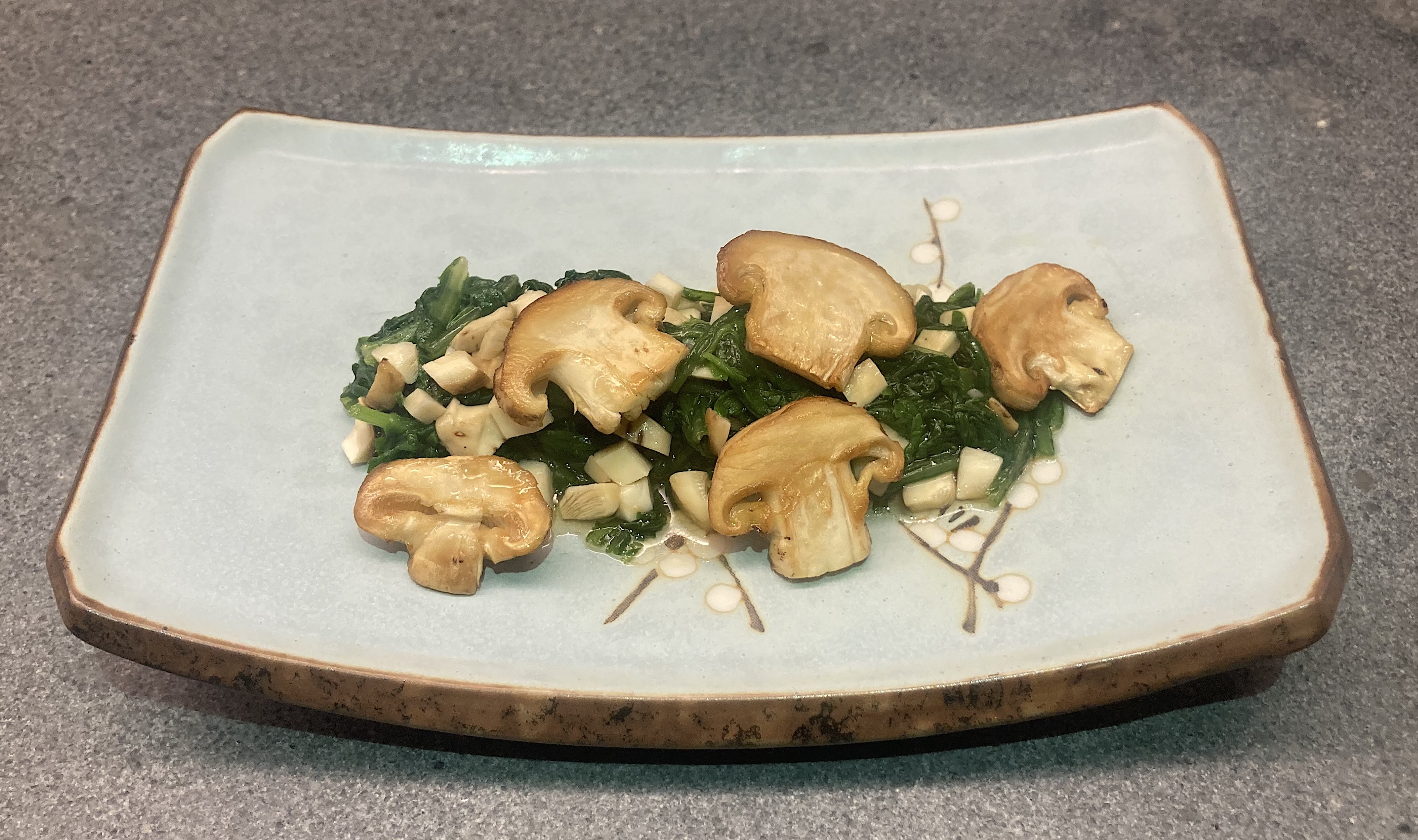
Hurray! The mushroom season has started! Last Friday we bought beautiful golden chanterelles (girolles) and white beech mushrooms (shimeji). It’s the time of year to enjoy wonderful dishes such as Cèpes à la Bordelaise or Salad with Mushrooms and Smoked Duck. Will there be bay boletes this year? Or the intriguing Japanese Matsutake? It’s been some time since we last saw these on the market, and we would really love to make Matsutake with Spinach and Ginger again.
We decided to celebrate the start of the season by making an easy Mushroom Pie, packed with rich flavours, nuttiness and a touch of autumn.

Wine Pairing

We treated ourselves to a bottle of Pinot Noir from the Elzas region, made by Sophie Schaal. She produces wine in France and South Africa. The grapes are handpicked and then naturally fermented before ageing in French oak barrels for 10 months. The result is a wine with a deep ruby colour. The aromas suggest black fruit and a touch of vanilla. The taste is well balanced with soft tannins and length.
In general, you’re looking for a wine with red fruit and refined tannins. Some earthiness will match very well with the mushrooms and the taleggio.

What You Need
  • For the Pastry
    • 100 grams of Flour
    • 50 grams of Water
    • 10 grams of Olive Oil
    • 1 gram of Salt
  • For the Filling
    • 250 grams of firm Mushrooms (shiitake, golden chanterelles, beech mushrooms, button mushrooms)
    • 1 Organic Egg
    • 50 grams of Taleggio
    • 50 ml Double Cream
    • Thyme
    • 1 small Garlic Clove
    • Black Pepper
    • Olive Oil
    • 2 slices of Bacon (optional)
What You Do
  1. Combine flour, salt, water and olive oil
  2. Kneed for a minute and store in the refrigerator for at least 30 minutes.
  3. Clean the mushrooms and slice if necessary
  4. (Optional) Fry the bacon, let dry on kitchen paper and crumble. Add to the egg mixture (step 11)
  5. Lightly fry the mushrooms in a heavy iron skillet
  6. Transfer the mushrooms to a plate and let cool
  7. After 30 minutes: preheat the oven to 180 ˚ C or 355 ˚ F
  8. Combine the egg with the cream
  9. Add lots of thyme and black pepper
  10. Add grated garlic
  11. Add the mushrooms
  12. Slice small cubes of taleggio
  13. Add the cheese to the mixture
  14. Roll out the dough with a rolling pin on a lightly floured surface.
  15. Coat a 22 cm or 9-inch round baking tin with oil or butter
  16. Place the dough in the baking tin
  17. Add the mixture and distribute evenly
  18. Transfer to the oven for 35-40 minutes or until nice and golden
  19. Allow to cool for a few minutes
  20. Remove from the tin and let cool on a wire rack
  21. Serve lukewarm
PS

It tastes even better the next day!

An easy to make mushroom pie with rich flavours
Mushroom Pie ©cadwu

Pear Pie with Frangipane

Juicy, sweet ripe pears, frangipane and a crunchy crust, what more can you ask for! This very tasty pear pie is not difficult to make. The only challenge is finding ripe pears. The juicer the better!

Frangipane is a classic from the French pâtisserie and was first mentioned in 1652 by François Pierre (de) La Varenne. His recipe for Tourte de Franchipanne describes a crust made with puff pastry and a filling with what we would call crème pâtissière, enriched with crushed pistachios and almonds.
In her book Tarte TatinGinette Mathiot includes a recipe for Strawberry Frangipane. Same approach, but with crushed almonds only.

The current Larousse Gastronomique takes a different approach by beating sugar and butter until creamy (beurre pommade in French), then adding the eggs, one at a time, and the almond flour. No cooking required. Our approach is fairly similar, we combine soft butter, sugar and almond flour and then add the beaten egg.

Obviously, the recipe provided by Varenne is for a rich sauce whereas the second method is about making a paste, which is very suitable for a Pear Pie.

What You Need
  • For the Crust
    • 50 grams of White Caster Sugar
    • 100 grams of soft Unsalted Butter
    • ½ Egg (beaten)
    • 1 gram of Salt
    • 150 grams of All Purpose Flour
    • Cold Water (optinal)
  • For the Frangipane
    • 50 grams of Almond Flour
    • 40 grams of Sugar
    • 40 grams of Unsalted Butter (room temperature)
    • One Egg
    • Lemon Zest (optional)
  • For the Filling
    • 4 Ripe Pears (Williams, Bartlett, Conference)
  • For the Coating
    • Apricot Jam
    • Water
What You Do
  1. Start by making the dough
  2. Combine sugar and butter. Use a hand mixer with kneading hooks
  3. When mixed, add halve of the beaten egg
  4. Combine salt and flour
  5. Pass through a sieve and add to the mixture
  6. (optional) add some baking powder if you want a crispier crust)
  7. Use the kneading hooks to mix
  8. If the dough is too dry, add some cold water
  9. It’s ready when the pastry comes together in a ball that doesn’t stick to the surface
  10. When done, remove from the bowl and wrap in foil. Store in the refrigerator for at least two hours. The dough freezes well, so it’s a great idea to make a bit extra
  11. Now make the frangipane
  12. Combine almond flour, sugar and butter. Beat until fluffy
  13. Add the beaten egg
  14. Mix
  15. (optional) Add lemon zest
  16. Transfer to the refrigerator
  17. Preheat the oven to 180 °C or 355 °F
  18. Roll out the dough on a lightly floured surface and use it to line a 16 cm (6 in) tin. Best is 2 millimetres
  19. Transfer to the refrigerator and leave for 30 minutes
  20. Prick the pastry with a fork, to prevent air bubbles forming during baking
  21. Add the frangipane to the pastry case and spread evenly
  22. Peel and slice the pears, add on top of the frangipane
  23. Transfer to the oven for 30 – 40 minutes or until golden
  24. Use a fork to combine apricot jam and water, ratio 4:1
  25. Warm the apricot mixture
  26. When the pie is still warm, coat with the apricot mixture
PS
  • We made the crust with pâte sucrée, or sweet shortcrust pastry. The result is a flaky, crumbly crust. You could also use (ready-made) puff pastry or pate sablée. Adding a few grams of baking powder is an option when you want a lighter, crispier crust.
  • When we first saw a recipe for frangipane with pistachios, we wondered if that would be a good idea. Now that we have read the 1652 recipe, we will definitely give it a try.
Pear Pie ©cadwu
Pear Pie ©cadwu

Parsnip

Parsley, fennel, parsnip and carrots are closely related. A purée made with for instance parsley root, fennel and olive oil is very tasty. On our local market we saw parsnip: a sweet, tasty carrot-like vegetable, already enjoyed in Roman times and native to many countries. Easy to prepare and not expensive. It combines very well with nutmeg, clove and even cinnamon.
Parsnip is rich in vitamins and minerals, particularly potassium. Parsnip is supposed to be healthy (various antioxidants and fibers).
It was one of the forgotten vegetables, but fortunately parsnip is becoming more available, also in supermarkets. It can be eaten cooked, grilled, fried and raw. How about a parsnip salad with potatoes and mackerel? (Watch Belgian chef Jeroen Meus prepare this dish, video in Dutch).
We decided to fry parsnip in olive oil. Doesn’t it look amazing?

Wine Pairing

We served our fried Parsnip with excellent beef. Thinking of the combination we decided to enjoy a glass of red wine from the Bordeaux region. In general, we suggest a red wine with aromas of dark fruit. A medium bodied, balanced wine with a fruity finish and soft tannins. Perhaps a touch of oak.

What You Need
  • Parsnip
  • Olive Oil
  • Black Pepper
What You Do
  1. Heat a pan, add olive oil, peel the parsnip, slice and fry in oil.
  2. The sugar in the vegetable will give the slices a golden colour within minutes, so keep your eye on the pan.
  3. Serve the parsnip with some black pepper.

Saffron Milk Cap with Eggplant and Potatoes

The Saffron Milk Cap is a popular mushroom in Spain, Portugal, Turkey, Scotland, Poland, Russia and many other countries. In Spain they are combined with garlic and parsley, in Turkey with spinach to make börek or used in a rich tomato stew and in Poland and Russia they are salted with herbs such as dill and caraway. We have prepared them with red bell peppers and chorizo and squid.
We love the flavour of the Saffron Milk Cap (mild, nutty, a touch peppery) and since they keep their texture when cooked we wanted to use them in a stew. We combined the mushrooms with egg plant and potatoes. It worked very well: the aromas and taste of the mushrooms with the slight bitterness of the egg plant and the generous flavour of the potatoes cooked in vegetable stock. During the cooking process the potatoes will become more yellow thanks to the Saffron Milk Cap. Beautiful, delicious (as in Lactarius Deliciosus) and uplifting.

Wine Pairing

We decided to enjoy a glass of Chardonnay, produced by Mont Clou, Spain. The wine has aged ‘sur lie’, which means that the wine remained in contact with (dead) yeast cells, grape skin and other remainders of the grapes. The effect of this way of ageing is that the wine will become more complex and more flavourful. Champagne is an example of a wine aged ‘sur lie’.
The chardonnay from Mont Clou has aromas of ripe fruit, pineapple perhaps? Its flavour is round, soft and a touch oaky. A very nice accompaniment of the stew. In general you’re looking for a medium bodied, fruity, white wine, preferably with some oak.

What You Need
  • 150 grams of Saffron Milk Cap
  • One small Shallot
  • One Garlic Clove
  • One Potato (waxy)
  • One small Egg Plant
  • Paprika (Powder)
  • Chilli Powder
  • 250 ml Vegetable Stock
  • Parsley
  • Olive Oil
  • Crusted Bread
What You Do

Slice the eggplant and quarter each slice. Wash the potato and quarter. Clean the mushrooms and quarter. You want the eggplant, potato and mushrooms chunks to be of similar size. Chop the shallot and the garlic, not too fine. Fry the eggplant in a non-stick pan with lots of olive oil until golden. Set aside. Glaze the shallot in a heavy iron skillet. When ready, add the garlic. Wait a few minutes, then add the mushroom. Fry for a few minutes. Add the potato and fry for another few minutes. Add the paprika and chilli powder. Make sure everything is coated with spices and olive oil. Add the eggplant and the vegetable stock. Allow to cook for 30 minutes or until the potato is ready. You may want to add some water and mix, so check every 5 or 10 minutes. Two minutes before serving add some chopped parsley. Mix.
Serve with crusted bread.

PS

More mushroom recipes on our mushroom page.

Saffron Milk Cap with Eggplant and Potatoes ©cadwu

Mushroom Season

So far this year’s mushroom season has been great with lots of delicious Cèpes, Bay Boletes, Birch Boletes and Chanterelles. This Saturday we bought a very tasty autumn Truffle and a day earlier we treated ourselves to Matsu Take. Such a special mushroom. We’re waiting for the Saffron Milk Cap, Spain’s favourite mushroom, and the Caesar’s mushroom, a mushroom much appreciated in Italy. 

Since it’s a great year for the Bay Bolete, we thought it would be nice to share some recipes with this mushroom. Its taste is similar to that of the Cèpes or Penny Bun. Perhaps more intense?

Pâté with Mushrooms ©cadwu

Pâté en Croûte

A few years ago we celebrated the mushroom season by preparing a Pâté with bay boletes. The combination of a crispy crust, a structured, colourful filling and various flavours is always a pleasure. It’s good fun to think about the ingredients, work on the construction and enjoy the wonderful aromas from your oven while baking the pâté. And the joy when slicing it: is the pâté as beautiful as you expected it to be?

A red, medium bodied wine will be a great accompaniment of this Pâté en Croûte. In general you’re looking for a red wine with aromas of black fruit, floral notes and delicate wood. The tannins should be soft or well-integrated. We enjoyed a glass of Pinot Noir from La Cour Des Dames

Bay Boletes with Veal and Sage ©cadwu

Sauce

Earlier this year we prepared a rich sauce with bay boletes, sage, mustard en crème fraîche. We served the sauce with excelltn veal rib eye and turnip cabbage. The turnip brings frsshness and lightness to the dish, creating a lovely balance.
A fruity, slightly chilled red wine will be great with the dish. We opened a bottle of German Spätburgunder from the Pfalz area. Some dark fruit, strawberries, touch of earthiness, not too complex. One that supported the flavours and aromas of the dish very well.

Guineafowl and Bay Bolete ©cadwu

Guineafowl

Bay boletes combine very well with guineafowl. The meat is leaner, somewhat darker and more flavourful compared to chicken. It is not difficult to prepare, but due to the low-fat content you must be careful not to overcook. In this recipe we use guineafowl supreme (the breast fillet with the skin on plus the wing bone), rosemary, thyme, pancetta and garlic.
Enjoy with a glass of Chiroubles, a cru from the Beaujolais, produced by Domaine Montangeron. The wine has floral notes, aromas of cherries and strawberries. Its colour is pale ruby. Rich, elegant and long. It brings freshness and fruitiness to the dish and is sufficiently complex to remain present when enjoying the guineafowl and the bay bolete.
In general you’re looking for a red wine with freshness, fruity aromas and complexity. Perhaps a Pinot Noir?

More recipes on our website dedicated to mushrooms.

Pear and Chocolate Pie

A few weeks ago, we were very pleased to win the Great Bloggers Bake Off award in the pie-category with a Pear and Almond Pie. A delicious, uplifting combination that works very well thanks to the crème fraîche and the calvados. The Bake Off is organised by A Jeanne in the Kitchen.

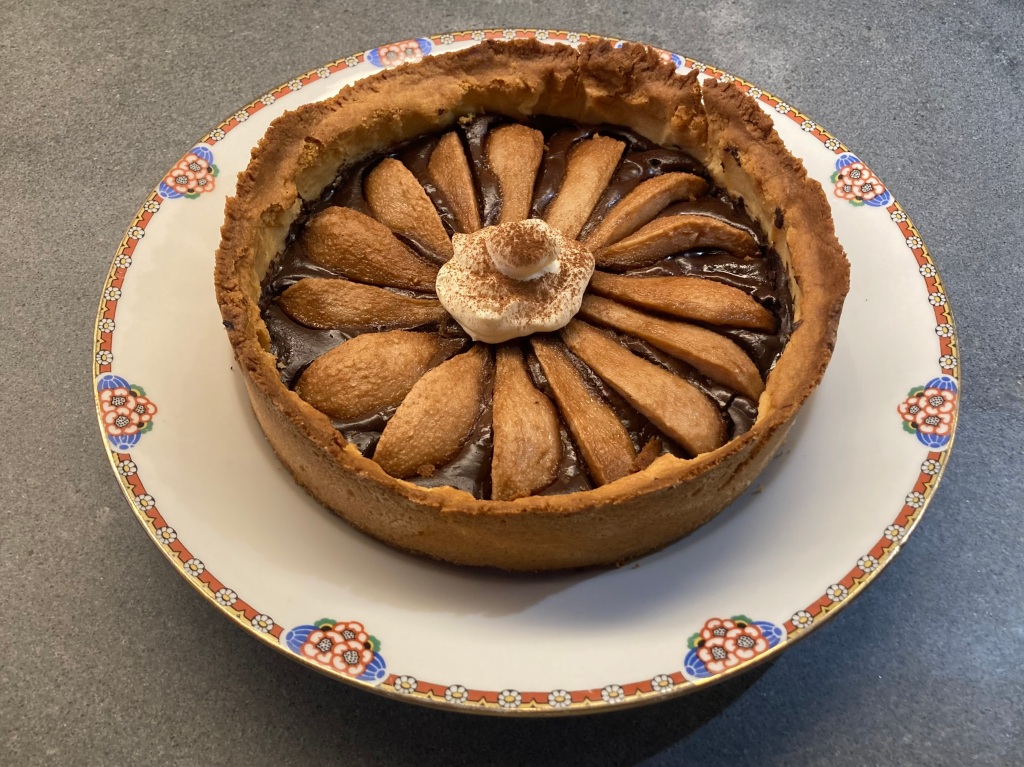
Pear and chocolate is a match made in heaven, that’s why we decided to make a Pear and Chocolate Pie. The result is a rich, intense flavoured pie. A small slice with an espresso will make for a very nice dessert.

What You Need

  • Dough
    • 50 grams White Caster Sugar
    • 100 grams soft Butter
    • ½ teaspoon grated Lemon Peel
    • Pinch of Salt
    • ½ Egg
    • 3 grams Baking Powder
    • 150 grams All Purpose Flour
  • Almond Paste
    • 225 grams of White Caster Sugar
    • 250 grams of Almond Flour
    • One Egg
    • Lemon zest
  • Filling
    • 200 grams Chocolate
    • 50 grams Double Cream
    • 50 grams Sugar
    • 1 Egg
    • 1 Egg Yolk
    • Pears, preferably Doyenné du Comice (or Conference)
  • Decoration
    • Whipped Cream
    • Cinnamon Powder

    What You Do

    Start by making the Dough. Beat the egg. Combine sugar and butter until smooth. Add Lemon zest and salt. Mix. Add the egg. Mix. Combine baking powder and flour. Pass through a sieve and add to the mixture. Best is to use a kitchen mixer with kneading hooks. Wrap in foil and transfer to the refrigerator for at least two hours. The dough freezes well so not a problem if you’ve made too much.

    Now make the Almond Paste. Combine almond flour and sugar. Add one beaten egg and (optional) lemon zest. Mix until you have a paste. Keeps well in the refrigerator for a week and in the freezer for months. You could also use 250 grams of white almonds. Grind these and continue as if almond flour. In this case you need half the quantity (or less).

    Preheat the oven to 180 °C or 355 °F. Coat your pie tin with butter (we used a 15 cm, 6 inch tin). Roll out the dough, it should be 5 mm (0.20 inch). Line the tin with the dough. Don’t worry if the dough breaks; it’s easy to repair. Remove the excess dough. Line with aluminium foil or parchment paper, add baking beans and bake the pie blind for 15 minutes.

    When the pie is in the oven, it’s time to make the Filling. We used cooking chocolate, that makes life a lot easier. Add the broken chocolate to the cream and melt gently in the microwave (set to low power) or au bain-marie. Add sugar. Allow to cool. Lukewarm is fine. Beat the egg.

    Use almond paste to make a thin layer on the bottom of the pie. Take half of the chocolate mixture and (using a spatula) add a layer of chocolate on top of the almond paste. Add the egg to the remaining chocolate, mix well and make a third layer. Peel the pears, quarter and push the pears into the mixture. Bake in the oven for 20 minutes (depending on the pears and the mixture).
    Allow to cool and then remove from the tin.

    Pear and Chocolate Pie ©cadwu
    Pear and Chocolate Pie ©cadwu

    Bay Boletes with Veal and Sage

    We continue celebrating the season: we create a rich sauce with Bay Bolete, Mustard, Sage and Crème Fraîche and combine it with excellent veal. The sweetness of both the sauce and the veal makes for an delicious combination. The aromatic sage brings length and depth to the dish.

    It’s not always clear what umami is, but trust us, when you taste this dish, you will taste it. Meaty, deep and savoury. A very powerful and intense dish.

    The taste of the Bay Bolete (Imleria badia, Bolet Bai, Kastanjeboleet, Maronen-RöhrlingBoleto Bayo) is similar to that of the Cèpes or Penny Bun. Perhaps the taste is more intense? In most cases you must discard the stem of the bay bolete because it’s not soft (and it will remain chewy when cooked), different from the stem of the cèpes. The colour of the cap is dark brown, like a chestnut.

    Wine Pairing

    A fruity, slightly chilled red wine will be great with the dish. We opened a bottle of German Spätburgunder from the Pfalz area. Some dark fruit, strawberries, touch of earthiness, not too complex. One that supported the flavours and aromas of the dish very well.

    What You Need

    • 100 grams Bay Boletes
    • Butter
    • Olive Oil
    • 4 Sage leaves
    • Stock (Chicken or Vegetable)
    • Black Pepper
    • Mustard
    • Crème Fraîche
    • 200 grams of excellent organic Veal Ribeye

    What You do

    Make sure the meat is at room temperature. Add some butter and oil to a heavy iron skillet and fry the meat until golden brown and pink. Transfer to the oven at 50 °C or 125 °F. Cover with aluminium foil. In parallel remove the dry stems of the mushrooms. Clean the remaining mushrooms with kitchen paper. Chop half of the mushrooms. Slice the other half. Start by frying the halves in the pan. When ready transfer to the oven. Add some butter and oil to the pan and fry the chopped mushrooms. Add chopped sage leaves and allow to simmer. Use mustard, stock and crème fraiche to make the sauce. Leave on low heat for 5 minutes or so. Add more stock if so required. Add some extra sage and black pepper. Add the meat juices to the sauce. Slice the meat, plate up with sauce, meat and sliced bay bolete.

    Other Recipes with Bay Boletes

    You may also enjoy them with Brussels Sprouts, Jerusalem Artichoke or with Guineafowl.

    Fairy Ring Mushrooms with Tarragon and Fennel

    July was sunny and very warm in some parts of Europe, but not in the Netherlands. Moderate temperatures, a bit of sunshine, sometimes, and lots of rain. Not ideal for sunseekers but very promising for mushroom lovers.
    Let’s enjoy one of our favourites, the Fairy Ring Mushroom, a very common mushroom in many countries. It’s a small, very edible mushroom, available from early spring until late autumn. Its taste is a bit sweet (the mushrooms contain a sugar called trehalose) and perhaps that’s why some people suggest using them to make sweet mushroom cookies.

    In this recipe we enhance their specific sweetness by combining them with tarragon and fennel. Both come with their own sweetness plus a hint of liquorice and anise. Flavours that go very well with fish, veal and mushrooms. A delicious, aromatic and surprisingly light dish. We served the mushrooms and vegetables with veal rib eye.

    Wine Pairing

    A glass of Sauvignon Blanc or Chardonnay could be nice, but we prefer an unoaked Merlot. A fruity red wine with an intense colour and flavours of strawberries and raspberries. For instance a glass of Merlot as produced by Di Lenardo in Italy.

    What You Need

    • What You Need
    • Mushrooms
      • 150 grams of Fairy Ring Mushrooms
      • Tarragon
      • Vegetable Stock
      • Black Pepper
      • Olive Oil
    • Fennel
      • One Fennel
      • Fennel sprigs
      • Olive Oil
    • Veal Rib Eye

    What You Do

    Chop the fennel and add it to a pan with some olive oil. Allow to simmer. This may take 20 minutes.
    Meanwhile clean the mushrooms with kitchen paper. Remove the stems. Chop the tarragon. Add olive oil to a heavy iron skillet and gently fry the mushrooms. No rush. Add the tarragon. Add one or two cubes of homemade vegetable stock. Reduce.
    Happy with the firmness (or softness) of the fennel? Add some fresh tarragon and black pepper to the mushrooms. Taste and adjust. Add some fennel sprigs to the fennel, mix. Serve the fairy ring mushrooms and the fennel with gently fried veal rib eye (with some extra tarragon, obviously!).

    Cabbage Stew

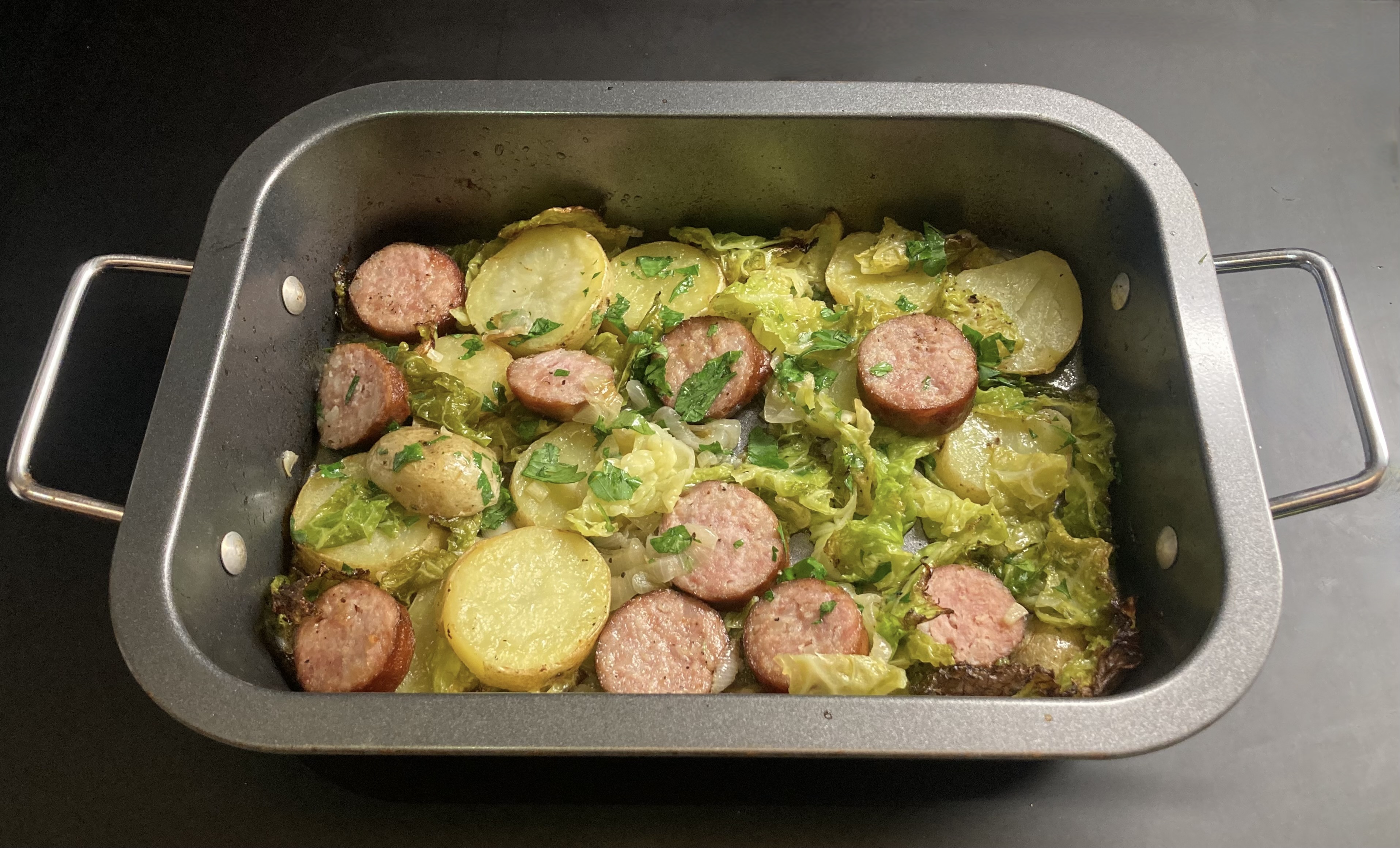
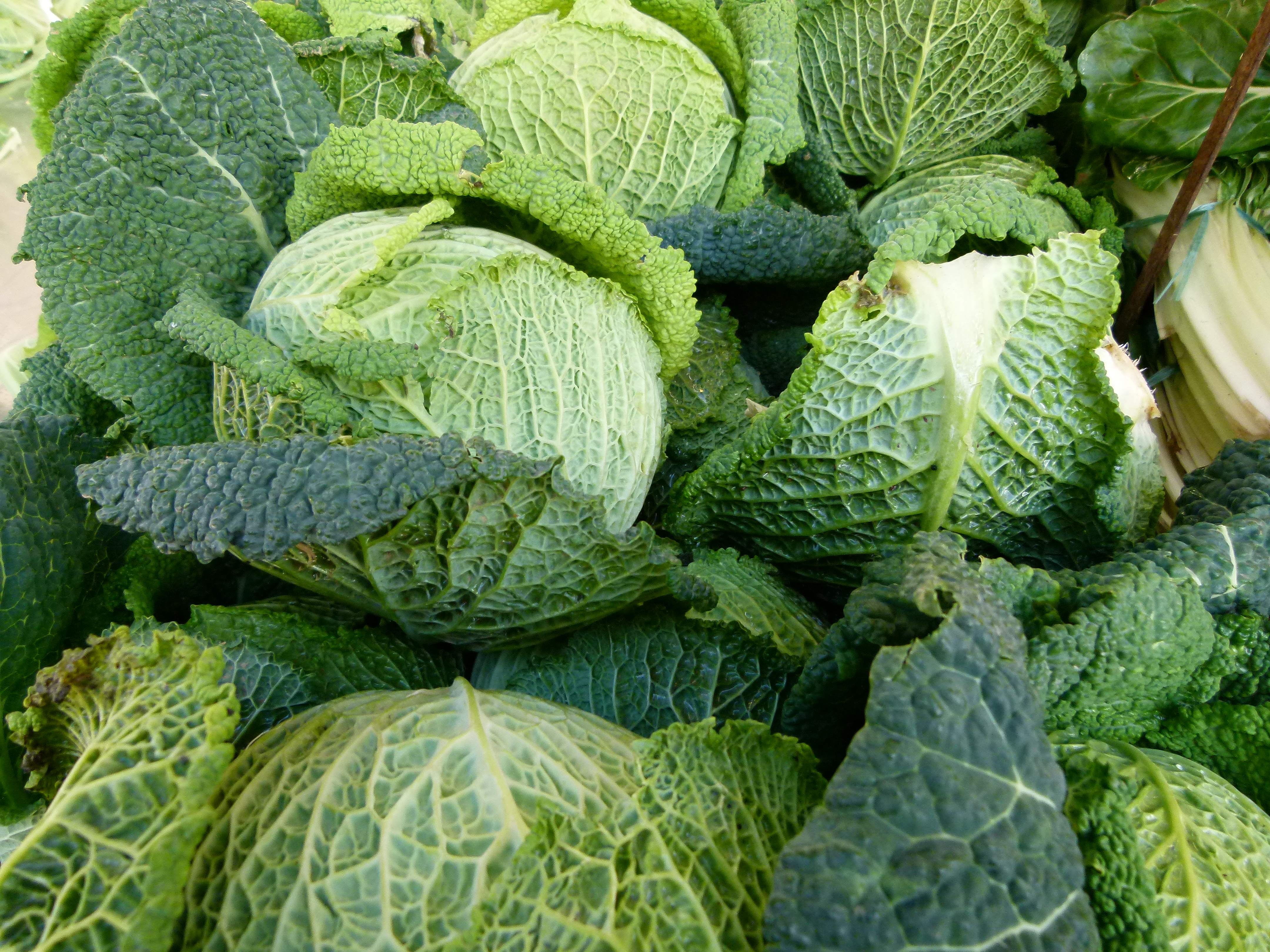
    This delicious dish with cabbage, sausage and potatoes looks a bit wintery but actually thanks to the taste and the texture of the Savoy Cabbage it’s uplifting and even a bit refreshing. The structure of the leaves is very firm, so we cook the leaves before adding them to the stew. The risk is, as with all cabbages, to overcook them, which will cause the typical nasty sulphur smell. The leaves can also be used to make a roulade, or a dolma shaped snack.

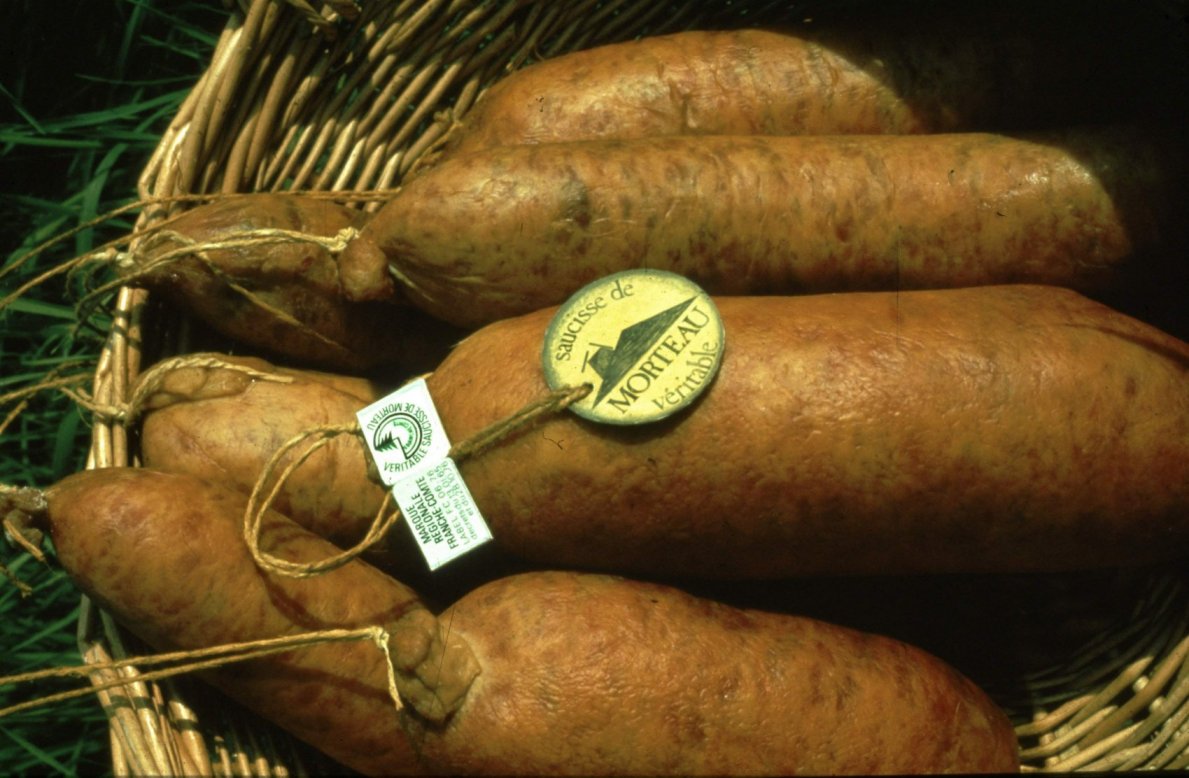
    We used Saucisse de Morteau which is a smoked sausage from the Franche-Comté region. In general, you’re looking for a smoked pork sausage. The Saucisse de Morteau is smoked for 48 hours so the taste is very present, which allows you to buy a small sausage. The main role in this dish is for the Savoy Cabbage!

    Drink Pairing

    A medium bodied red wine will be great, but we could also imagine enjoying it with a beer. The flavours are bold, so a not too complex beer or wine will be perfect.

    What You Need

    • One Onion
    • Two Garlic Cloves
    • Half a Savoy Cabbage
    • One Potato
    • One Smoked Sausage
    • Olive Oil
    • Parsley
    • Black Pepper

    What You Do

    Heat a pan with water. Wash the potato and cook until nearly ready. Use a potato that remains firm when cooked. We used Mona Lisa, a tasty, starchy all purpose potato. Remove the potato from the boiling water. Peel off the outer leaves of the cabbage and discard. Peal off the reaming leaves, remove the veins and cook for 3-5 minutes in hot water. Remove the leaves, cool with cold water and let dry. Add the sausage to the pan, 20 minutes in hot (not boiling) water should be fine. In parallel quarter the onion and fry in olive oil. After a few minutes add the chopped garlic. Now it’s time to combine all ingredient in an oven dish. Cover with aluminium foil. Set your oven to 160 °C or 320 °F and leave for 3*10 minutes . Toss gently after 10 minutes. Remove the aluminium foil and set your oven to 180 °C or 355 °F . Allow to cook for another 10 minutes. Add some chopped parsley and black pepper just before serving