Scones

A few weeks ago, our local supermarket promoted original, traditional English clotted cream, scones and strawberry jam, obviously. We bought a jar but couldn’t find the scones. The clotted cream ended up in the refrigerator and we forgot about the scones. Fortunately, clotted cream keeps very well so when we spotted the jar some two weeks later, we decided to open it and taste the cream. Yummy! So, all we needed for our Cream Tea were scones. And since we couldn’t find them, we baked them ourselves.

What You Need

  • 250 grams of Self Raising Flour
  • 2/3 teaspoon Baking Powder
  • 75 grams of Butter (room temperature)
  • 30 grams of Sugar
  • 120 grams of fresh Whole Milk
  • 125 grams of Raisins
  • One egg
  • Pinch of Salt

What You Do

Start by soaking the raisins for 10 minutes in hot water. Drain and squeeze gently. This way the raisins will be tasty and moist. Lightly beat the egg, just enough to combine the white and the yolk. Now combine self raising flour, baking powder, butter and sugar until you have a crumbly pastry. Best is to use a hand mixer with kneading hooks. This may take some time. When well mixed, add half the egg and the milk. Make a smooth dough. Fold in the raisins and store the result in the refrigerator for one hour. Preheat your oven to 210 °C or 410 °F. Roll out the dough. We used a 7-centimetre (cookie) cutter. Coat the top of the scones with beaten egg. Allow to rest for 15 minutes. Coat the scones for the second time. Bake the scones for some 10 minutes. Keep an eye on your oven because the scones will bake very quickly!

Serve with a generous amount of English clotted cream and strawberry jam. The best way is to split the scone in two, cover each half with clotted cream and put the strawberry jam on top.

PS

If you want to see how our favourite Dutch Pâtissier Cees Holtkamp makes scones (in his home kitchen, supported by his granddaughter), then this video will help. It’s in Dutch (with YouTube provided subtitles). Please note that his list of ingredients is slightly different.

Scones ©cadwu
Scones ©cadwu

Nothing Fancy!

Recently we reviewed Nothing Fancy by Alison Roman as part of the inspiring cookbook review project by Bernadette. The subtitle of Nothing Fancy is ‘Unfussy food for having people over’, and it contains ‘low-stress and high impact’ recipes. A book that promises to help you serve colourful plates, casually roasted meat and desserts, even when you’re struggling timewise. An interesting idea, having guests over for dinner or lunch, serving tasty food, remaining relaxed and enjoying every minute of it.

We prepared three dishes and asked our panel (Carolien, Hans and Joke) for their thoughts.

Tomato Salad

The first dish we prepared was a Tomato Salad with Anchovies and Fennel Seeds, a combination of ripe and tasty tomatoes with fennel flavoured oil and anchovies. Our panel was very happy with the salad. The combination of tomatoes and fennel is a trouvaille and the salty, umami flavour of the anchovy gives the salad an extra dimension. It’s great to serve as a salad on its own. It will also combine very well with swordfish or skate.

Green Pea Salad

The second dish (a Salad with Green Peas, Black Olives and Burrata) was very easy to make and absolutely delicious. We added some extra grated lemon and mint. Our panel was pleasantly surprised by the refreshing flavour, the aroma and the velvety, juicy mouthfeel.

Roasted Chicken

The third dish was casually Roasted Citrus Chicken with Herbs. The recipe suggests setting your oven to 230 °C or 450 °F. Isn’t that a bit too hot, we thought? But okay, let’s do as suggested and follow the recipe. We transferred the chicken to the hot oven. Five minutes later we were busy turning off the smoke alarm. Our panel had a good laugh (although we couldn’t hear them very well because of the noise). So far for remaining relaxed!

The chicken is marinated for a number of hours in a mix of lime and lemon juice, orange juice, soy sauce, olive oil, sambal and garlic cloves. Then fried in the oven on 180 °C or 355 °F and served with some cooking liquid, caramelised lemon and orange slices and a generous amount of herbs (Cilantro, Parsley, Rosemary, Thyme and Oregano)

We served the citrus chicken with a glass of red wine made by Domaine La Tour Beaumont in the French Loire region. It is made using Gamay grapes, well known from the Beaujolais region. A very fruity, juicy wine that should be served slightly chilled. We also served a glass of zero alcohol rosé produced by Domaine de L’Arjolle, made with Cabernet Franc and Syrah grapes. The wine is dry, aromatic and has long lasting taste (raspberry, strawberry). Beautiful colour, not sweet (as many other zero alcohol wines) and light. Both worked beautifully with the chicken and the herbs thanks to the lightness and the fruity flavours.

(Y) our Shelf

Should this book be on (y)our shelf? Definitely yes if you’re looking for tasty food that doesn’t require too much work. If you want to remain relaxed while cooking and entertaining, be sure to test the recipes before having people over, because some aspects of the recipes may need adjusting.

Nothing Fancy by Alison Roman is available via your local bookstore or the usual channels for US$ 20.00 or € 30,00.

Asparagus Soup (Blended)

Earlier we wrote about the traditional way of making asparagus soup. It starts by using the skin and woody ends of the asparagus with leek or shallot to make a stock. Then extra flavour is added (the tips of the asparagus, cream or salmon and dill) and the consistency of the soup improved, for instance by making a roux. This way you will get a nice, thickened soup with a velvety mouthfeel. It’s still a bit one dimensional so if you want a more complex soup, you need to replace the water by chicken or vegetable stock.

Another way of thickening the soup is by blending the asparagus. Unfortunately, this doesn’t help a lot since asparagus do not contain starch, so yes, the soup is tastier, a touch more structured but its consistence remains watery. What to do? Egg yolk? Corn starch? A potato? Cream? More white asparagus? A roux after all?

What You Need

  • 300 grams of White Asparagus
  • 1 small Shallot
  • Butter
  • 350 ml Chicken or Vegetable Stock
  • Bouquet Garni (Parsley, Bay Leaf, Chives)
  • Cream
  • White Pepper

What You Do

First decide how you want to thicken the soup. A roux is not preferred because it will flatten, reduce the flavour plus we want a try a different approach. You could use a small starchy potato (not preferred because it will bring the typical potato flavour to the soup which is great in combination with leek but not with the subtle bitterness of asparagus), corn starch (great thickener but one that reduces flavours), egg yolk (classic, but we haven’t tried it yet with this soup) or potato starch (flavourless, simple, no impact flavour wise, only colour wise).

Peel the asparagus and cut of the woody ends. Peel and slice the shallot. Add butter to a pan, glaze the shallot. Now add the skin and woody ends of the asparagus, coat with the shallot and butter mixture and add the stock. Allow to simmer for 30 – 45 minutes. If you cook the stock too long, then it will become bitter. Pass the liquid through a sieve. Squeeze to capture all the lovely asparagus juices. Keep on low heat. Chop the asparagus, add the slices to the soup and keep the tips. After 20 minutes blender the soup. Add some cream, slice the tips lengthwise and add these to the soup. 10 more minutes later the soup is ready.

And The Winner Is…

We prefer the blended version to the roux version. The stock and the other ingredients support the asparagus flavour, making it into a tasty, light yet rich soup.

Asparagus Soup (Blended) ©cadwu

Cucumber and Potato Salad

For many years we enjoyed the weekly Schnitzel evening at Café Heider in Potsdam, Germany. A traditional veal schnitzel served with a lukewarm cucumber and potato salad and (in autumn) with cranberry compote. The very thin meat is dusted with flour, then coated with egg and finally with breadcrumbs made from Kaiser rolls. The schnitzel is fried very quickly in rapeseed oil and then transferred to a second pan to be fried in clarified butter. The result is crispy and absolutely delicious. A dish to be enjoyed with a nice beer or a glass of white wine (Sylvaner).

The lukewarm salad was equally tasty, so one we wanted to prepare at home. Our first try was not even close to the one served at Café Heider. It was just cucumber with potato and a dressing. Obviously, we needed to do a bit of research. The result is a light, flavourful, refreshing salad, one that goes very well with Wiener Schnitzel (as you would expect) but also with Haddock, Cod Cheeks or Chicken à la Milanese.

If you happen to be in Berlin or Potsdam, please visit Café Heider. During the DDR years this was the only privately owned bar/café/restaurant in Potsdam. A place where people would go to meet and talk, although the much-feared Stasi (the state security service of the DDR) was never far away.

What You Need

  • (Organic) Cucumber
  • One Waxy Potato
  • White Wine Vinegar
  • Olive Oil
  • Dill
  • Chives
  • Vegetable Stock
  • Black Pepper

What You Do

The taste of the salad very much depends on the cucumber, so make sure you buy one that is tasty and not watery. Another key ingredient is the vegetable stock (onion, leek, carrot, celery, bouquet garni). If possible, please don’t use cubes; in general stock made with cubes is salty with very little aroma and flavour.

Cook the unpeeled potato until just done. Let cool. Make a dressing by combining olive oil, vegetable stock and vinegar, ratio 1:2:2. When marinating the cucumber in the dressing it will be enhanced by juices from the cucumber. Peel the cucumber, slice thinly and add to the dressing. Slice the potato, preferably as thin as the cucumber and add to the dressing. We’re not too keen on potatoes, so our salad is more about cucumber than about potatoes. Add coarsely chopped dill and chives to the salad. Mix and transfer to the refrigerator and allow to cool for a few hours. Don’t forget to mix every hour, taking care not to crumble the potato. Add some fresh black pepper and dill just before serving.

PS

Perhaps you wonder what happed to lukewarm. That’s achieved by adding lukewarm vegetable stock to the cucumber salad (at room temperature) just before serving. We prefer the cool, integrated version!

Cucumber and Potato Salad ©cadwu

Asparagus Soup (Traditional)

Preparing Asparagus soup starts by using the skin and woody ends of the asparagus with leek or shallot to make a stock. Since the stock is fairly bland and watery, you need to add additional flavour (the tips of the asparagus, cream, salmon and dill) and improve the consistency of the final result. The traditional way of doing this is by making a roux. You will get a nice, thickened soup with a velvety mouthfeel. It’s still a bit one dimensional so if you want a more complex soup, we suggest replacing the water by chicken or vegetable stock.

Another way of improving the consistency and enhancing the flavour is by adding asparagus to the soup and blending the result. In this post we will prepare the traditional version.

What You Need

  • The skin and woody ends of lots of White Asparagus
  • Shallot
  • Butter
  • Water (Chicken or Vegetable Stock preferred)
  • Five White Asparagus
  • 30 grams of All Purpose Flour
  • 30 grams of Butter
  • Cream
  • White Pepper
  • Pinch of Salt

What You Do

Peel and slice the shallot. Peel the five asparagus and cut of the woody ends. Add butter to a pan, glaze the shallot. Now add the skin and woody ends of the asparagus, coat with the shallot and butter mixture and add cold water. Allow to simmer for 30 – 45 minutes. If you cook the stock too long, then it will become bitter. Pass the liquid through a sieve. Squeeze to capture all the lovely asparagus juices. With the stock ready it’s time to make the (white) roux. Warm the butter in the pan, add the flour and stir. Keep on medium heat until you just begin to smell cookies. Now start adding the warm liquid, slowly at first, keep stirring and adding until you have used all the liquid. Taste, add some white pepper and a pinch of salt. Keep on low heat. Slice the five asparagus, add the slices to the soup and keep the tips. Stir every 5 minutes. After 20 minutes add some cream, slice the five tips lengthwise and add these to the soup. 5 more minutes and the soup is ready.

Asparagus Soup (Traditional) ©cadwu

Farfalle with Saint George’s Mushroom, Oregano and Pancetta

Nearly the end of the season for the Saint George’s Mushroom (at least, where we live). So far it’s been a great year for this mushroom and the Fairy Ring Mushroom. Unfortunately, it’s been a poor year for another of our spring favourites: the morel.

Saint George’s Mushroom have a strong, not very pleasant aroma (it disappears when you heat the mushrooms) and a long lasting, earthy taste. Famous chef, author and mushroom expert Jane Grigson wasn’t a fan. In her classic book The Mushroom Feast she wrote “I have omitted one or two which our mushroom books follow each other in praising too highly. One of these is the Saint George’s Mushroom.” Obviously, we humbly disagree with her. It’s a bit of a puzzle to find the right combination of ingredients when one is the Saint George’s Mushroom but isn’t that part of the fun?
Earlier we wrote about an omelette with Saint George’s Mushroom and a starter with udon. This recipe is a combination of fat, moist, slightly sweet pancetta and earthy mushrooms, with the egg sauce and the oregano making it into a delicious dish.

Wine Pairing

We matched the rather intense flavours with a Pinot Noir, made by La Cour Des Dames. In general you’re looking for a red, medium bodied wine with aromas of berries, floral notes and delicate wood. The tannins should be soft or well-integrated. 

What You Need

  • 100 grams of Saint George’s Mushroom
  • 100 gram of Pancetta (slab preferred)
  • Fresh Oregano
  • Two eggs
  • Freshly grated Parmesan Cheese
  • Black Pepper
  • Farfalle

What You Do

  1. Start by cleaning the mushrooms with kitchen paper. Slice.
  2. Dice the pancetta. We used pancetta produced by Fumagalli. Sustainable, organic, ecological etcetera.
  3. Use a heavy iron skillet and fry the pancetta on medium/high heat. No need to add olive oil.
  4. When nicely coloured transfer the pancetta to a plate, remove most of the fat and gently fry the mushrooms.
  5. After a few minutes transfer the pancetta back to the pan.
  6. Add fresh oregano leaves, bigger ones shredded.
  7. Add the farfalle to a pan of boiling water and cook until al dente.
  8. In the meantime, beat two eggs and add some parmesan cheese.
  9. When the farfalle is ready, taste the mixture in the pan, perhaps add some extra oregano and transfer the farfalle to the pan.
  10. Wait for a minute or so until the excess water has evaporated.
  11. Move the pan away from the heat, add the egg mixture and combine (like you would do with Spaghetti Carbonara).
  12. Add black pepper and some extra Parmesan cheese before serving.
Farfalle with Saint George’s Mushroom, Oregano and Pancetta ©cadwu

Potato, Mushroom and Dill Omelette

Last week we bought some St. George’s Mushrooms, a very tasty spring mushroom. In Germany it’s called maipilz because they grow in May only. The English name obviously refers to St George’s Day, April 23rd, by which date it can be found in the UK.

Its aroma is very specific. In an earlier post we described it as overripe zucchini or even gee that is a bit offish. Not very attractive, but fortunately the aroma disappears when you heat the mushroom. Its taste is also specific and will remind you of autumn with a hint of earthiness. Intense but not overwhelming. 

We combined the St. George’s Mushrooms with a light, airy omelette with a potato bottom. It tasted delicious and the combination of the three ingredients worked very well.

Given the short season and the limited availability we thought about an alternative with button mushrooms.

Wine Pairing

We enjoyed our Omelette with a glass of Verdejo-Sauvignon Blanc made by the Spanish Bodegas Piqueras. This is a fresh, aromatic, dry wine, one that works very well with the earthy flavours in the dish and the dill.

What You Need

  • Waxy Potatoes
  • Button Mushrooms or Champignon de Paris
  • Eggs
  • Fresh Dill
  • Black Pepper
  • Olive Oil

What You Do

Start by cooking or steaming the unpeeled potatoes until nearly done. Let cool. Clean the mushrooms with kitchen paper. Heat a small non-stick pan with olive oil. Slice the mushroom and fry for a few minutes. Remove the mushrooms from the pan. Slice the potatoes and cover the bottom of the pan with one layer of potatoes. Add the mushrooms and spread evenly. Add a generous amount of fresh dill. Add some fresh black pepper. Beat the eggs until just a bit fluffy. Add the eggs on top of the mushrooms and dill and allow to become baveuse (perhaps 10 minutes) on low/medium heat. The idea is to fry the potatoes very gently, but not brown the omelette.

Belgian Cuisine

Belgian Cuisine is so much more than just beer, waffles and chocolate, it’s about enjoying excellent food with great dishes such as Waterzooi, Moules Meunière, Asparagus with Crevettes Grises and many more.

The five Belgo restaurants in London (from 1992 until 2020) were very successful promoters of Belgian cuisine. The chain, founded by Denis Blaise and Andre Plisnier, celebrated Belgian cuisine and the joy of eating simple, tasty, original food. Fortunately, in 1997 they published a cookbook, allowing us to enjoy their food even after the closure of the chain.

The book includes 20 recipes for mussels (ranging from the classic Mussels with White Wine to Mussels with Roquefort), a chapter on Fries, on Beer and cooking with Beer and a range of traditional Belgian dishes (Shrimp Croquettes with deep fried Parsley, Paling in het Groen (Eel in Green, a stew with eel, potatoes, beer, fish stock, watercress, dill, chives and cream) and of course Filet Americain).

Amongst our favourites from the Belgian kitchen are Asparagus à la Flamande, Tomatoes with Shrimps, Beef stew with Brown Beer and their Chicory and Belgian White Beer Soup. The soup combines the bitter flavours of the chicory and the beer (hops, cilantro, orange peel) with cream, nutmeg and chicken stock. Delicious!

The Belgo Cookbook by Denis Blaise and Andre Plisnier (available in Dutch and English) is available via the well-known channels, perhaps second hand, for 20 US$ or €.

Beef Stew with Djeroek Poeroet

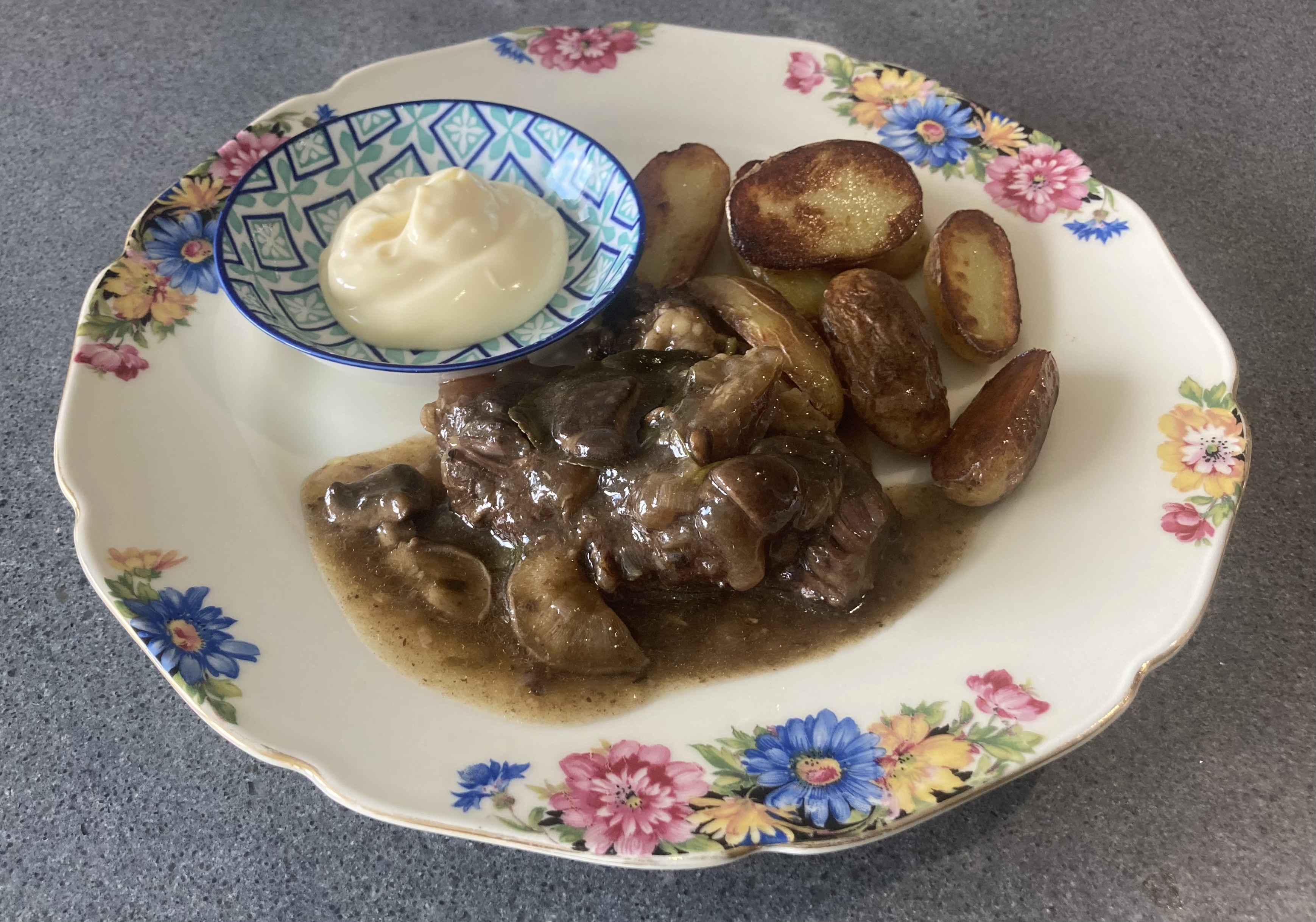
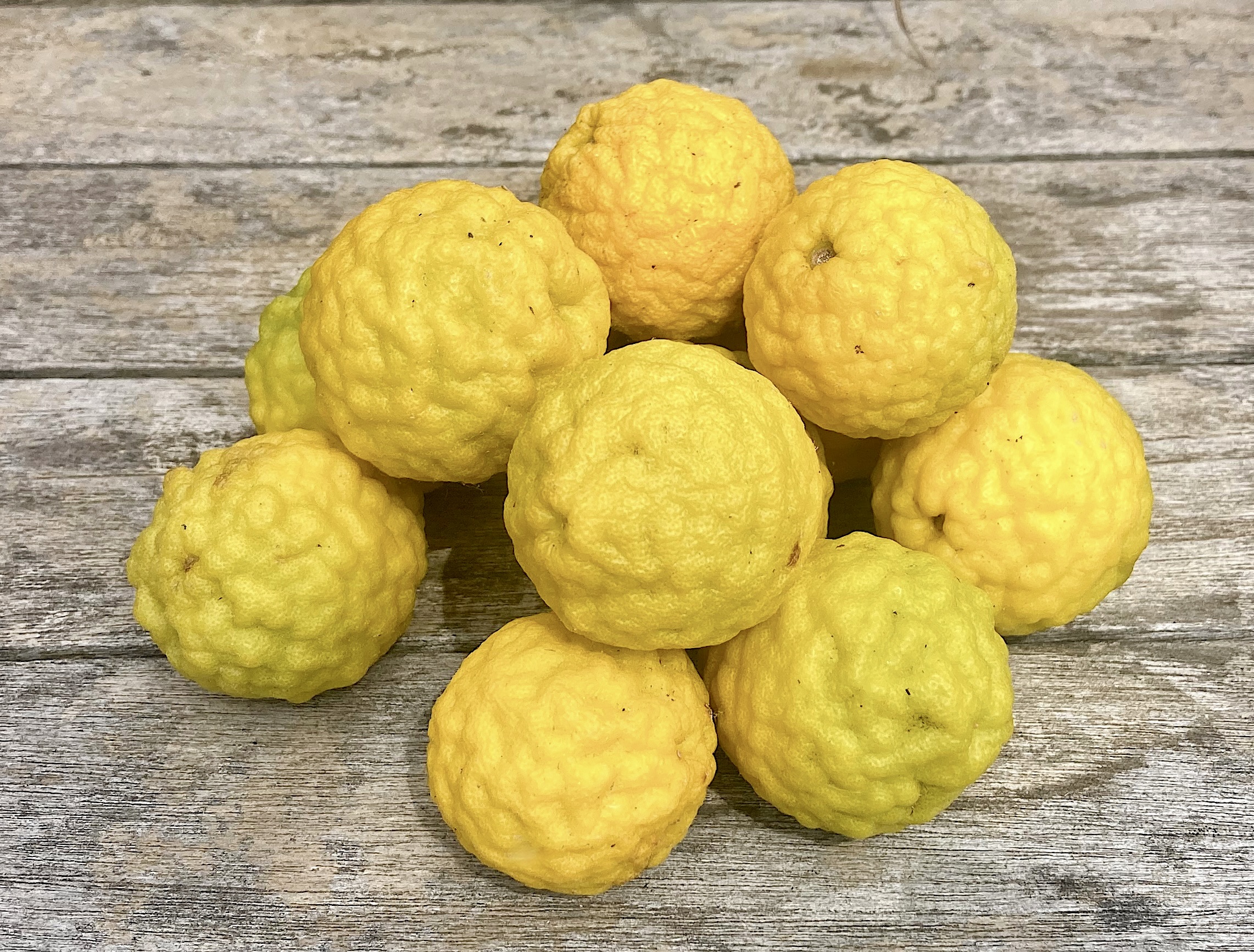
A few weeks ago we were looking for a nice restaurant, one where we could enjoy a quick, tasty meal and a nice beer. We looked at the menu of De Volkslust and decided this was exactly what we’re looking for. The restaurant originates from Antwerp, Belgium. Some 15 minutes later they brought us a Flemish Beef Stew, served with fried potatoes. It looked and smelled great. And it tasted, eh, slightly different? Of course! Chef used Djeroek Poeroet! Interesting, you would expect bay leaf in a Flemish Stew, but this was definitely djeroek poeroet (or jeruk purut, the leaves of the Makrut or Thai Lime). Great idea. Aromatic, refreshing, light. A few days later we made our version of it.
And typical for a good stew: make it a day in advance.

Wine Pairing

The obvious choice is a nice, cold beer. Perhaps the one you used for the stew? We used Affligem Blond, an award winning Belgian Blond beer with pleasant bitterness and fruitiness.
If you go for a glass of red wine, make sure it is full-bodied and rich; a wine with dark fruit and a touch of oak.

What You Need (for 4 persons)

  • 1 kilo of excellent, fat, marbled Beef
  • 2 Shallots
  • 250 grams of Button Mushrooms (Champignon de Paris)
  • Olive Oil
  • 2 bottles (33 cl) of Blond Belgian Beer
  • Bouquet Garni (Thyme, Parsley, Chives)
  • 6 leaves of Djeroek Poeroet (frozen preferred)
  • Black Pepper

What You Do

Slice the meat by following its structure. We prefer bigger parts, so not cubes. They will take longer to cook, but the meat benefits from this approach. Clean the mushrooms and slice the bigger ones in half. Coarsely shop the onion. Heat olive oil in a large pan and fry the meat. You probably will have to do this in 2 or 3 batches. Make sure the meat is nicely colored. Remove the meat from the pan and fry the mushrooms. Remove them when nicely golden, add some more olive oil and caramelize the sliced onions. When ready, add the mushrooms, the beef, the beer, the Bouquet Garni and 6 leaves of djeroek poeroet. Heat through and through. Close the pan and keep on a low heat for 5 to 6 hours. Stir every hour. Check the taste during the cooking process, perhaps you want to remove the djeroek poeroet (or add more!).
When you’re happy withe the cuisson, remove the meat from the pan, discard the bouquet Garni and reduce the sauce. Transfer the meat back into the pan, reheat, then cool and transfer to the refrigerator until the next day.
Serve with unpeeled potatoes fried in olive oil and (homemade) mayonaise.

Tomato Burger

Recently we reviewed Oh She Glows for Dinner by Angela Liddon as part of the Cookbook project by Bernadette. A well designed book with lots of colourful pictures of tempting plant based food. Unfortunately we think the food is not always as tasty as Angela Liddon claims it to be, which is unfortunate if you want to enjoy vegan cooking. We made Vegetarian Pasta with Black Beans (not a dish we would recommend) and Bruschetta Veggie Burgers topped with avocado and Perfect Basil Pesto.
The Veggie Burger was colourful and absolutely nutritious, perhaps a bit too sweet for our taste. The original recipe suggests using basil and canned lentils for the patties. The basil didn’t add much flavour and canned lentils are a no-go for us. Based on our experience we changed the recipe, focussing on the tomatoes.

Oh She Glows for Dinner by Angela Liddon is available via your bookstore or the usual channels for € 35,00 or US$20.00.

What You Need

  • 30 grams Green or Brown Lentils
  • Vegetarian Stock
  • Bouquet Garni (optional)
  • 25 grams Sun Dried Tomatoes
  • 1 small Red Onion
  • 1 Garlic Clove
  • 60 grams Roasted Cashews
  • Fresh of Dried Oregano
  • Teaspoon Lemon Juice
  • Black Pepper
  • Breadcrumbs
  • Olive Oil

What You Do

Start by washing and cooking the lentils in vegetarian stock, perhaps with a bouquet garni. Set aside and let cool. Prepare the dried tomatoes: if they are salted, then wash them thoroughly. If they are oil-packed, drain them. Chop the red onion, the garlic clove and the dried tomatoes coarsely. Glaze the onion and the garlic in olive oil. Use a food processor to make a coarse mixture of the cashews and oregano. Add the chopped tomatoes, the onion, the garlic, the lentils and the lemon juice. Pulse a few times. Taste and decide if you want to add pepper or lemon juice. Now it’s time to check the consistency. Is it possible to turn the mixture into patties? A bit soggy probably? Add breadcrumbs. Leave the mixture for 10 minutes. Divide the mixture in 4 (or 2) portions and make patties, using your hands. Bake the patties in a non-stick pan with some olive oil until they are ready and golden.Serve with a nice bun, some salad, sliced tomato, avocado and pesto.